Wakkanai and Nayoro are two of Northern Hokkaido’s most rewarding yet least-known destinations: Wakkanai, Japan’s northernmost city, offers dynamic adventures such as windswept capes, ferry trips to Rishiri and Rebun, and winter drift ice, while Nayoro, a quiet basin town, invites you to slow down among golden sunflower fields, star-filled night skies, and the rare glitter of diamond dust. If neither name sounds familiar, that is exactly why this journey is worth taking.
Travellers who have visited Hokkaido several times are likely to have enjoyed the bustle of Sapporo, strolled along the canals of Otaru, admired the lavender fields of Furano in summer, and skied in Niseko in winter. However, that does not mean they have experienced all that Hokkaido has to offer. In its northern lands, the farthest from Honshu, the Japanese mainland, landscapes still remain that are worth getting to know well. The two towns of Wakkanai and Nayoro are, respectively, a prime example of nature on an overwhelming scale and a place where time flows by slowly.
Wakkanai is a dynamic town. Nestled between the Sea of Japan and the Sea of Okhotsk, this northernmost town in Japan is constantly swept by strong winds, has skies full of soaring seabirds, and bustles with ferries bound for remote islands. It overflows with the energy of dynamic action.
In contrast, Nayoro is a town of stillness. Its basin topography gives rise to beautiful natural phenomena in the bitter cold, night skies full of stars, and golden sunflower fields in summer. It has the Teshio River, where you can enjoy canoeing. There, time flows by at a leisurely pace, far removed from the hustle and bustle.
By comparing these two towns, we will share ways to enjoy travelling through Northern Hokkaido, taking in its nature and sightseeing spots.
Table of Contents:
1. Wakkanai—A Dynamic Journey to Japan’s Northernmost Point
2. Nayoro—A Serene Journey Where You Can Breathe Deeply
3. A Contrast in Culinary Cultures: Bounty of the Sea vs. Bounty of the Land
4. Your Own Special Hokkaido, Woven from Two Distinct Aspects
1. Wakkanai—A Dynamic Journey to Japan’s Northernmost Point
What Kind of Town Is Wakkanai?
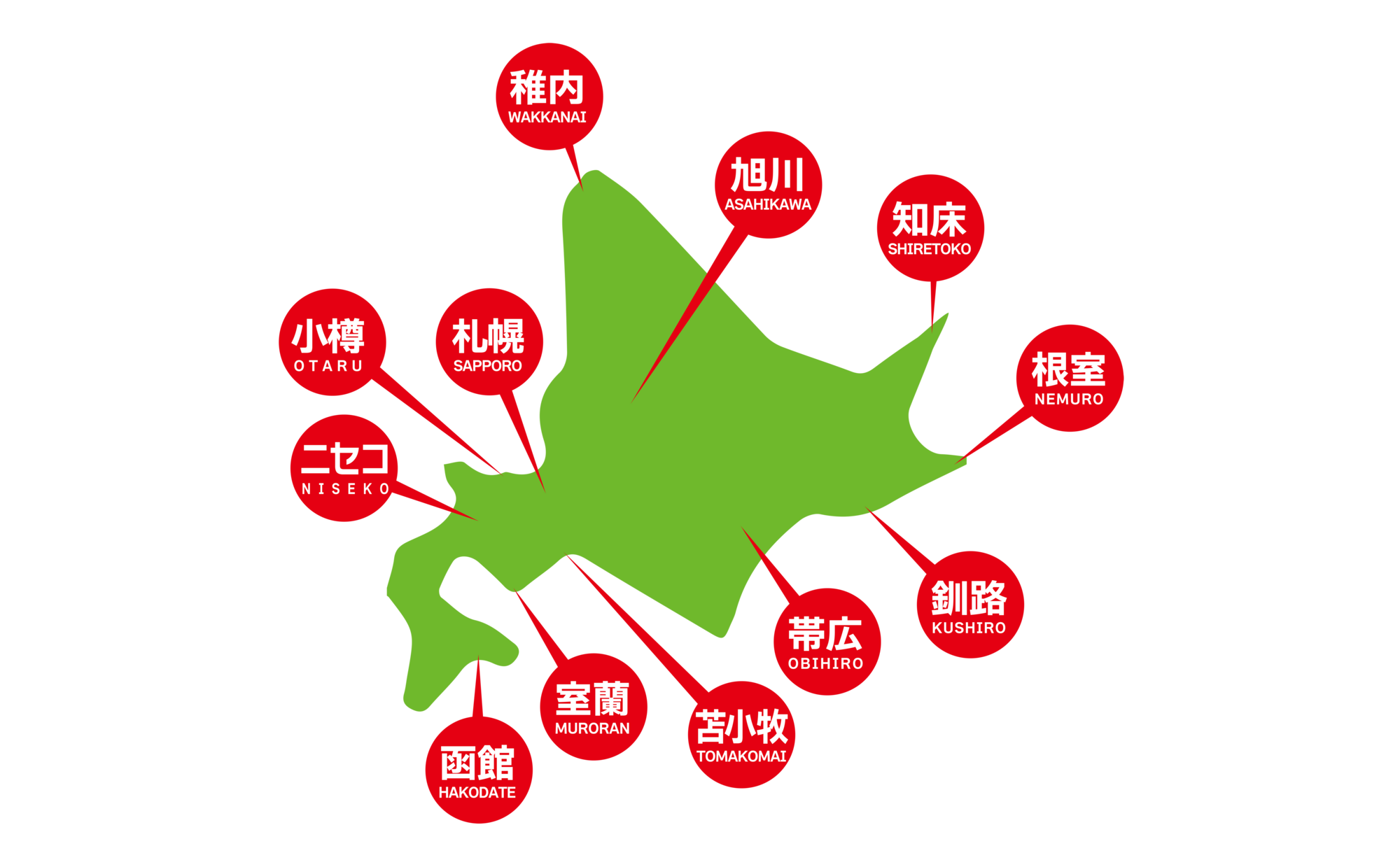
With a population of approximately 30,000, Wakkanai is Japan’s northernmost city, bordered by the Sea of Okhotsk to the east and the Sea of Japan to the west. On clear days, you can see Sakhalin Island in Russia with the naked eye from Cape Soya, Japan’s northernmost point. In a country surrounded by sea, Wakkanai is one of the few places where you can truly feel the presence of a foreign land.
The Northernmost Point, Wakkanai
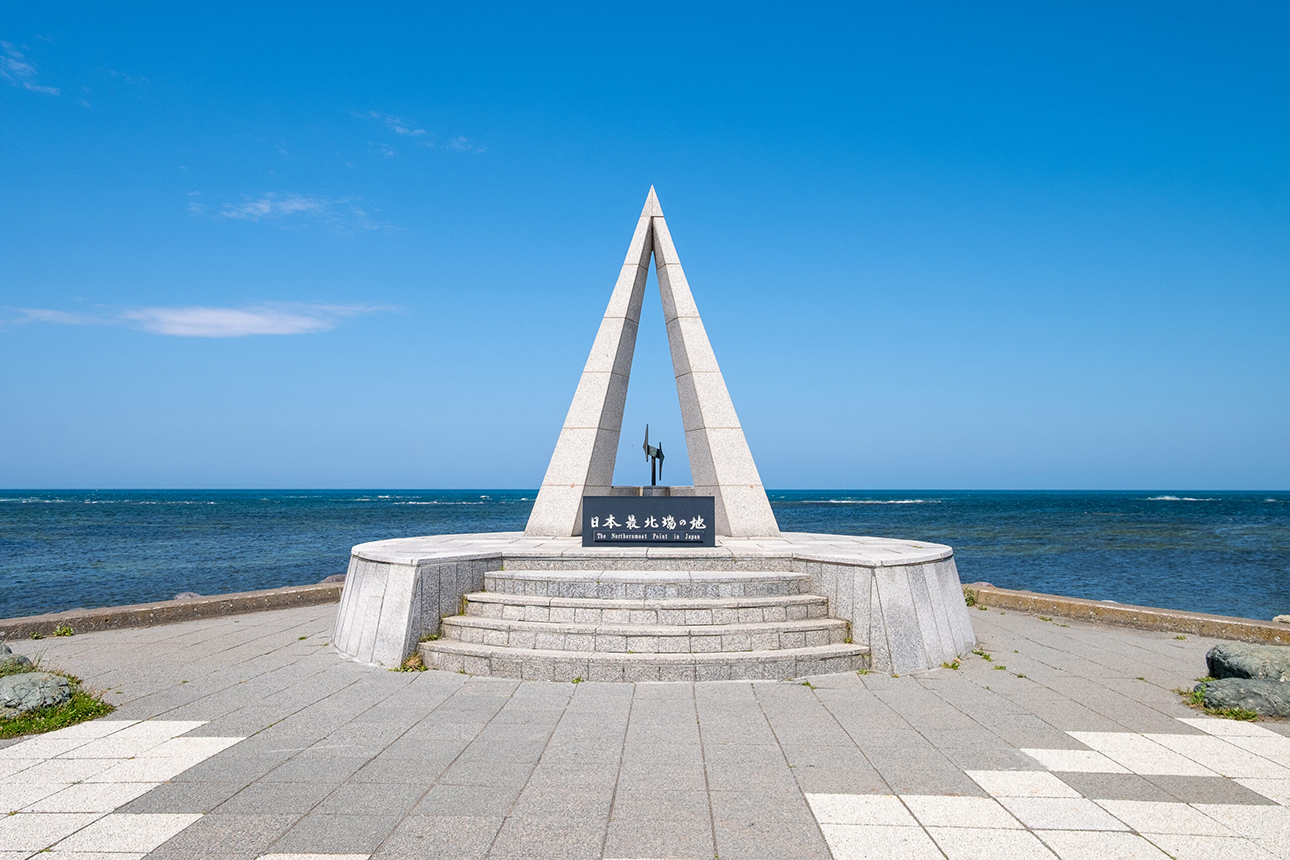
It is this location as the northernmost point of Japan that makes Wakkanai a special place. Travellers circling Hokkaido or crossing Japan from north to south always make a point of visiting here. It can serve as both the starting point and the final destination of their journey. At 45°31′ north latitude, standing before the Monument to Japan’s Northernmost Point—designed with the North Star as its motif—gives you a strong sense of accomplishment at having reached the northernmost tip of Japan. For repeat visitors and families who want to fully experience Hokkaido, the fact that they have gone to the very northernmost point of Japan will surely be a wonderful experience that stays with them all their lives.
The Wakkanai Port North Breakwater Dome
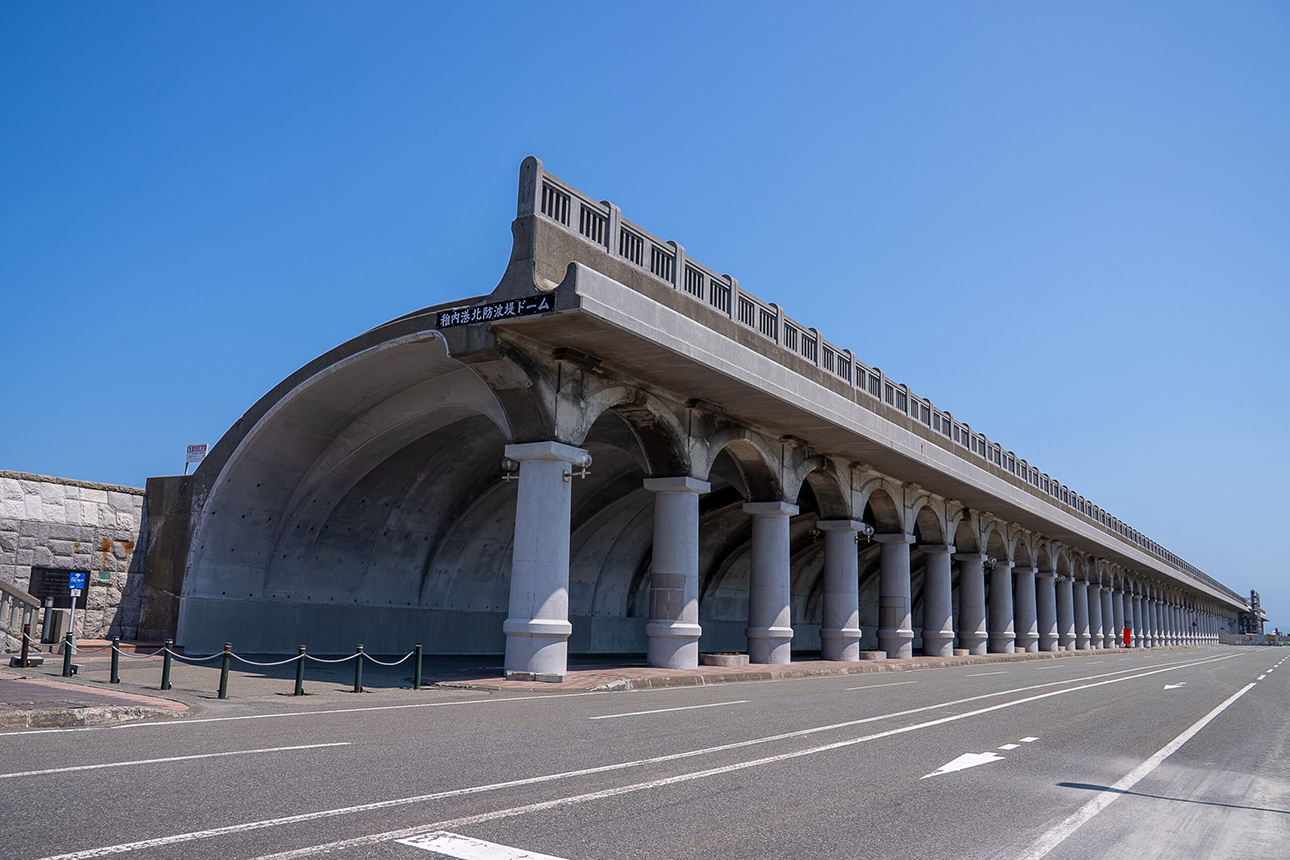
Another iconic structure is the Wakkanai Port North Breakwater Dome, located in Wakkanai Port. This massive semi-arched concrete structure is reminiscent of an ancient Roman or Greek colonnade.
It was constructed in the early Showa period (1931–1936) to protect Wakkanai Port—which served as a terminal for ferries traveling to Sakhalin (formerly Karafuto), then part of Japanese territory—from strong winds and rough seas. It was designed by Minoru Tsuchiya, a young engineer with the Hokkaido Government who was 26 years old at the time.
Its most distinctive feature is its beautiful design; built on a grand scale with 70 thick columns lining its length, the structure spans 427 metres in total length and stands 13.6 metres tall. Thanks to its unique architectural beauty, it has become a popular tourist attraction and iconic Wakkanai photo spot, and is illuminated at night.
It also holds significant historical and architectural value, having been designated a Hokkaido Heritage Site in 2001 and a Recommended Civil Engineering Heritage Site by the Japan Society of Civil Engineers in 2003.
It is an iconic monument of this northern land where one can reflect on the people who once travelled between Japan and Russia.
A Majestic Landscape That Stimulates the Senses
Spring (April–June): The Season When the Earth Awakens
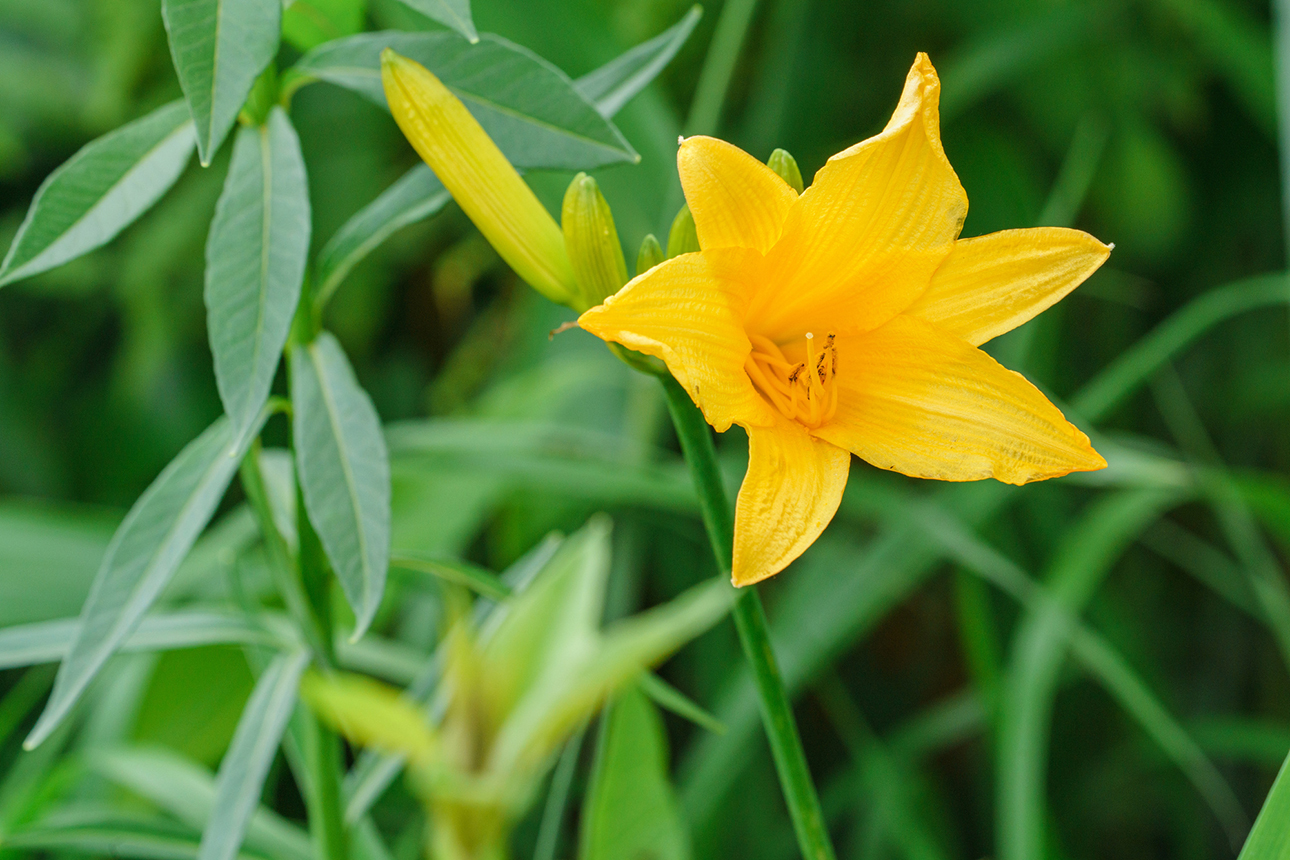
Spring arrives later in Hokkaido than in Honshu. In Wakkanai, snow may still linger even in April, but once May arrives, temperatures rise and the Sarobetsu Plains suddenly turn green. The Sarobetsu Plains and Sarobetsu Wetland Center are the first places you should visit during this season. This area is part of the Rishiri-Rebun-Sarobetsu National Park, which includes a portion of the city of Wakkanai. The peat bog, spanning approximately 6,700 hectares, is known as one of the largest high-altitude peat bogs in Japan. From spring through early summer, Ezo kanzo (a wild species of daylily) and cottongrass are in bloom, and you can feel the breeze blowing across the marsh as you walk along the boardwalk. The area is also home to a rich variety of wild birds and is internationally renowned as a spot for observing red-crowned cranes and migratory birds.
Summer (July–September): Short but Intense at Japan’s Northernmost Tip
Summer in Wakkanai is short. With average high temperatures ranging from 20 to 22°C from July to September, the weather is pleasant and a far cry from the sweltering heat of Honshu. This cool climate attracts cyclists and hikers from all over the country.
You can feel the power of Wakkanai’s nature with your whole being. The Soya Hills, stretching behind Cape Soya, feature a continuous landscape of gentle, undulating terrain formed during the Ice Age tens of thousands of years ago. Here, 57 massive wind turbines spin powerfully, creating a breathtaking contrast of blue sky, green grasslands, and white windmills. Simply gazing at this scenery from the car window gives you the thrill of having arrived in a place you’ve never seen before.
Furthermore, within these hills lies the White Path, a walking path approximately three kilometres long made entirely of scallop shells.
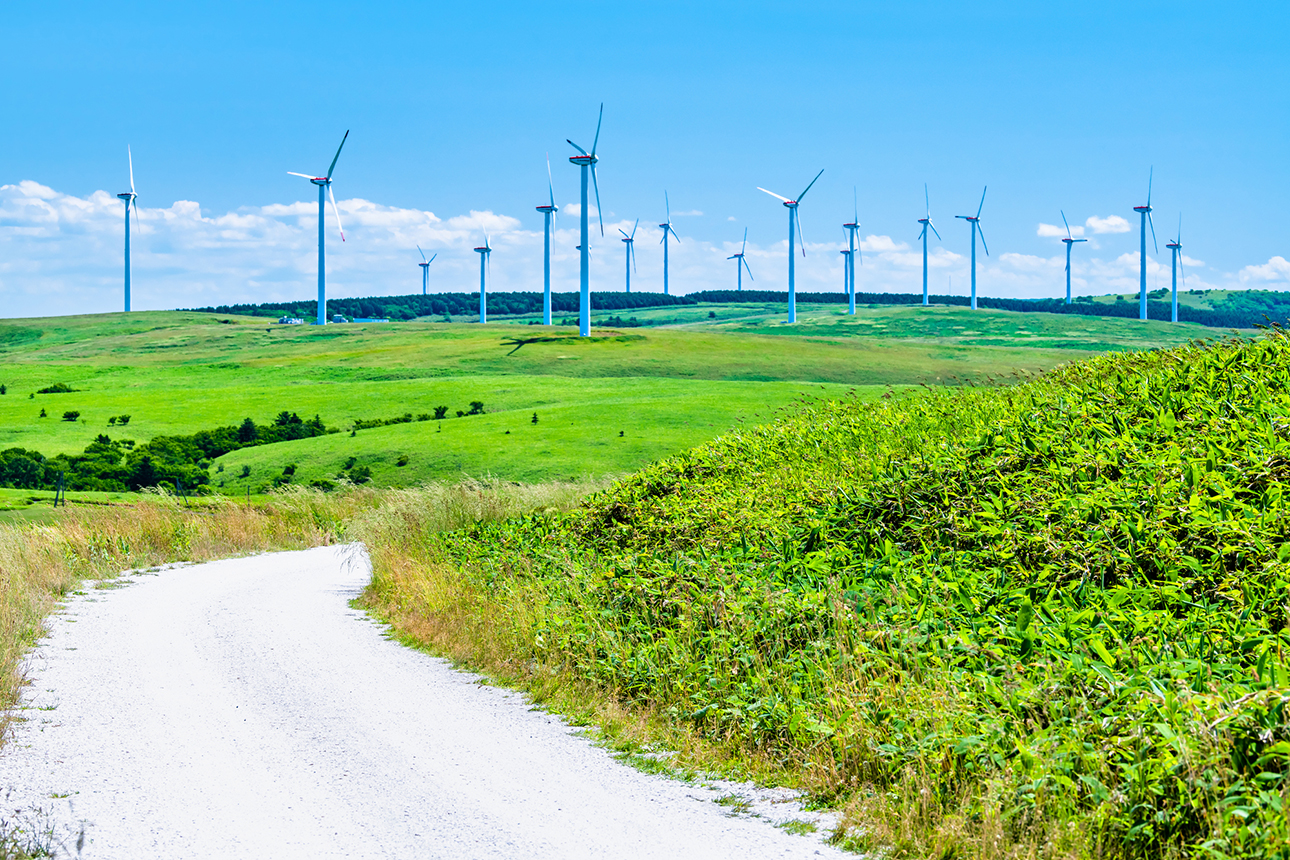
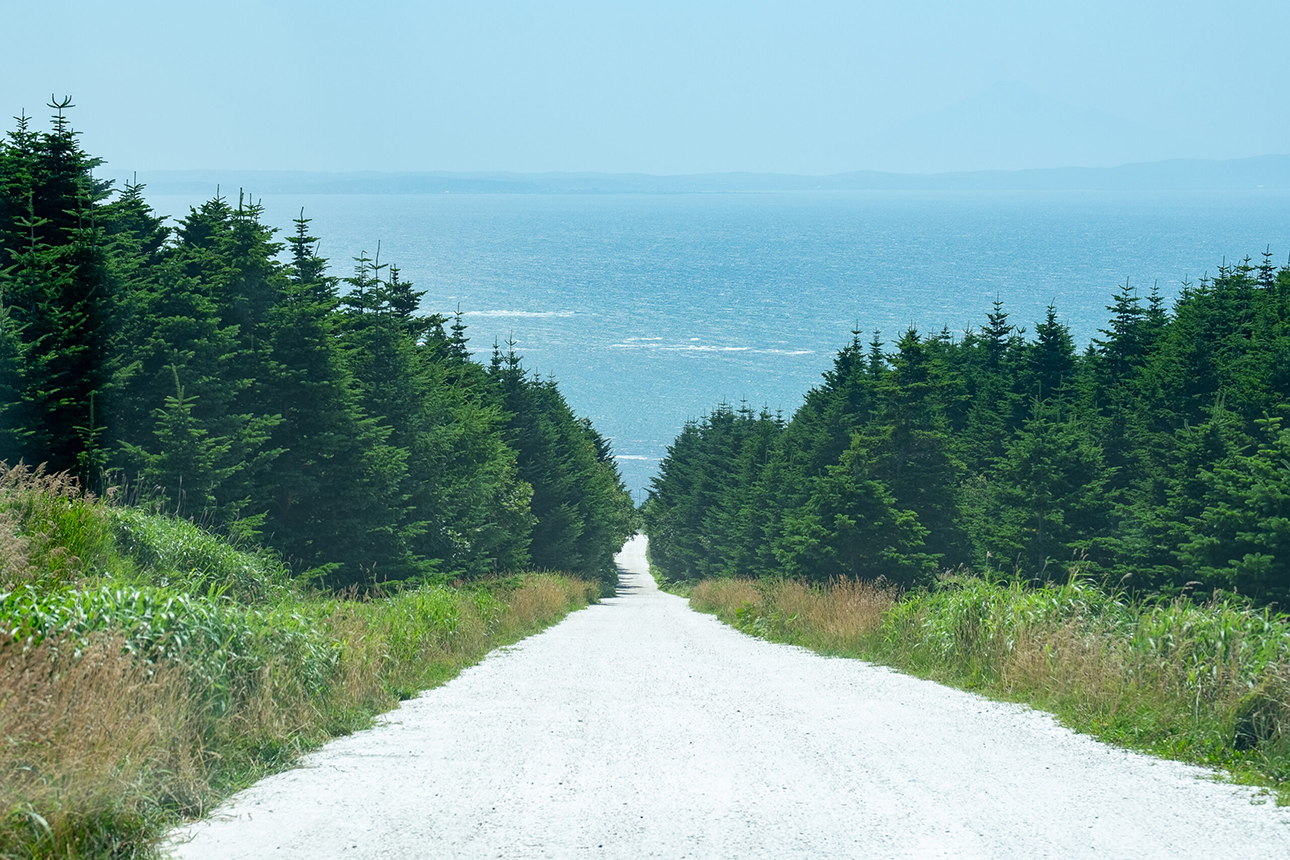
Scallops have long been a famous local specialty of Wakkanai, but their shells had no practical use and were discarded as waste. In 2011, as part of an initiative to put them to good use, the city began crushing the scallop shells and spreading them along this path, which is part of a walking trail. Today, it has become a popular spot for Instagram-worthy photos. The sight of a single, pure-white path suddenly emerging from the green meadow, with the blue sea stretching out beyond it and offering views of Sakhalin and Mount Rishiri, is breathtakingly beautiful. When you step out of the car and tread on the white shells, a pleasant crunching sound reverberates, allowing you to experience the northern landscape with all five senses.
A Journey to Remote Islands That Stirs the Spirit of Adventure
The premier activity based in Wakkanai is island hopping to Rishiri and Rebun. Boarding a ferry from Wakkanai Port to tour these two completely different islands is truly the highlight of an active travel experience. While a day trip is possible, visiting these northernmost islands is a once-in-a-lifetime opportunity. We recommend staying overnight on each island to fully experience their unique atmosphere.
Become Absorbed in the Unspoiled Nature of the Northernmost Region in Hokkaido
Become Absorbed in the Unspoiled Nature of the Northernmost Region in Hokkaido
Rishiri & Rebun: The islands of alpine flowers
Rishiri, the Mountain Island
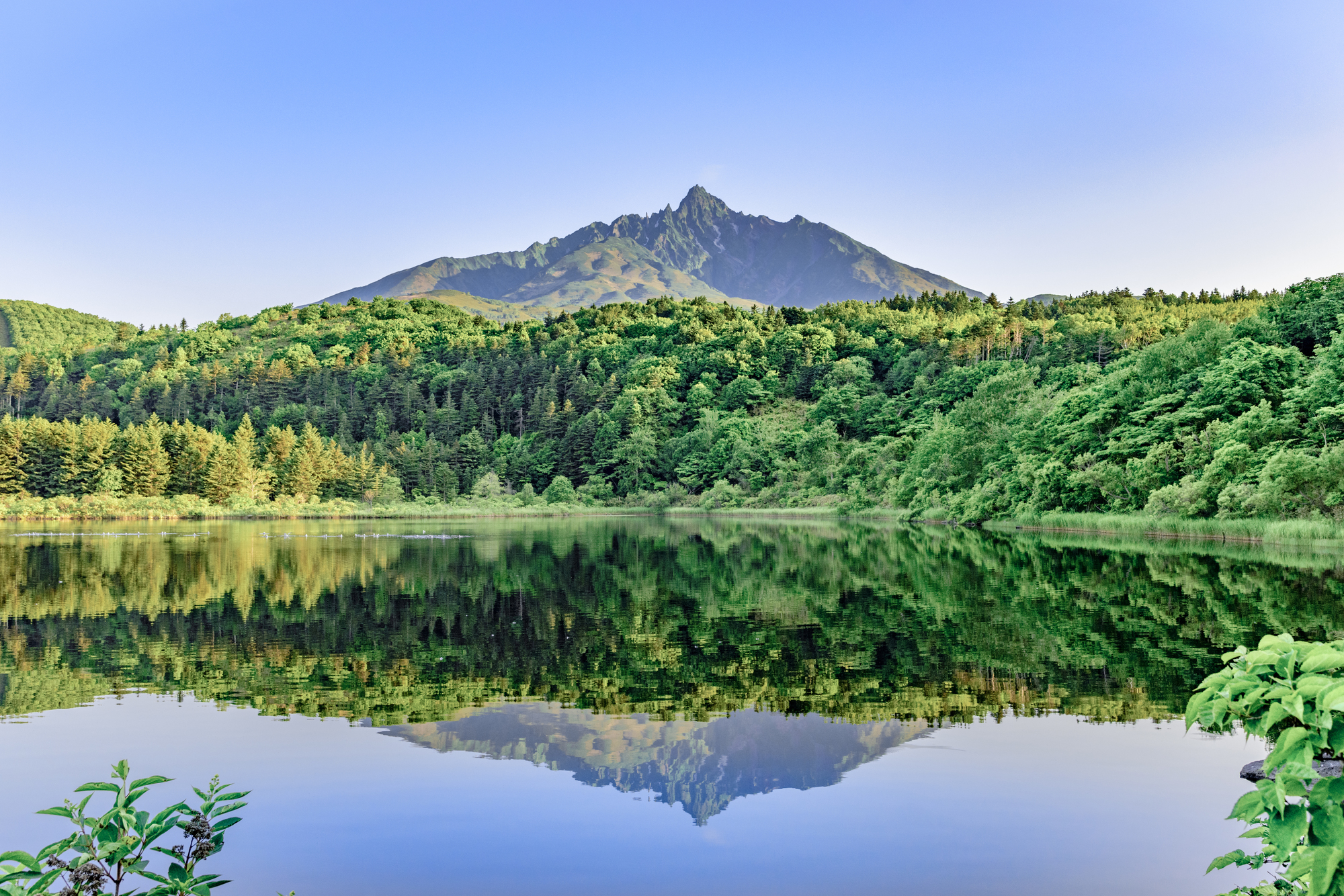
Rishiri is a beautiful island with Mount Rishiri (1,721 m), also known as Rishiri Fuji, a stunning conical volcano rising from the sea, towering at its centre. Cycling around the island along the mountain’s base is a popular activity. While mountain climbing is also an option, Mount Rishiri is a challenging climb relative to its elevation, so proper gear is essential. It is one of the 100 Famous Mountains of Japan—a list that is a bible for Japanese mountaineering enthusiasts—and a mountain that hikers dream of climbing.
Rebun, the Island of Alpine Flowers
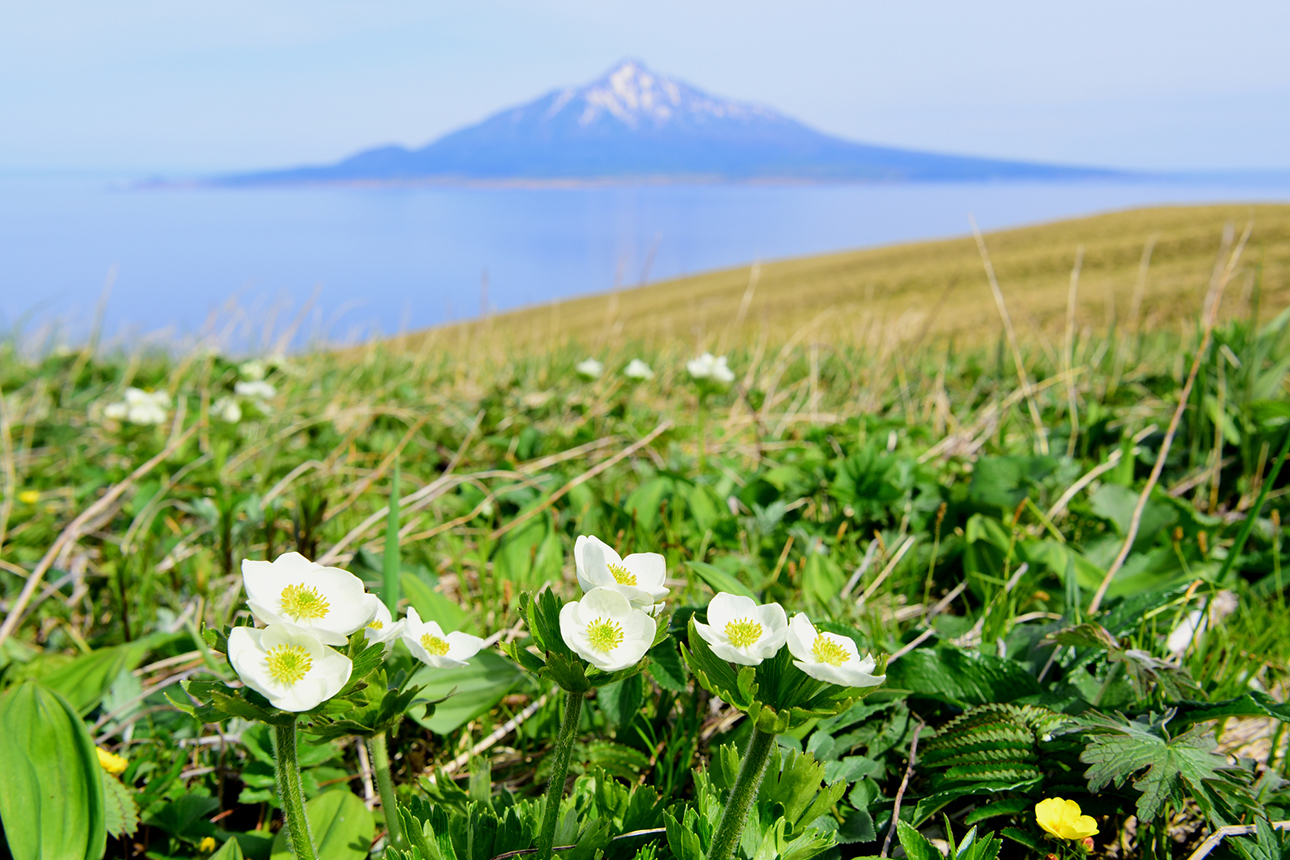
Rebun is known as the Floating Island of Flowers, where alpine plants bloom profusely even at sea level due to its high latitude and cold climate. Visitors can also enjoy a relatively gentle hike up Mount Rebun, which rises to an elevation of 490 metres. During the flowering season, you can admire rare alpine plants found only on this island, such as the Rebun atsumorisou (Rebun lady’s slipper orchid).
Cape Noshappu’s Breathtaking Sunsets
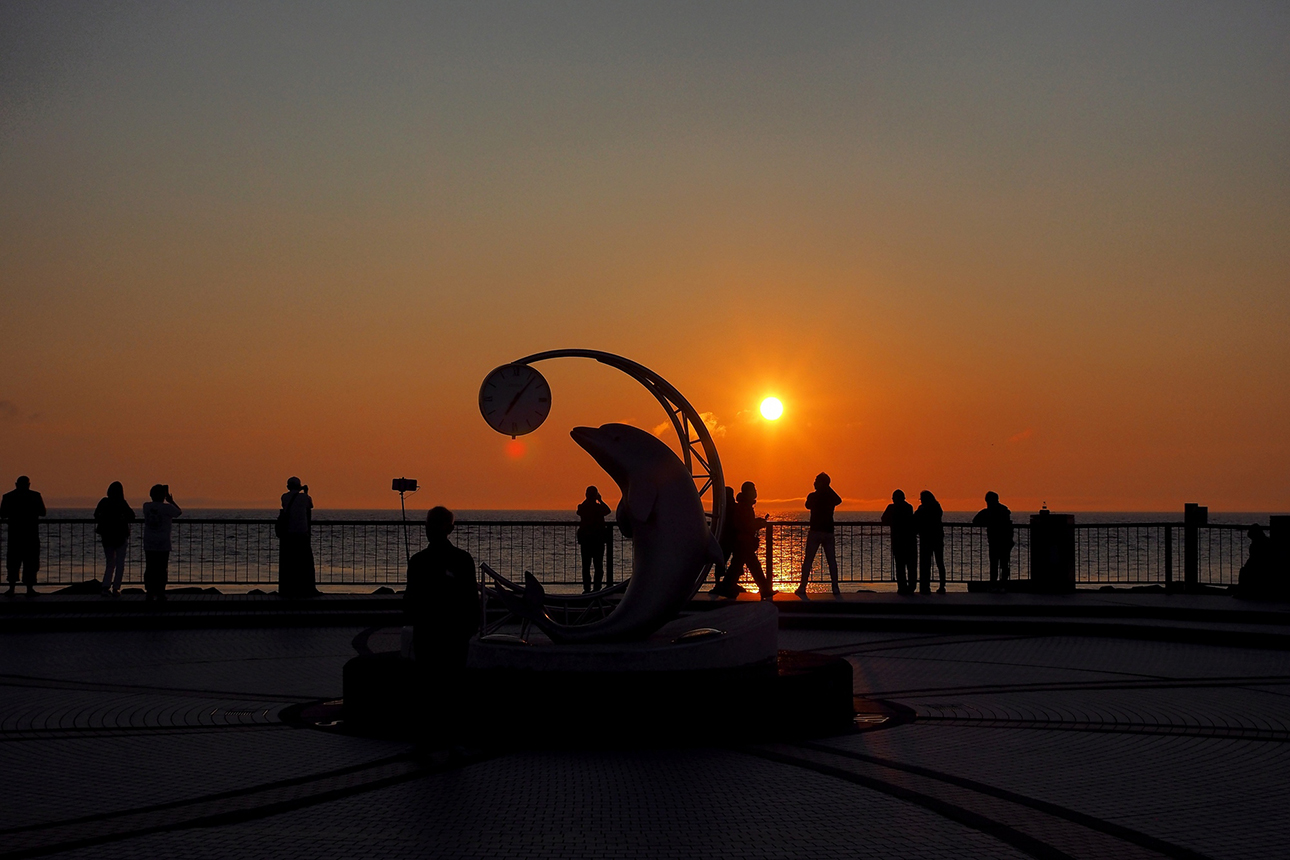
In the evening, after returning from your island tour, be sure to visit Cape Noshappu on the west coast of Wakkanai. The crimson sun sinking into the Sea of Japan and the silhouettes of fishing boats returning to port after a day’s work signal the end of a dynamic day.
Autumn (October–November): The Colourful Landscapes of Soya
Autumn arrives in a flash in Hokkaido. The grasslands of the Soya Hills turn golden, and the reeds of the Sarobetsu Plains sway in the breeze. The number of tourists drops significantly, and Wakkanai becomes quiet. Since temperatures drop sharply after October, you’ll need to dress as warmly as you would for winter in Honshu.
Winter (December–March): Drifting Ice and Snowfields
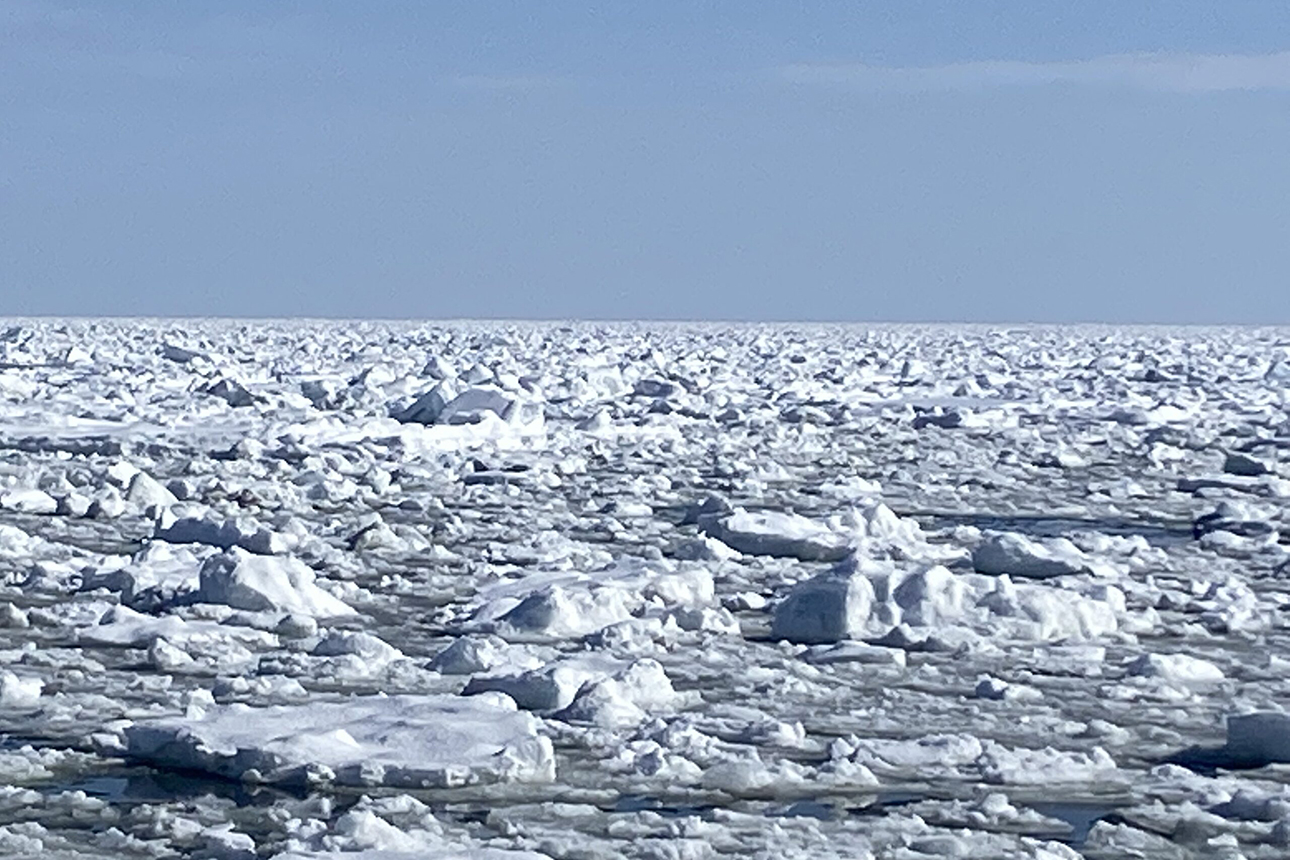
Wakkanai’s winter is truly harsh. However, within that harshness you will find experiences unavailable in other seasons. Drifting ice approaches the Sea of Okhotsk coastline from late January through March. When you stand before the sea’s white-crested surface, you’ll feel the sheer power of nature.
Soya Fureai Park Snowland is a long-running winter event held every February for about a month at Hokkaido Soya Fureai Park in the city. Set against a vast snowy landscape, the event offers a variety of activities ranging from snowshoeing and fat biking to dog sledding. It promises to be an encounter with a snowy world unlike anything you can experience in urban areas.
Private Tour Information
The reality is that there are only a few buses a day to Cape Soya, resulting in significant time loss. Furthermore, the snow-covered roads in winter are a safety concern as they can be a major source of stress for drivers who are unaccustomed to them. With Hokkaido Treasure Island’s private tour, you can efficiently explore Cape Soya, the Soya Hills, and Cape Noshappu at your own pace. An interpreter-guide will accompany you, so you can need have no worries about language barriers.
2. Nayoro—A Serene Journey Where You Can Breathe Deeply
What Kind of Town Is Nayoro?
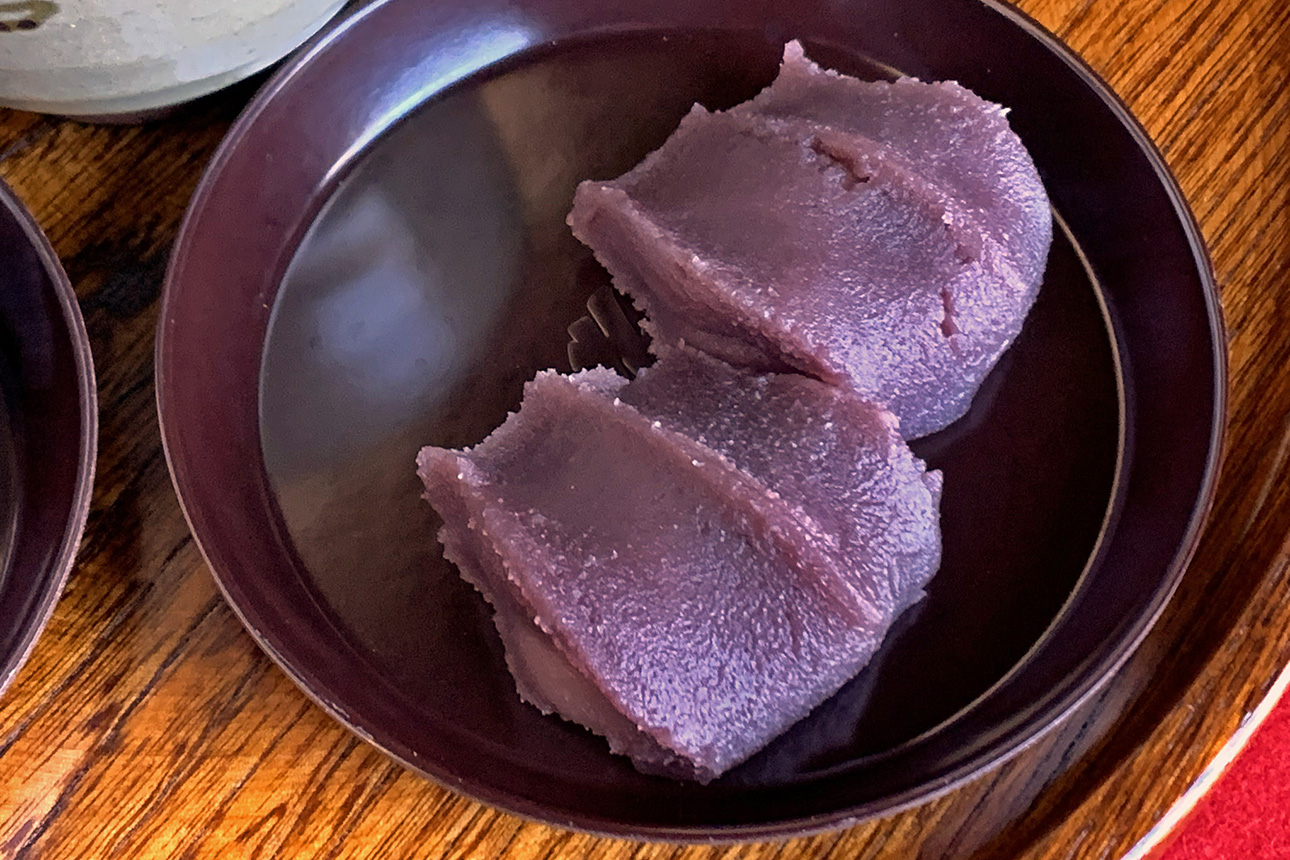
With a population of approximately 24,000, the city is located between Sapporo and Wakkanai, 160 km south of Wakkanai and 200 km north of Sapporo. It is an agricultural city spread across the centre of the Nayoro Basin where the Teshio River flows. It boasts the highest production of the glutinous rice used to make mochi (sticky rice cake), the high quality of which is widely known thanks to it being used in famous Japanese confections such as Akafuku, the iconic mochi wrapped in red bean paste sold in the Ise region in western Japan, and Yukimi Daifuku, a popular ice cream wrapped in thin mochi.
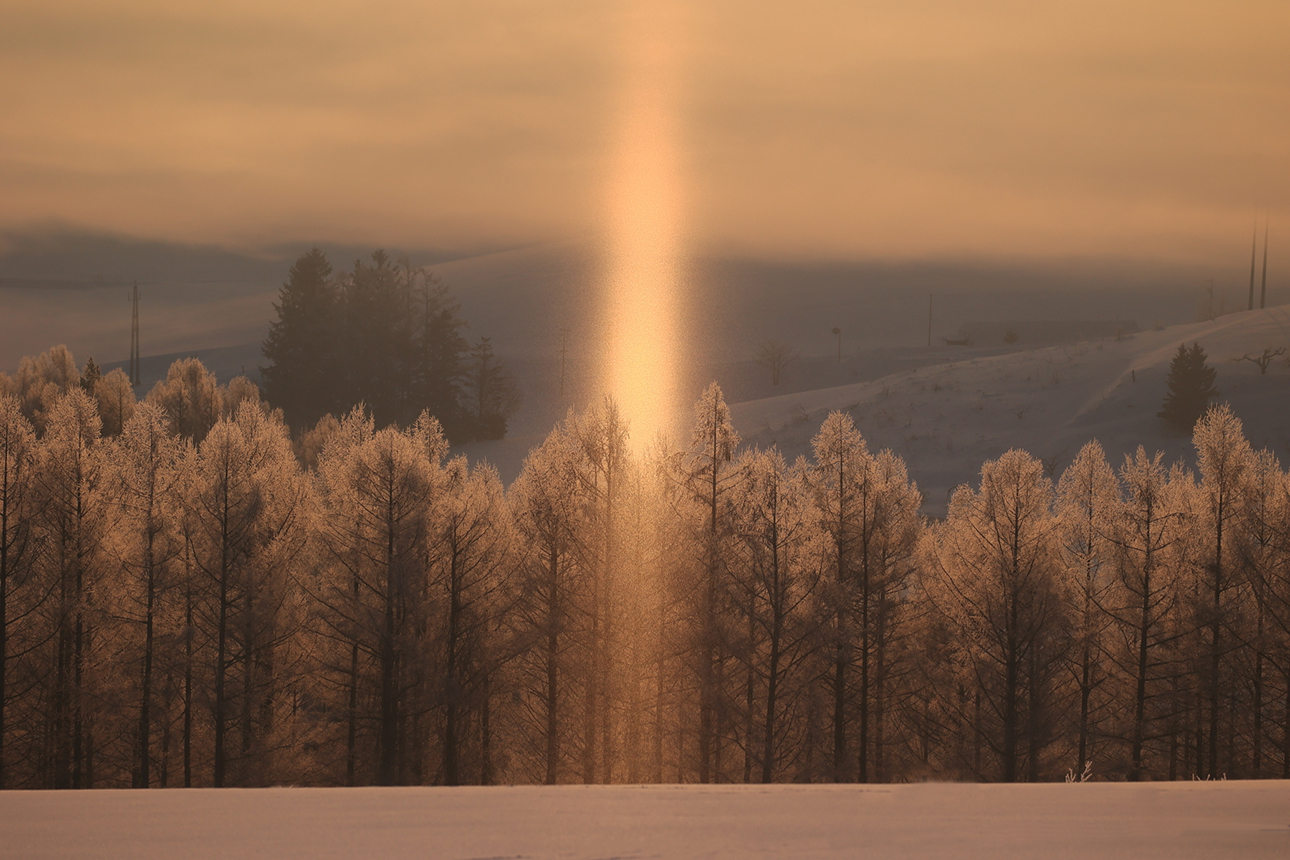
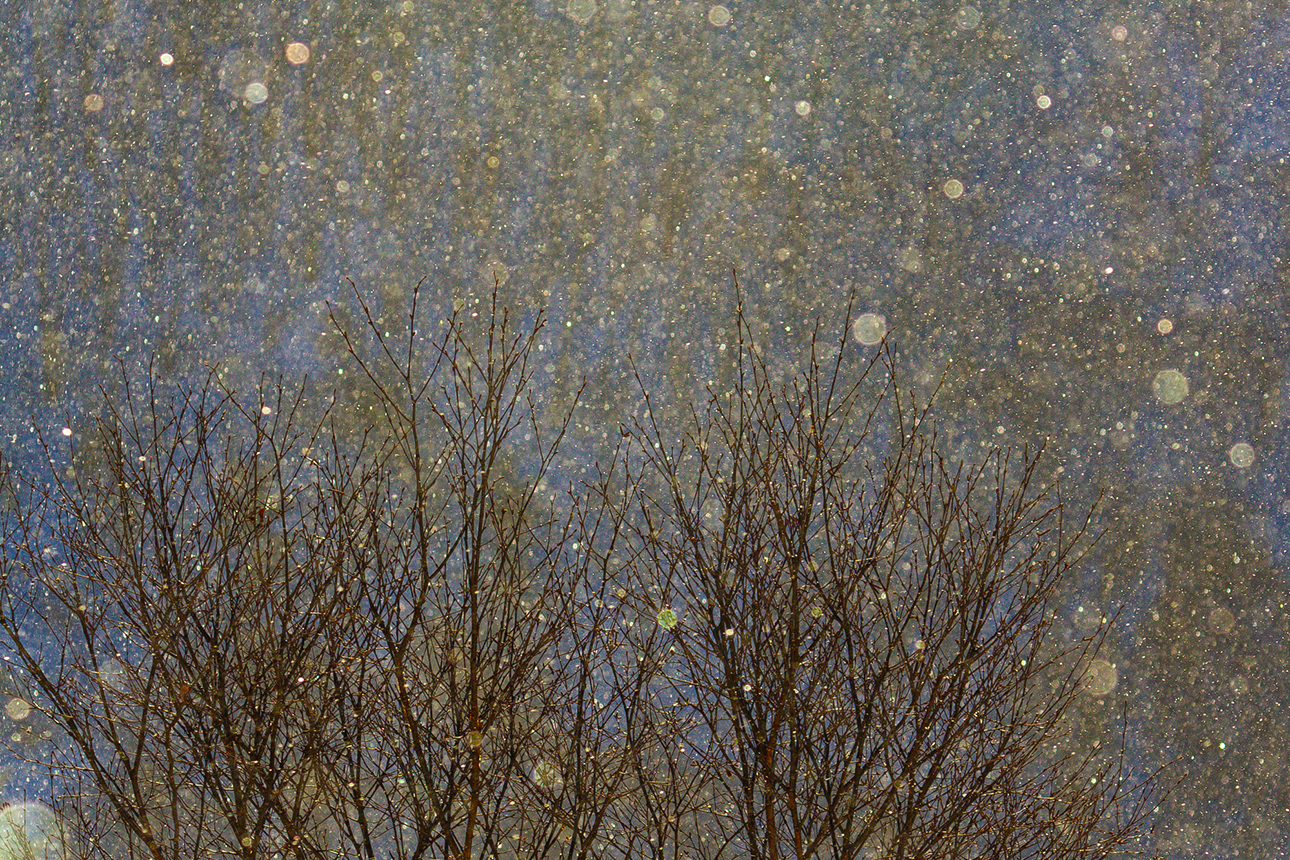
The most distinctive feature of Nayoro is the extreme climate resulting from its basin topography. In summer, high temperatures exceeding 30°C allow crops to thrive, while in winter the region experiences some of the harshest cold in Hokkaido, with temperatures dropping to -20 to -30°C. This winter cold gives rise to the ethereal meteorological phenomena known as sun pillars and diamond dust. Photographers from around the world flock to Nayoro to capture these sights.
Spring (April–June): A Quiet Awakening with the Snowmelt
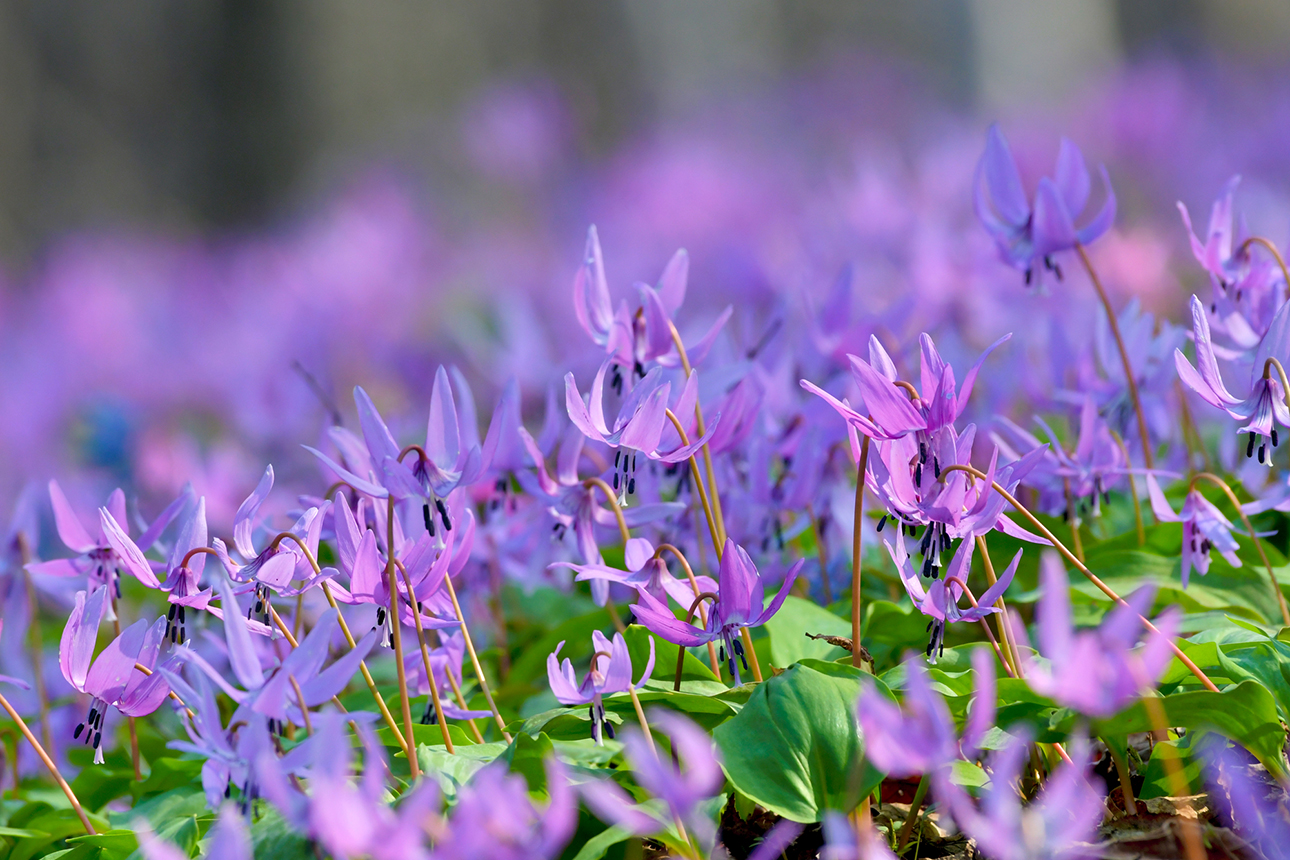
Spring in Nayoro begins as snowmelt flows into the Teshio River. In May, cherry blossoms bloom, and locals enjoy hanami (cherry blossom viewing). Clusters of dogtooth violets also reach their peak from late April to early May, offering a spring landscape that is a hidden gem appreciated only by those in the know.
Summer: Golden Sunflower Fields and Canoeing the Teshio River
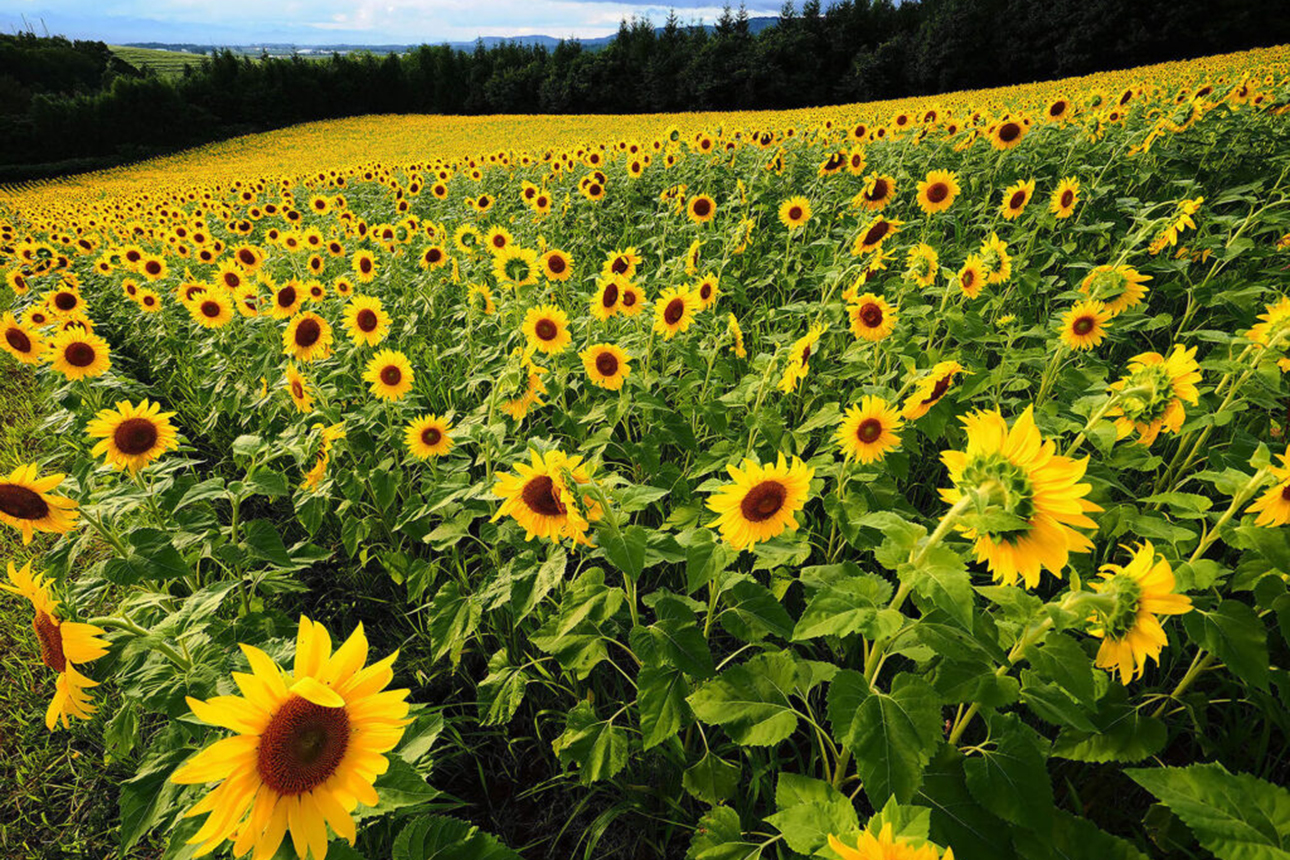
Sunflower fields are the quintessential summer sight in Nayoro. From early to mid-August, sunflower fields throughout the city are simultaneously dyed a golden yellow. Among them, the sunflower field within Hokkaido Sunpillar Park is particularly impressive, covering a slope of approximately 30,000 square metres. From the observation deck, you can take in a panoramic view of the yellow carpet stretching out before you while gazing out at the Nayoro cityscape in the distance.
This sunflower field was also used as a filming location for the 2011 movie Star Watching Dog. Sunflowers are an integral part of the local food culture; they are not only a scenic attraction but also a resource for producing Sunflower Oil: Northern Radiance and Sunflower Field Pork, a specialty pork raised on sunflower meal.
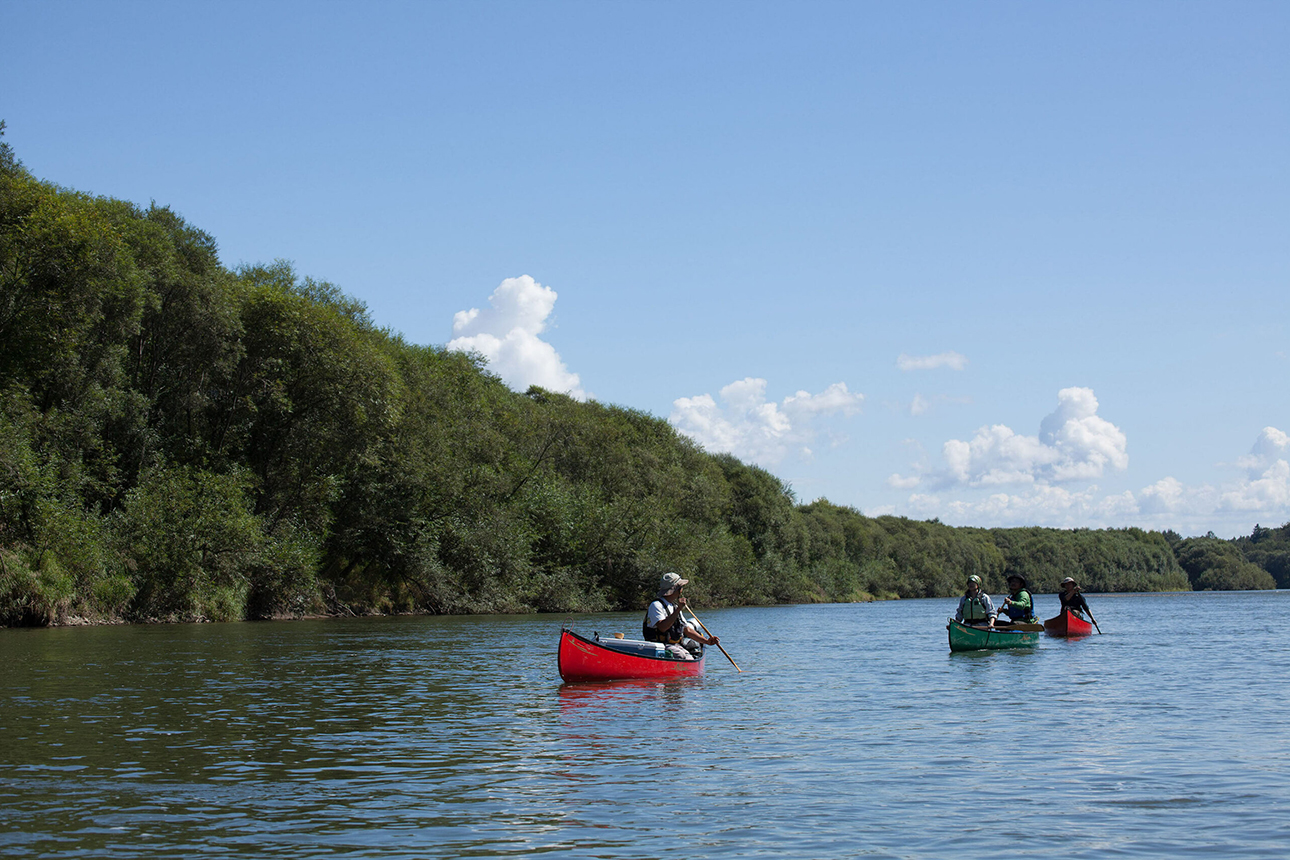
One of the most memorable summer experiences in Nayoro is canoeing on the Teshio River. An activity that combines cycling and canoeing to explore the Nayoro section of the Teshio River, Japan’s fourth-longest river, is gaining in popularity. With forests covering 70% of the river basin, the natural scenery unfolds in a way that can only be seen from the water. Local guides accompany participants, so even beginners and families need have no qualms about joining a trip.
Kitasubaru, the Nayoro City Observatory
With a name that literally means the North Pleiades, this observatory is a treasure of which Nayoro is proud. The area around Nayoro boasts some of the best stargazing conditions in Japan, thanks to the low humidity typical of basin regions and its minimal light pollution. The observatory features a telescope with the second-largest aperture in Japan among publicly accessible facilities, as well as a planetarium. Visiting this observatory with your family on a summer night to gaze up at the Milky Way stretching across the sky, surrounded by the mountains of Hokkaido, is an experience that will remain etched in your memories for a long time.
Mochi-Pounding Experience
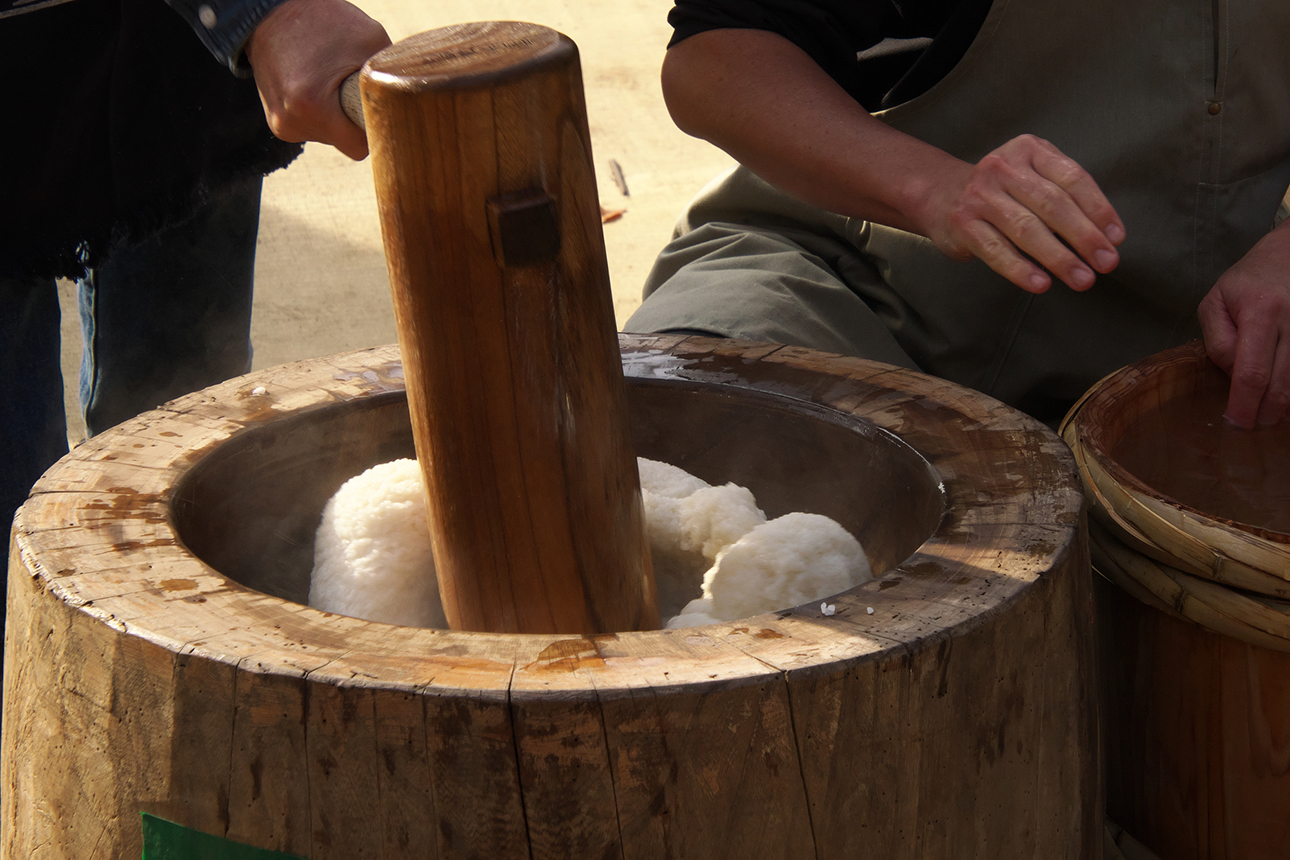
Summer in Nayoro offers another unique cultural experience: a mochi-pounding workshop, a tradition unique to the town that boasts the highest glutinous rice production in Japan. In the company of the Nayoro Mochi Ambassador, the champion of the mochi pounding competition of Nayoro, you can taste mochi pounded from Japan’s finest rice. This experience, which allows visitors to connect with the region’s pride through its food culture, is particularly popular among international travellers.
Autumn (October–November): A Basin Ablaze with Autumn Colours and Golden Ears of Rice
Thanks to its basin topography, autumn in Nayoro is a riot of colour. The rice in the paddies hangs in golden ears, while the hues of the autumn-coloured mountains blend in the background. Leisurely cycling through this scenery seems to wash away the fatigue of daily life.
Winter: A Serene Miracle as the World Turns White
Nayoro Piyashiri Ski Resort is an extensive ski area that claims to have “Japan’s best quality snow”. With three lifts and a total of 13 runs, it caters to everyone from beginners to advanced skiers. It also features a kids’ park and a snowmobile area, offering a full day of fun for the whole family. The ski jump also has a track record of hosting international competitions, and Olympic athletes sometimes visit.
However, the true stars of winter in Nayoro are two meteorological phenomena. A sun pillar is a phenomenon that occurs on bitterly cold mornings when ice crystals in the atmosphere reflect sunlight, creating columns of light extending above and below the sun.
Diamond dust is also a very rare phenomenon in which water vapor in the air freezes into tiny ice crystals that float in the air, sparkling as they catch the light. Both phenomena are most likely to appear on clear mornings when the temperature drops below minus 10 degrees Celsius, and they are natural wonders that can only be witnessed by those who wake up early and venture outside when the weather conditions are right. The thrill of personally experiencing this mysterious phenomenon—created by radiative cooling on a bitterly cold morning amidst the vast, light-pollution-free wilderness—will become a priceless treasure. For friends, families and couples, it’s a precious opportunity to share a truly moving experience.
While many photographers visit Nayoro in winter specifically to shoot sun pillars, even travellers without specialised equipment can witness and experience the beauty with their own eyes. If you visit during the Nayoro Best Snow Quality Festival (usually held around February), you can also enjoy snowmobiling and various other winter activities.
Not many travellers are familiar with the unexplored, seasonal charms of Nayoro. It is especially recommended for repeat visitors who want to go to places no one else has been to or see undiscovered scenery. This trip will shatter any preconceptions you may have about knowing Hokkaido.
3. A Contrast in Culinary Cultures: Bounty of the Sea vs. Bounty of the Land
When it comes to food—one of the greatest joys of travel—these two cities offer a striking contrast.
Wakkanai’s Culinary Delights: Seafood Nurtured by the Rough Seas
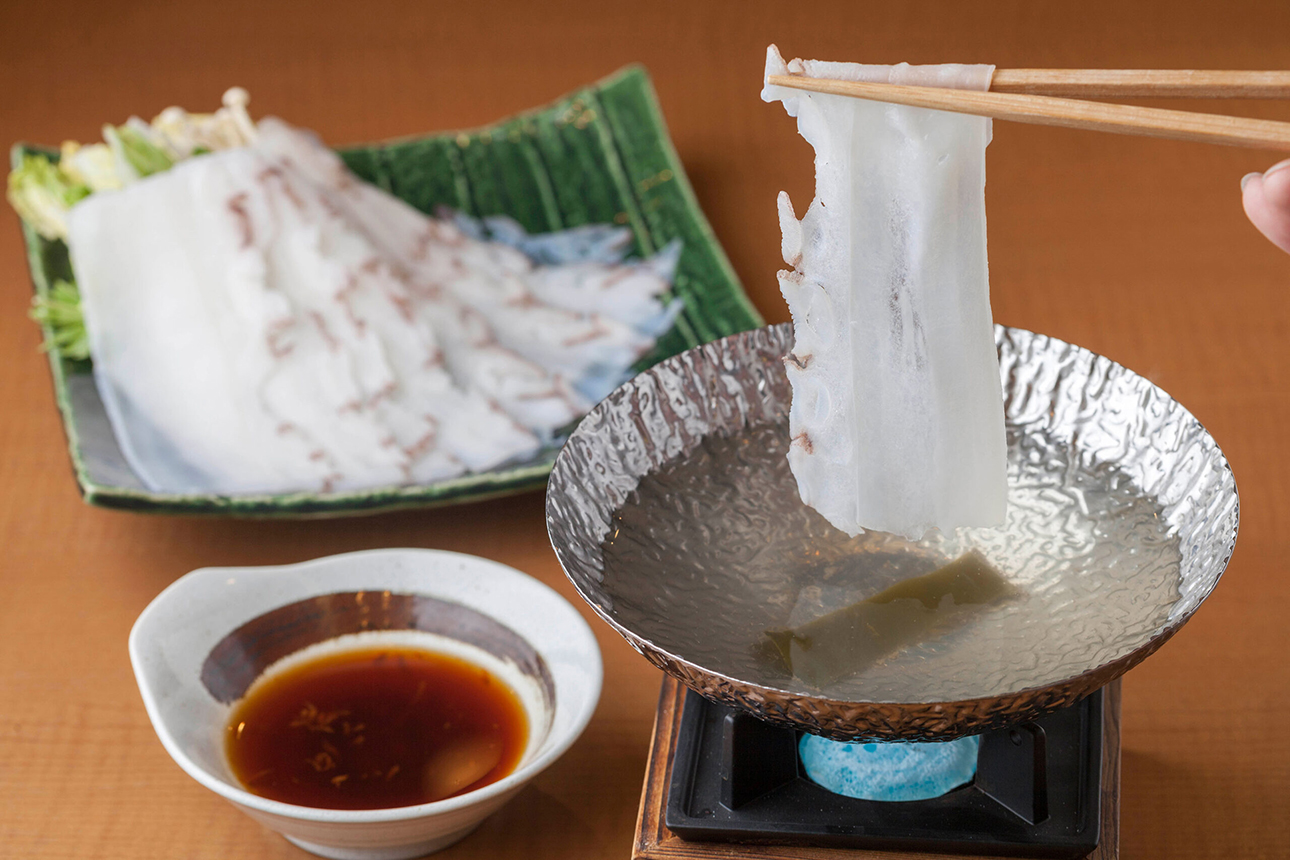
One dish you absolutely must try when visiting Wakkanai is Tako Shabu, made with large Pacific octopus. The octopus is sliced paper-thin, quickly dipped in hot broth, and served with a special sauce. Its firm, springy texture and sweetness that intensifies with each bite make it a huge hit with everyone from children to adults.
Additionally, steaks and hamburgers made from Soya Black Beef—a brand of cattle raised on the vast grasslands of the Soya Hills, where they graze freely and absorb the abundant minerals in the sea breeze—are juicy and rich in flavour, earning rave reviews from meat-loving travellers from abroad. You can also enjoy fresh seafood that captures the dynamic vitality of the northernmost seas, such as sea urchin and crab, which are in season during the summer.
Nayoro Cuisine: Gentle, Intense Flavours of the Basin Heartland
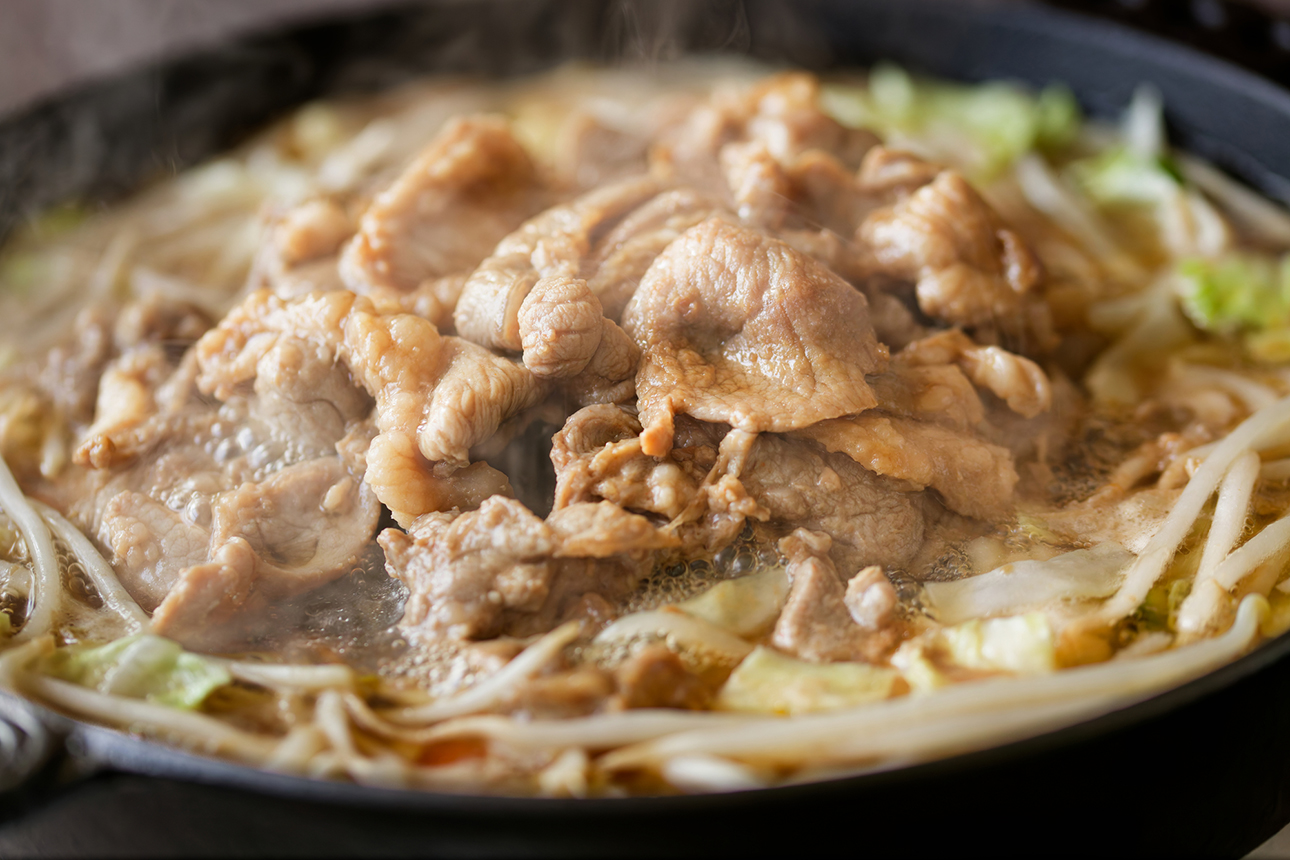
In contrast, Nayoro offers a soothing culinary experience that gently warms both the stomachs and hearts of visitors. Nayoro’s soul food, Nayoro Simmered Genghis Khan, differs from the typical grilled-meat style of Genghis Khan, the barbecued ram which is a Hokkaido speciality. Instead, the meat and sauce are placed in a deep pot or a Genghis Khan pot, which is an iron pot shaped like the helmets worn by Mongolian soldiers of old, and simmered together with plenty of vegetables, udon noodles, and mochi. Its homely, comforting flavour is perfect for a family dinner where everyone gathers around a single pot.
Tasty Nayoro Mochi Sweets
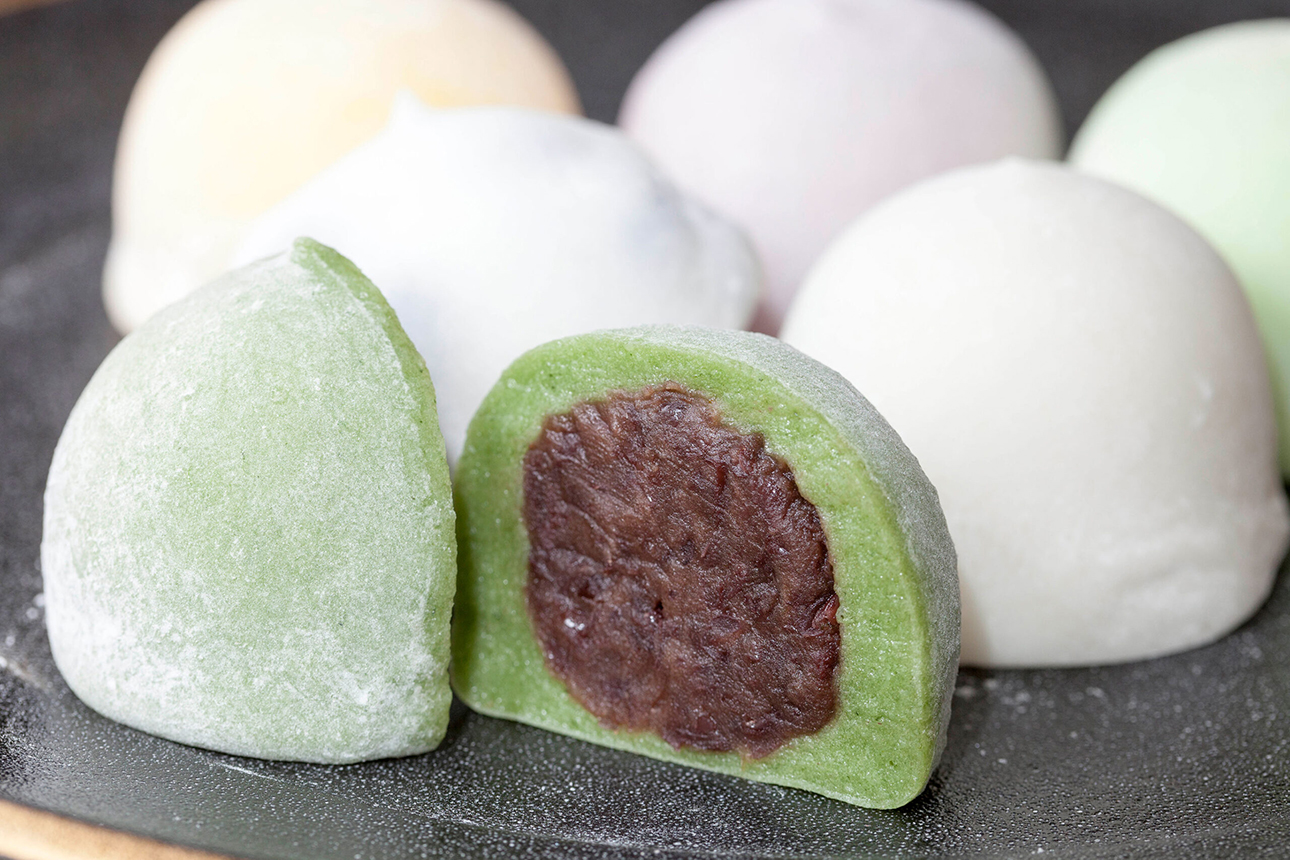
Also, don’t miss the sweets made with Nayoro’s glutinous rice. Traditional Japanese confections made from this glutinous rice—the highest quality in Japan—are surprisingly soft and have a fine texture. Daifuku filled with strawberries or sweet red bean paste wrapped in thin mochi make a perfect snack for travellers.
Private tours covering both these two cities in Northern Hokkaido
As mentioned above, public transportation in the Wakkanai and Nayoro areas runs infrequently, and simply checking connections and schedules can be quite a hassle. We offer private tours that combine Nayoro and Wakkanai. We customise the itinerary to suit your family size and length of stay. In contrast to the hectic, stamp-rally-style trips that rush through many towns, we guide you on a journey where you can take your time and savour each place to your heart’s content. Please feel free to contact us for more information.
4. Your Own Special Hokkaido, Woven from Two Distinct Aspects
A dynamic journey in Wakkanai, where the rough waves and winds of Japan’s northernmost point stimulate all five senses.
A serene journey in Nayoro, where you can experience mental and physical healing surrounded by deep forests, a star-filled sky, and the gentle beauty of sunflowers.
If you want to see vast grasslands and flower-filled landscapes, we recommend July and August; if you want to see sun pillars, diamond dust, and drift ice in the bitter cold, we recommend late January to February.
Instead of choosing just one of these two towns, visiting both will make their respective charms shine even brighter. Here, you can enjoy warm interactions with locals, authentic nature, and surprising culinary delights—experiences you’ll never find at tourist-packed spots in big cities.
For your next trip to Hokkaido, why not venture beyond the main tourist routes and embark on a journey to the northernmost tip of Japan? There, a special Hokkaido—one that the average tourist never sees—is waiting just for you.