There are countless places worth visiting in Hokkaido, but if we were to name a few of the most popular ones, they would include city sightseeing and dining in Sapporo and Otaru, the night views of Hakodate, and the majestic natural scenery of the Furano, Biei, and Asahikawa areas.
However, along the Pacific coast of eastern Hokkaido, there is a “real Hokkaido” that still retains its untouched character, far from the typical tourist routes.
Here, we’d like to introduce the Akkeshi-Kiritappu-Konbumori Quasi-National Park, where oysters, wetlands, and wildlife coexist in perfect harmony.
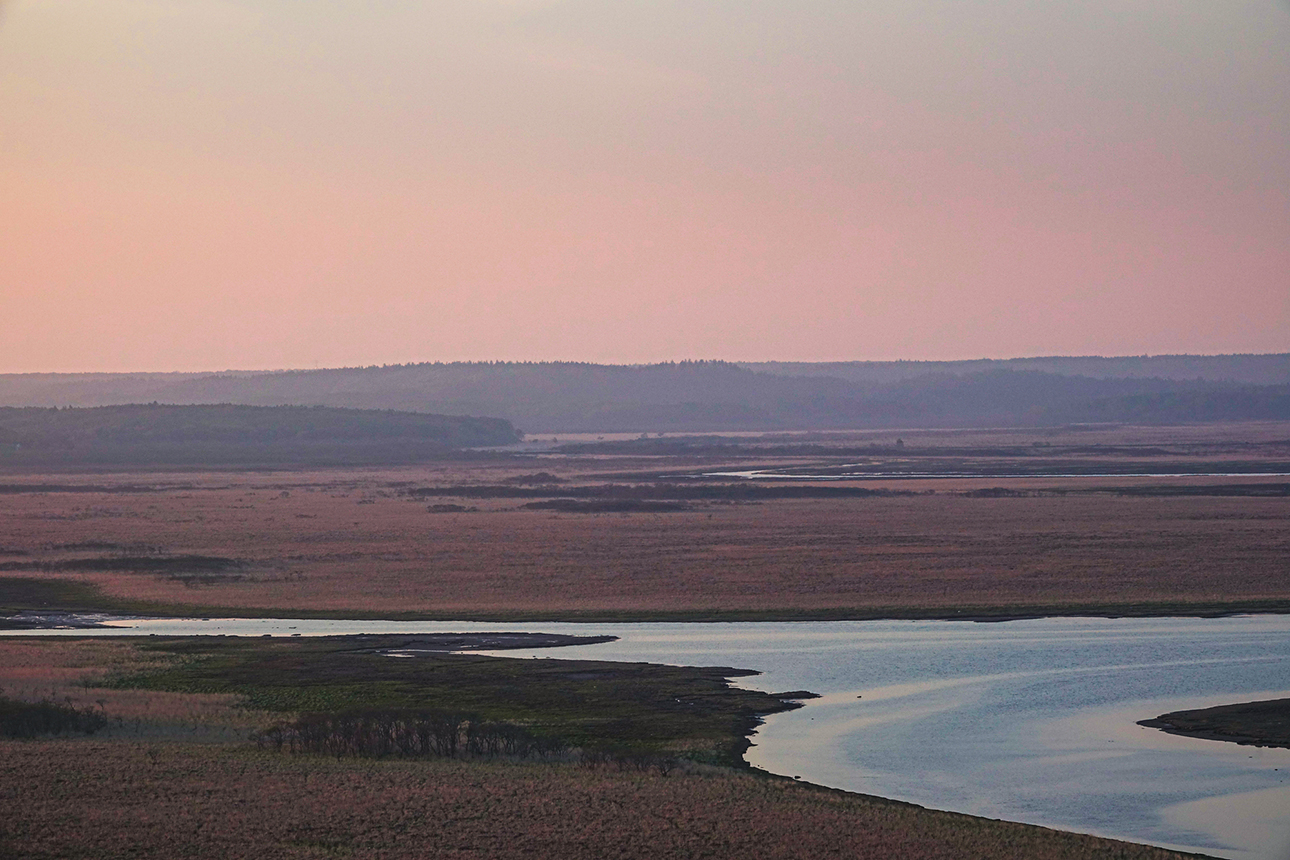
Located on the Pacific coast of eastern Hokkaido, it spans the towns of Akkeshi, Kushiro, Hamanaka, and Shibecha, forming a vast quasi-national park covering approximately 40,000 hectares.
This region also includes the Akkeshi-ko and Bekanbeushi-shitsugen, which is designated as a Wetland of International Importance under the Ramsar Convention, as well as the Kiritappu Wetland, formed by coastal erosion and the accumulation of sand dunes.
The landscape here is a harmonious blend of a rocky coastline featuring a succession of majestic, rugged sea cliffs; wetlands that rank among the largest in the country, along with the rare waterbird breeding grounds and wetland vegetation that thrive there; and a cultural landscape nurtured by the coexistence of people and nature.
At the forefront of sustainable tourism—where you can experience the value of the region’s rich natural environment while helping to preserve it—you’re sure to create unforgettable memories.
To make that happen, we—travel consultants who know Eastern Hokkaido inside out—would love to design a fully customised trip for you based on mutual discussions.
Akkeshi
The World Is Your Oyster!
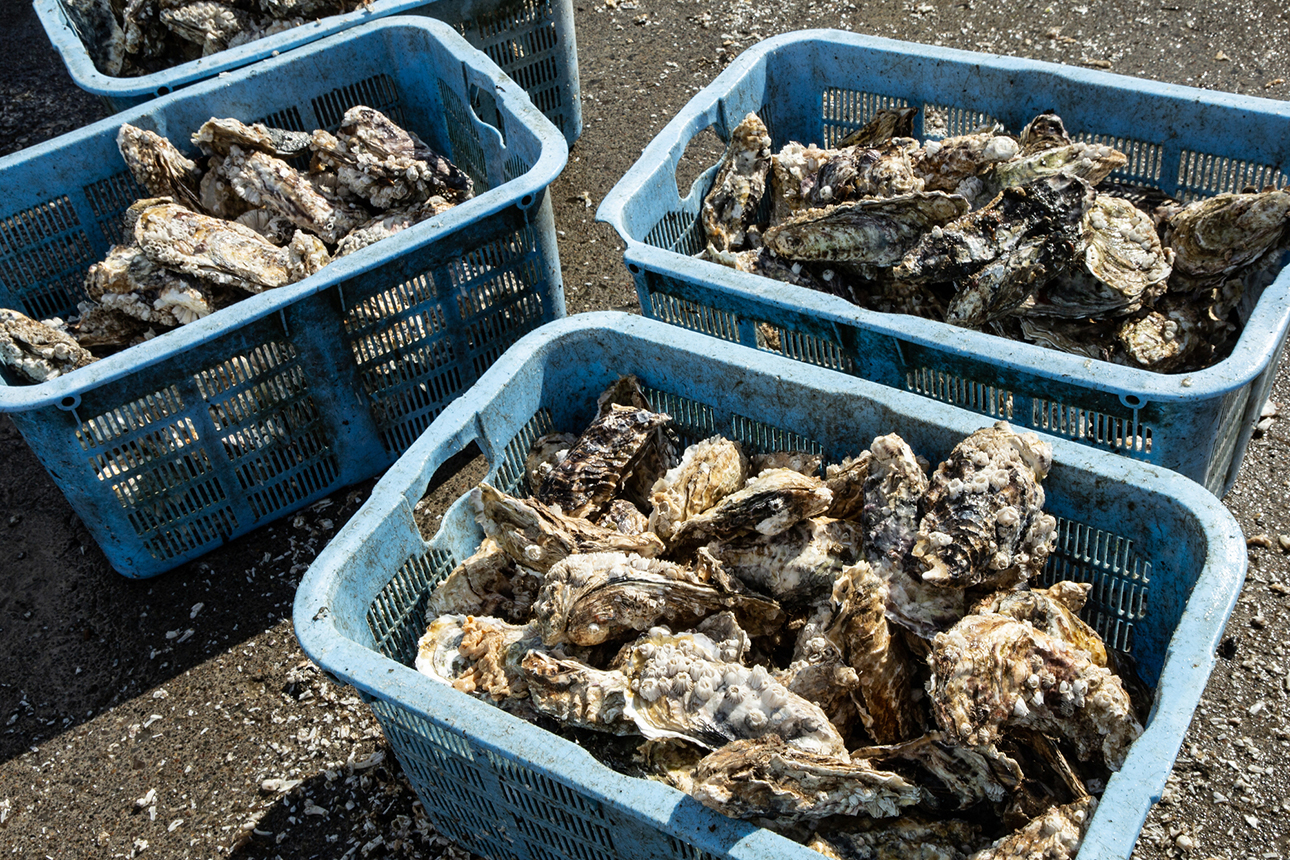
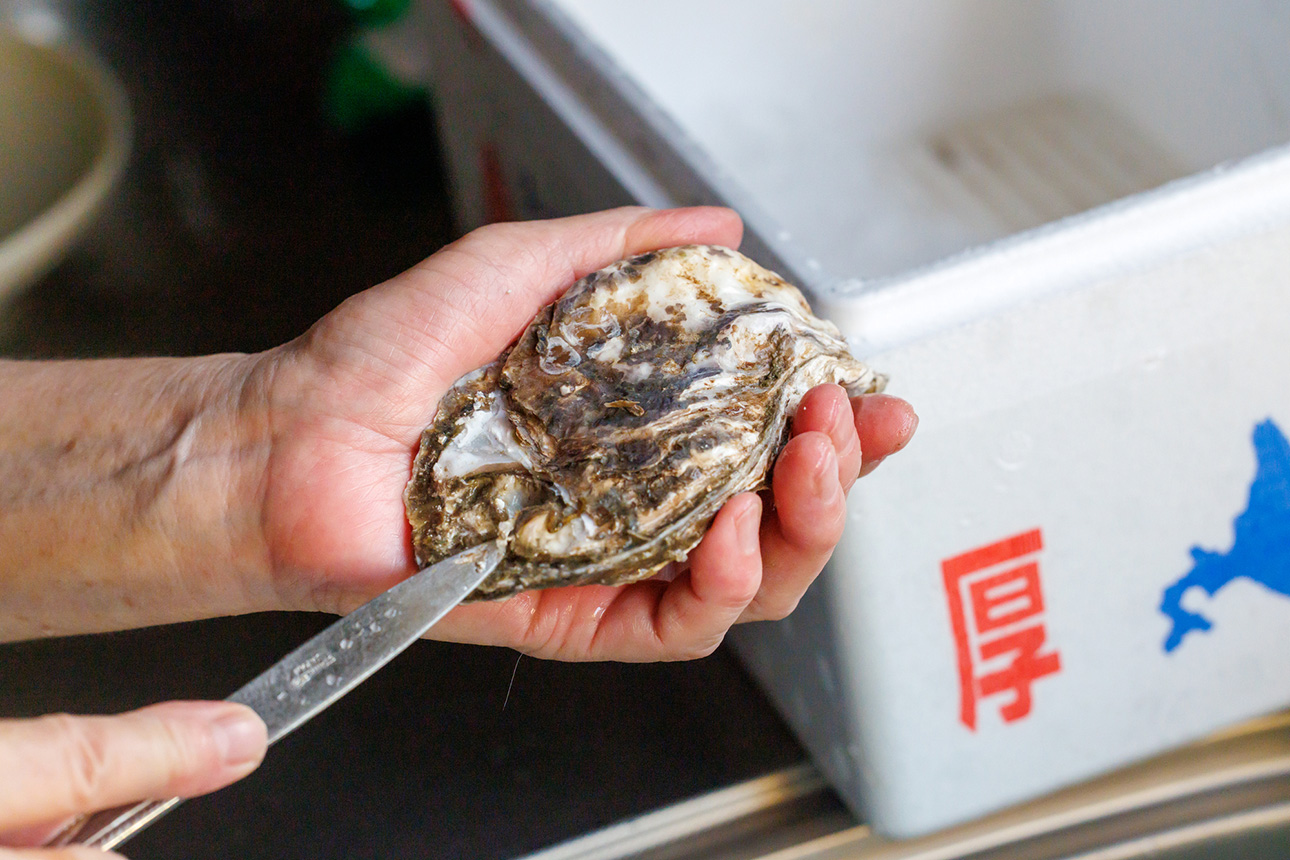
Akkeshi, whose name is said to derive from an Ainu word meaning “a place with many oysters,” is, as the name suggests, known as a major oyster-producing region.
Akkeshi oysters are highly regarded throughout Japan, and there is no doubt that they are a world-class brand. Back in the days when Hokkaido was known as Ezo, they were so highly prized that they were considered one of the three great delicacies of Ezo. The Akkeshi oyster is characterised by its plump, tender flesh and rich sweetness.
Lake Akkeshi is a brackish lake where the freshwater of the Bekanbeushi River—rich in nutrients from the mountains—mixes with seawater from the Pacific Ocean. Because the lake is rich in phytoplankton, the oysters grow by absorbing plenty of nutrients.
In Akkeshi, where water temperatures are low and remain relatively stable throughout the year, the oysters grow slowly while steadily accumulating nutrients. Because they endure harsh winters here, their flavour becomes concentrated, and their flesh grows plump and succulent.
By the way, the town of Akkeshi, which ships oysters year-round, is home to three major oyster brands, each with its own unique appeal. We highly recommend trying them all and comparing them for yourself!!
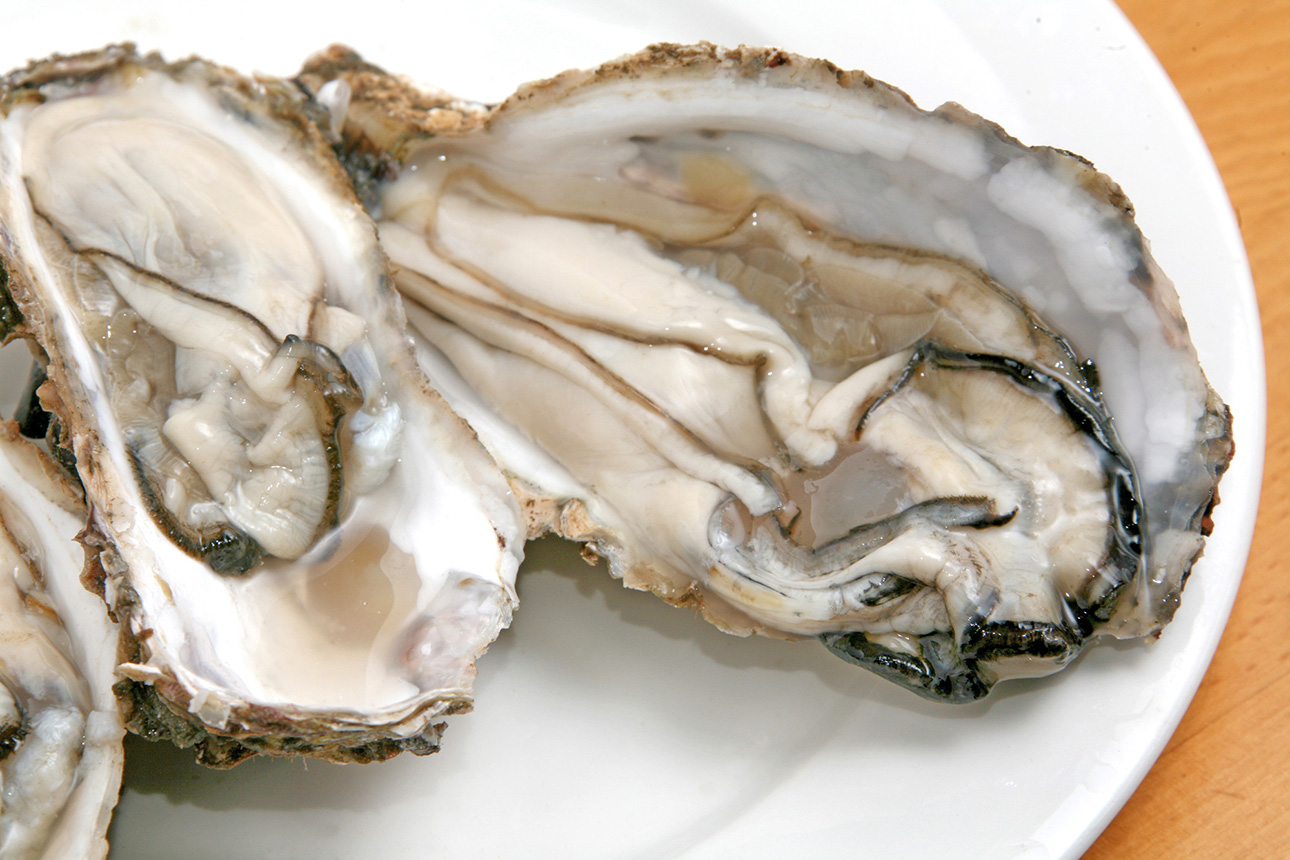
First up is Kakiemon, which boasts an exquisite, rich flavour and sweetness. Professionals carefully raise each juvenile oyster—produced using Japan’s first single-seed technology—by placing them individually into baskets in the sea. Though slightly smaller, they offer a wonderfully concentrated umami, with deep, rounded shells shaped by basket cultivation.
Next up is Maruemon, which tastes absolutely delicious no matter how you cook it. These oysters begin as juvenile oysters from the Sanriku region on the Pacific coast of northern Honshu (the Japanese mainland), another prime oyster-farming area, and are carefully nurtured in the waters off Akkeshi through the dedicated efforts, ingenuity, and meticulous care of local fishermen. Maruemon is characterised by a milder, more rounded ocean flavour and a plumper, meaty texture compared to standard oysters. It is delicious whether eaten raw, grilled, or fried.
And finally, let me introduce you to Benten Kaki. These oysters are first attached in large numbers to scallop shells in Akkeshi and raised there for about a year. They are then removed from those shells and transferred to baskets, where they are raised for another one to three years while swaying with the ocean currents. Because they are born and raised in the cold waters of Akkeshi, they are characterised by their rich flavour and firm, plump texture.
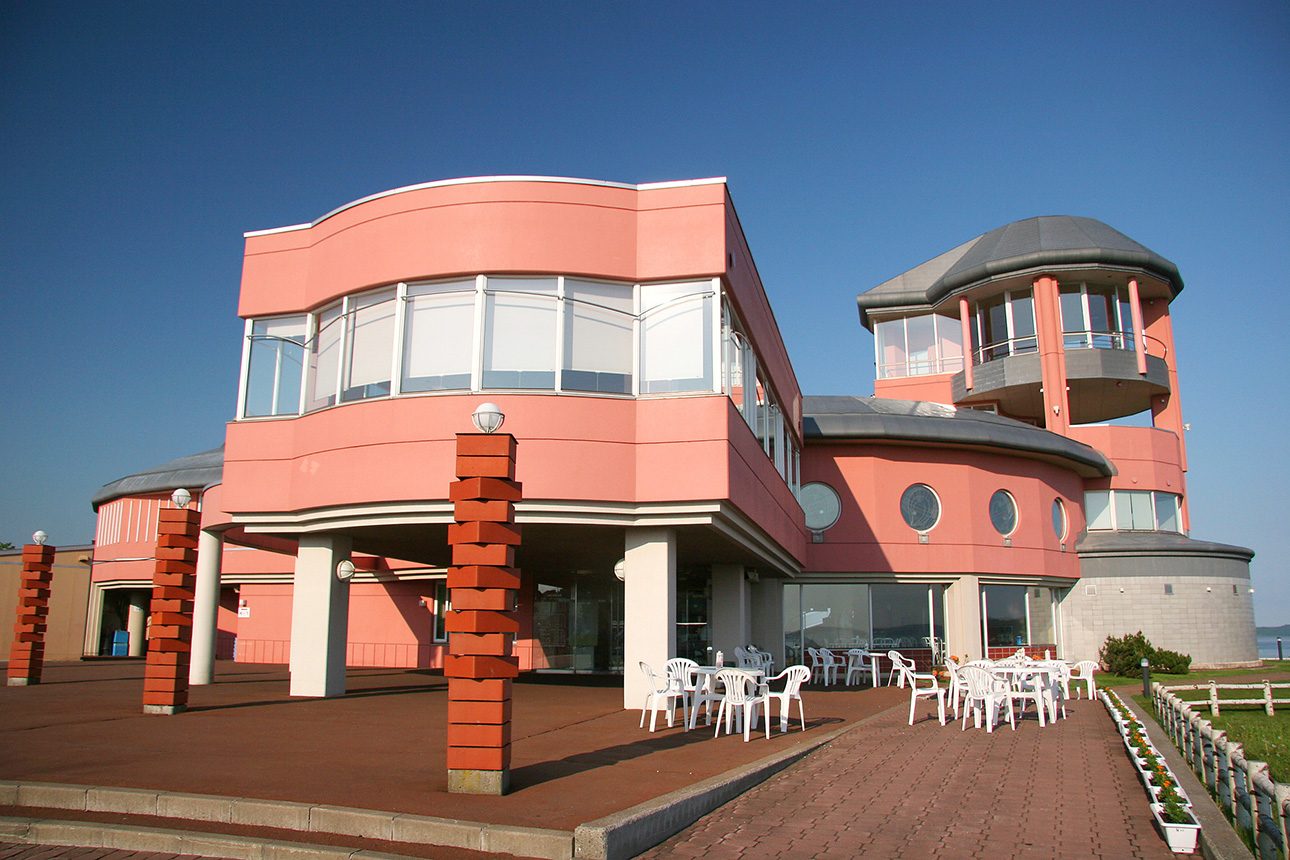
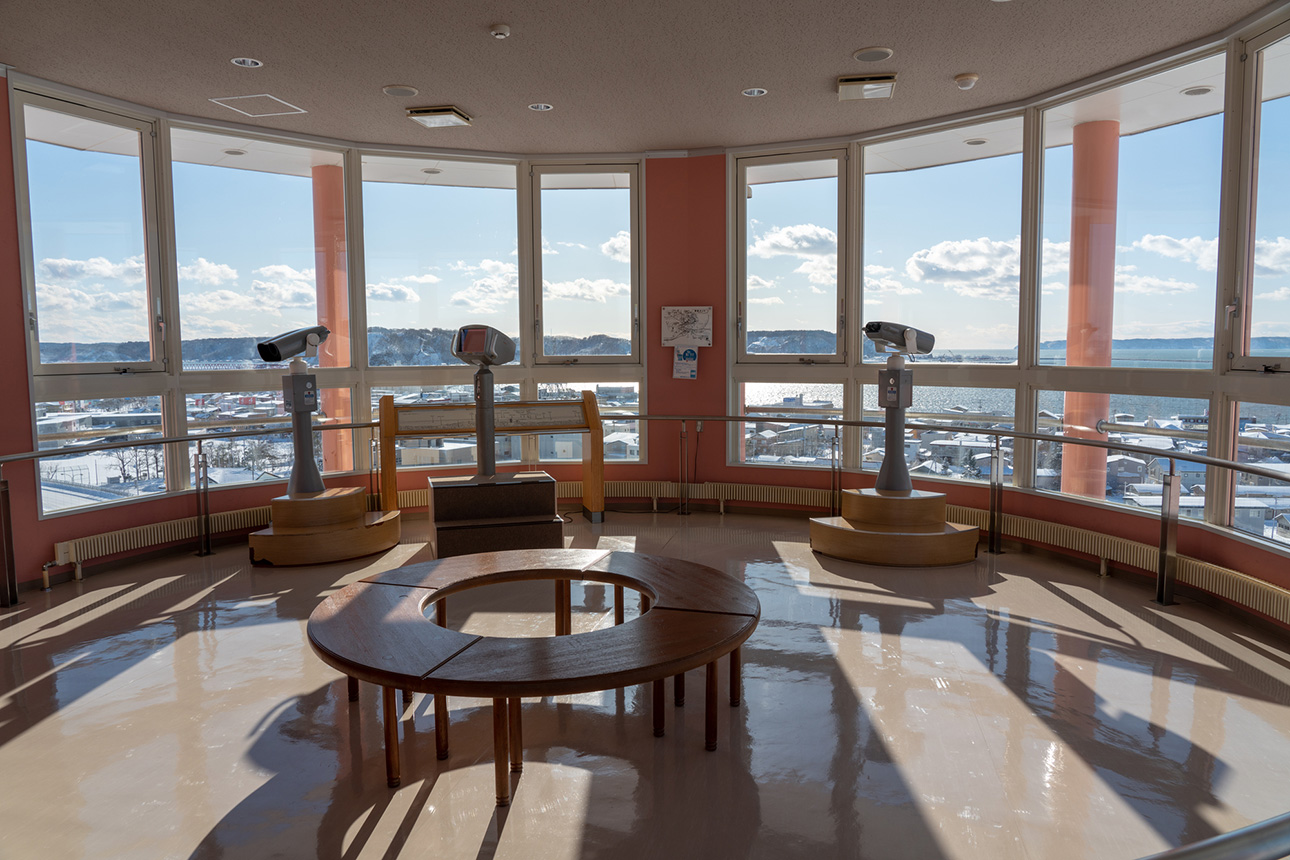
If you’re looking for a convenient way to enjoy these delicious oysters, the Akkeshi Taste Terminal Conchiglie is definitely worth considering. Registered as a roadside station, it features a restaurant and a charcoal-grilling area where you can savour Akkeshi’s local specialties, with oysters taking centre stage.
If you visit during the cherry blossom season, we also recommend enjoying oysters under the blossoms at the Akkeshi Cherry Blossom and Oyster Festival. The venue, Nenohi Park, is a famous spot where approximately 1,200 cherry trees bloom, including Ezo mountain cherries.
A Further Guide to Eating Oysters
It is generally said that oysters cannot be eaten raw when water temperatures rise, but the oysters from Akkeshi, where the water remains cold, can be enjoyed raw all year round.
There are many ways to enjoy these oysters. Of course, you can have them raw, grilled, steamed, or fried—needless to say—but you can also enjoy them in dishes like oyster rice and oyster curry, among many other options.
One way we particularly recommend is drizzling a few drops of whisky over raw oysters. The smoky aroma of the whisky and the briny flavour of the oysters blend together instantly on your palate, and the umami of the oysters really comes through.
Akkeshi Whisky: The Islay of Japan
Some of you might be wondering, “Wait, why whisky here?” The reason why Akkeshi is now synonymous with whisky is that its proximity to the sea and wetlands, combined with a humid, cool climate that is prone to fog, creates the perfect environment to age whisky.
The environment in Akkeshi bears a striking resemblance to Islay, an island renowned even in Scotland itself as the “holy place of Scotch.” Furthermore, like Islay, Akkeshi is rich in peat—used to dry the malt—and the water that seeps through the peat layers can be used as mash water.

Japanese whisky has been gaining international recognition as brands such as Suntory and Nikka continue to win awards at international competitions.
The number of distilleries in Japan has also increased rapidly over the past decade, now exceeding 120 nationwide. Hokkaido has the highest number of whisky distilleries of any prefecture in Japan—more than ten already in operation and several more on the way—and most of them have opened since 2021.
Among these distilleries, the Akkeshi Distillery, which began production in 2016, is attracting particular attention. It was founded in the belief that Akkeshi’s unique climate with its thick sea fogs, crisp air, abundant peat, and salty sea breezes would create the distinctive flavour of the Japanese whisky they sought.
At the TWSC 2026, one of Asia’s largest spirits competitions, the distillery’s single malt whisky “Karimpani” won the prestigious Superior Gold award.
The marriage of Akkeshi’s finest oysters and finest whisky brings out the oysters’ rich, briny aroma and crisp, clean finish, which harmonise perfectly with the peaty notes and aged aromas of Akkeshi whisky. This combination creates a truly unforgettable taste experience that will linger in your memory long after your first bite.
Lake Akkeshi and the Bekanbeushi Wetland: A Cradle of Life
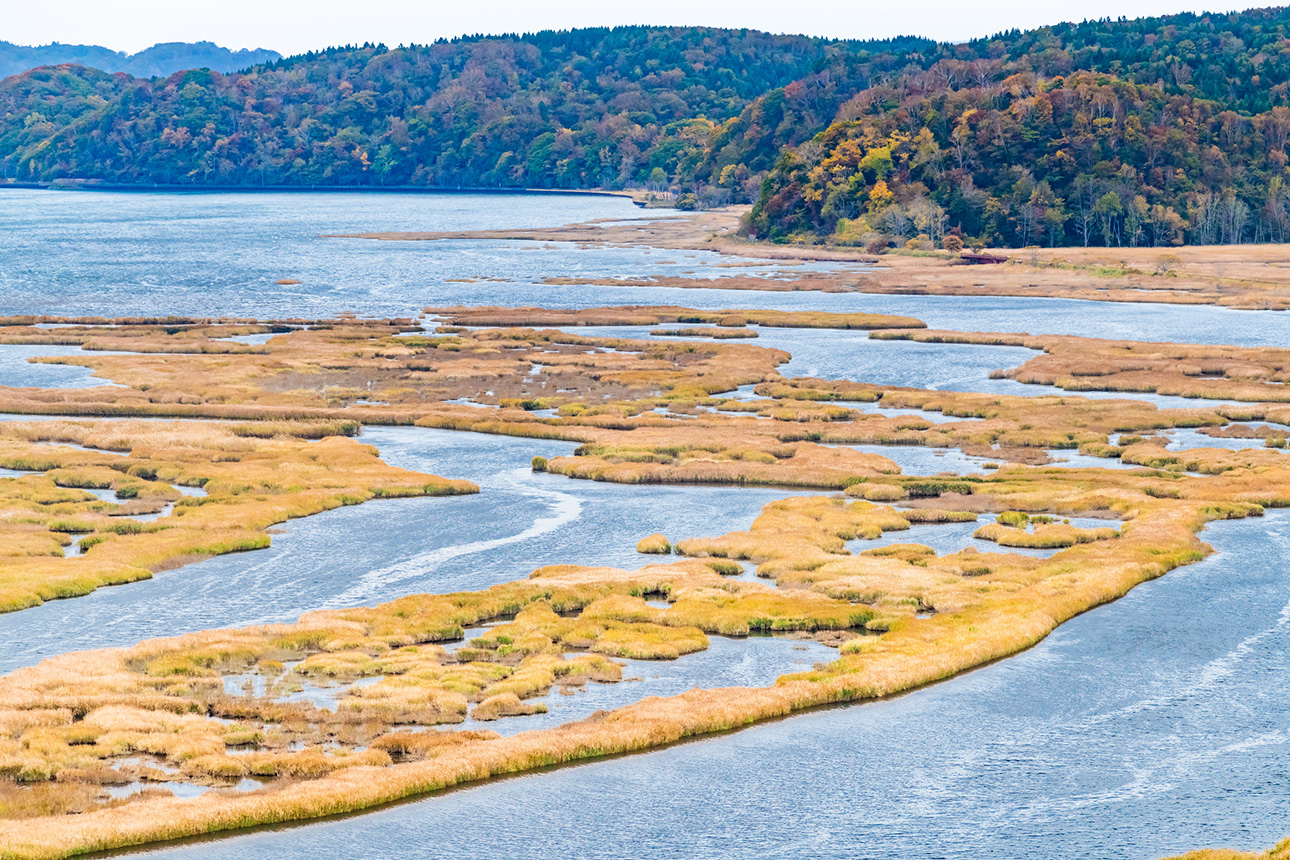
This wetland was designated as a Ramsar Site in 1993 and has rapidly attracted a lot of attention since then. While it is a typical example of a low moor, a high moor has recently been identified in the middle reaches of the Bekanbeushi River.
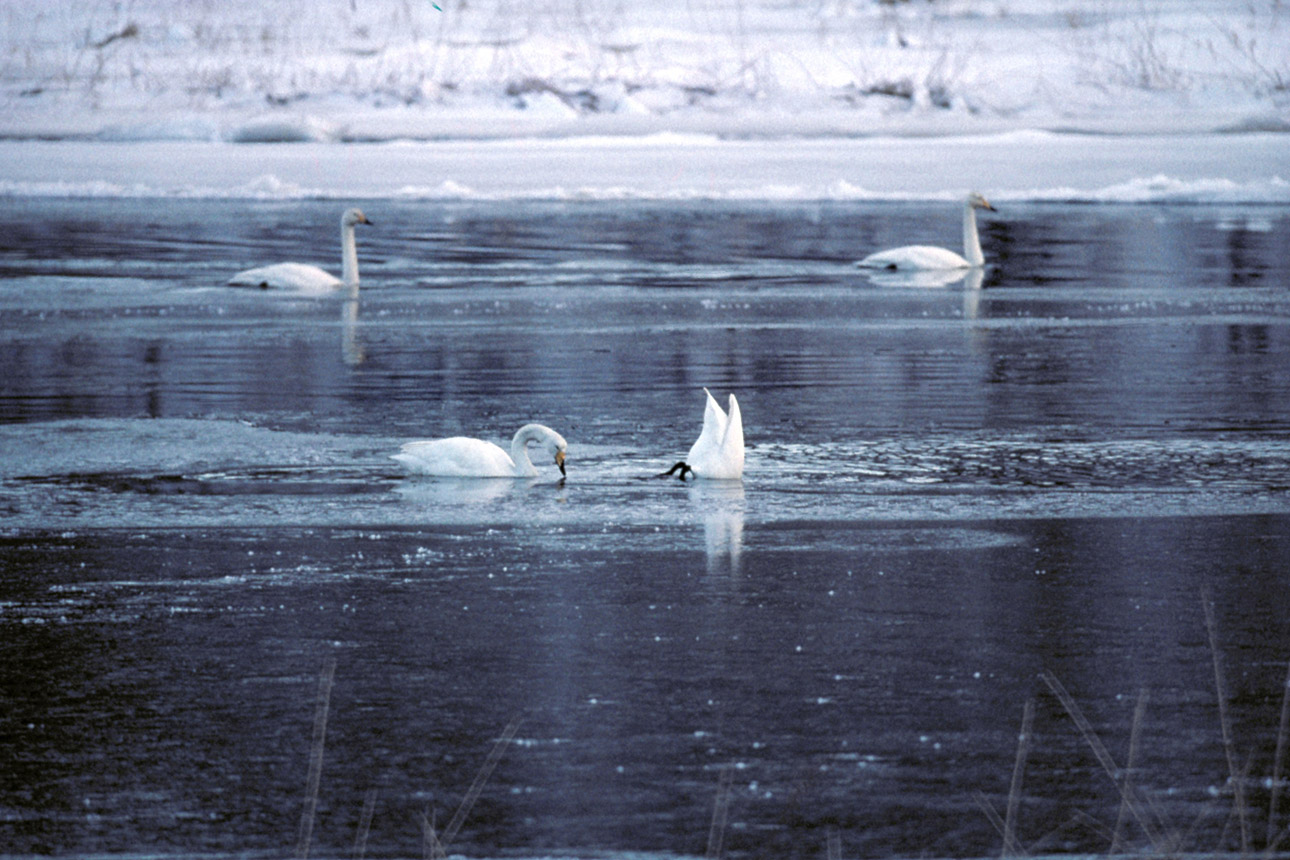
The wetland, often referred to as a cradle of life, transforms completely with each passing season, revealing a mystical and ever-changing visage with every visit.
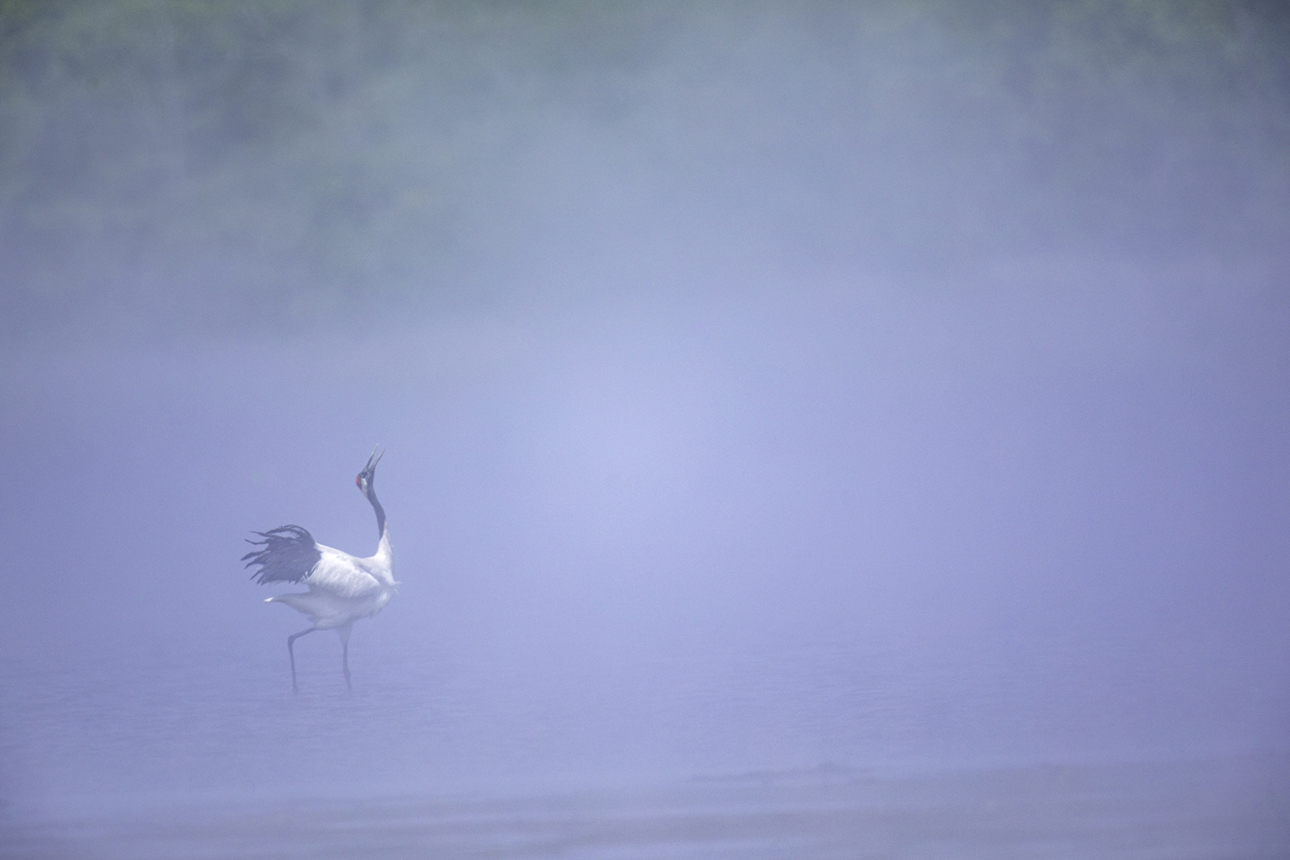
This area is home to a breeding population of red-crowned cranes, one of the largest in the country. Furthermore, since Lake Akkeshi does not freeze over completely even in winter, it has become one of the largest wintering grounds for whooper swans in Japan. It is also a wintering ground for large numbers of Steller’s sea eagles and white-tailed sea eagles.
If you want to fully immerse yourself in the unspoiled natural beauty of the Bekanbeushi Wetland, a canoe gliding quietly across the water is the best way to do so.
The moment your canoe enters the wetland, a place otherwise off-limits to humans, you find yourself in a paradise teeming with life. The sense of proximity and silence, where you can almost hear the breath of wild animals and the flapping of wild birds’ wings, is truly indescribable.
Video: Canoe touring on the Bekanbeushi River — courtesy of Akkeshi Taste Terminal Conchiglie
In addition, the Akkeshi Waterfowl Observation Center located there conducts activities designed to deepen visitors’ understanding of the conservation of wildlife, including waterfowl and wetlands, as well as the wise use of marshlands, and carries out research, surveys, and monitoring.
The first floor features exhibition rooms and lecture halls where visitors can learn about the wetland ecosystem through photographs, informational panels, and 3D models. The second floor serves as an observation area, offering views of the majestic wetland landscape near the mouth of the Bekanbeushi River and providing opportunities to observe numerous migratory birds.
How to Enjoy Akkeshi Based on Your Travel Style
If you’re travelling to Akkeshi with a three-generation family, birdwatching at the Bekanbeushi Wetland and around Lake Akkeshi is the perfect activity. With well-maintained walking paths, everyone from young children to seniors can comfortably observe rare birds, such as red-crowned cranes, up close.
Looking for a romantic way to enjoy Akkeshi as a couple? Why not try a sunset canoe tour? A canoe tour in Akkeshi is the perfect way for couples to spend some special time together. The sunset tour is particularly popular as a romantic date idea, as it allows you to quietly enjoy the view of the Bekanbeushi Wetland as it turns a deep crimson hue.
Of course, you can fully enjoy Akkeshi even when travelling alone. In addition to birdwatching, spending time wandering freely through nature on your own is the perfect way to recharge after a busy day. And why not indulge in as many of the famous Akkeshi oysters as you like?
While you can eat oysters anywhere in the world, the fact that the lake right before your eyes is where this rich, savoury flavour was cultivated, and that you can truly appreciate this taste along with the scenery, is an amazing experience unique to Akkeshi.
Hamanaka
The Kingdom of Fog
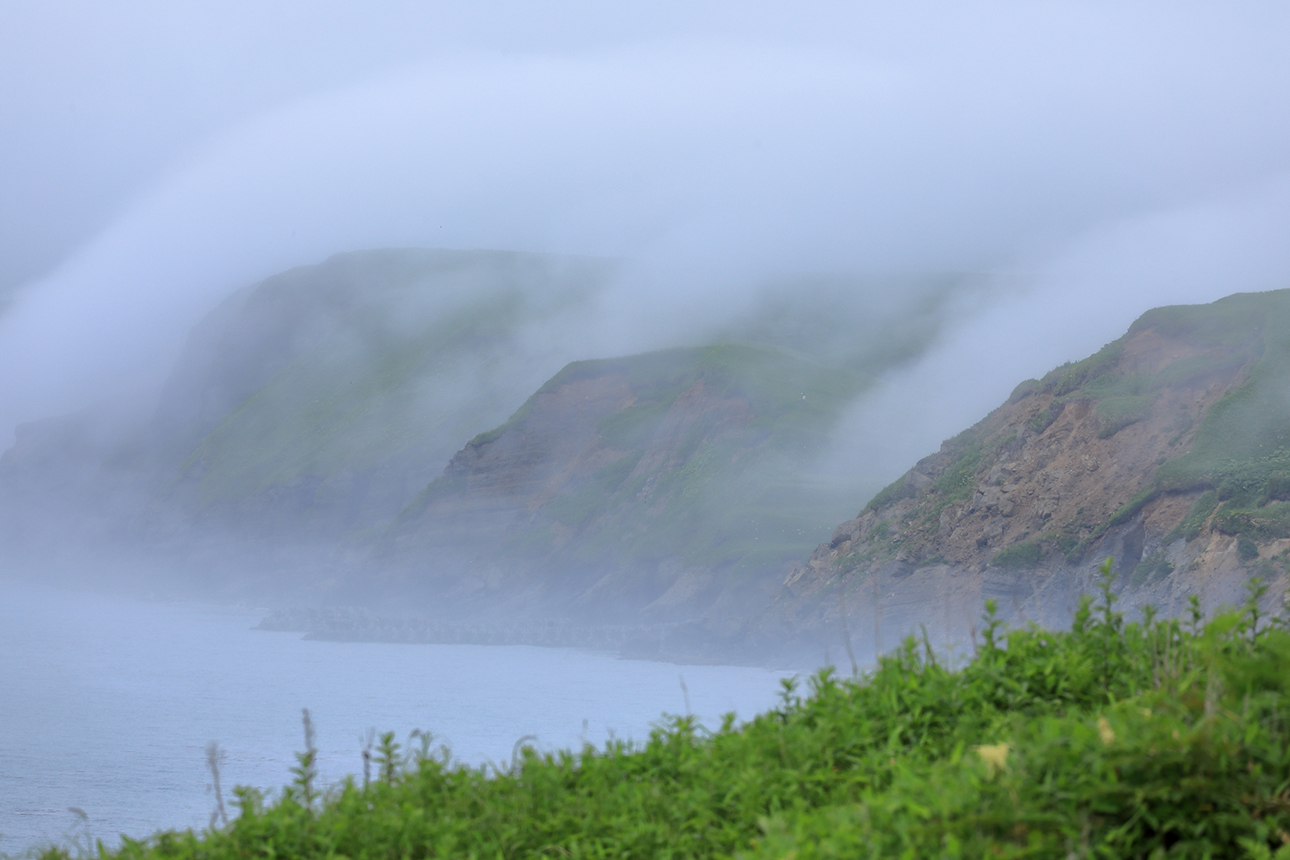
Don’t wander aimlessly through the haze, wondering what’s happening in the Kingdom of Fog.
Fog is said to occur on roughly 100 days a year in Hamanaka—at Cape Kiritappu, locals reckon the skies clear only about one day in three. On particularly foggy days, visibility drops to zero, and everything is shrouded in a thick white haze. This is a sea fog, caused by the collision of the cold current flowing offshore and the warm air from the land. The fog rushes in from the sea at breakneck speed, enveloping the entire town in a magical haze.
Hamanaka is renowned for its majestic and picturesque natural scenery, including the Kiritappu Wetland—one of the largest of its kind in Japan—and Cape Kiritappu, home to wild sea otters.
Eat the Story: The Tastes of Hamanaka
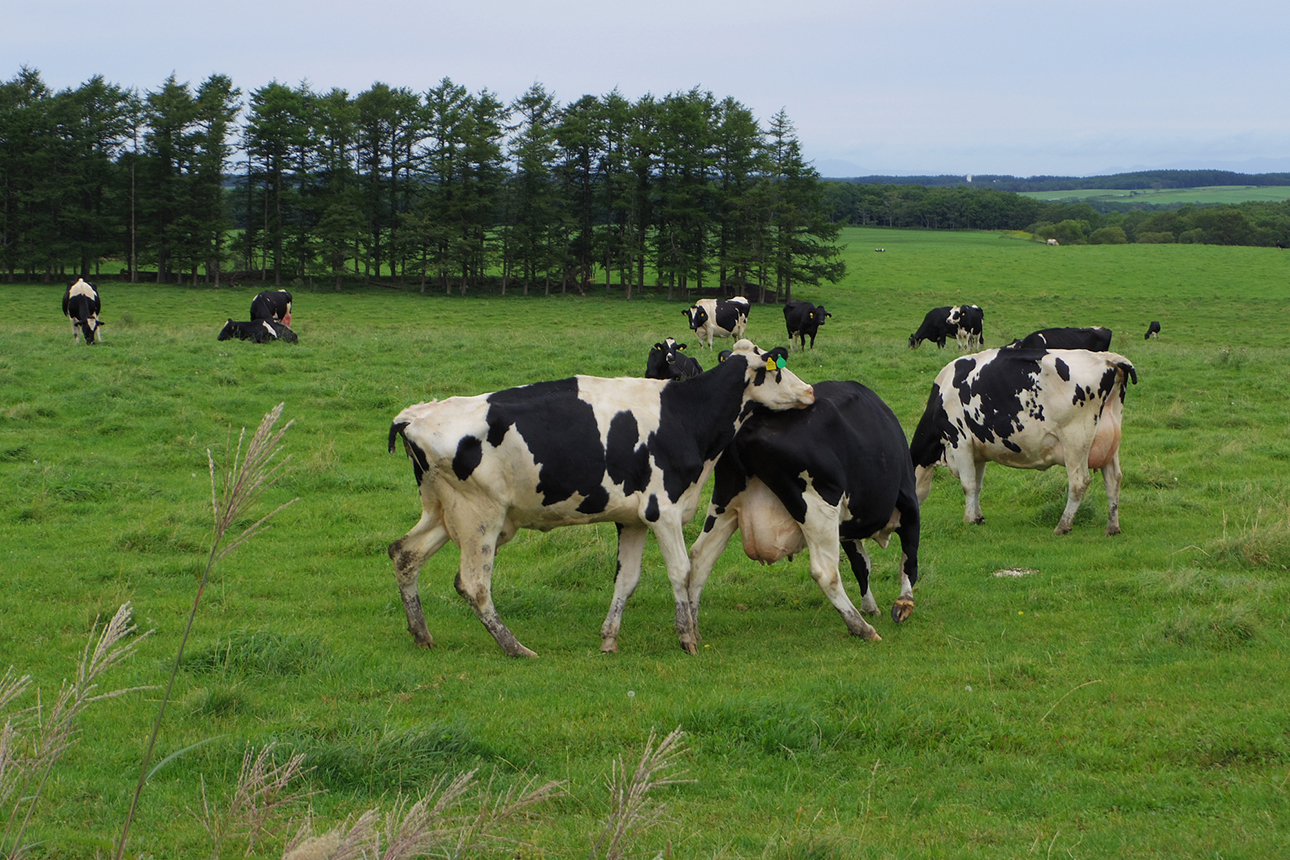
Hamanaka is also a town where visitors can savour rich and flavourful culinary delights in each season, such as konbu (kelp), sea urchin, high-quality dairy products, and Hamanaka whey pork.
What we’d like to highlight here is the fresh, high-quality milk produced in this region. The cows’ stress-free, ideal environment is what gives rise to the rich flavour of the milk. Häagen-Dazs, renowned for its ice cream, uses milk from the Konsen region—centred on Hamanaka—as a prized ingredient that contributes to the distinctive richness of its ice cream.
Encounters with Wild Animals
Hamanaka is home to numerous wild animals that are rare even on a national scale, and their protection is strictly enforced, not only by the town but also by the national government and Hokkaido.
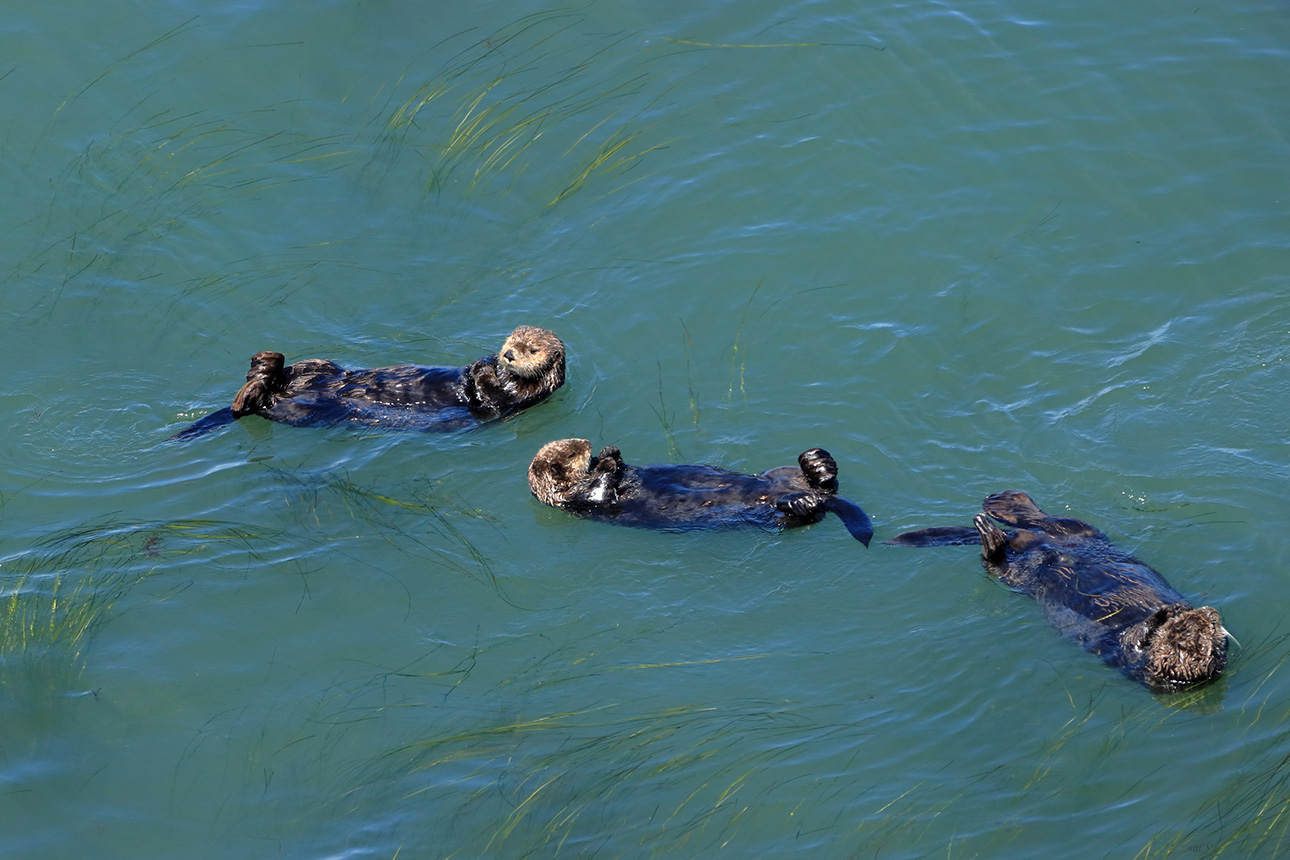
First up is the sea otter, which has been attracting attention in recent years for its adorable antics. Sea otters are listed as an endangered species by the IUCN (International Union for Conservation of Nature), and there are only a limited number of places in Japan where they can be seen in the wild.
One of the few areas in Japan where wild sea otters have been confirmed to inhabit and breed is Kiritappu in Hamanaka. Reports of sightings around Cape Kiritappu began to increase around 2016, and the presence of multiple individuals has now been confirmed. However, since Cape Kiritappu is located at an elevation of 40 to 60 metres above sea level, it can be difficult to spot sea otters with the naked eye, and it is not possible to observe details such as their facial expressions or movements. We recommend bringing binoculars or a camera with a telephoto lens.
In addition, from around June through August, fog often rolls in along the coast, and it’s not uncommon for the sea to be completely obscured from the cape. If you plan to visit in the summer, we recommend going early in the morning or at other times when fog is less likely to form.
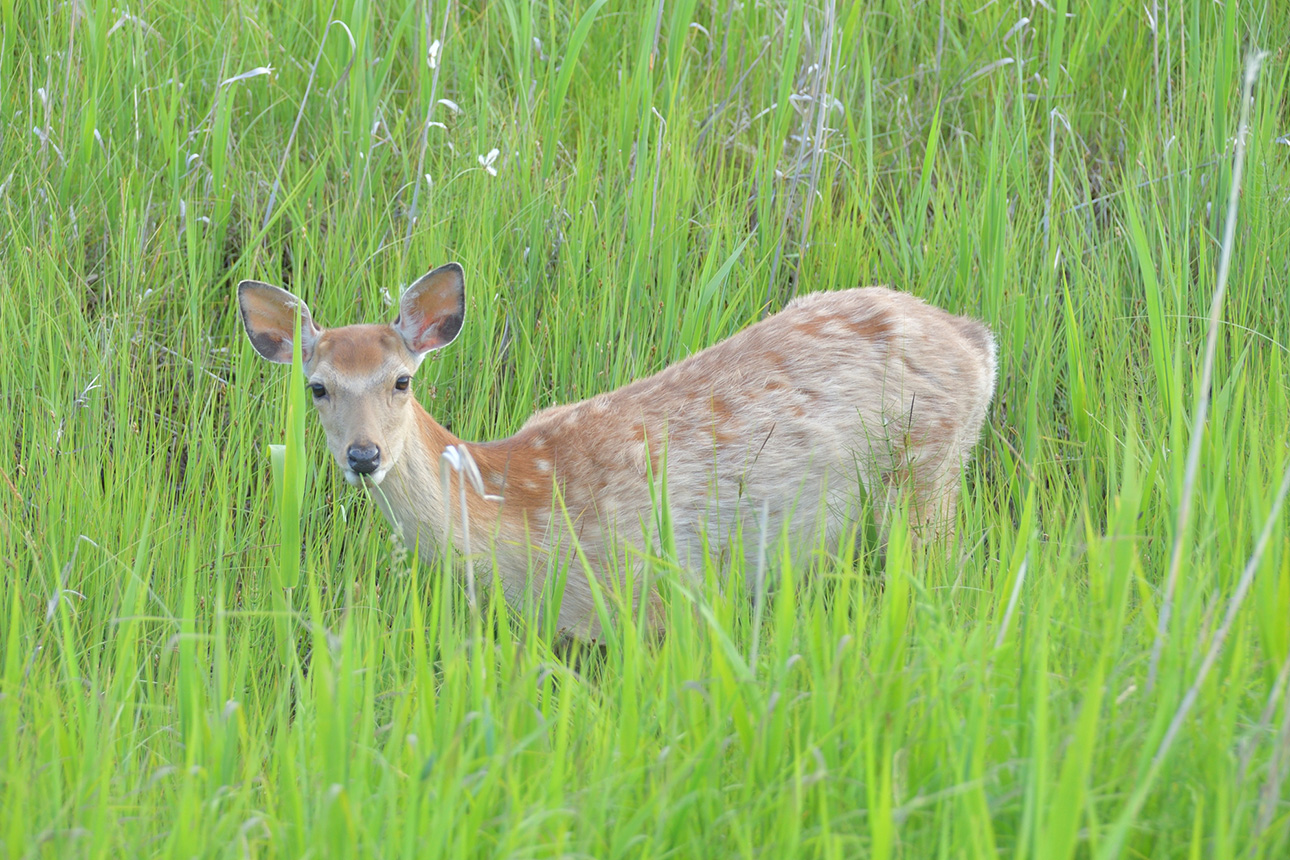
What’s more, this is a special place where Ezo deer gather in herds and a majestic coastline stretches out before you, making it feel as if time has come to a standstill. A dramatic encounter with an Ezo deer is a breathtaking experience unique to Hokkaido’s vast wilderness. In the silence of those expansive wetlands, the moment your eyes meet those of a wild animal up close is truly a moving experience that will leave you speechless.
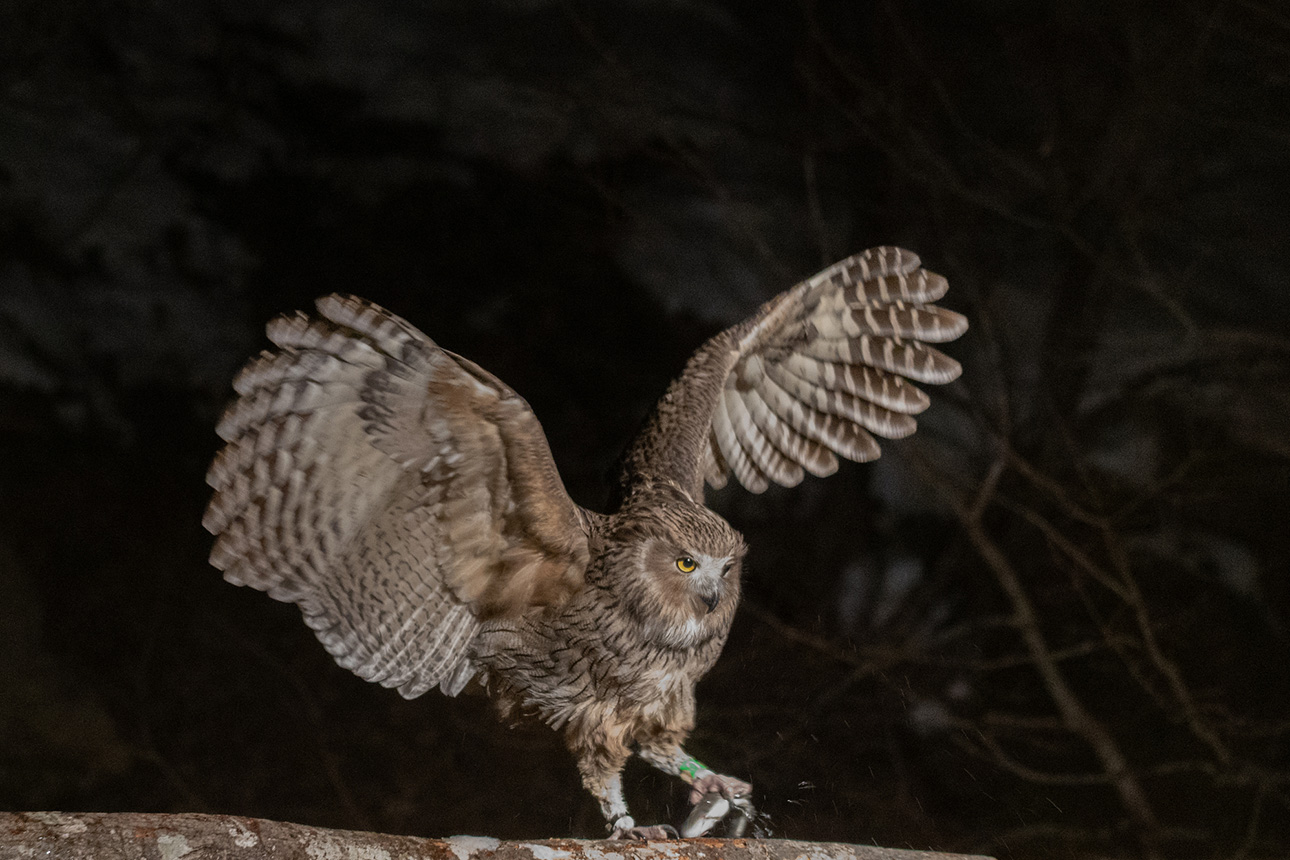
Speaking of birds in Hokkaido, we simply cannot fail to mention the Blakiston’s fish owl. Found throughout the Far East, this species is primarily seen in eastern Hokkaido. While they were once found throughout the prefecture, the felling of the large trees they used for nesting and modifications made to the rivers have led to a decline in the fish that are their prey. Numbers once fell to around 70 birds in the 1970s, but decades of conservation efforts have helped the population recover to around 200 birds—more than 100 breeding pairs—although they still live only in limited areas. In Hamanaka, an NPO is working to promote coexistence with the Blakiston’s fish owl in order to preserve its habitat, and conservation efforts are being carried out through a joint public-private partnership.
The Kiritappu Wetland in Hamanaka features a variety of wetland types with distinct vegetation and topography, making it an ideal place for birdwatching. Here, you can observe a lot of birds in their natural habitat, including red-crowned cranes raising their young, Latham’s snipes marking their territories, and seagulls perched on the cape.
Experiences in the Wetland
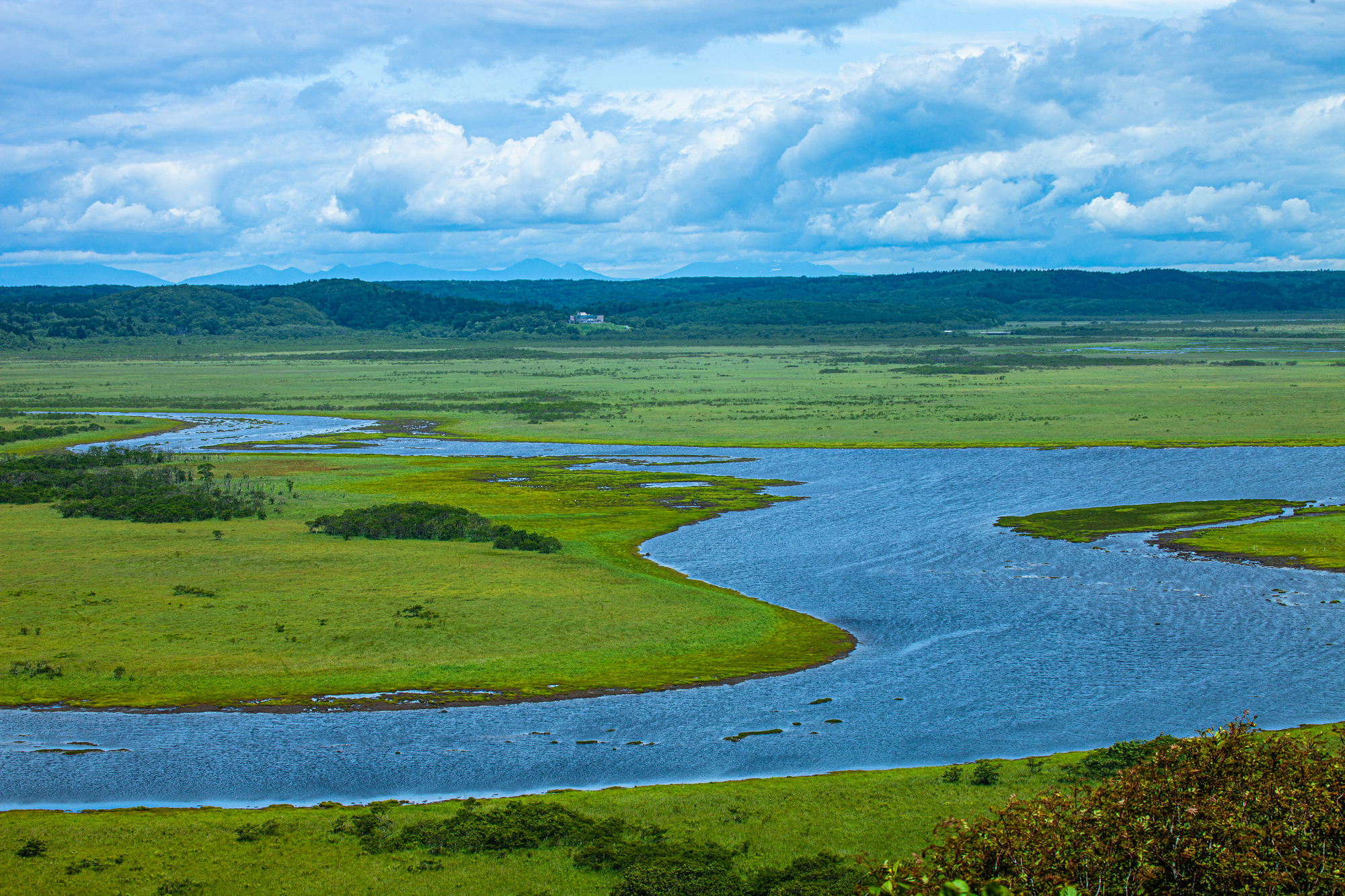
For a view of the ocean from the marsh side, head to the Kiritappu Wetland Center. If you’d like to see the wetland and townscape with the Pacific Ocean behind you, we recommend the Biwase Observation Deck. The meandering river and wetland stretching out before you, along with the distant view of the town nestled alongside them, allow you to truly feel the harmony between the wetland and the natural world.
The wetland features well-maintained boardwalks that are easy to walk on, and there are four main walking trails designed to suit various interests, ensuring that even beginners can enjoy the experience. If you join a guided trekking tour, you can safely and fully immerse yourself in the untouched natural surroundings while observing seasonal alpine plants and a variety of wild birds, all with commentary from a dedicated nature guide.
You can also enjoy a variety of activities, such as canoeing on the gently flowing Biwase River in the Kiritappu Wetland. If you’re lucky, you might spot wild birds like red-crowned cranes and white tailed sea eagles, as well as animals such as Ezo deer and foxes.
Ways to Enjoy Educational Travel with Your Kids
Hamanaka is promoting community development through ecotourism to share the richness and value of the Kiritappu Wetland with as many people as possible. Why not try participating in a rubber boot trek, where you walk through the marsh wearing rubber boots?
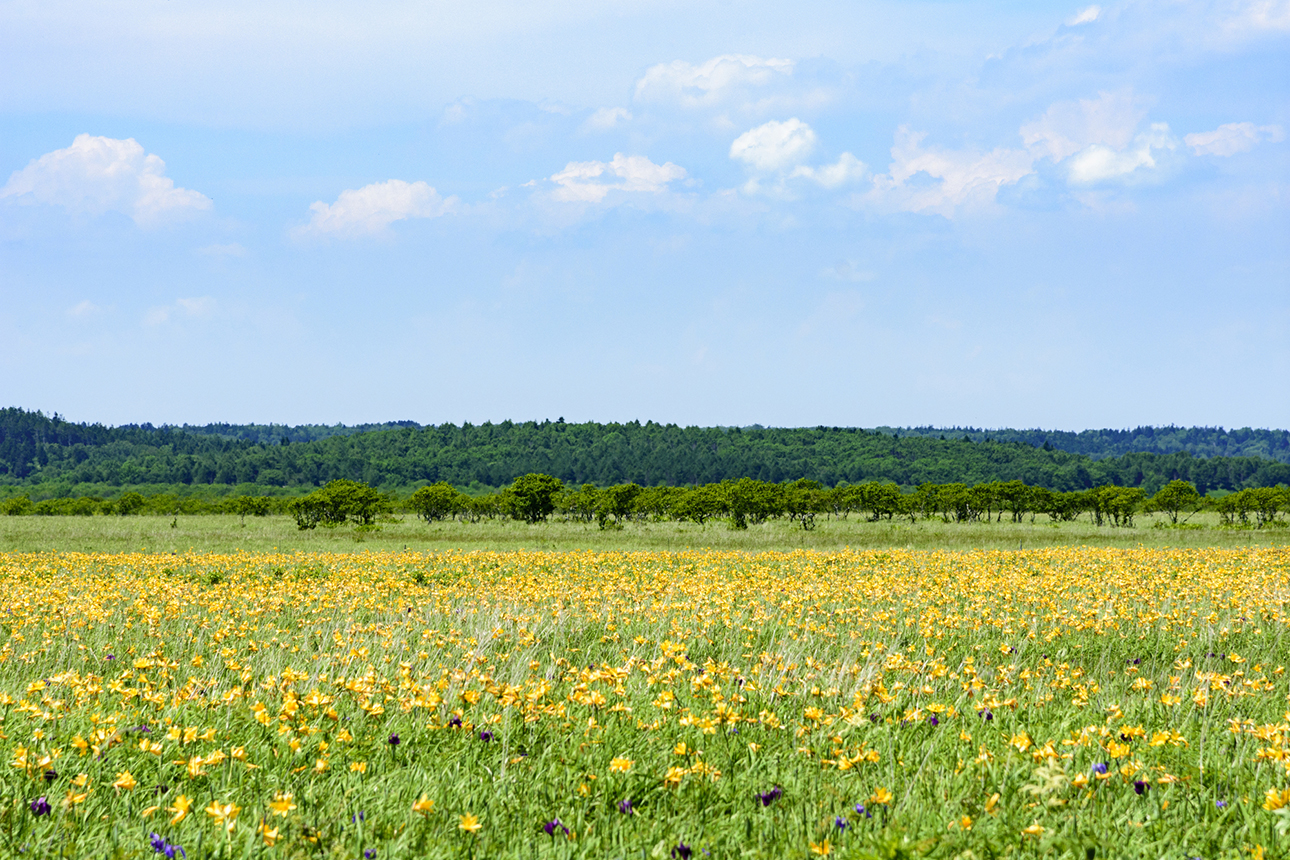
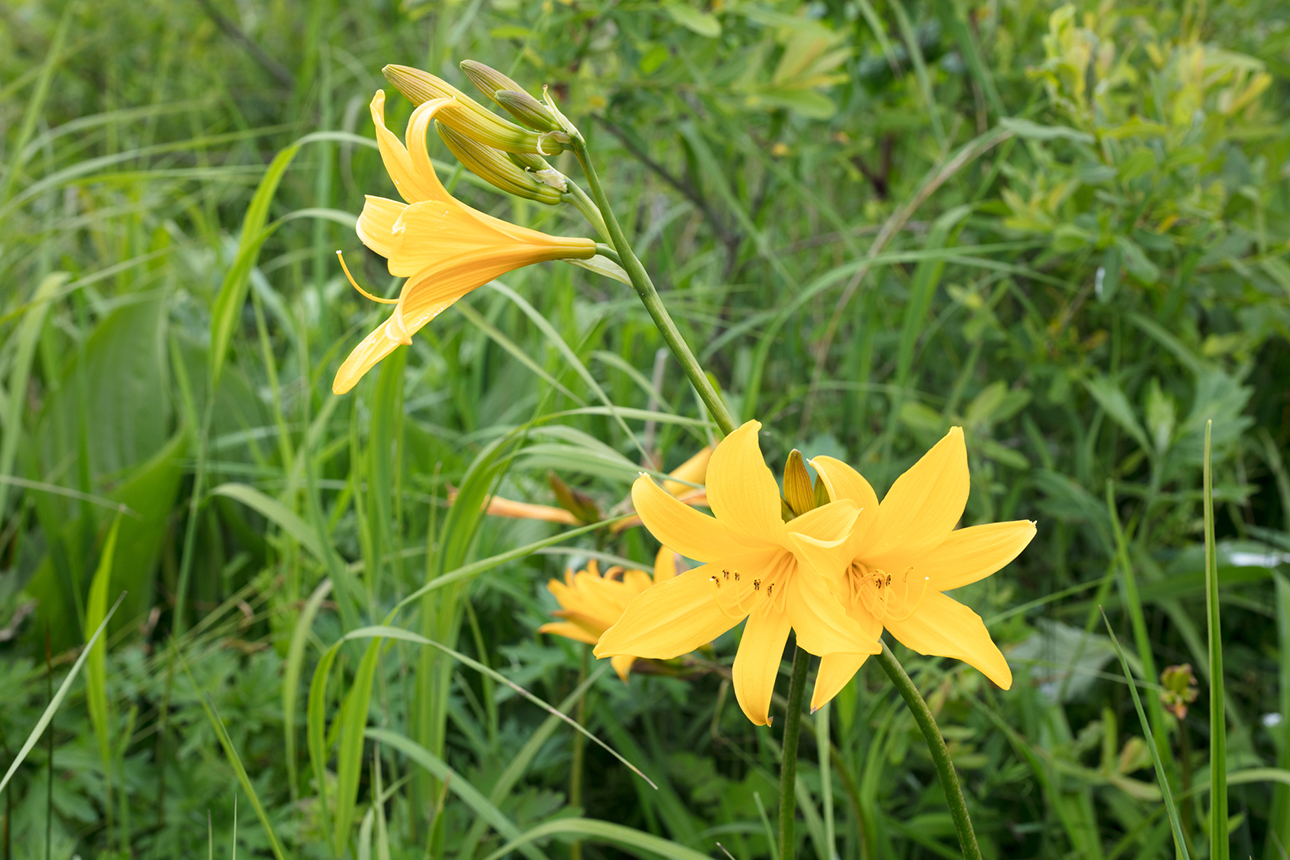
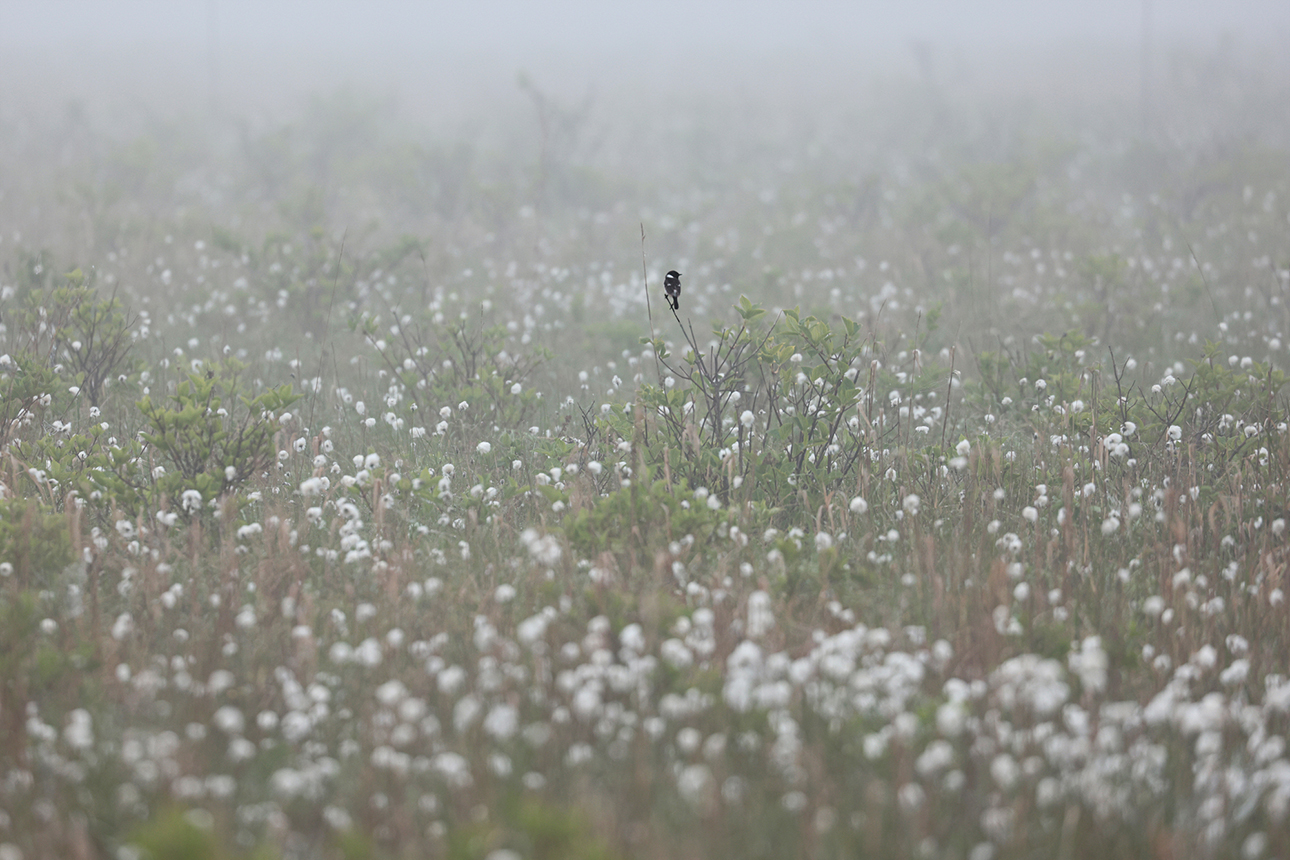
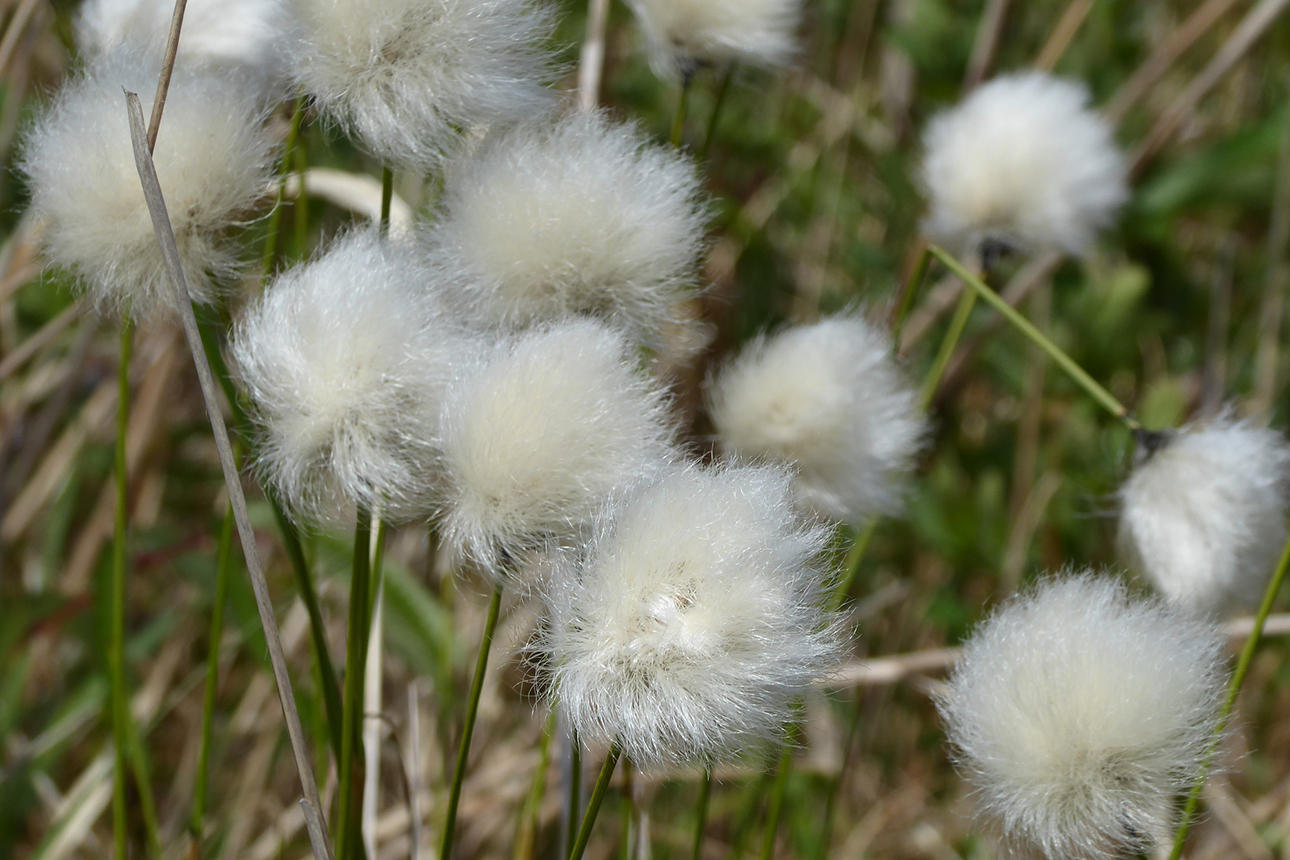
At the Kiritappu Wetland, registered under the Ramsar Convention, you can experience the rich natural environment of Hamanaka, including the scenic summer blooms and the way of life sustained by this environment, and gain a firsthand understanding of the marsh’s richness and value.
You might also stop by the Kiritappu Wetland Center to learn about the history of the wetland, the importance of wetlands in general, and the flora and fauna that inhabit the area before enjoying activities such as birdwatching there.
It would be a great idea to visit the prestigious oyster-farming region to learn firsthand about how oysters help purify the ocean and the connection between oysters and forests. There are various hands-on programs available in the area, so please feel free to contact us for more information.
For more information about this area and other nearby attractions, please check out the article below.
Kushiro: Where Winter’s White Wonders Meet Summer’s Green Paradise https://hokkaido-treasure.com/column/140/
Wander often, wonder always!
With its delicious oysters, tranquil wetlands, and opportunities to encounter wildlife, this trip is more than just a tour of sightseeing attractions—it’s a journey that allows you to experience the workings of nature itself.
If you’ve already visited Hokkaido’s classic tourist spots such as Sapporo, Hakodate, and Furano, we invite you to experience the true charm of Hokkaido right here.
You may feel that travelling alone in this area is difficult, but we can tailor the entire trip to your preferences. We offer private taxis and comprehensive consulting services designed exclusively for you. You’ll definitely feel that coming here was the right decision.
One of our tips for your tour
Hokkaido Treasure Island Travel Co., Ltd. is passionate about providing you with the world’s most memorable and heartwarming experiences of our beloved Hokkaido through interaction with local communities, and we remain committed to achieving this goal.
To find a private tour that suits you, it’s important to work with us to clarify your preferences and needs while taking your budget and schedule into account.
We can arrange a private tour accompanied by professional drivers and guides. Such a tour offers a number of unique benefits, including complete freedom to customise your itinerary, a deeply immersive experience guided by expert knowledge, comfortable and safe transportation, the opportunity to discover hidden gems, and the elimination of language barriers. The greatest appeal of these tours lies in their efficiency and our ability to create a trip tailored to each individual guest.
To everyone looking to create wonderful memories in Hokkaido, we promise to provide you with an unforgettable experience full of character and joy.