Hokkaido milk is often regarded as among the finest in the world. Brands such as Yotsuba, Snow Brand, and Meiji may already be familiar—but here in Hokkaido, the true home of Japanese dairy, a very different experience awaits.
This is where milk and dairy products are encountered at their freshest—flavours that rarely travel beyond the island. Pure, clean, and remarkably smooth, with no heaviness on the palate, the taste is quietly unforgettable.
But beyond its exceptional flavour, there is another perspective worth considering. Have you ever come across the term food mileage? It refers to the environmental impact caused by transporting food over long distances—and somewhat surprisingly, milk is among the products with a relatively high food mileage.
To enjoy dairy in Hokkaido is to experience it at its source, at its most expressive. It also offers a chance to reflect on how these products are made—how milk moves from pasture to table. By choosing to eat locally, transport distances are reduced, and so is environmental impact. In this way, travel becomes not only delicious, but also gently sustainable.
Seen through this lens, a journey to Hokkaido takes on a deeper meaning—one that connects landscape, food, and a more mindful way of traveling.
While winter in Hokkaido, with its snow-covered scenery and seasonal activities, holds undeniable charm, summer reveals a different kind of beauty. The land is at its most vibrant, and travel becomes easier and more relaxed. After the long winter months when cows spend much of their time indoors, summer is also a long-awaited season for them. The iconic pastoral scenes of cows grazing freely across open fields—so closely associated with Hokkaido—can only truly be experienced at this time of year.
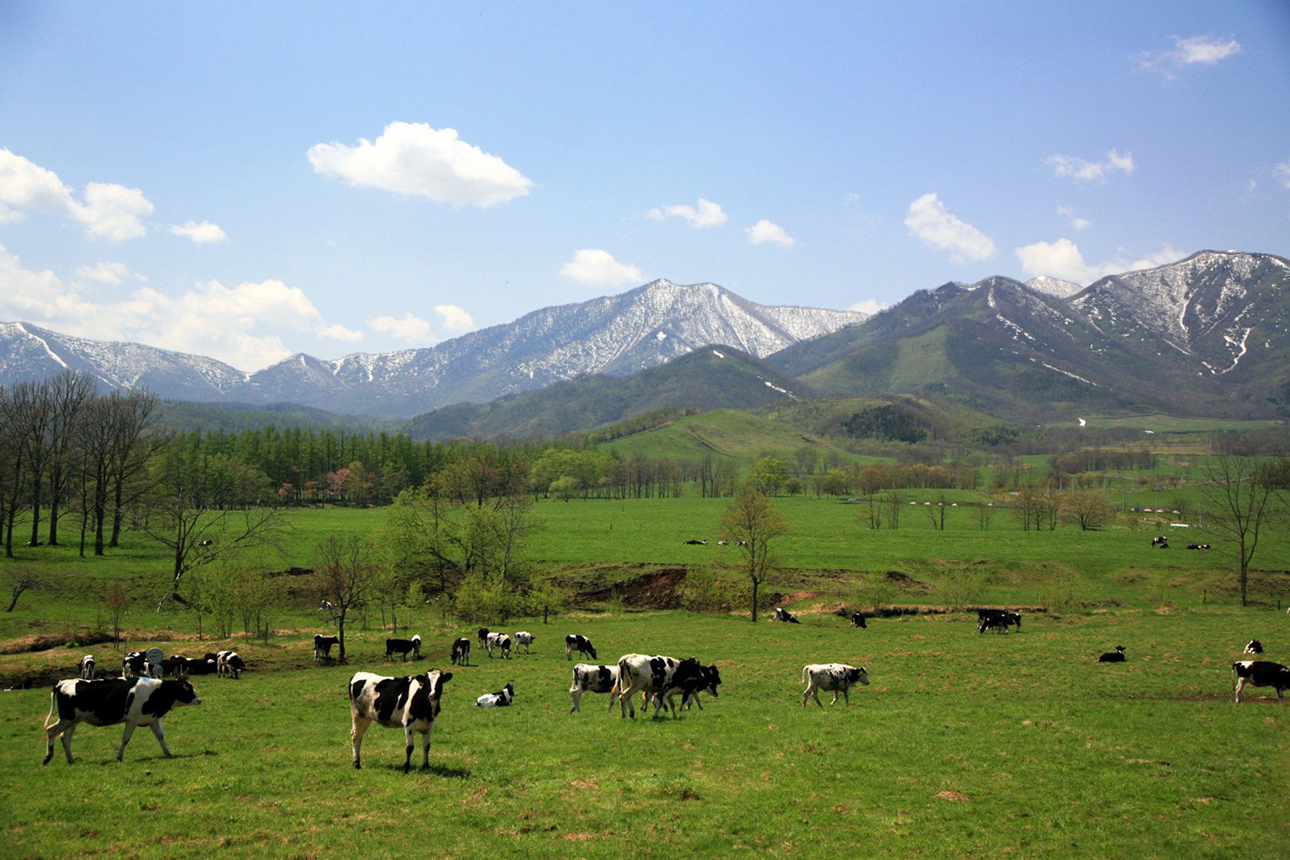
For dairy cows that thrive in cool climates, Hokkaido’s crisp air and vast open landscapes offer near-perfect conditions. Raised in low-stress environments and nourished by high-quality pasture, the cows produce milk with exceptional depth and clarity of flavour. From this milk come richly layered butter and cheese—ingredients so highly regarded that they are chosen by leading chefs and featured in some of Japan’s most refined kitchens. It is this harmony of nature and craftsmanship that defines Hokkaido as Japan’s true dairy heartland.
In recent years, Hokkaido’s cheesemakers are increasingly earning international recognition. At the World Cheese Awards—one of the world’s largest competitions, bringing together over 4,000 cheeses from more than 40 countries—producers from Hokkaido have received numerous distinctions, including top honours. These accolades reflect not only the quality of the milk itself, but also the precision and care behind each stage of production and aging.
Butter, too, deserves special attention. In Sapporo, the Michelin three-star restaurant Molière, relies on Hokkaido butter as an essential ingredient, as do fine dining establishments throughout Japan. Delicate yet deeply flavourful, it carries a fresh milky aroma with a gentle, lingering richness. From traditionally crafted cultured butter to additive-free organic varieties, the range is as impressive as the quality. Paired with Hokkaido’s outstanding produce—its vegetables, seafood, and meats—it becomes an integral part of the region’s culinary identity.
And of course, no exploration of Hokkaido dairy would be complete without its ice cream.
Now, let us begin a journey into Hokkaido, the heartland of milk—not simply to taste, but to experience the culture behind it.
A Deeper Journey into Hokkaido’s Dairy Culture
Sapporo, the vibrant heart of Hokkaido, welcomes more than 15 million visitors each year and is home to over two million residents. Today, it is known as a modern and cosmopolitan city, but would you believe that it was once dotted with dairy farms? In fact, even now, a handful of working dairies still remain within the city.
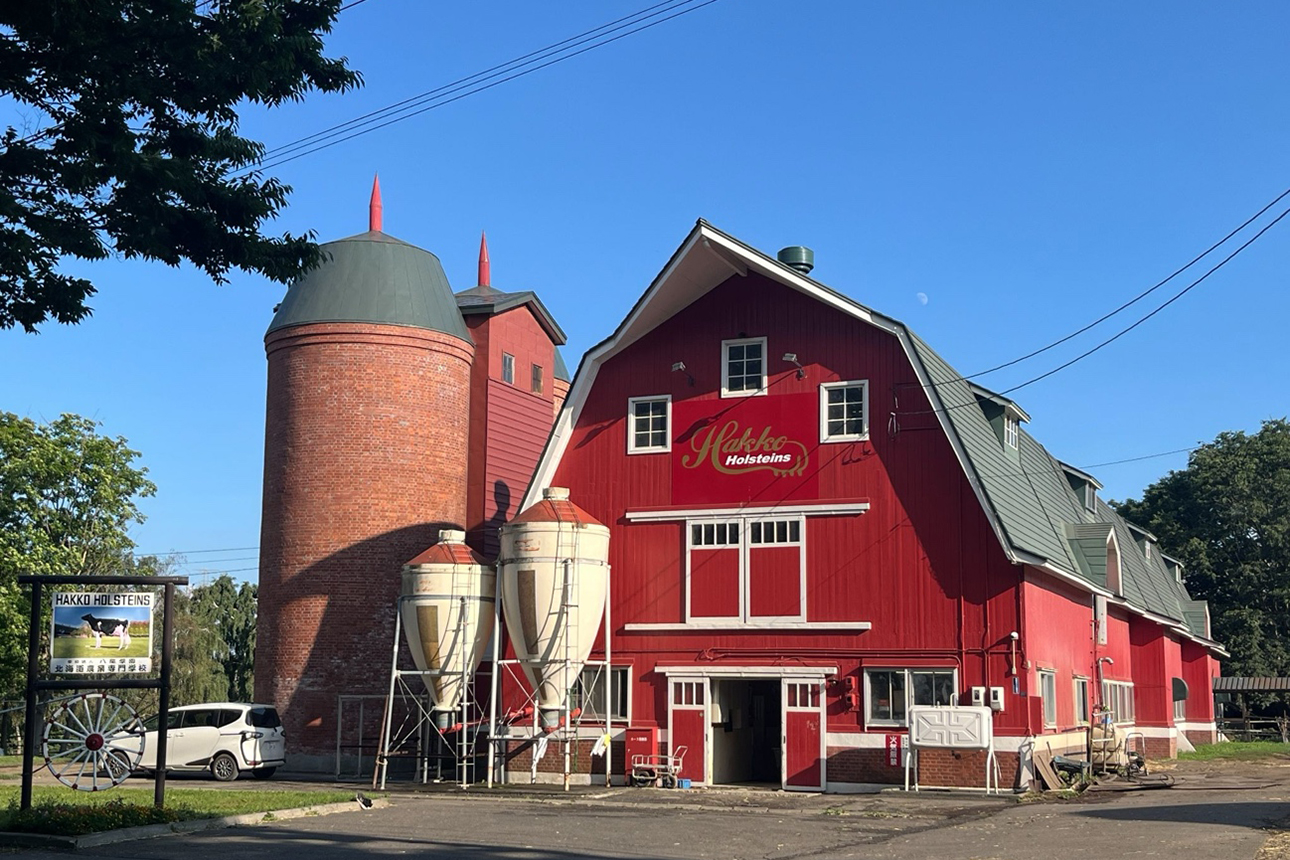
As you explore Sapporo, take a closer look at the urban landscape. You may notice old silos quietly standing among the modern buildings. Constructed from Sapporo soft stone, brick, or timber, these structures have become part of Hokkaido’s distinctive scenery, adding a gentle pastoral charm and a touch of nostalgia to the rhythm of city life.
Dairy farming in Hokkaido dates back to the late 19th century, when Japan was rapidly modernising and the development of Hokkaido began in earnest. Unlike Honshu, where rice cultivation was dominant, Hokkaido’s colder climate called for a different agricultural approach. Under a national policy promoting large-scale livestock farming, foreign specialists were invited to introduce Western farming techniques and expertise. From southern Hokkaido through to Sapporo, farmers gradually overcame the challenges of the harsh northern climate, making full use of the island’s vast open land to build a thriving dairy industry—one that would eventually earn recognition throughout Japan.
Hokkaido’s cool climate has also proved ideal for dairy cattle, allowing cows to live in relatively low-stress conditions while producing exceptionally high-quality milk. Today, Hokkaido accounts for more than half of Japan’s total raw milk production, firmly establishing itself as the country’s dairy heartland.
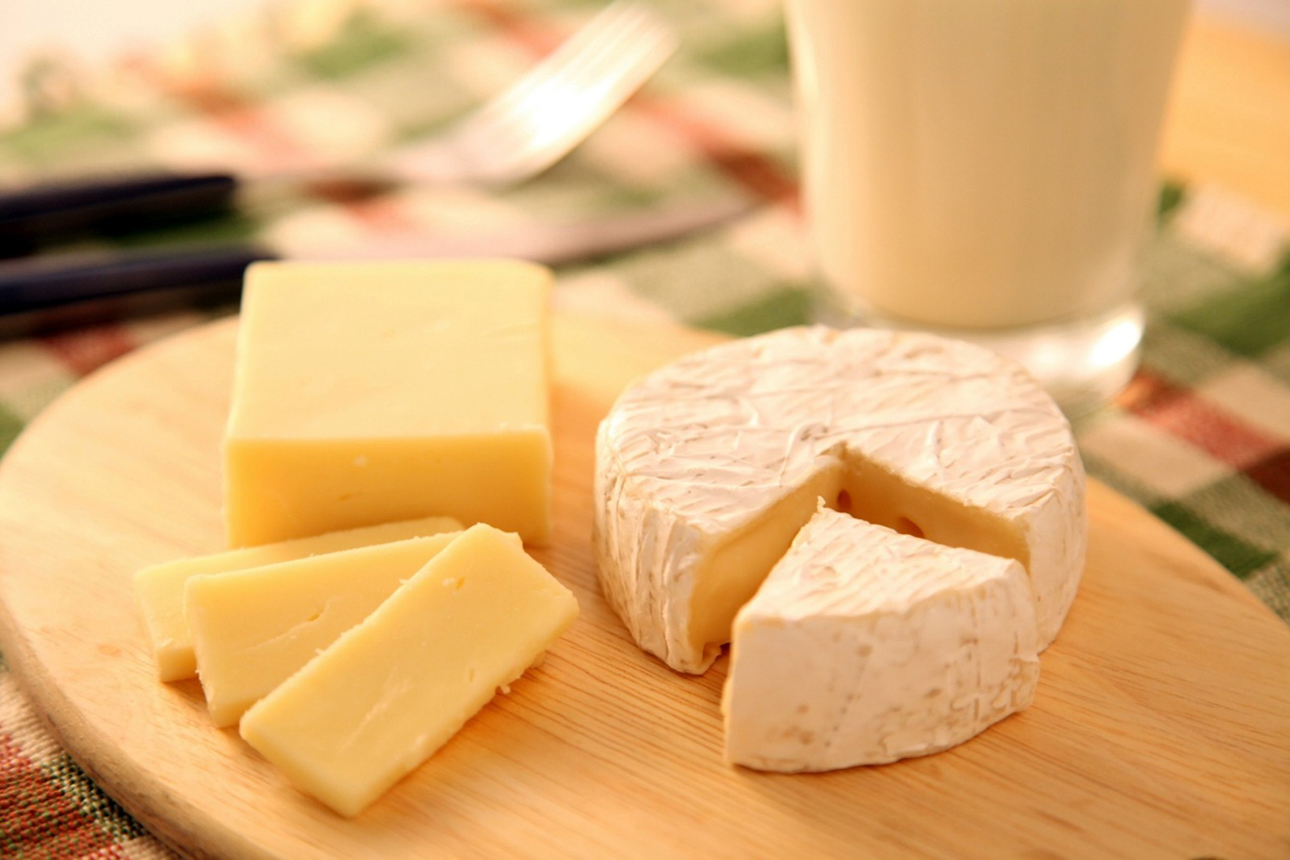
Today, Hokkaido’s natural cheeses enjoy growing international acclaim. It was here in Hokkaido that natural cheese production first began in Japan. In a small town near Niseko—now known around the world as a luxury resort destination—an artisanal cheese workshop was established that gave birth to Japan’s first Camembert cheese.
These cheeses, still beloved today, can be found in airports and specialty shops throughout Hokkaido. With so many exceptional cheesemakers across the region, one of the true pleasures of travelling here is discovering your own favourite and pairing it with local specialties unique to each area. And of course, Hokkaido wines make a wonderful companion as well.
If you have the chance to try cheese fondue in Hokkaido, it truly is something special. Unlike the traditional European style, Hokkaido’s cheese fondue reflects the region’s identity as a land of dairy abundance. Rich yet delicately balanced, it highlights the natural sweetness of milk while softening the stronger characteristics often associated with cheese. The result is a gentle, comforting flavour—almost like a creamy stew—that appeals to both adults and children alike.
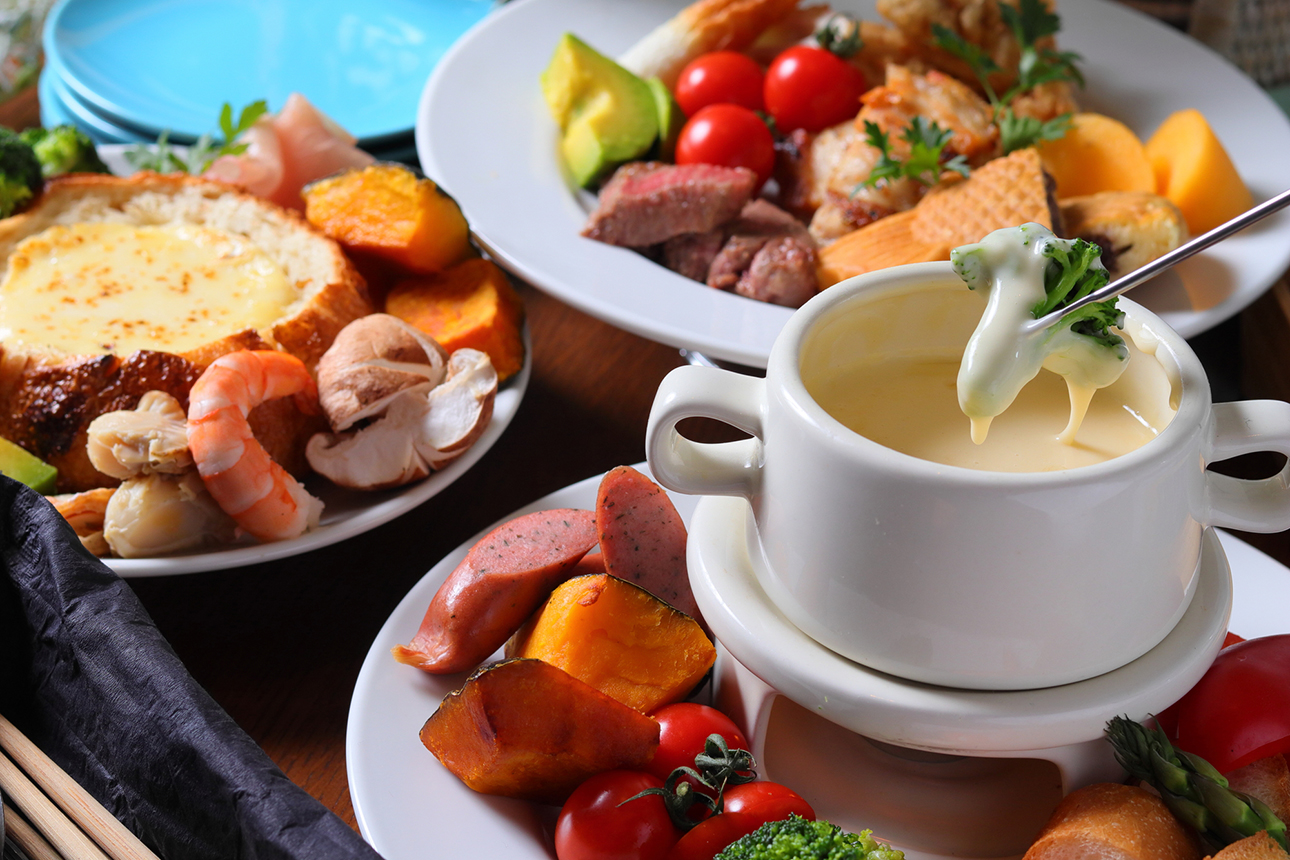
Another defining feature is the remarkable quality of the ingredients served alongside it: freshly harvested vegetables, pristine seafood, and, in some cases, cheese crafted just steps away from the dairy using locally produced fresh milk. To experience such extraordinary freshness—often at a café attached directly to the farm itself—is something uniquely Hokkaido.
Interestingly, through my work guiding travellers across different parts of Hokkaido, I have noticed a clear pattern. Those who venture into the dairy regions and immerse themselves in these deeply local experiences almost always return.
There is something about encountering Hokkaido’s milk culture at firsthand that transforms it into more than simply food—it becomes one of the defining memories of the journey itself, and often the reason people wish to come back again.
And perhaps that, more than anything, is what travelling through Hokkaido is truly about.
In Search of Hokkaido’s Best Dairy Experiences
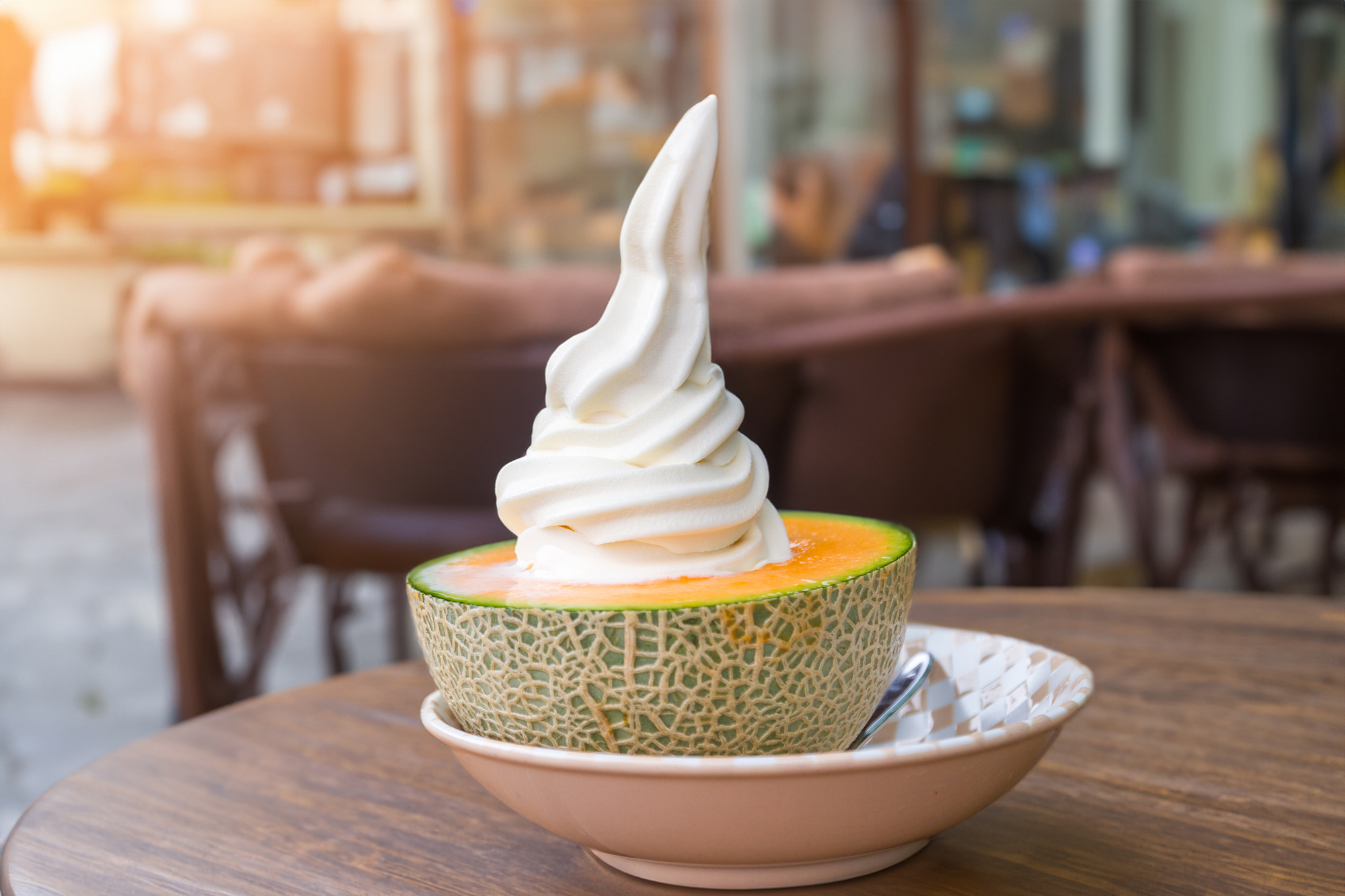
Ice cream holds a special place among Hokkaido’s many beloved dairy products. As you travel across the island, you will quickly notice that even the smallest towns seem to have their own dedicated ice cream shops. Hokkaido is, quite simply, an ice cream paradise. In summer, of course, people line up for frozen treats—but even in the depths of winter, it is not unusual to spot someone happily enjoying an enormous seven-layer soft serve in the snow.
So how do you know where to go when there are so many choices?
The answer is surprisingly simple: ask the locals.
Whether it is a café staff member, a taxi driver, your hotel concierge, or your private guide, everyone has their own favourite spot. I certainly have mine. Some shops are known for the incredibly fresh taste of just-expressed milk, while others offer delicate sweetness reminiscent of fine pastries, or refreshing fruit-forward flavours closer to sorbet. Every shop has its own character, and while personal preferences may differ, one thing remains consistent: the quality is exceptional almost everywhere. One of the great pleasures of travelling through Hokkaido is discovering and comparing these unique flavours for yourself—and perhaps finding your own favourite along the way.
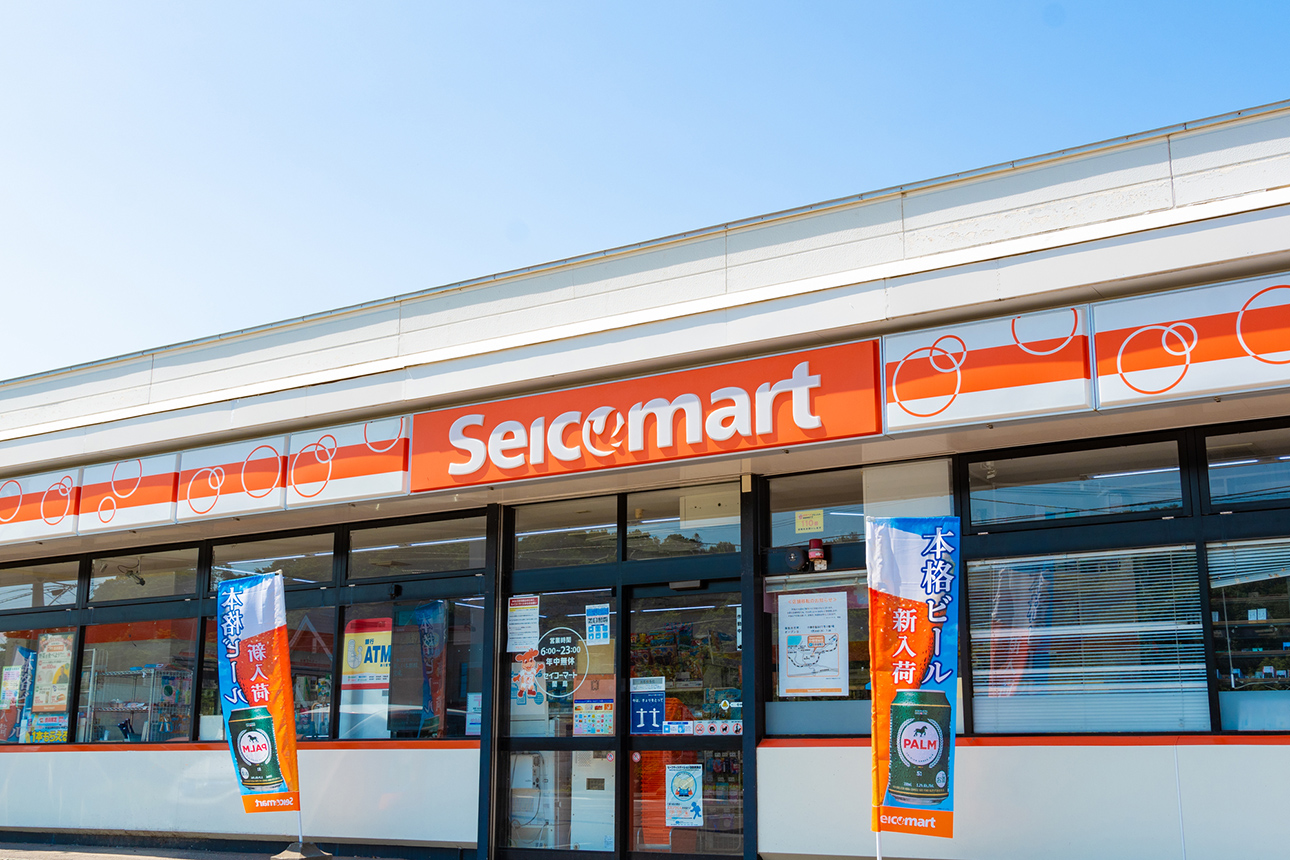
For a more casual yet surprisingly rewarding experience, do not overlook Hokkaido’s local convenience stores. At Seicomart locations across the island, you can find soft ice cream made with Hokkaido milk. Some branches of Lawson even serve freshly made soft serve on-site. If you come across limited seasonal flavours featuring local specialties such as Yubari melon or haskap berry, they are absolutely worth trying. You may be surprised to discover just how extraordinary convenience-store ice cream can be in Hokkaido.
While dairy products can be enjoyed throughout the island, each region has its own unique way of experiencing Hokkaido’s milk culture. As a guide, I would love to introduce some of my favourite regional dairy experiences—each offering a different side of Hokkaido’s rich and deeply rooted milk heritage.
Sapporo and Surrounding Areas
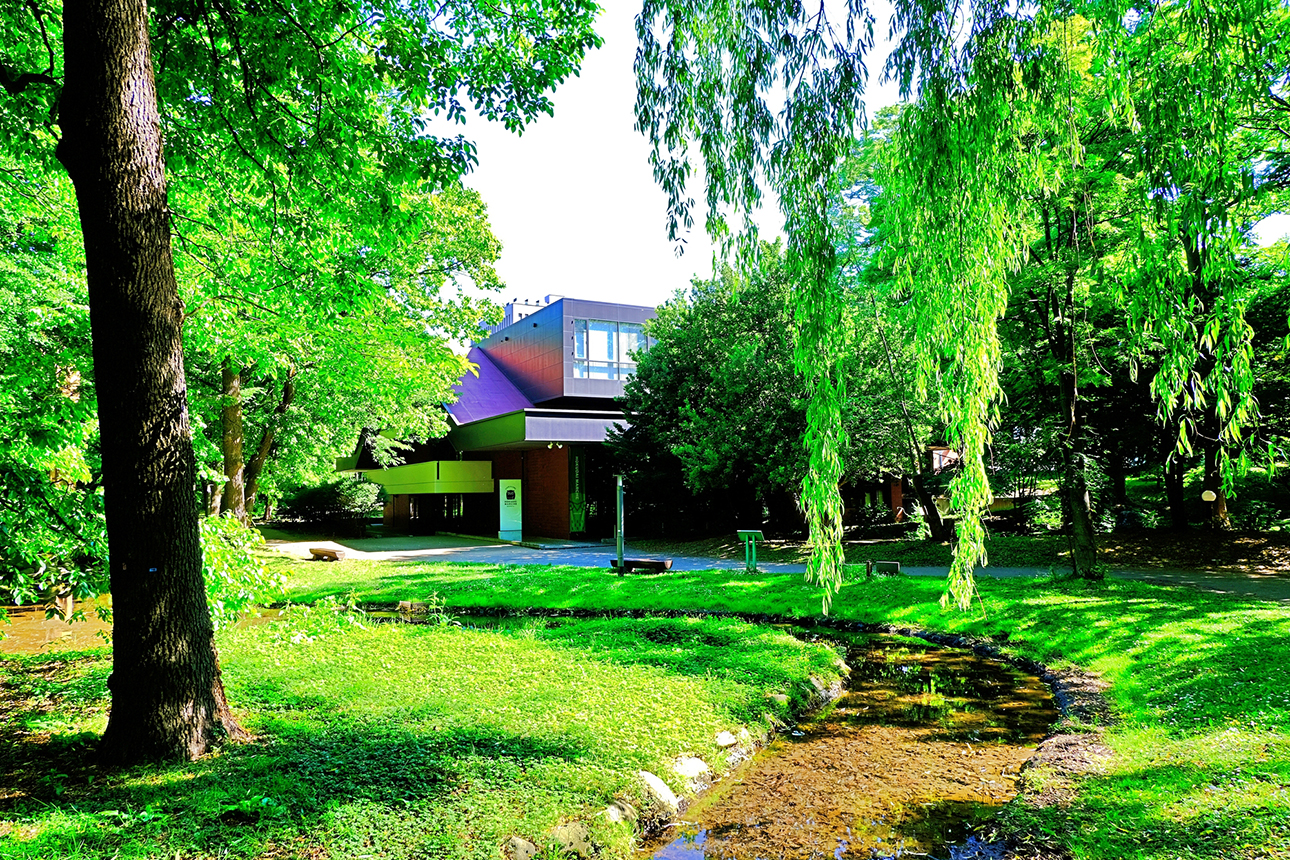
In the heart of Sapporo’s downtown area, the campus of Hokkaido University is home to around fifty dairy cows, which can often be seen grazing freely during the summer months. At the university’s on-campus café, Hokudai Marche Café & Labo, visitors can enjoy freshly produced Hokudai Milk, sourced directly from the university farm, along with cheese and ice cream crafted in the café’s own workshop.
Interestingly, this milk—produced as part of the university’s research program—was never commercially distributed and was once discarded. The café and market were created as a way to give new life to this exceptional milk through sustainable food practices. Here, in a setting with virtually zero food mileage, visitors can enjoy a truly eco-friendly and delicious dairy experience.
Despite being located just moments from Sapporo Station, Hokkaido University feels worlds away from the bustle of the city. The expansive campus is filled with greenery, and time seems to move at a gentler pace. Benches scattered throughout the grounds invite visitors to slow down and take in the scenery at their leisure.
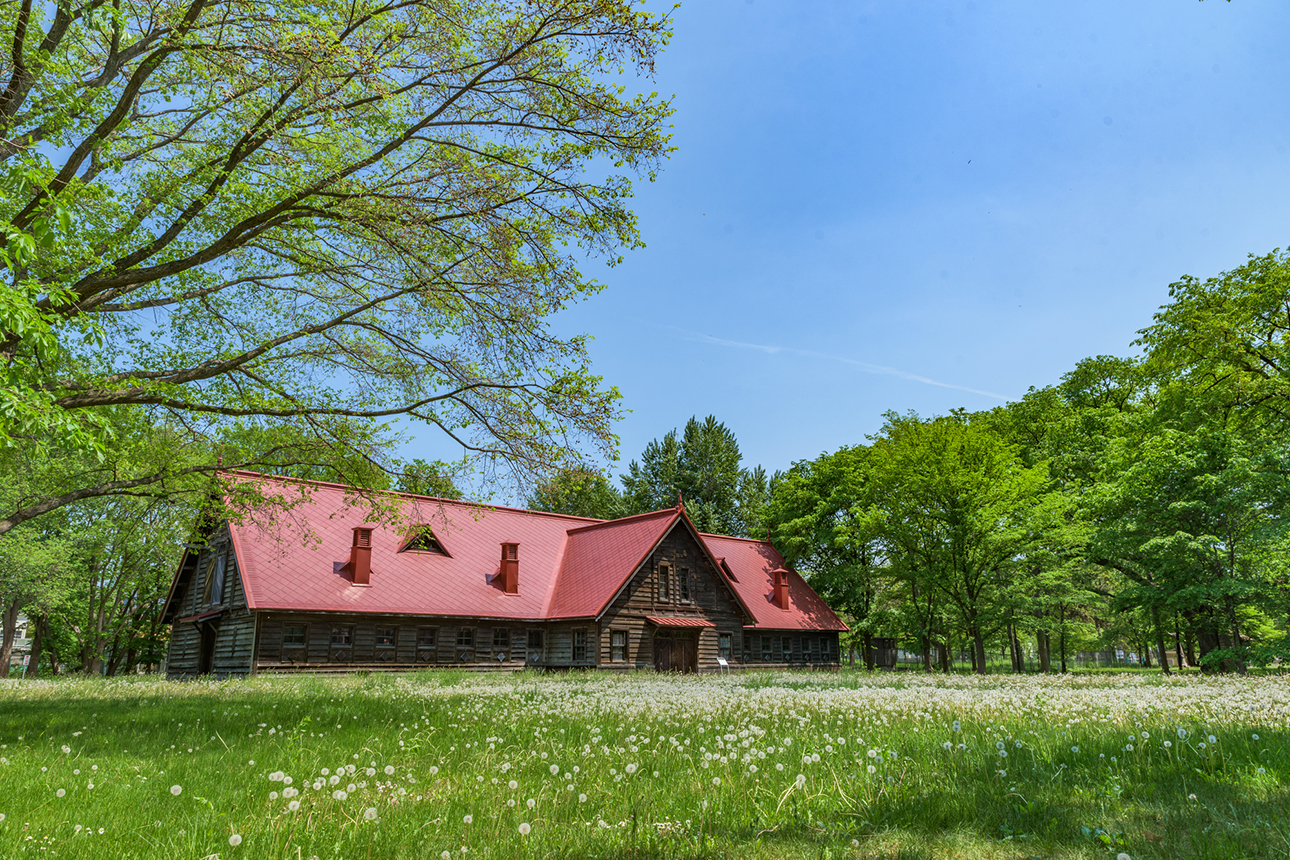
For those interested in the history of Hokkaido’s dairy culture, the campus also preserves one of the oldest silos in the region, designated as an Important Cultural Property of Japan. To encounter the legacy of dairy farming in the middle of a modern city—this too is part of what makes Hokkaido unique.
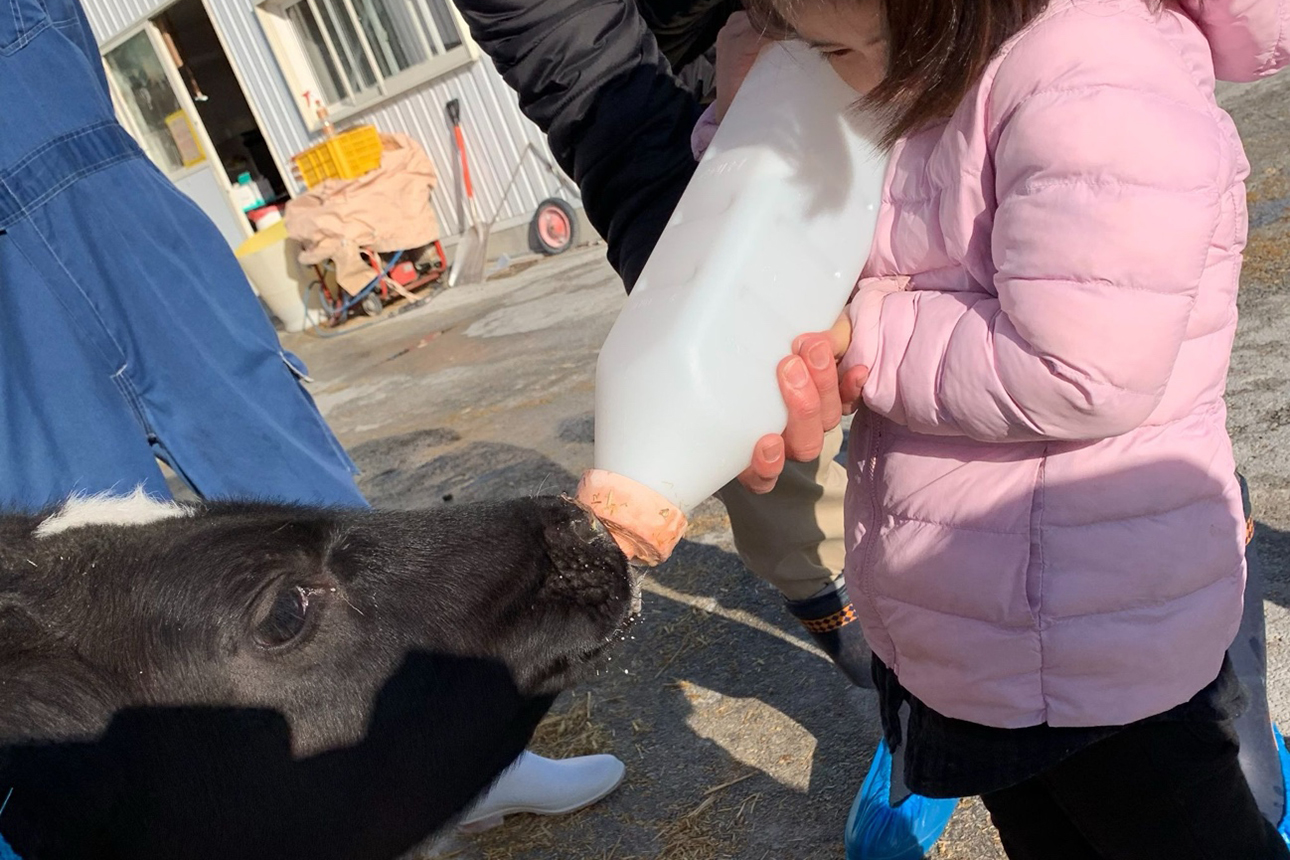
Sapporo also offers more accessible, family-friendly dairy experiences. Around thirty minutes from the city centre by car, Milk no Sato allows visitors to interact with farm animals while trying hands-on activities such as butter-making and ice cream-making workshops. The facility is attached to a factory operated by Satsuraku Agricultural Cooperative Association, where visitors can observe the dairy production process up close.
For younger children—or those simply looking for a light-hearted introduction to dairy culture—there are also mock milking experiences using model cows, as well as miniature farm areas where visitors can interact with real animals.
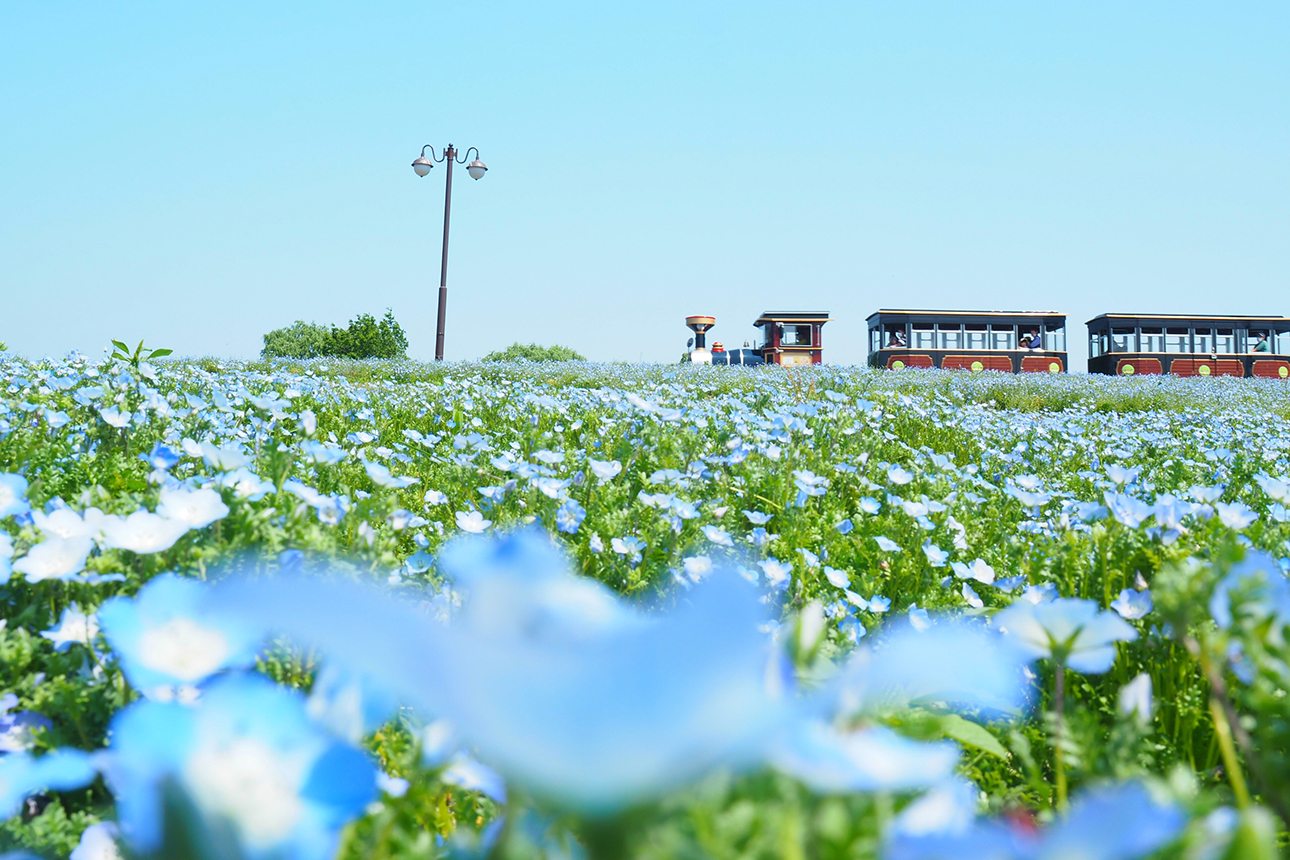
Located between the popular leisure destinations of Moerenuma Park and Sapporo Satoland, the area is ideal for a relaxed day outdoors, whether enjoying nature, barbecuing, or exploring the parks at an easy pace. In early summer, the landscape is further transformed by fields of delicate blue nemophila flowers, which have recently made the area one of Hokkaido’s increasingly popular seasonal attractions.
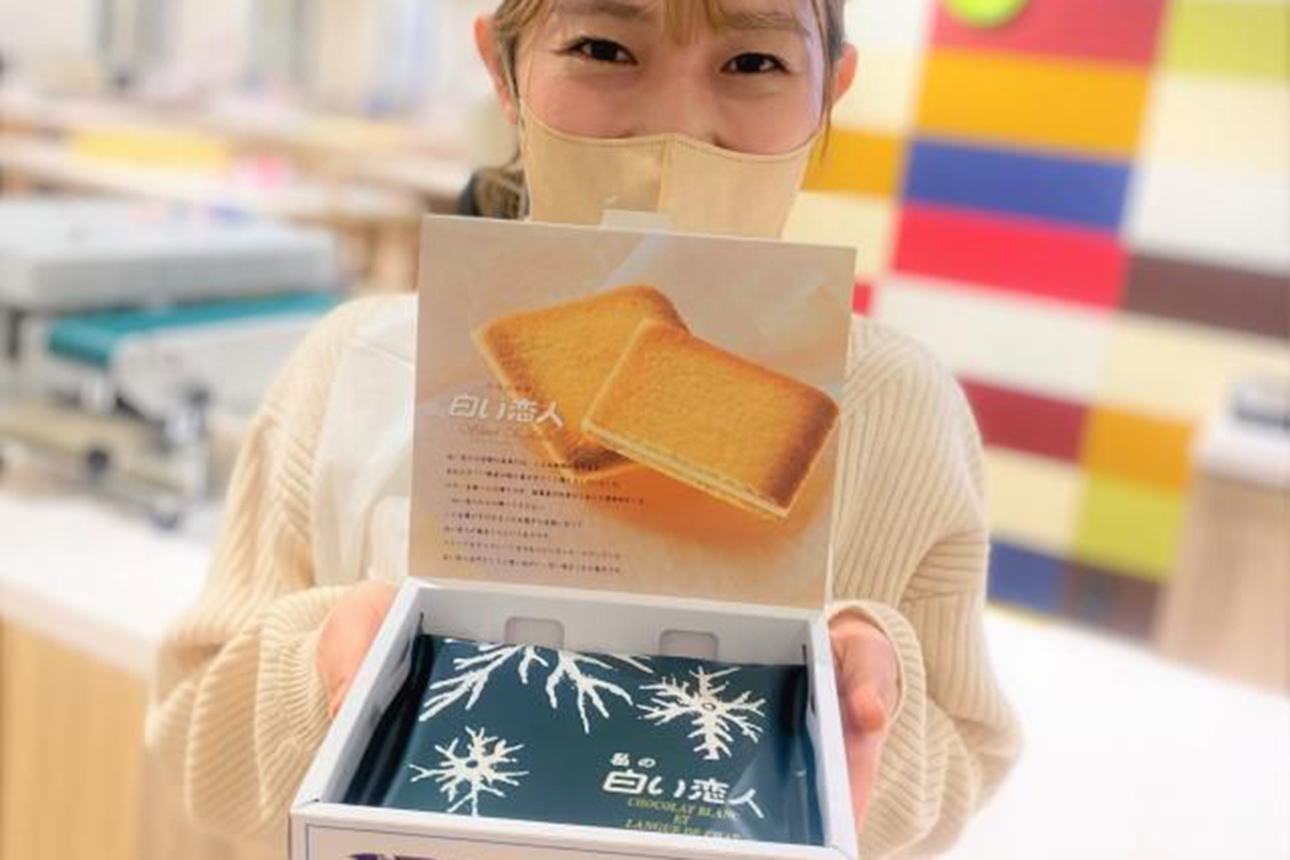
And of course, no visit to Sapporo would be complete without Shiroi Koibito Park. The famous confection Shiroi Koibito, beloved far beyond Japan, is made using 100% Hokkaido-produced ingredients, including flour, sugar, and fresh cream—a commitment to quality that has sustained its popularity for decades.
More than simply a sweets factory, the park is known as one of Hokkaido’s most engaging culinary education destinations, where visitors can discover how these iconic treats are made through interactive exhibits and factory tours. It is a place that delights both children and adults alike.

Would you like to experience authentic dairy culture just beyond Sapporo? That, too, is entirely possible.
Leave it to a professional travel consultant to create a journey tailored exclusively for you.
Hakodate and Southern Hokkaido
Alongside Sapporo, Hakodate is perhaps one of Hokkaido’s best-known destinations. The city is celebrated for its charming blend of Western and Japanese architecture, atmospheric streetscapes, and exceptionally fresh seafood. Dairy culture, however, may not be the first thing that comes to mind.
Yet Hakodate was one of the earliest places in Japan to embrace westernisation, and with it came a growing demand for milk, butter, and other dairy products. The surrounding region is also home to towns regarded as pioneers of modern dairy farming in Japan, where Western agricultural techniques and farming methods were introduced and refined over generations.
And here, too, you may discover places that make you pause and think:
“I never knew this side of Hokkaido existed.”
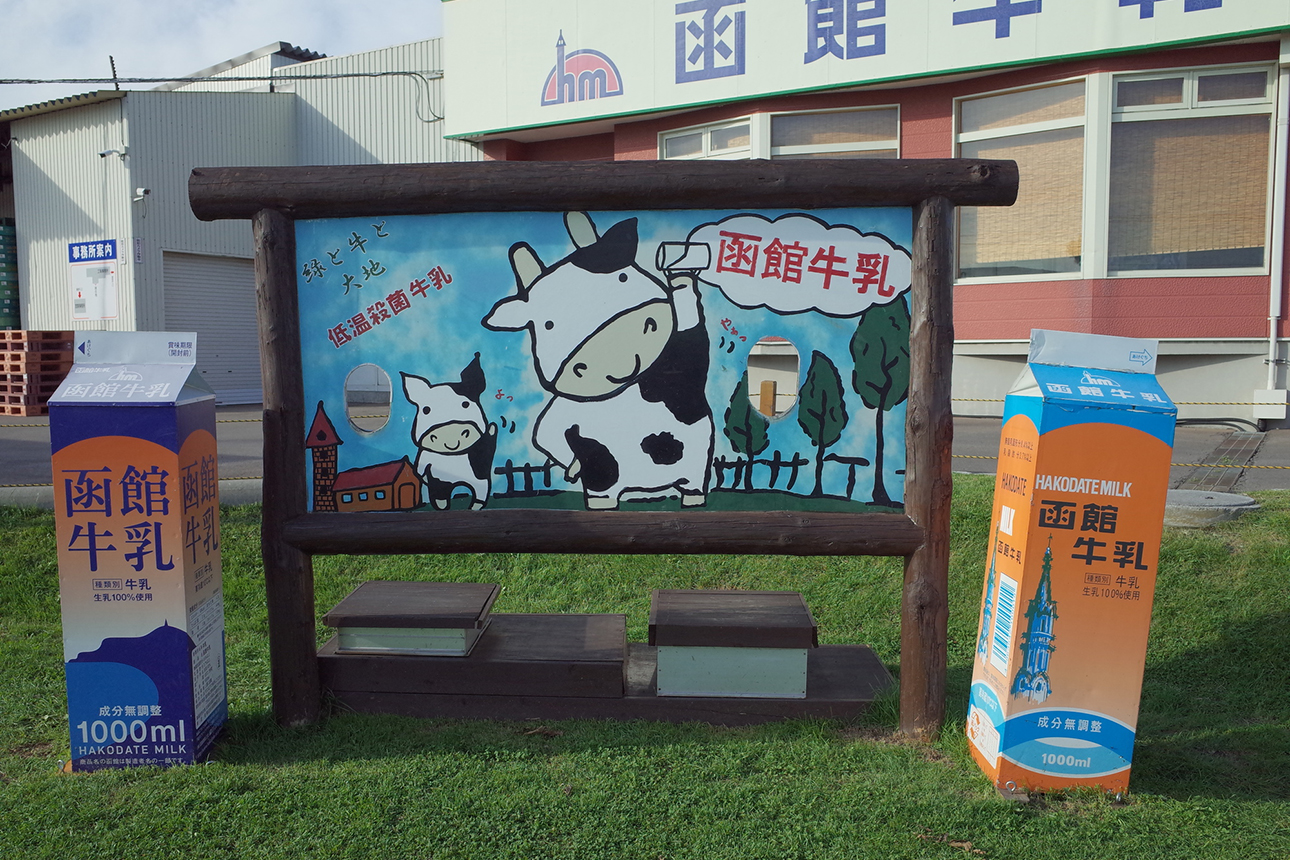
One example is Hakodate Milk, instantly recognizable by its nostalgia-provoking orange packaging. The milk is produced exclusively from raw milk sourced from farms within this region. The company itself was founded by local dairy farmers who shared a simple dream: to deliver the milk they themselves had produced directly to the people.
Nearly fifty years ago, they began selling milk directly from trucks carrying the famous orange cartons throughout the city. This mobile milk delivery service continues even today and has become something of a Hakodate icon, affectionately known as a mobile convenience store.
At the heart of this philosophy is a commitment to sustainable circular agriculture: healthy soil produces nutrient-rich pasture, which in turn nurtures healthy dairy cows. It is a system that continues to evolve together with local producers even today.
Next to the factory, visitors will find a charming ice cream shop called Ice 118, housed inside a renovated camper van. Here, fresh milk from contracted dairy farms is transformed into delicious ice cream throughout the year, ensuring that not a single drop goes to waste. Loved by both locals and travellers alike, the shop is bustling with customers almost every day.
Visitors can also enjoy hands-on experiences such as butter-making workshops and opportunities to interact with the cows.
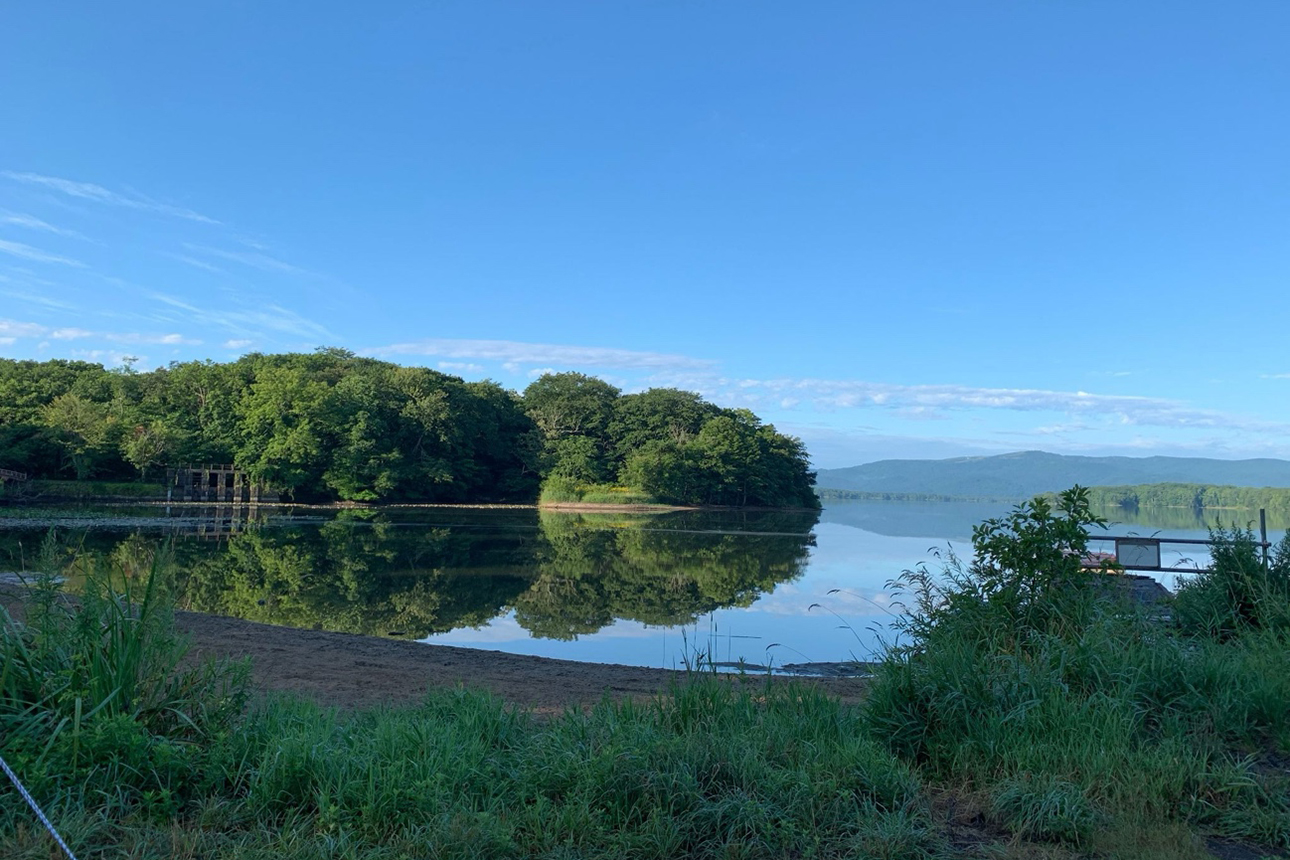
Travel a little farther north from Hakodate toward Onuma Quasi-National Park—an area truly worth extending your journey for. We have also introduced the charms of this beautiful region in one of our previous columns.
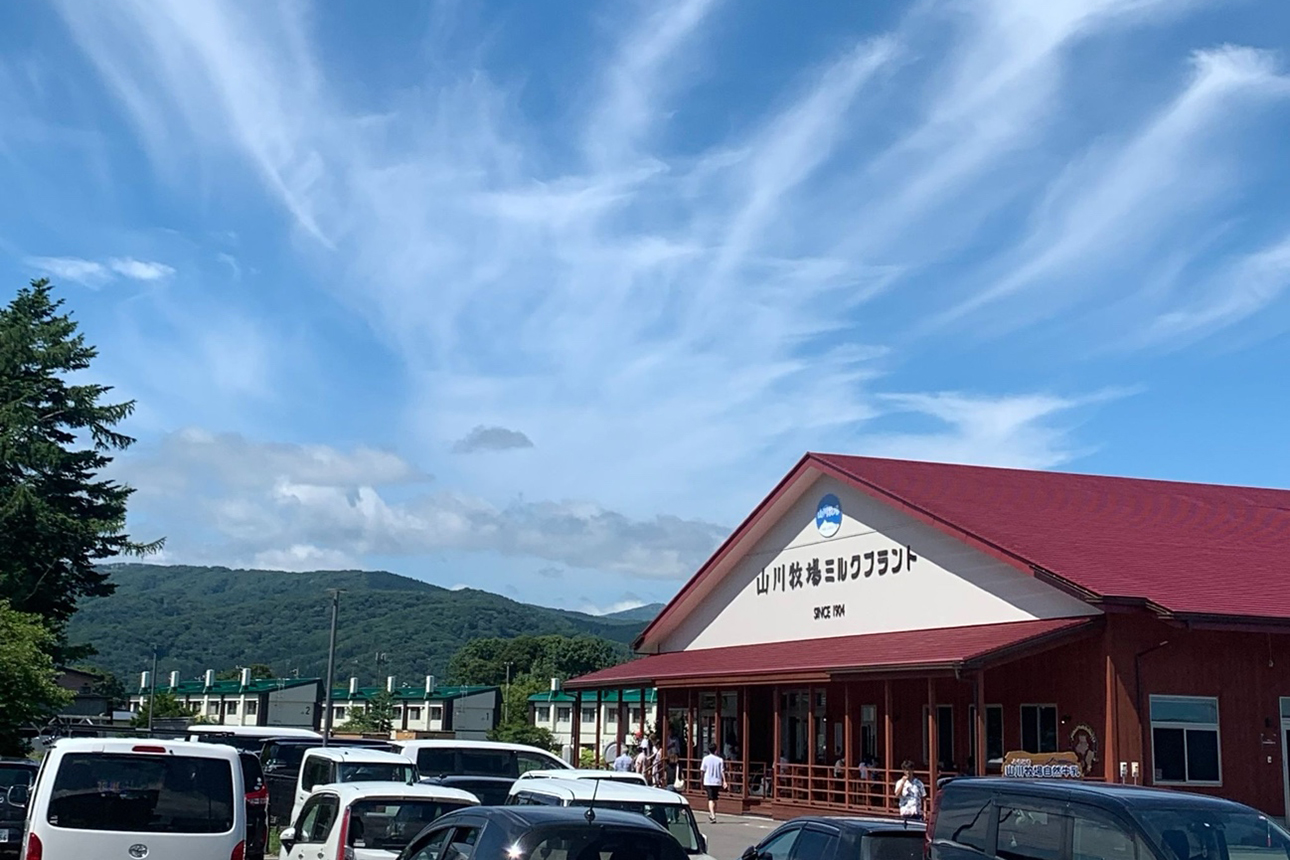
Here you will discover another remarkable dairy destination: Yamakawa Farm.
At this farm, even the soil itself is carefully cultivated through organic farming methods in order to grow high-quality pasture for the cows. Their philosophy centres on producing real milk in its most natural state, allowing visitors to experience the genuine flavour of nature itself.
One specialty not to miss is their non-homogenised milk. To taste milk that has not been artificially homogenised—milk in its true, natural form—is an experience that feels surprisingly rare today.
And on a personal note, I must confess that I am a devoted fan of the farm’s fruit soft serve, generously topped with rich fruit fillings.
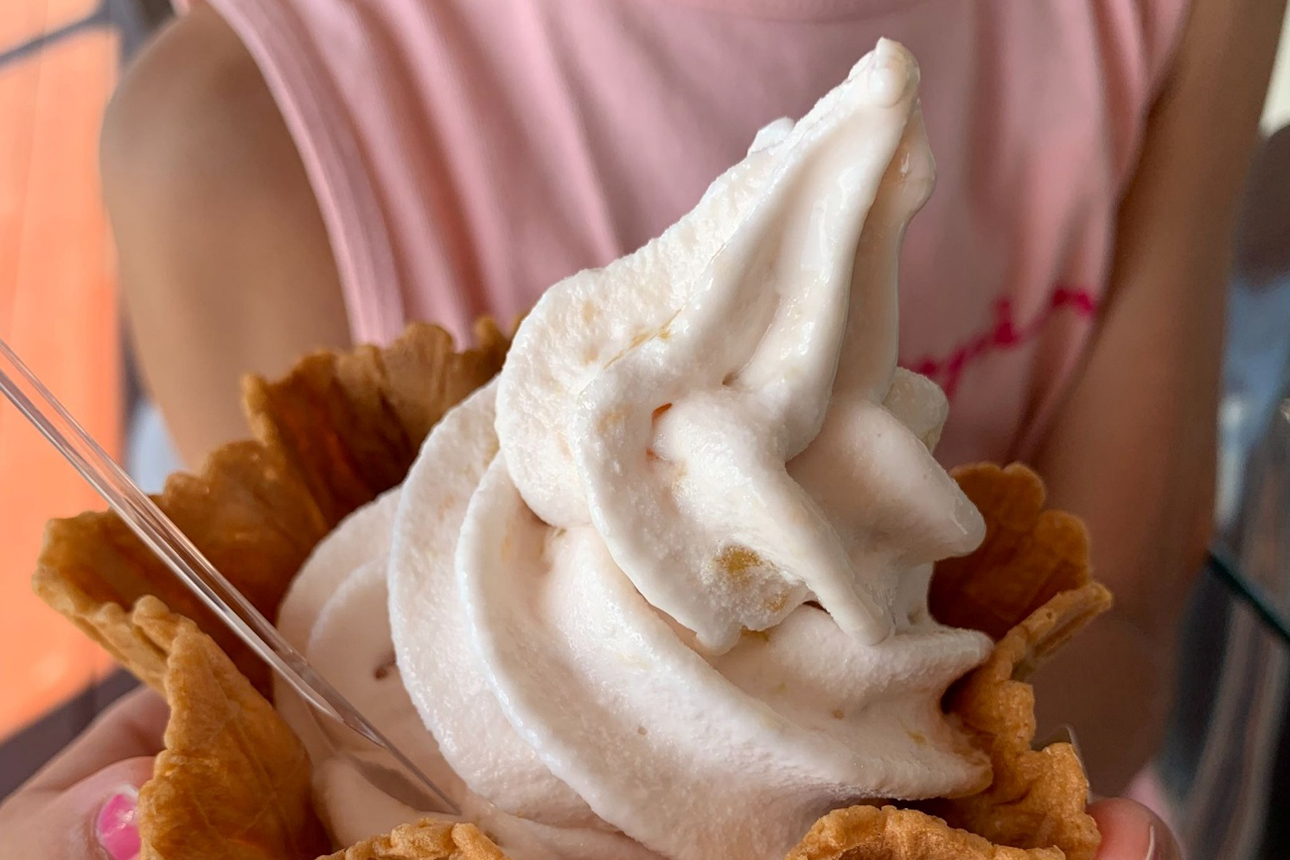
I would be delighted to introduce you to these charming cows and the beautiful landscapes they call home.
Eastern Hokkaido
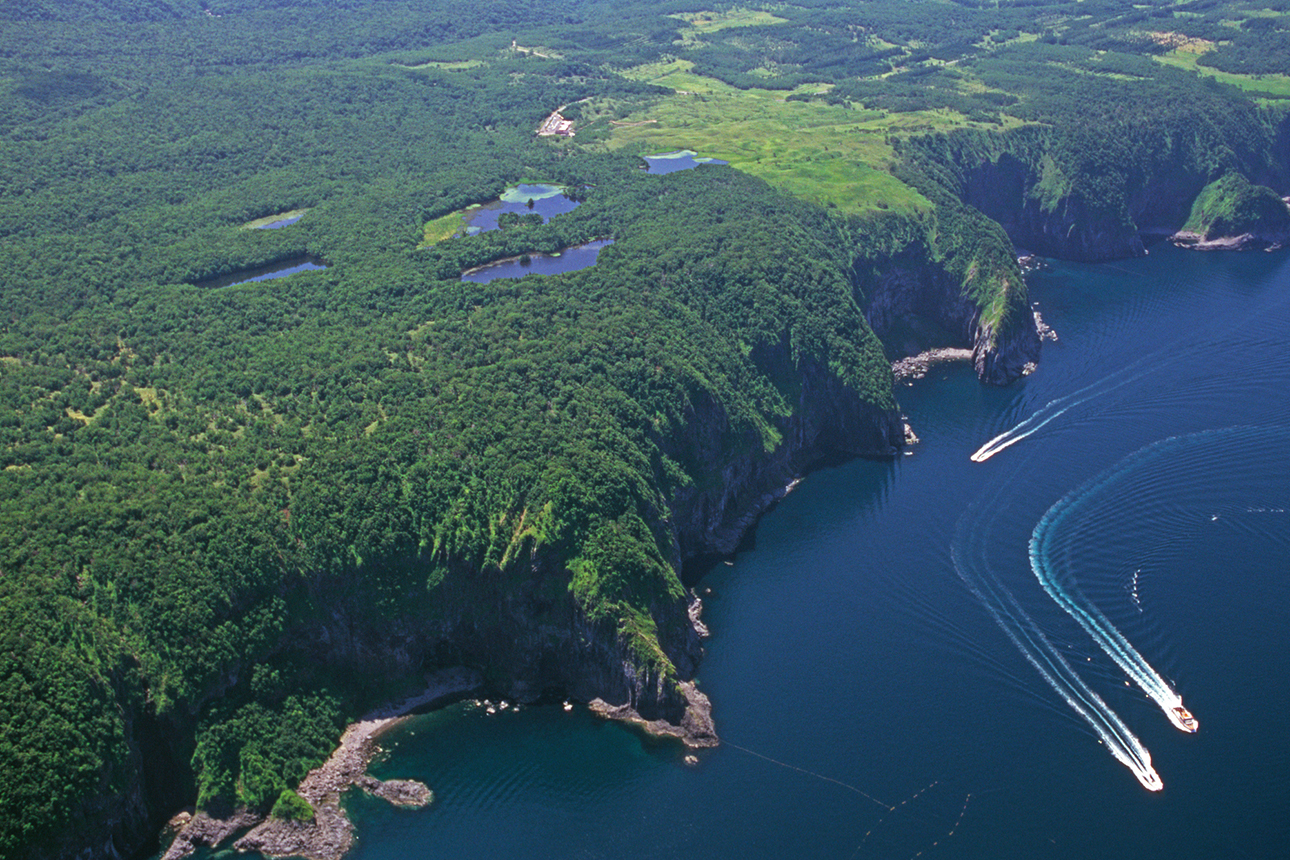
Eastern Hokkaido is home to some of the most untouched landscapes and precious ecosystems in all of Japan. In many towns across this vast region, cows outnumber people, making it one of the country’s most important dairy areas.
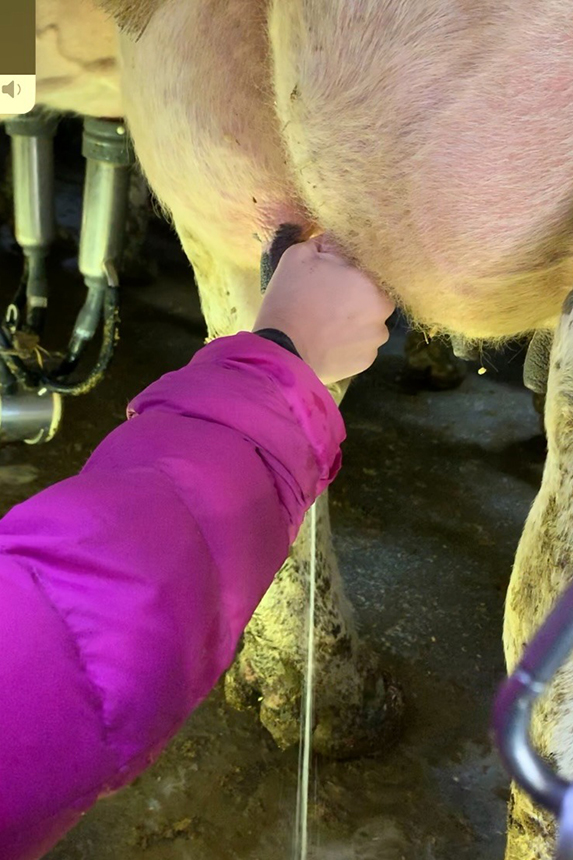
Here, surrounded by immense natural beauty, visitors can experience authentic private tours that offer far more than sightseeing alone. Through close encounters with dairy farms and the people who sustain them, the connection between food, nature, and life itself becomes deeply tangible. Leave it to us, your travel consultants, to create a journey tailored exclusively for you.
In this region, guests can experience real farm life at firsthand—from milking cows to riding tractors across endless grasslands. And the milk enjoyed here tastes unlike anything you may have experienced before.
Even on rainy days, there is no need to worry. Hands-on activities such as butter-making and fresh ice cream workshops are also available, offering memorable experiences in every season.
Among these dairy towns, Betsukai is particularly remarkable. Famous for having seven times more cows than people, it is Japan’s largest producer of raw milk, with an annual production of approximately 500,000 tons.
A single dairy cow drinks an astonishing 100 to 150 litres of water each day. Surrounded by nutrient-rich pasture and abundant pure water, the cows are raised in a low-stress environment ideally suited to dairy farming.
What makes Betsukai especially unique is not only the quality of its milk, but also the advanced dairy processing facilities located within the town itself. Because transportation distances are kept to a minimum, the freshness of the milk can be preserved almost immediately after milking.
So highly regarded is its quality that Betsukai milk is often spoken of as a category of its own—even within Hokkaido—and is considered by many to be among the finest in Japan.
And this town is also home to one of Hokkaido’s most fascinating local specialties.
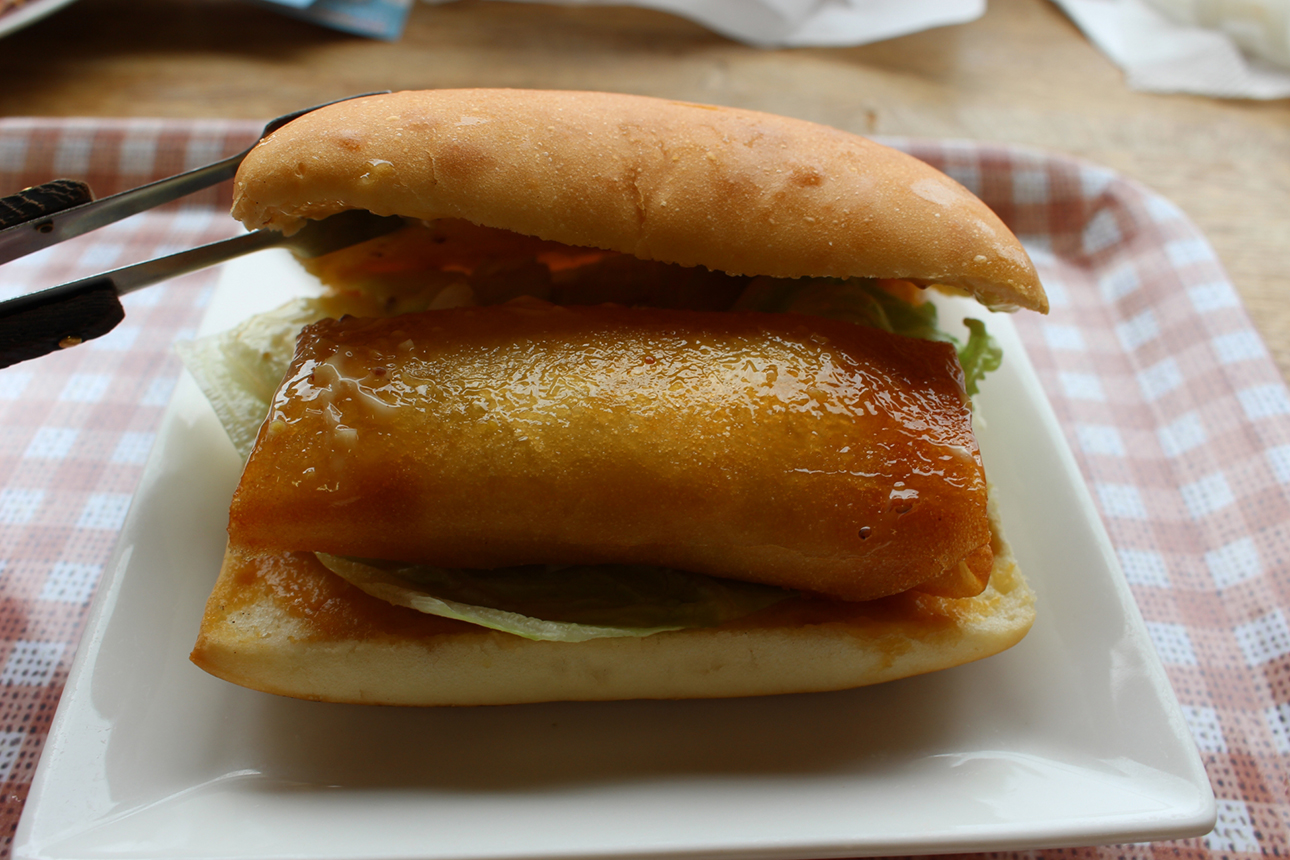
In addition to dairy, Betsukai is renowned for its exceptional scallops. Combining these two local treasures gave birth to the wonderfully unique Betsukai jumbo scallop burger.
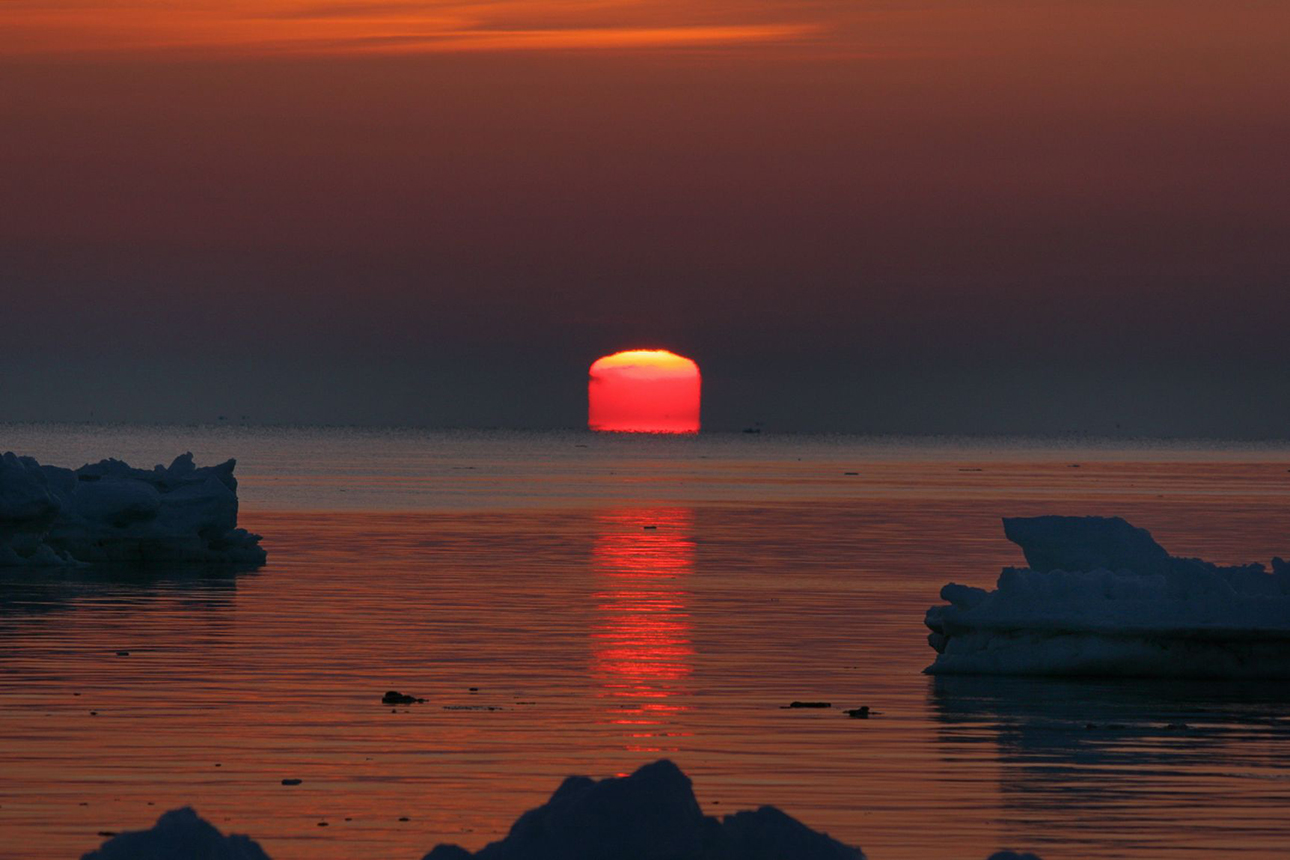
Inspired by the famous “square sun” phenomenon visible from the town’s observatory during winter, the burger was originally created to be enjoyed together with Betsukai’s signature milk. It features an enormous scallop wrapped in a crisp spring-roll skin and sandwiched between square buns made from Hokkaido wheat.
But the experience itself is just as distinctive as the burger.
It is always served alongside Betsukai milk and fries made from Hokkaido potatoes. Rather than arriving fully assembled, the burger is presented open-faced, allowing guests to build it themselves. Takeout is not available—because this is meant to be enjoyed fresh, in the moment, surrounded by the grandeur of Eastern Hokkaido’s landscapes. Perhaps this is the ultimate zero food-mileage dining experience: ingredients produced locally, prepared fresh, and savoured exactly where they belong.
Let us introduce one more uniquely Hokkaido custom.
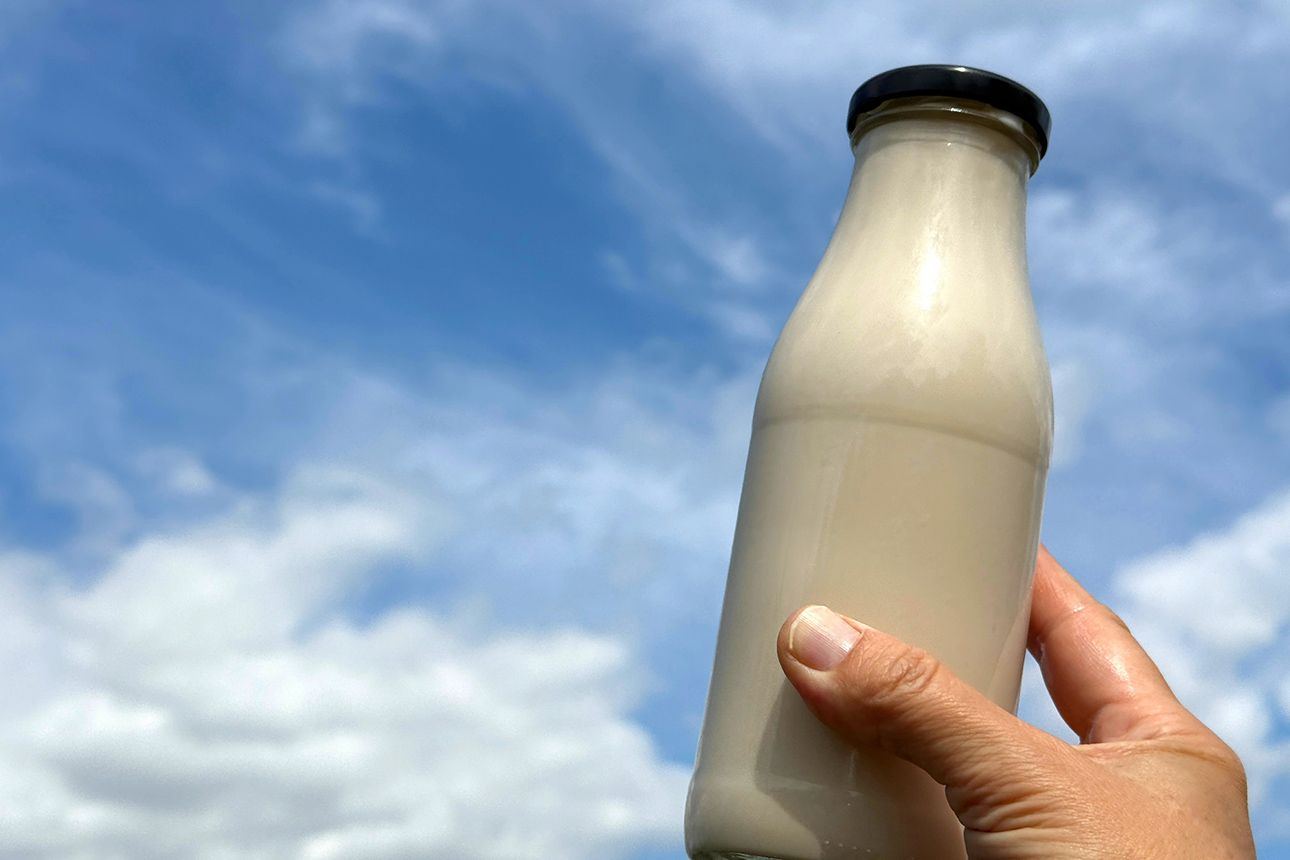
In Nakashibetsu, there is an official local ordinance known as the Milk Toast Ordinance. At festivals, community gatherings, and even workplace parties, people raise glasses not of beer, wine, or sake—but milk.
The initiative began as a way to promote dairy culture while encouraging local consumption of the region’s own products. In other words, the people here proudly consume what they themselves produce.
Some local izakaya pubs even include milk on their drink menus specifically for this purpose. When visiting Nakashibetsu, why not enjoy your own kanpai moment with a glass of fresh local milk?
Curious about the mysterious “square sun”? We have shared the story behind this rare natural phenomenon in a separate column as well.
Discover more about the charms of Betsukai
Eastern Hokkaido offers not only extraordinary dairy experiences, but also rare natural phenomena and landscapes found nowhere else in Japan.
We would be delighted to design a private journey tailored entirely to you.
Tokachi
And when people think of Hokkaido milk, one region inevitably comes to mind: Tokachi. Producing more than a quarter of Japan’s total raw milk supply, Tokachi stands as the country’s leading dairy region in both scale and reputation. Whether it is your first journey to Hokkaido or your fifth, the region offers an extraordinary variety of dairy-focused experiences.
Here, visitors can step inside working barns and grazing pastures normally closed to the public, interact with dairy cows, hear firsthand stories from active farmers, and enjoy milk at its freshest. Experiences range from casual farm visits and factory tours to fully customised farm stays, allowing travellers to engage with Hokkaido’s dairy culture at their own pace and as deeply as they wish.
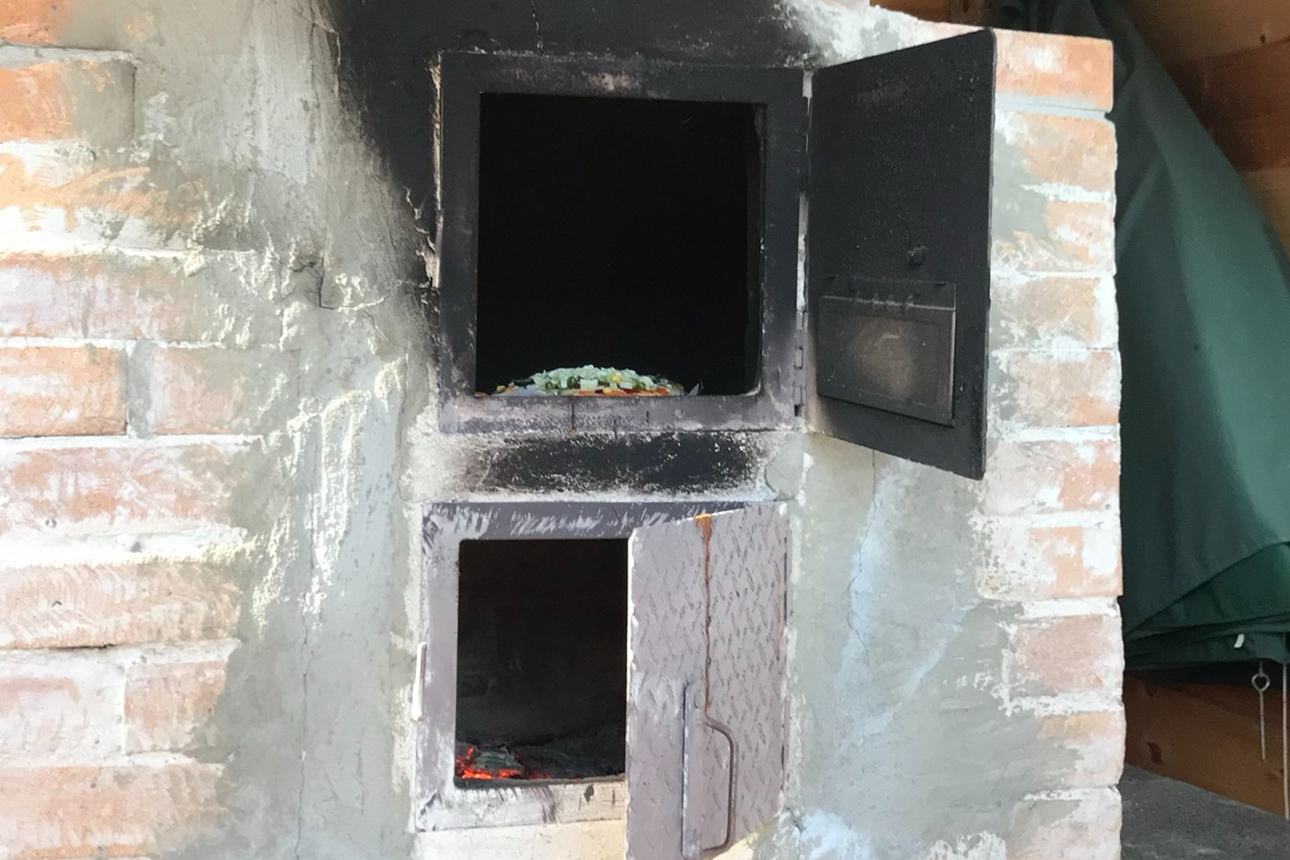
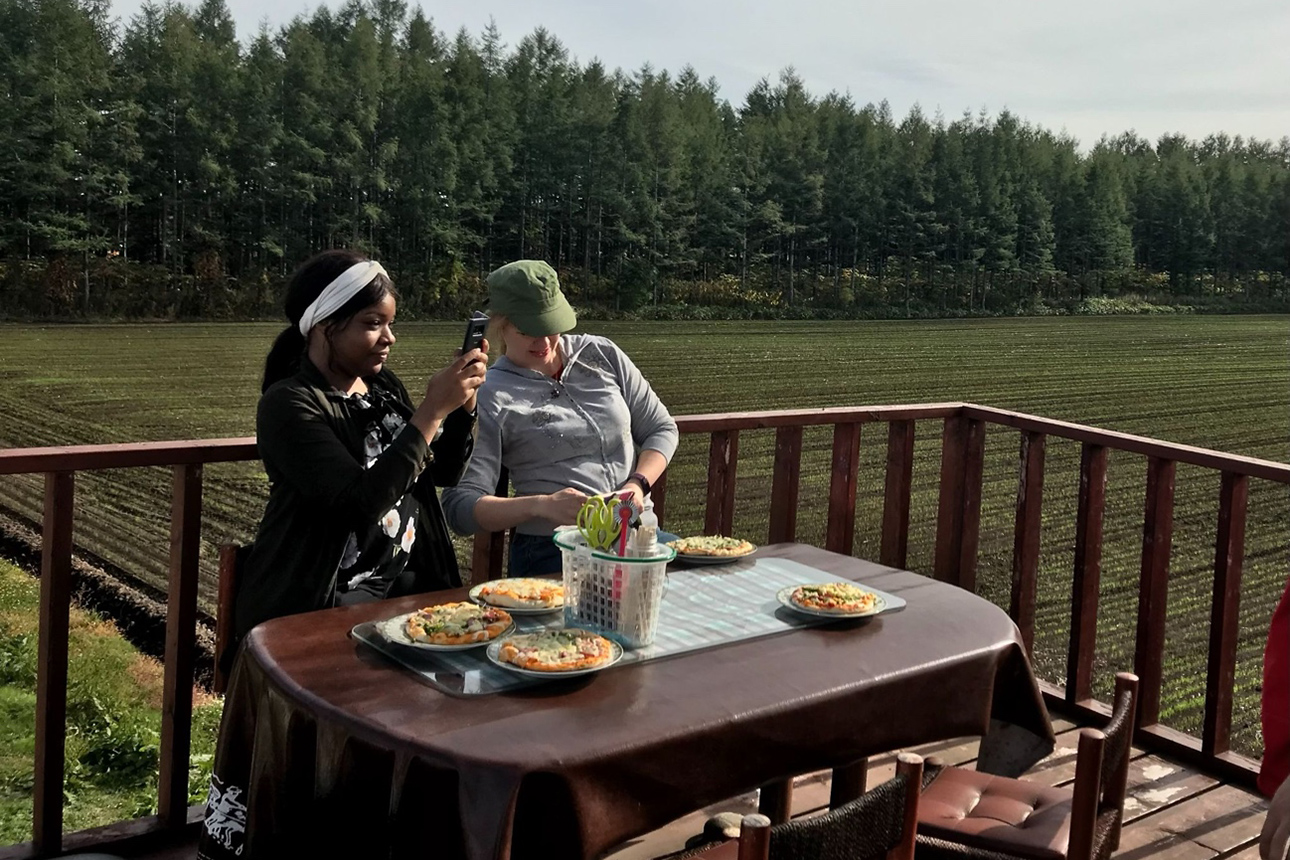
As one of Japan’s largest agricultural regions, Tokachi is also a destination rich in culinary experiences. One particularly memorable activity is creating your own original pizza using freshly made local cheese paired with ingredients unique to the Tokachi region, then enjoying it surrounded by the area’s vast natural landscapes. Moments like these transform a simple meal into something deeply connected to the land itself.
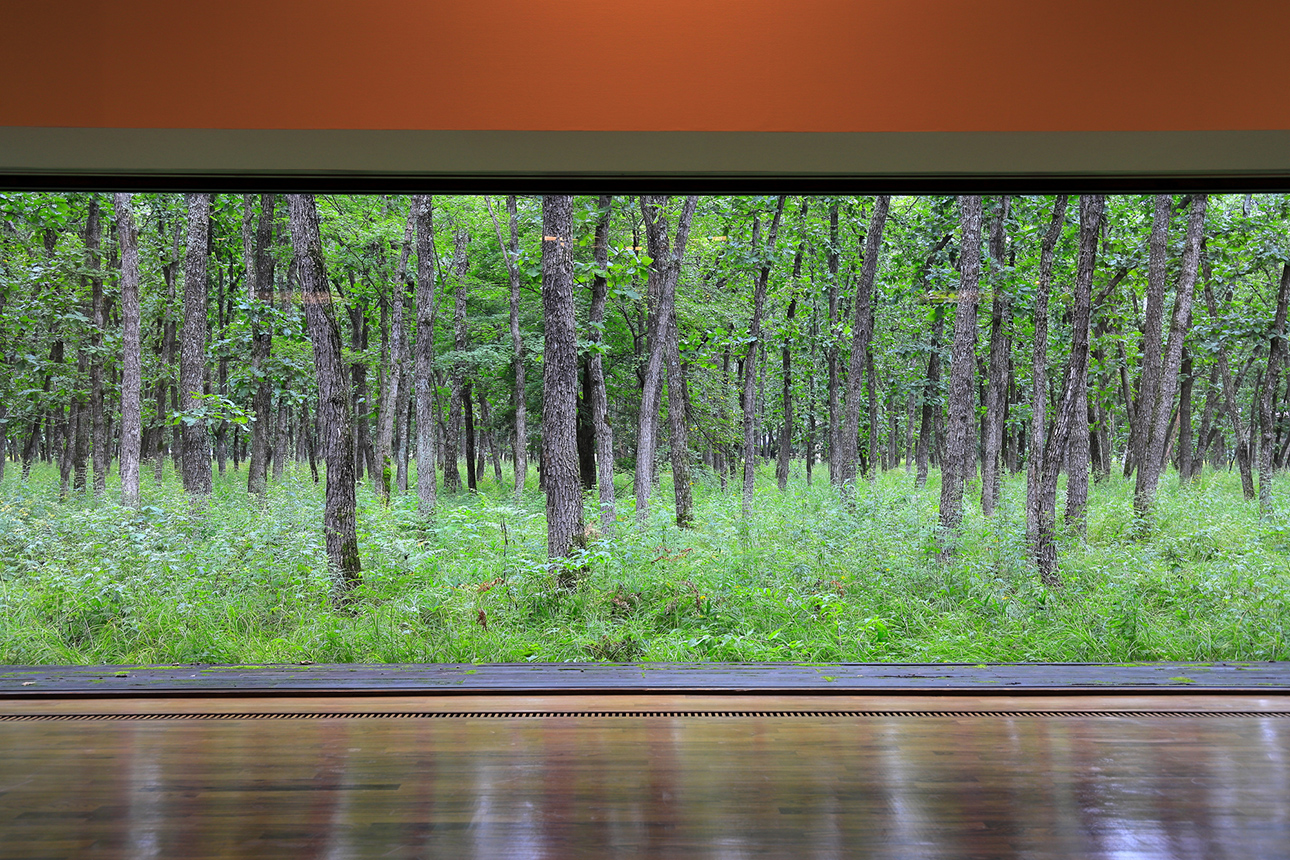
The area is home to the flagship stores of beloved Hokkaido confectionery makers such as Rokkatei Main Store, famous for its butter sandwich cookies, and Ryugetsu Sweetpia Garden, known for its signature birch-shaped Baumkuchen cakes. Naturally, both use 100% Hokkaido butter.
These flagship locations are far more than simple sweet shops. Visitors can observe the production process, stroll through gardens designed in harmony with nature, and enjoy spaces where art, landscape, and craftsmanship come together beautifully. Combined with experiences such as Tokachi’s famous moor hot springs and the unique spectacle of ban’ei horse racing, the region is ideal for a slower, more immersive style of Hokkaido travel.
For those interested in exploring Tokachi beyond its dairy culture, we have also introduced some of the region’s unique local experiences and landscapes in one of our previous columns.
Discover more about the charms of Tokachi here
In recent years, Tokachi has also become known as a pioneering region for environmentally conscious and health-focused dairy production. In the town of Hiroo in southern Tokachi, one farm now produces what is said to be Japan’s most premium organic milk, further elevating the region’s reputation for innovation and quality.
Across Tokachi, sustainable dairy farming practices that work in harmony with nature and local ecosystems are increasingly embraced. Many facilities now allow visitors to experience these initiatives at firsthand during their stay.
One notable example is Hoshino Resorts TOMAMU, where the concept of travel × agriculture is brought to life through resource-circulating tourism. Their Farm Hoshino project promotes sustainable agriculture by restoring beautiful rural landscapes, producing food within the resort environment, and creating a cycle in which milk is processed, consumed, and appreciated locally. It is an ambitious effort that blends agriculture, sustainability, and hospitality into a single experience.
And Tokachi’s creativity does not stop there.
A particularly fascinating initiative is a fashion brand called moment of MILK, born from a uniquely dairy-region challenge: surplus skim milk powder. By developing synthetic fibres derived from unused dairy ingredients, the brand began producing T-shirts as part of an innovative upcycling project that transforms excess resources into new value.
The concept has drawn considerable attention, with establishments such as the Michelin-listed Sapporo restaurant méli mélo adopting the garments as staff uniforms in support of the project’s philosophy. It offers an entirely new way to experience Hokkaido’s dairy culture—not simply by tasting it, but by wearing it.
In Tokachi, both traditional dairy experiences and more contemporary, value-added encounters coexist beautifully. Yet perhaps the most unforgettable experience of all is the landscape itself: vast open skies, endless fields, and cows peacefully grazing at their own rhythm. These scenes alone become lasting memories of Hokkaido.
We invite you to discover the hidden charms of Tokachi through a journey designed just for you.
The Journey Continues
What we have introduced here is only a small glimpse—merely the prologue to a journey through Hokkaido, Land of Milk.
As someone who loves travelling myself, I always enjoy discovering the unique flavours and cultures of different regions. Yet whenever I return to Hokkaido, I am reminded of something simple but unmistakable: even an ordinary café latte or cappuccino tastes completely different here. It is then that I realize how much the rich quality of Hokkaido’s local milk quietly transforms everyday experiences.
So when you find yourself craving coffee during your travels, try a café latte, cappuccino, or cocoa made with fresh Hokkaido milk. You may be surprised by just how extraordinary it tastes.
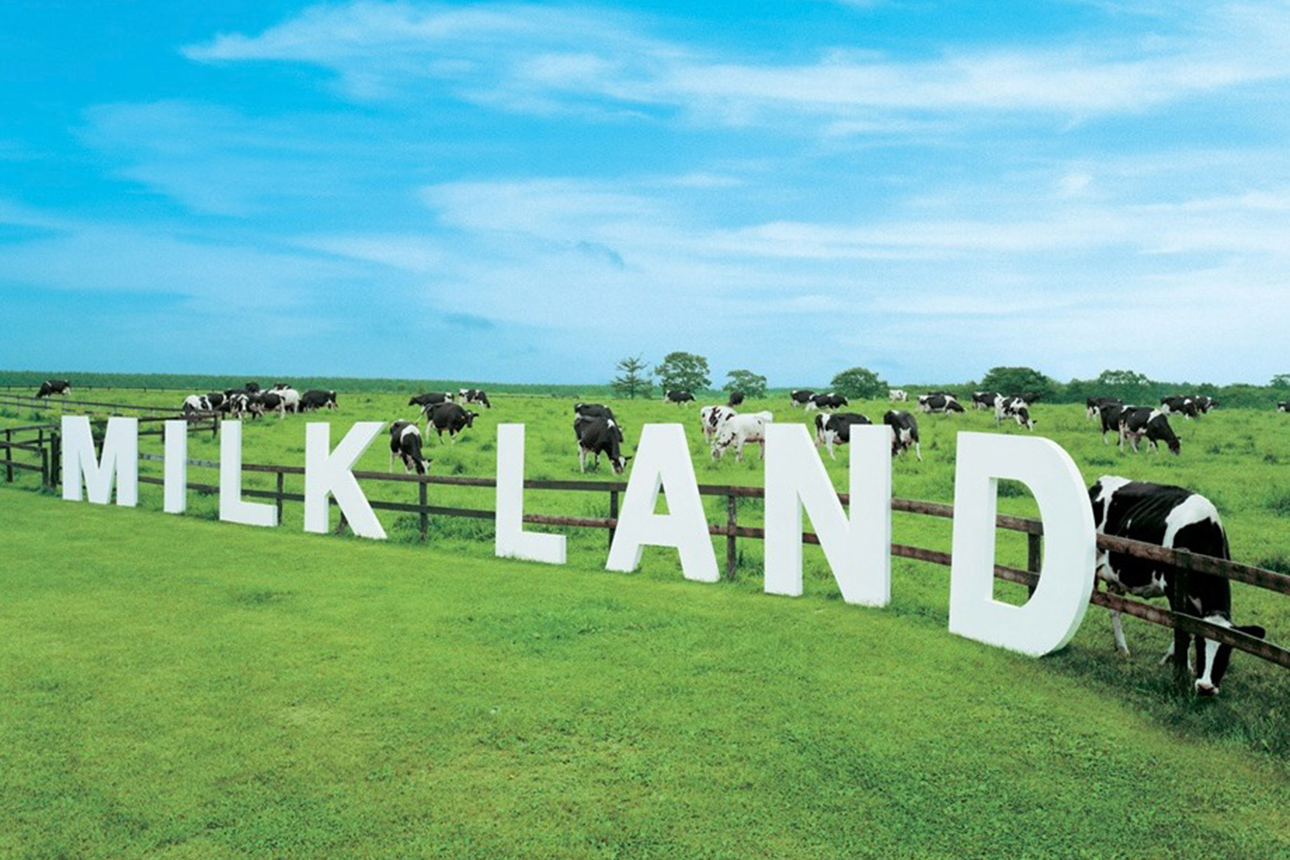
And beyond the famous dairy products, Hokkaido offers countless uniquely local flavours waiting to be discovered—traditional butter candy, creamy clam chowder made with Hokkaido seafood, even creative dishes such as carbonara udon. One of the joys of travelling through Hokkaido is finding flavours that become your own unique memories.
Perhaps your journey can evolve from simply admiring beautiful scenery into something deeper: a journey that connects with and supports the industries, culture, and people of the land itself.
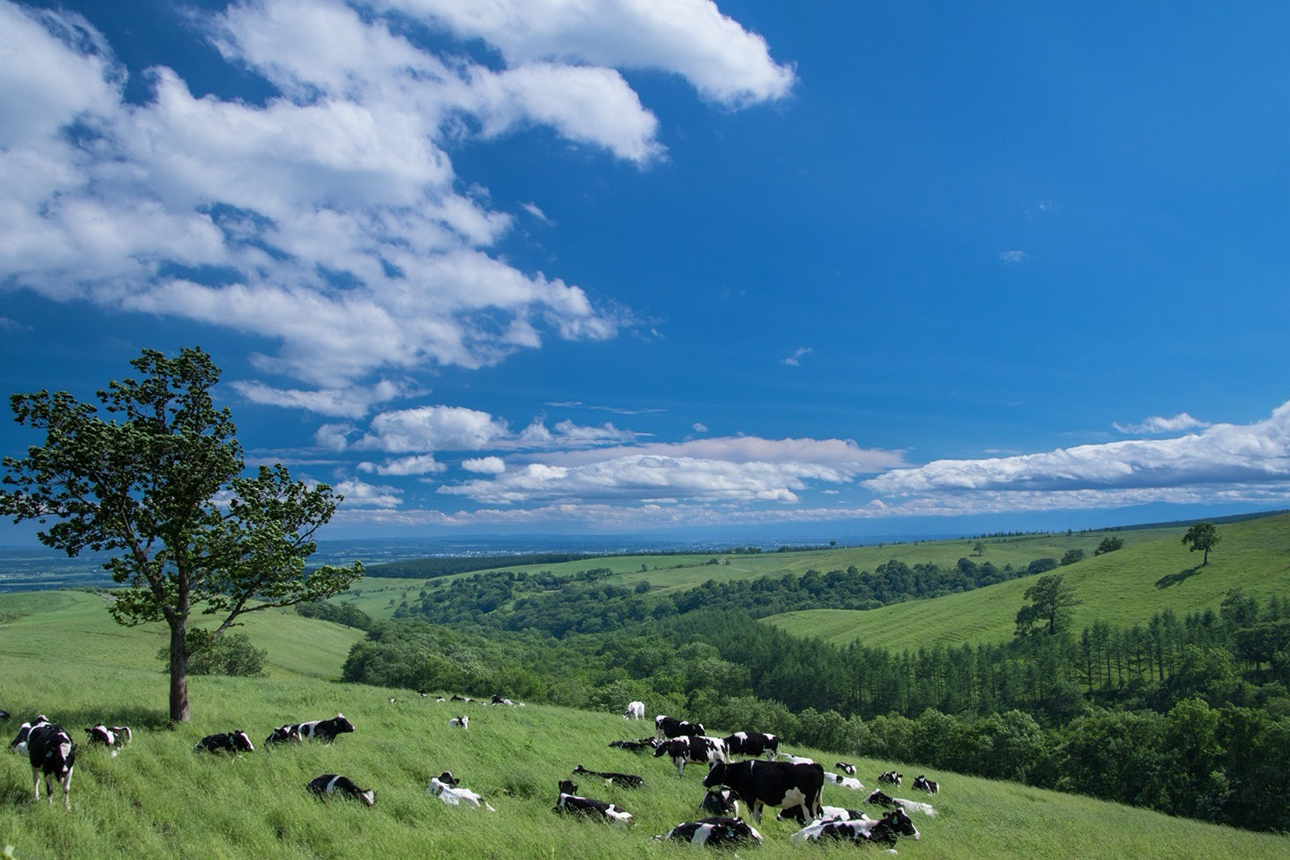
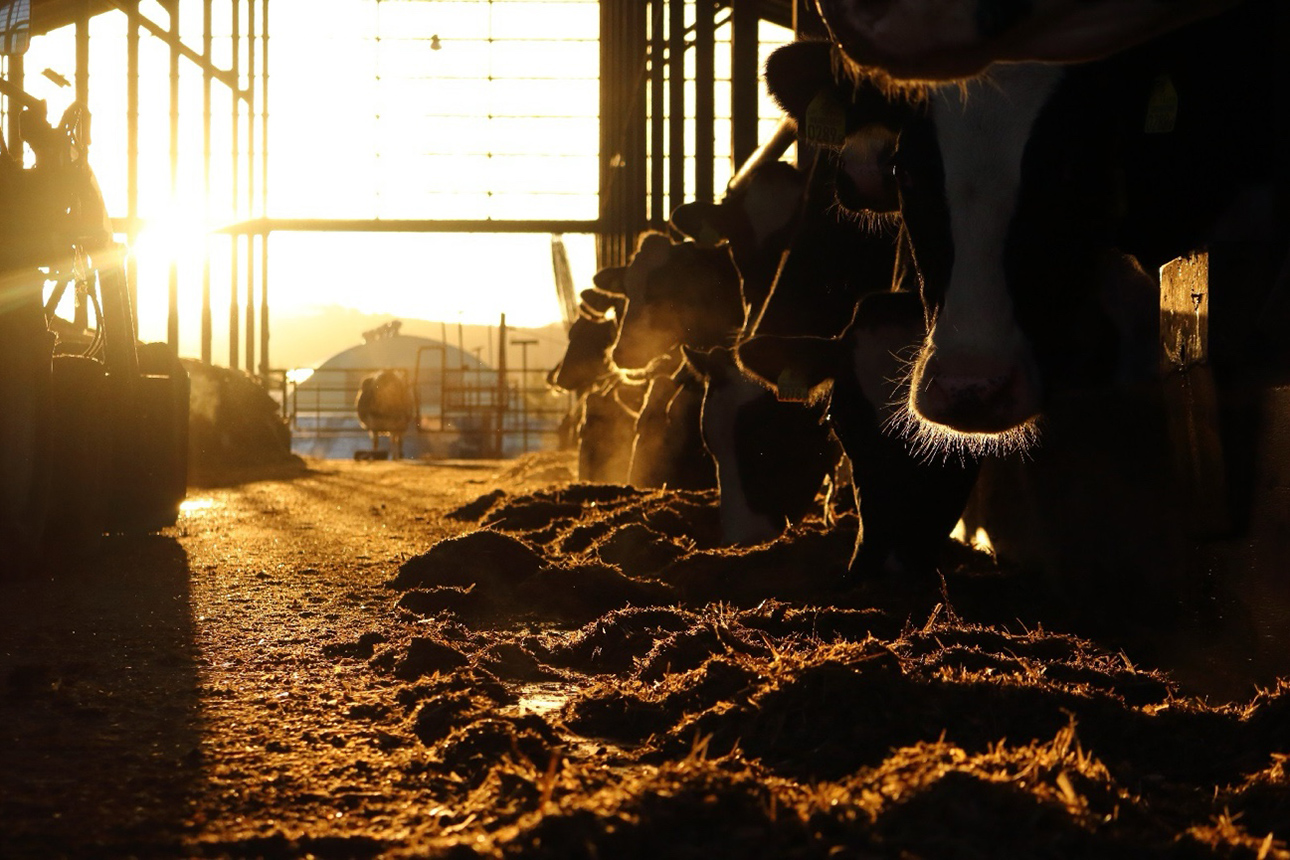
Let us, Hokkaido Treasure Island Travel Inc., create an original Milkland Hokkaido Land of Milk experience designed just for you. Our travel consultants carefully tailor each journey according to your interests, travel style, group size, and personal goals, transforming this story into your own unique route across Hokkaido.
Through private transportation and dedicated consultants, we offer experiences that cannot be found in guidebooks, on Google Maps, or through AI alone: hidden farms not listed on tourist maps, quiet countryside cafés known only to locals, and authentic dairy experiences far from ordinary sightseeing.
By engaging directly with the people, places, and culture behind Hokkaido’s dairy world, your journey becomes more than simply viewing beautiful landscapes—it becomes a meaningful encounter with the industries and traditions that sustain them.
We look forward to welcoming you to Hokkaido and helping you create a journey that is truly your own.
Your very own Hokkaido Land of Milk story is waiting to begin.