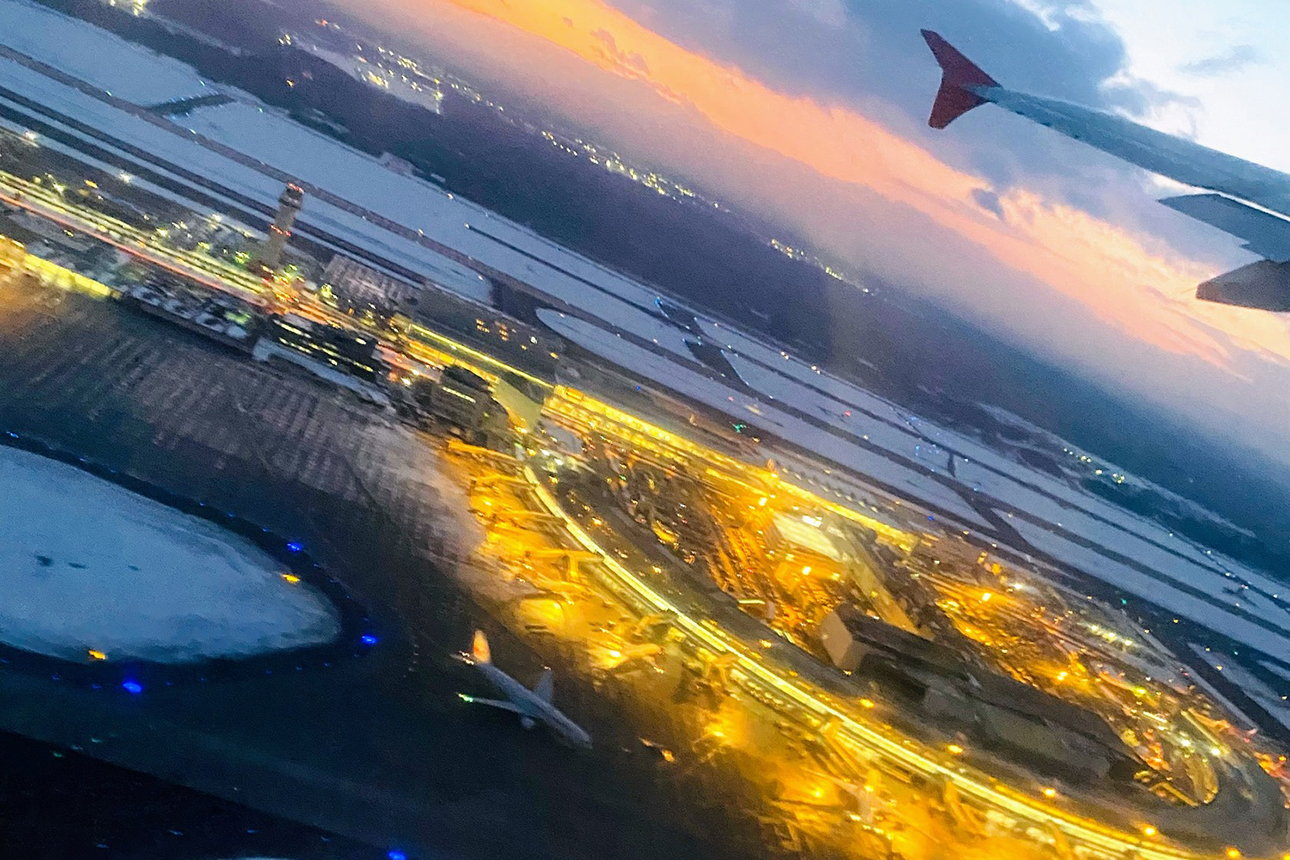
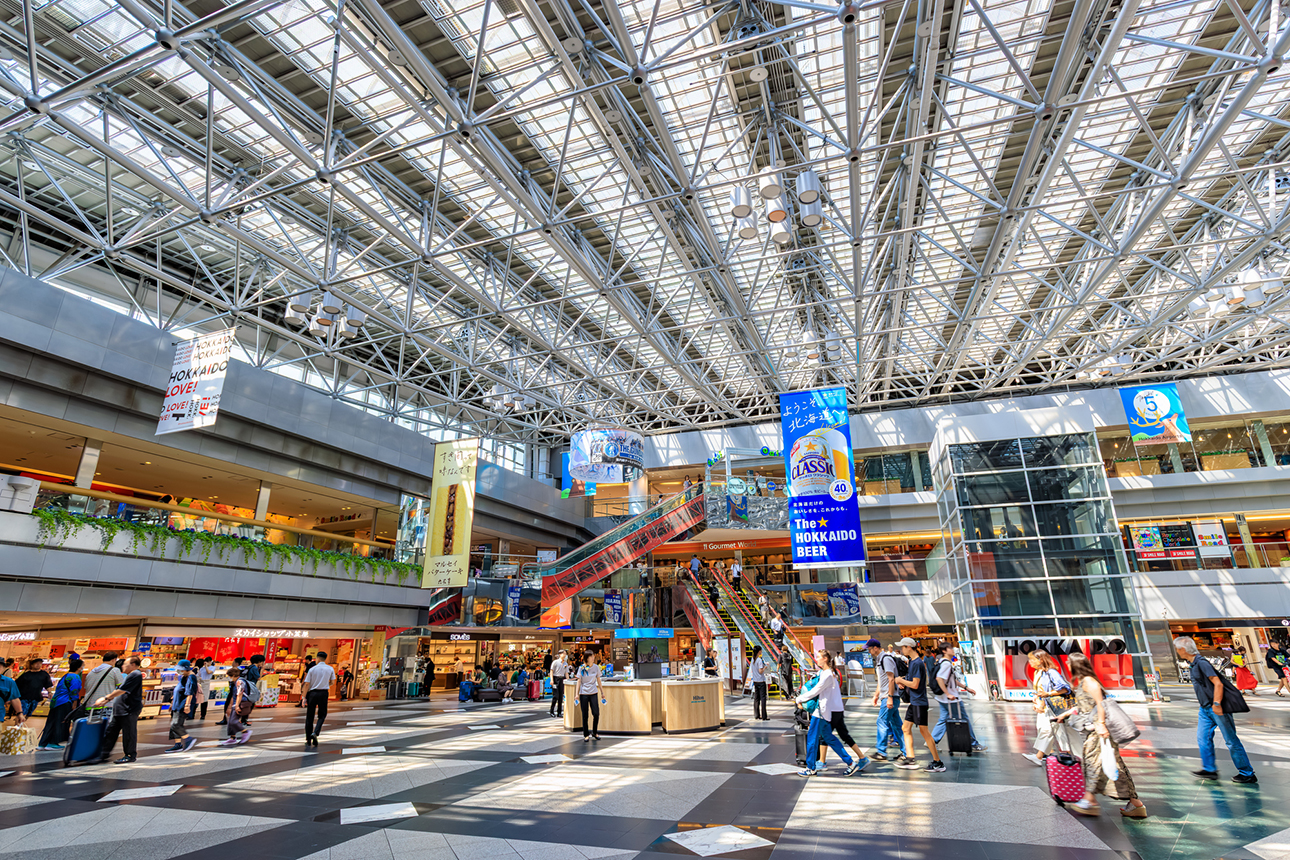
Welcome to Hokkaido! You’ve finally arrived at New Chitose Airport, the gateway to Hokkaido. Where will you head first? Most of you will likely choose Sapporo, the capital of Hokkaido. But wait a moment. In fact, right here in the Chitose area, where the airport is located, there are tranquil, deep forests and lakes that can soothe your travel fatigue, all surprisingly close by.
Before heading to your next destination, why not start your journey by experiencing the blessings of nature in the Chitose area, and enhance your physical and mental well-being?
Hokkaido Treasure Island Travel Inc. proposes an initial stay right here in the Chitose area that allows you to rejuvenate your mind and body amidst nature, thereby enhancing the quality of your journey, and we’re here to help you make the most of it.
Treasure of the Northern Land: Healing Crystal Clear Water
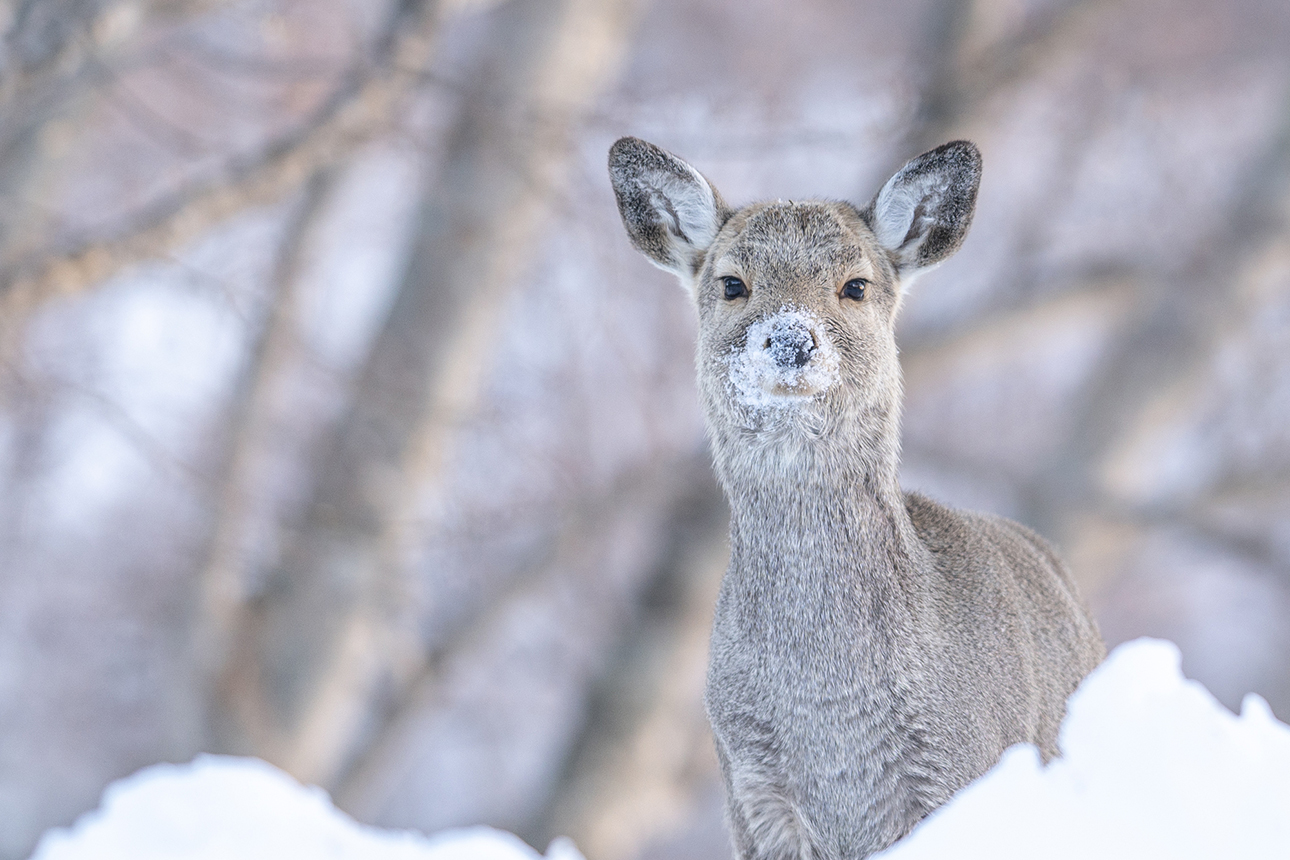
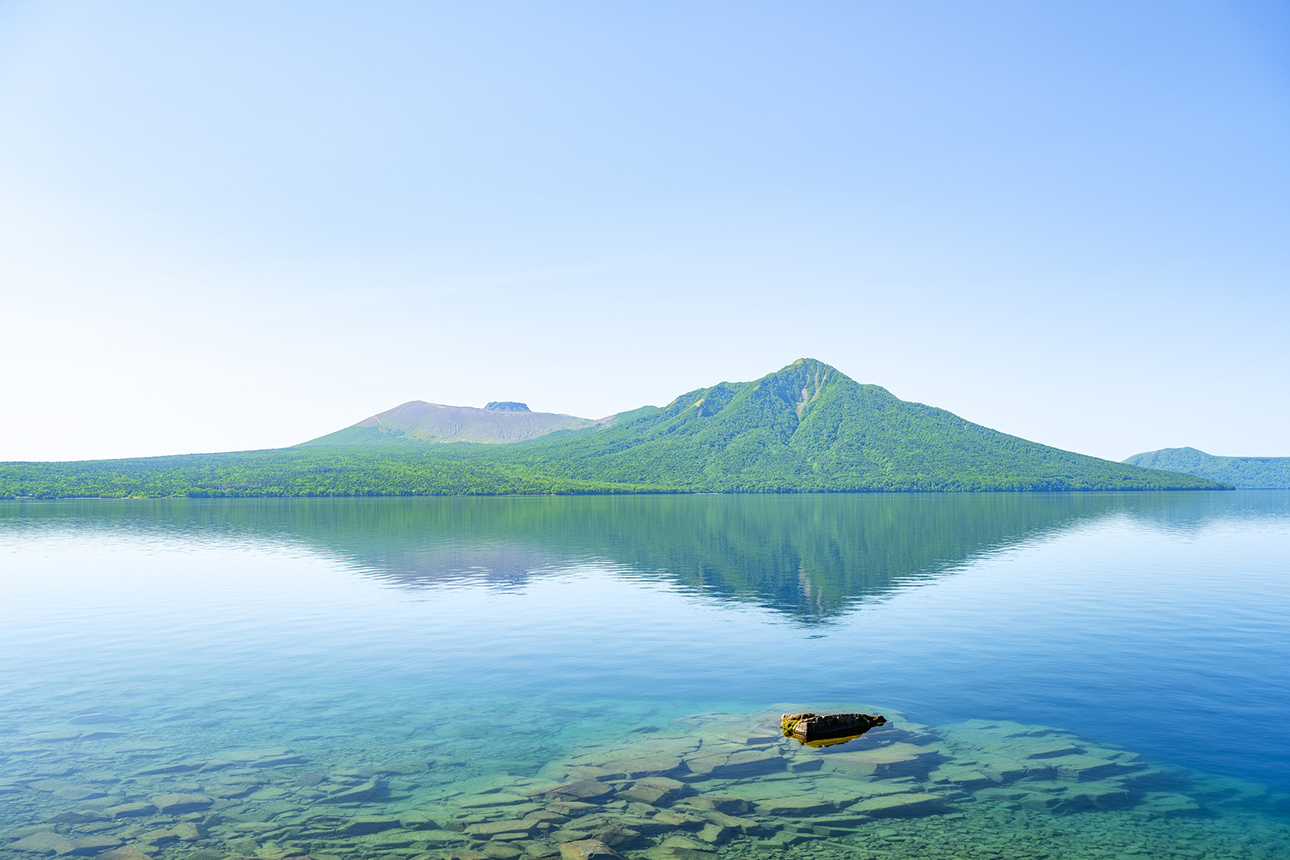
After leaving the airport, you’ll travel along a road through larch and birch forests for about 40 minutes, enjoying occasional encounters with grazing Yezo-sika deer. You’ll then arrive at Lake Shikotsu, a mystical lake with deep blue water. Located within Shikotsu-Toya National Park, its blue hue is known as Shikotsu-ko blue (Lake Shikotsu blue), and it boasts a beauty so captivating it feels as though you might be drawn deep into its abyss.
Mysterious Lake Shikotsu
The secret to its colour lies in its depth, which reaches 360 metres at its deepest point. As Japan’s second-deepest lake, and with a circumference of approximately 40 kilometres, it is also Japan’s northernmost unfrozen lake as it rarely freezes over.
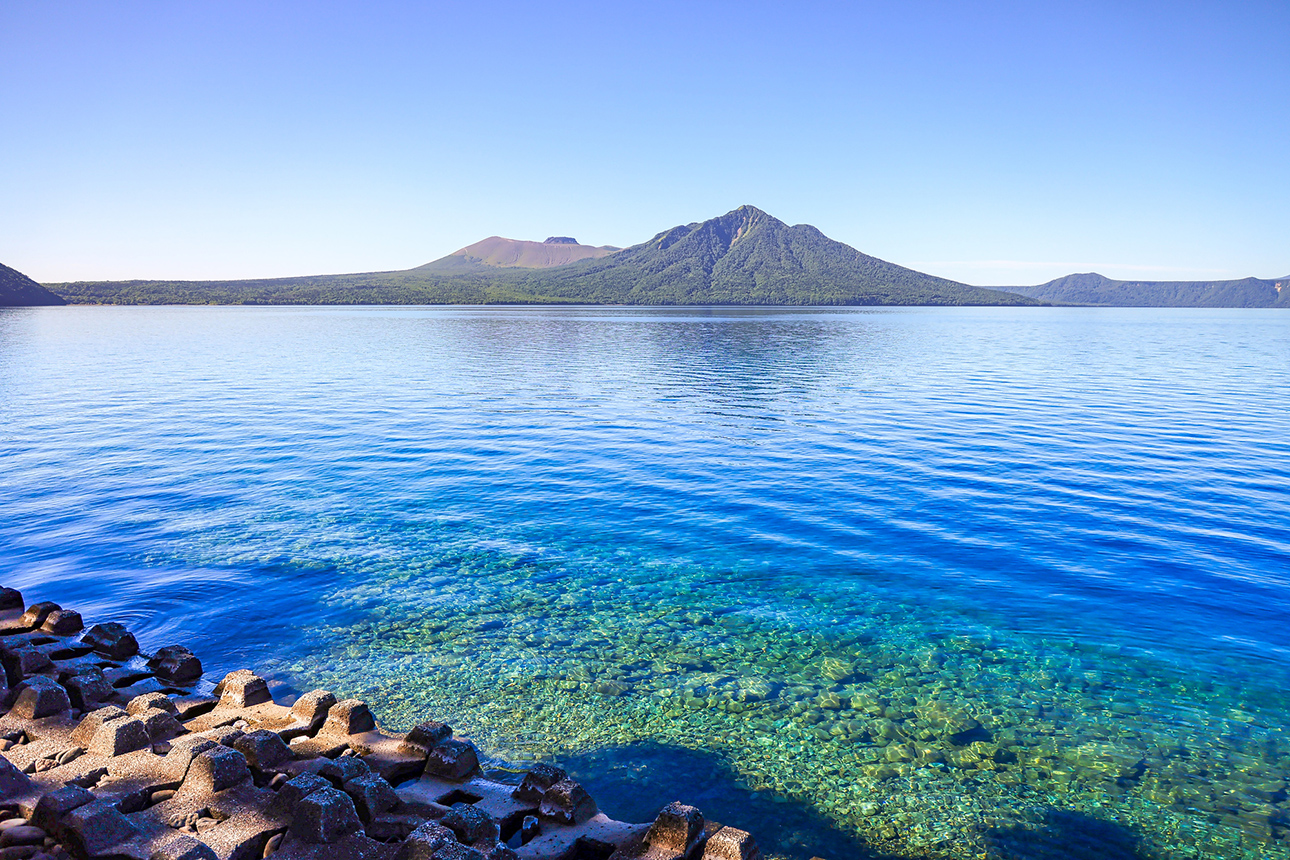
Looking out across the landscape, you’ll be captivated by the scenery woven by majestic natural forests and three active volcanoes—Mt. Tarumae and Mt. Fuppushi to the southeast, and Mt. Eniwa to the northwest. This lake was selected for 11 consecutive years as having the best water quality in Japan, and its clarity is among the finest in the country. The crystal-clear water, which can reach depths of 30 metres depending on the season, is like a jewel gifted by nature.
Rain falling and rustling the leaves, melting snow flowing from snowfields, thousands of dewdrops trickling down the evergreen moss—these drops of forest water eventually reach Lake Shikotsu as streams and underground watercourses. Because only one river flows out of this lake, it’s said to take a staggering 51 years for the lake’s water to be completely replaced.
When you consider that the water stretching out before you might have flowed into the lake half a century ago, you can’t help but feel the weight of time and history.
Special events and activities born from water, light, and greenery
Just taking in the scenery created by Lake Shikotsu and the surrounding natural landscape is soothing in itself, but it would be a shame to be a mere observer. Be sure to try out events and activities that let you experience the power and wonders of nature firsthand!
Journey on the water
If you want to get up close and personal with the water, why not try canoeing or kayaking, paddling out onto the lake or leisurely cruising down the Chitose River, the only waterway flowing out of the lake. Or perhaps give the recently popular SUP (Stand Up Paddleboarding) a try?
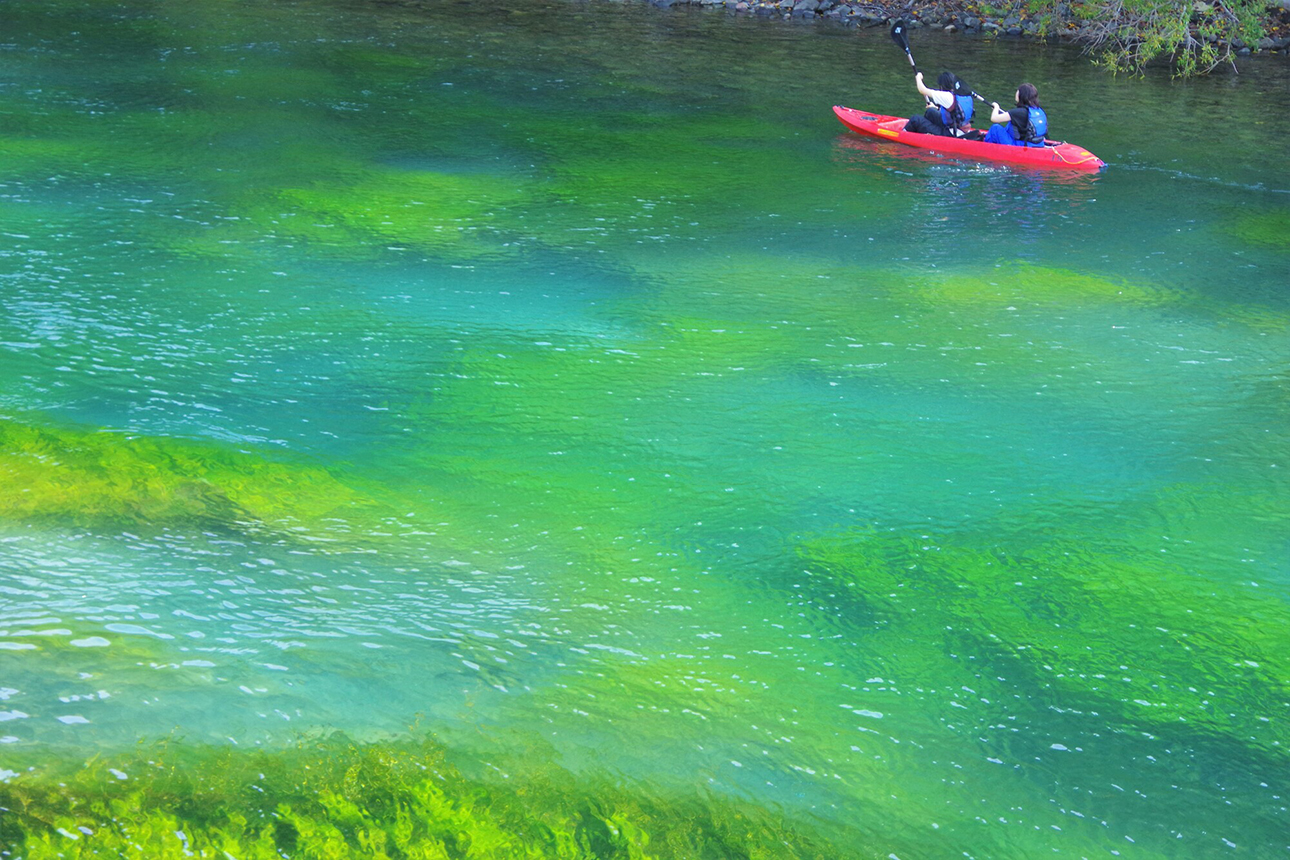
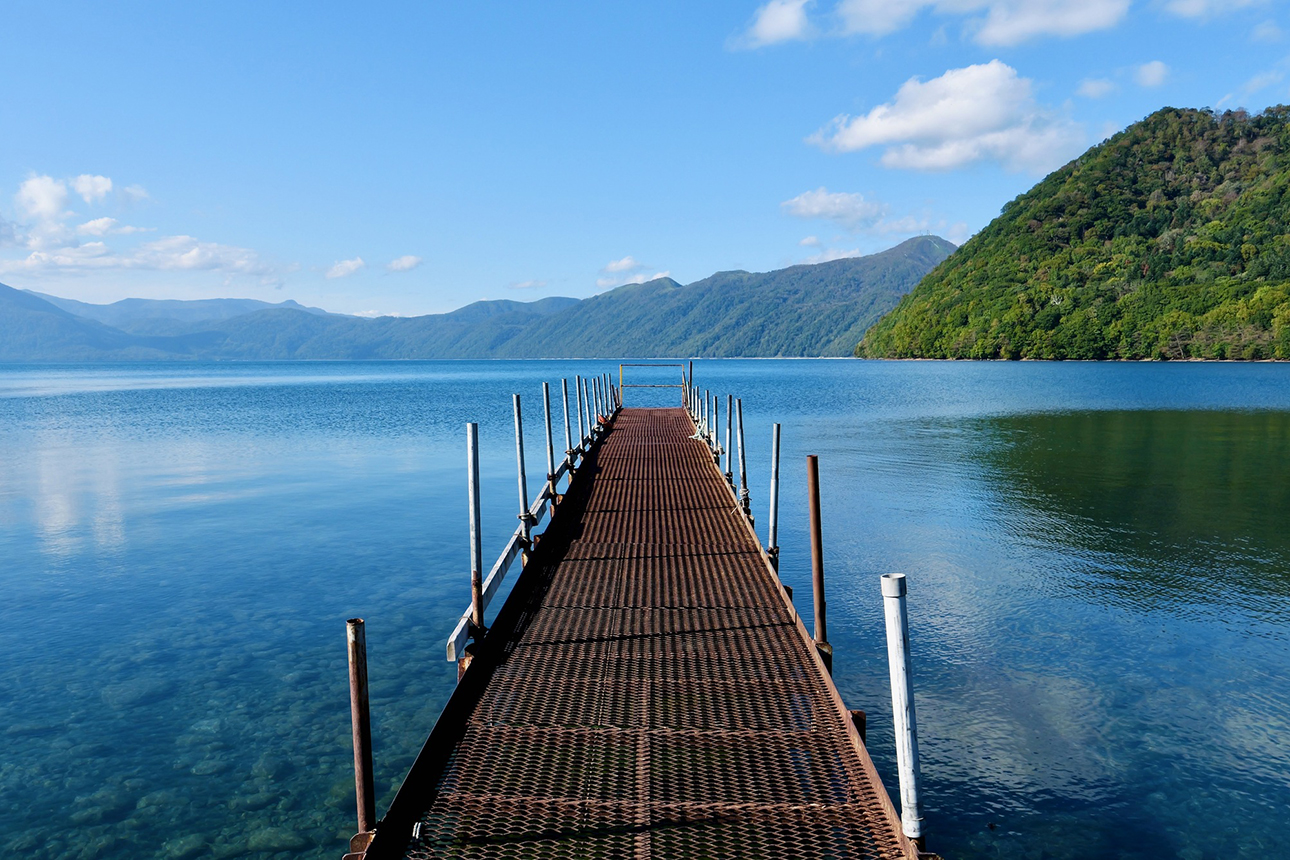
Because Lake Shikotsu boasts such high water clarity, we especially recommend a clear kayak with a transparent bottom or a fully transparent SUP board. In shallow areas, you can clearly see the lake bottom and riverbed, and at times, the water’s surface becomes like a mirror, reflecting the clouds and mountains for a breathtaking view. As you glide smoothly across the transparent water, you might even experience a strange sensation like floating on the surface yourself.

Since both kayaking and SUP involve paddling, they provide a bit of exercise. As the name suggests, SUP involves standing while paddling, so it also requires a sense of balance. With careful guidance from professional instructors and the use of safety gear, neither activity is difficult. Even beginners can feel safe and enjoy them.
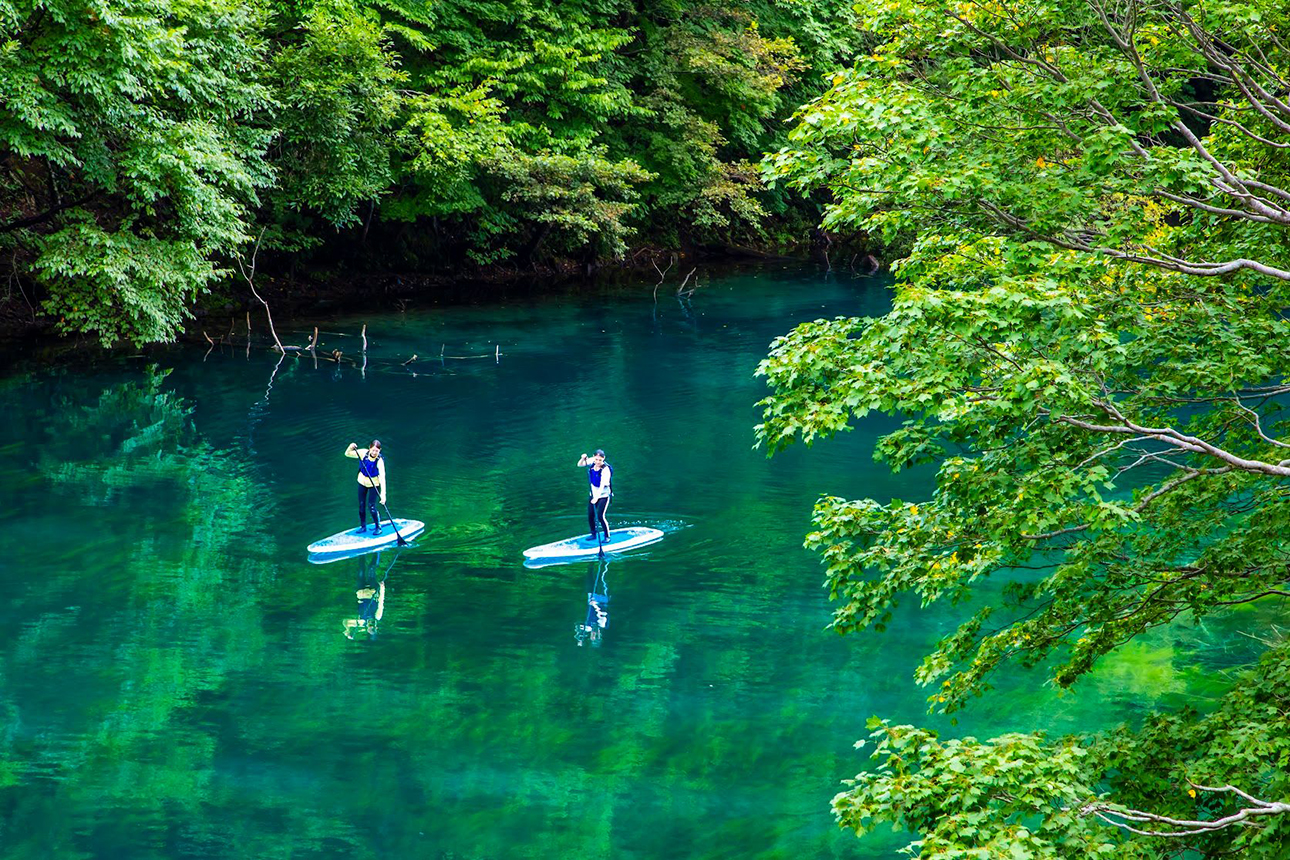
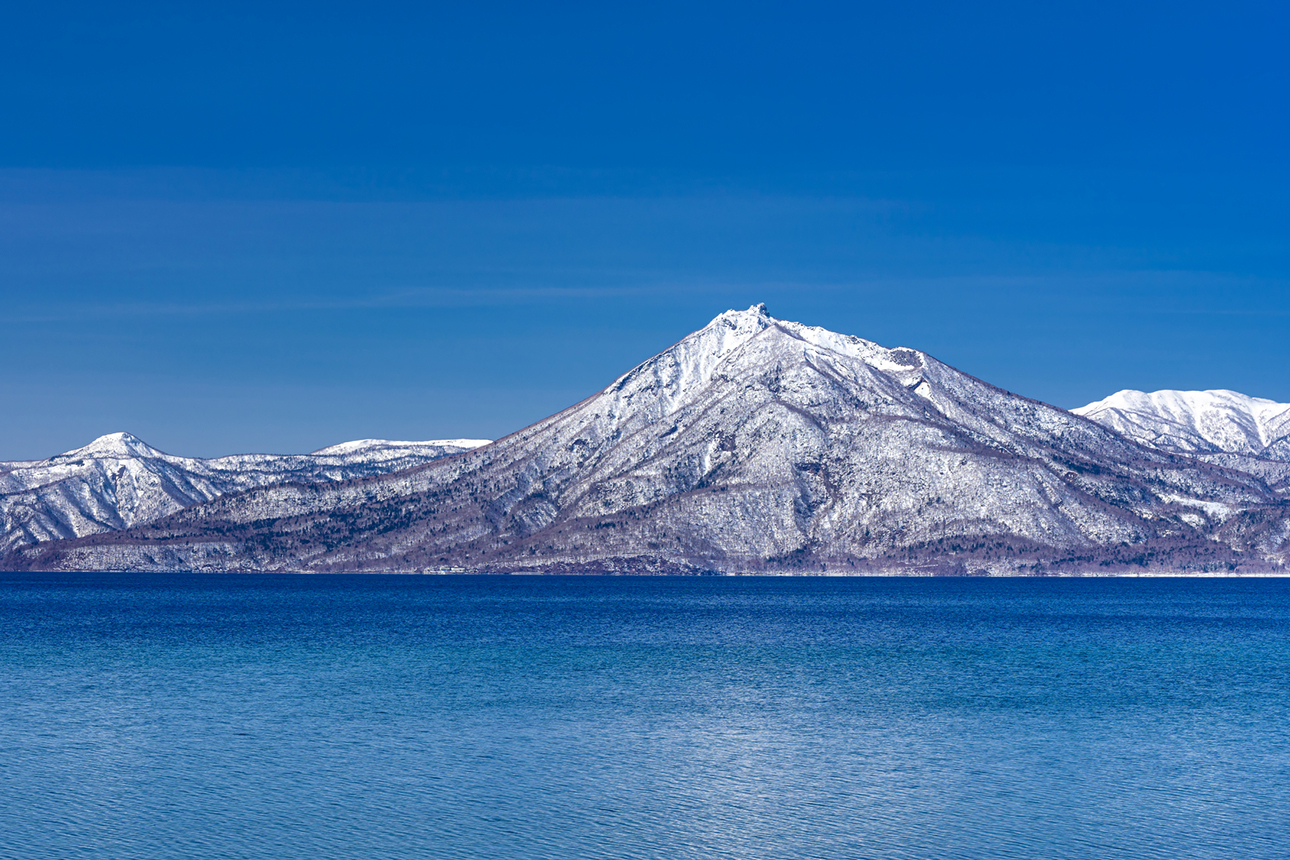
A particularly noteworthy benefit of Lake Shikotsu, which rarely freezes, is that these activities are available year-round. Thanks to this, you can enjoy the lake and the ever-changing scenery of the surrounding area at any time of year, including winter. In spring, the fresh greenery is accented by cherry blossoms and magnolias; in summer, by the vibrant new foliage; in autumn, by the colourful autumn leaves; and in winter, by the vast snowfields. These seasonal scenes are reflected on the lake’s surface, and the contrast they create with the lake’s blue waters are truly breathtaking.
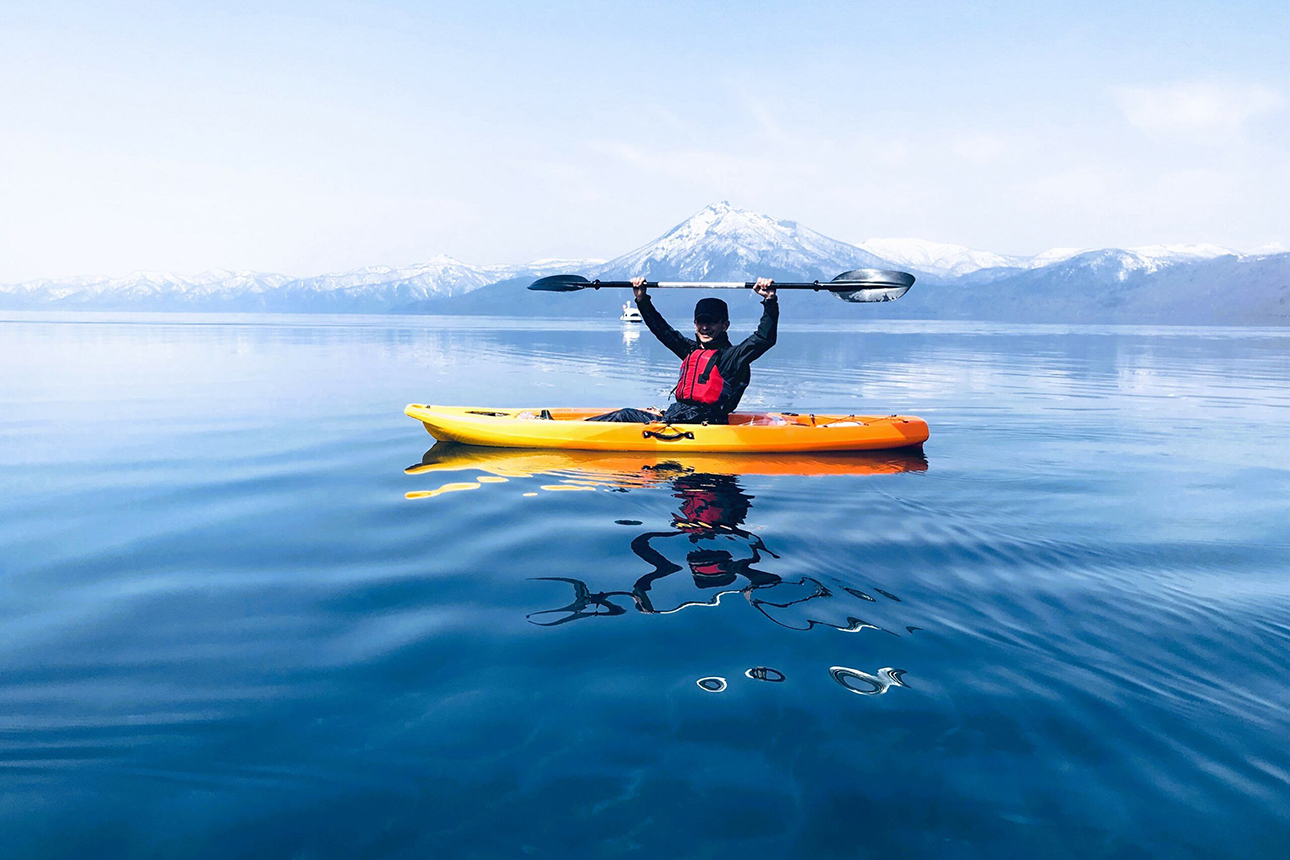
Whether you’re building a little muscle or honing your sense of balance, as you move slowly through the silence—sometimes listening to the chirping of various birds, sometimes touching the fish and feeling the spark of life—you’re guaranteed to refresh both your mind and body while fully immersing yourself in nature.
A Festival with Two Faces
Giant ice sculptures appear on the shores of Lake Shikotsu in the depths of winter; these are the stars of the Lake Shikotsu Ice Festival. Held for nearly a month, primarily in February, this festival is one of Hokkaido’s premier winter events, attracting over 100,000 visitors each year.
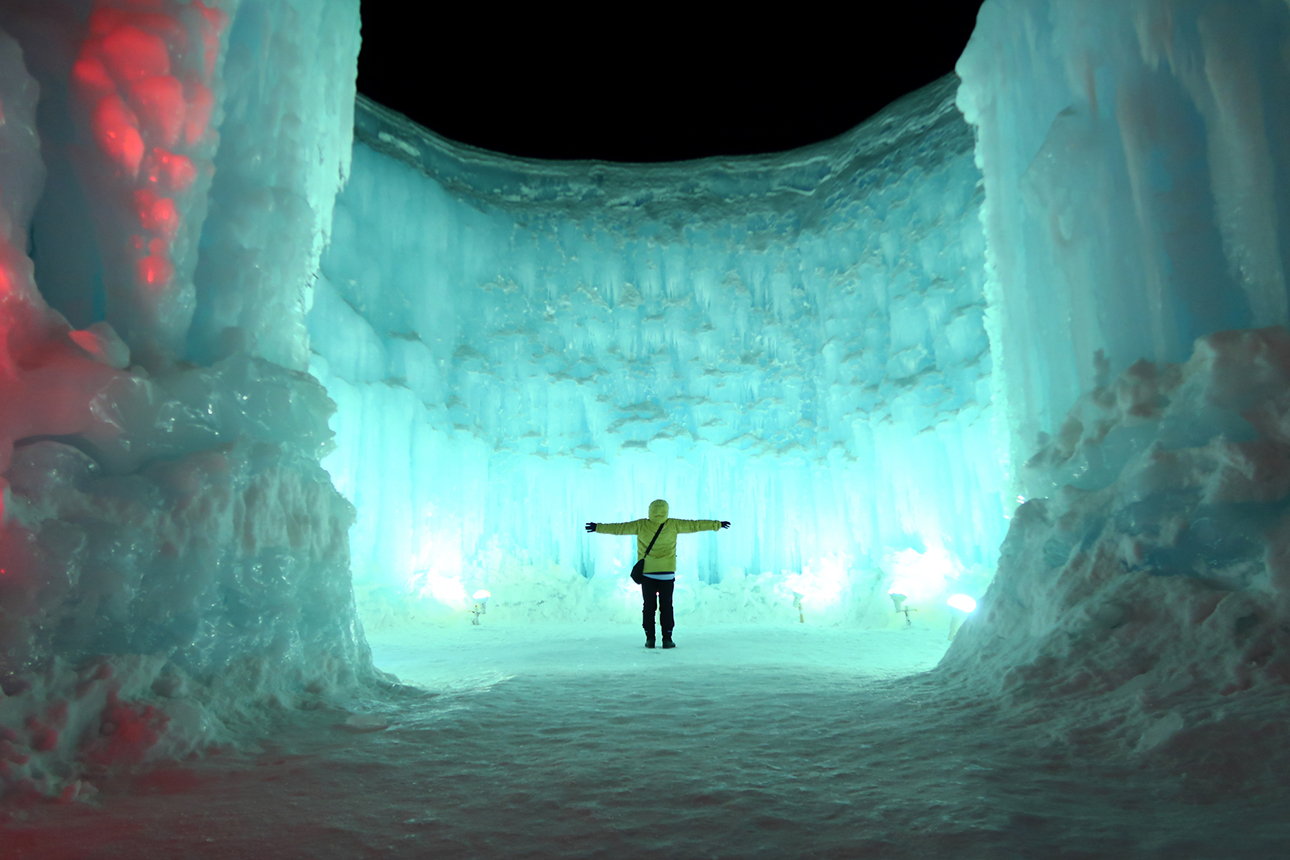
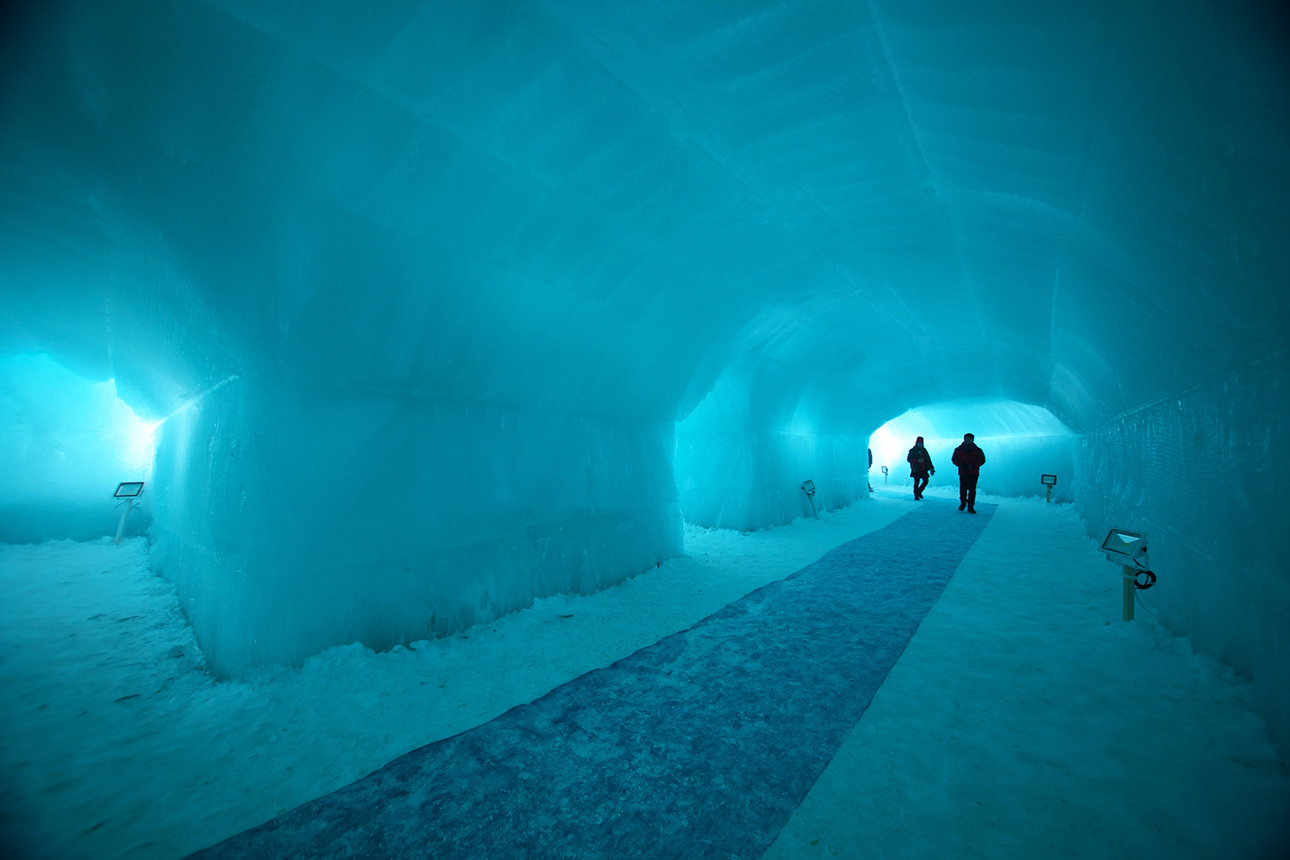
In fact, these iconic sculptures reveal completely different faces by day and by night: during the day, they take on a beautiful, bluish-white, fantastical form that embodies Shikotsu-ko blue in a unique way, while at night, they captivate visitors with a dazzling display illuminated by vibrant, multi-coloured lights.
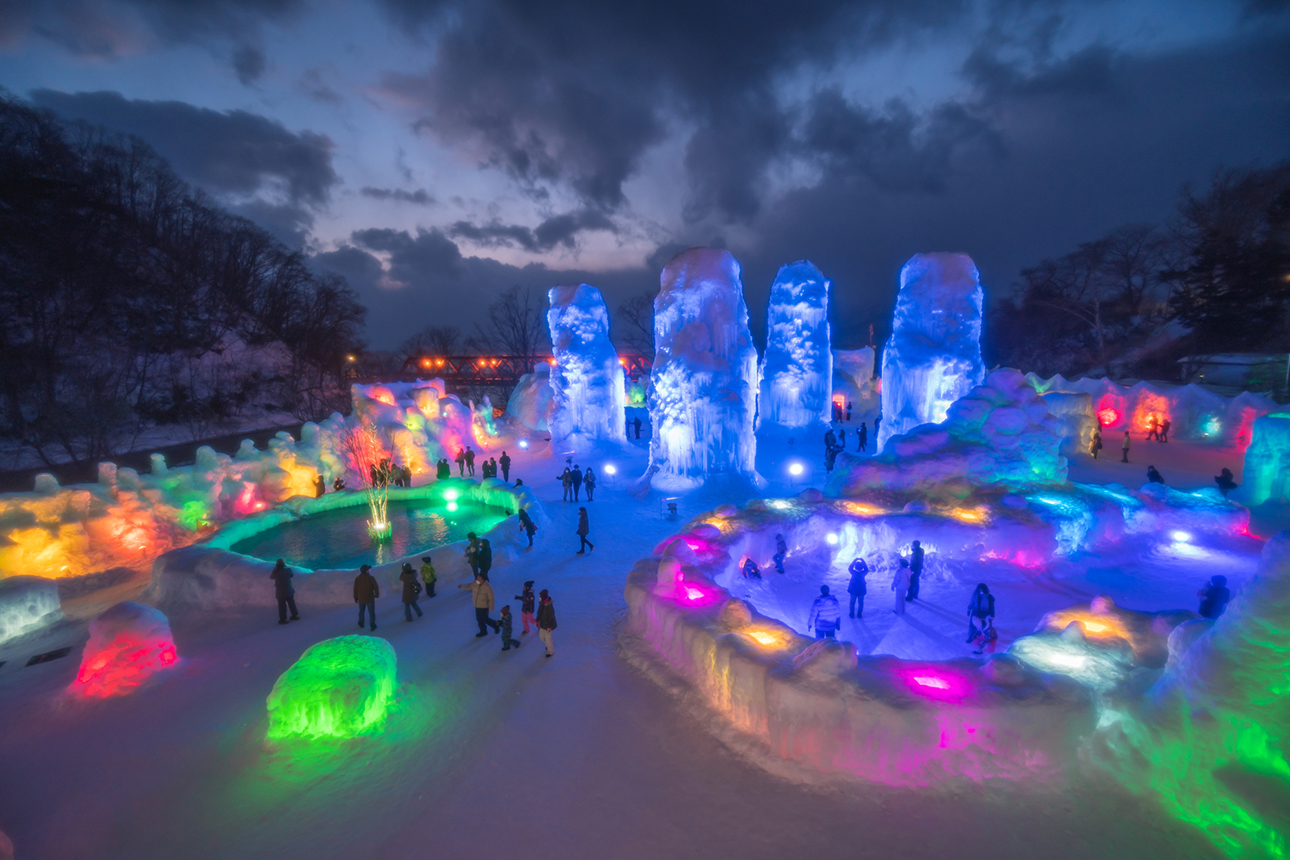
Often described as an ice art museum, this event is the culmination of great efforts by the people working at Lake Shikotsu, who devote an enormous amount of time to the preparatory work. Around late November, construction begins on the frameworks that form the foundation of the ice sculptures. Around late December, once the outside temperature drops below freezing, water from Lake Shikotsu is pumped up and sprayed onto the frameworks to gradually build up the ice sculptures. This process is only possible because the water in Lake Shikotsu does not freeze even in the depths of winter. These ice sculptures are created through round-the-clock spraying operations even on bitterly cold nights—the vibrant festival is sustained by the harsh winter climate and this painstaking work.
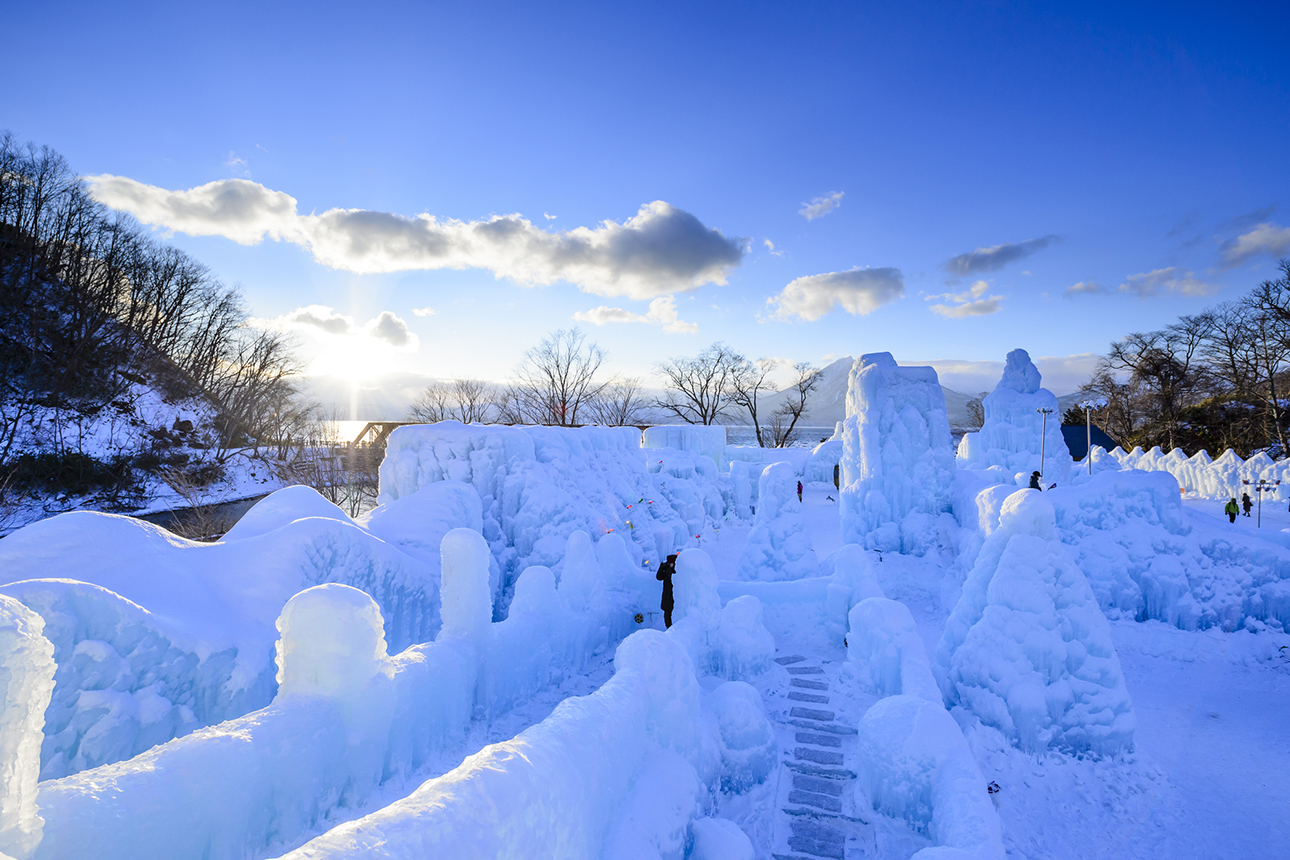
Why not experience the beauty and wonder of Lake Shikotsu’s water by seeing, touching, and being moved by these works of art which are crafted from lake water and brought to life by the interplay of natural light during the day and artificial light at night?
A Hidden Green Paradise Created by Nature: The Moss Corridor
If you’re a fan of Japanese anime, you don’t want to miss the Moss Corridor—a place that evokes the mysterious world of Hayao Miyazaki’s Spirited Away. Why not go trekking through this hidden green paradise where moss, which is usually just a supporting character in the corners of gardens and parks, takes centre stage?
Located near the shores of Lake Shikotsu, this hidden gem remains largely untouched by tourism and has few landmarks, making it a bit of a challenge to reach.
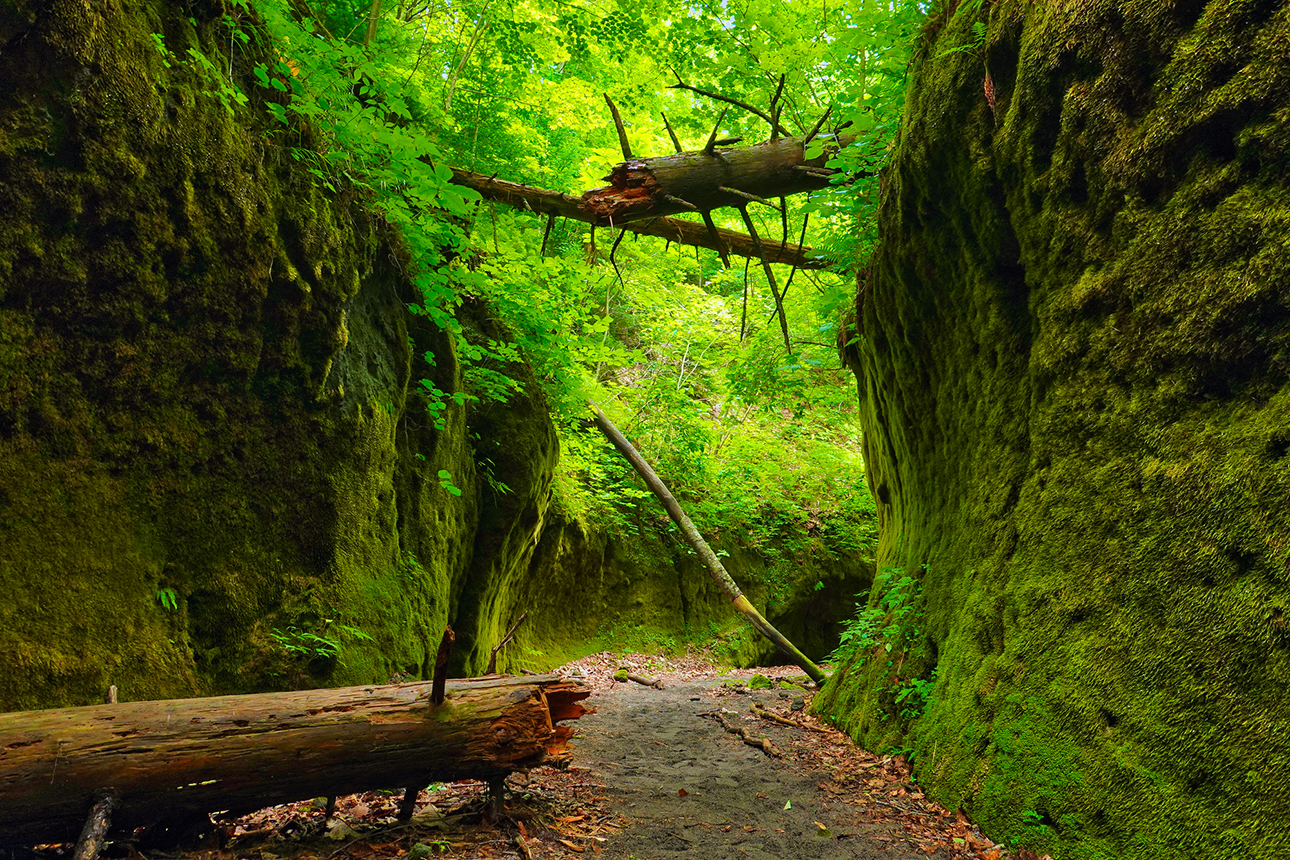
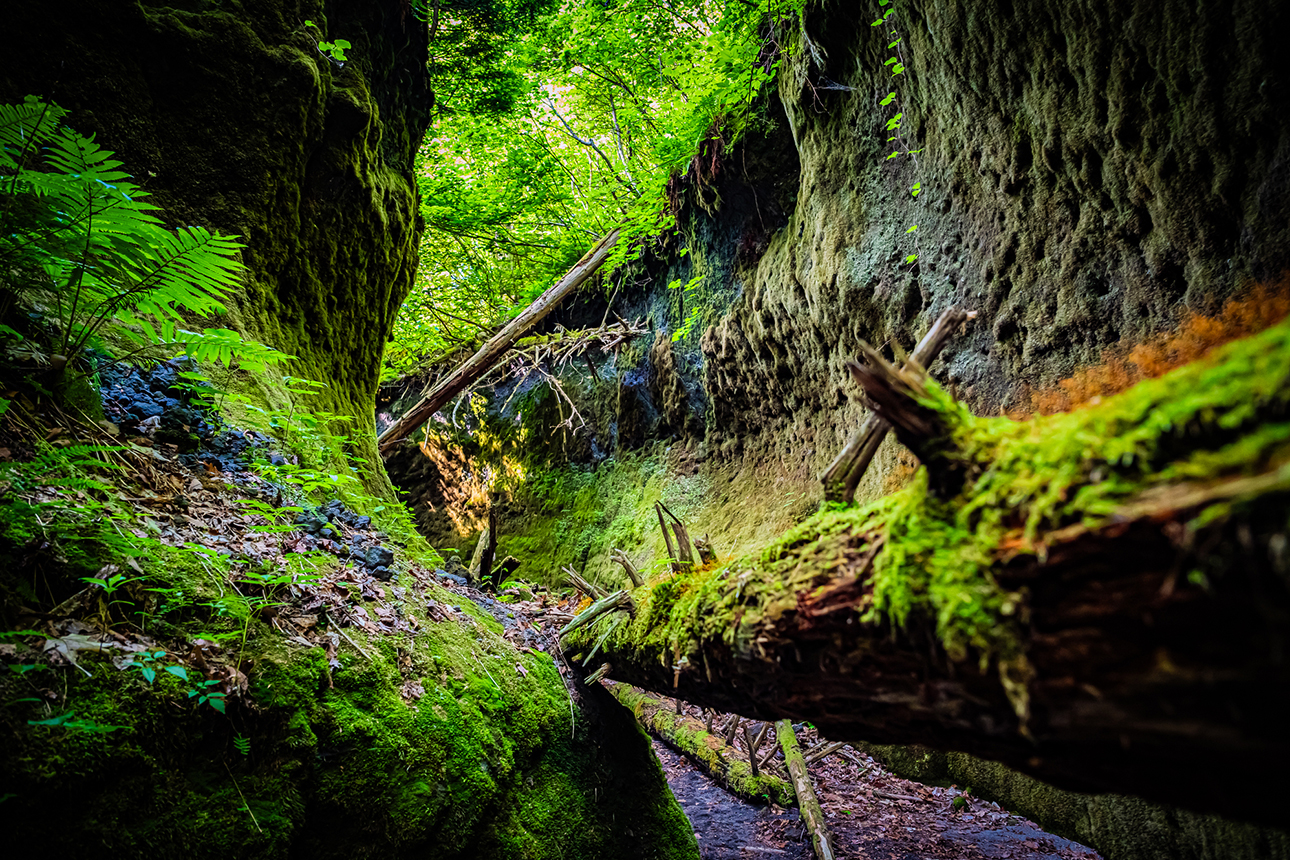
Located about a 20-minute walk from the southeastern shoreline of Lake Shikotsu —at the foot of the northwestern slopes of Mount Tarumae—is a unique and mystical landscape where moss covers the 4- to 5-metre-high rock walls towering on both sides of the path like a carpet. This green corridor, stretching for several hundred metres, is a valley formed by the lava which flowed out when Mount Tarumae erupted 300 years ago solidifying into welded tuff, which was then eroded by debris flows and other forces. The artistry created by the moss that has naturally appeared on this terrain, shaped over such a long period of time, is nothing short of spectacular.
With a diverse variety of moss species, colours that change with the seasons, and the ever-shifting appearance of the surrounding trees, you can enjoy breathtaking views throughout the year. Walking through this mystical, otherworldly space enveloped in cool, crisp air is sure to provide mental and physical healing.
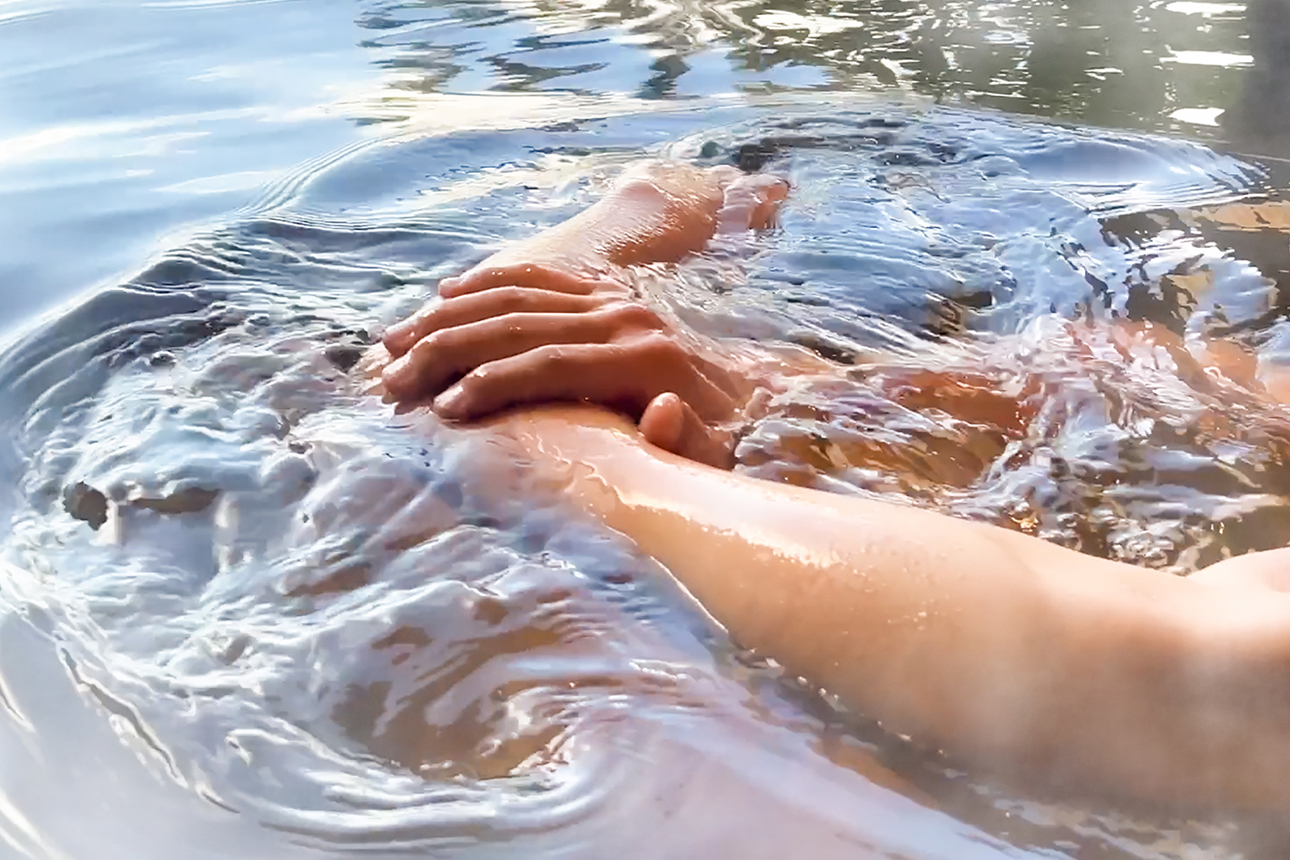
Hot Springs Blending with the Lake
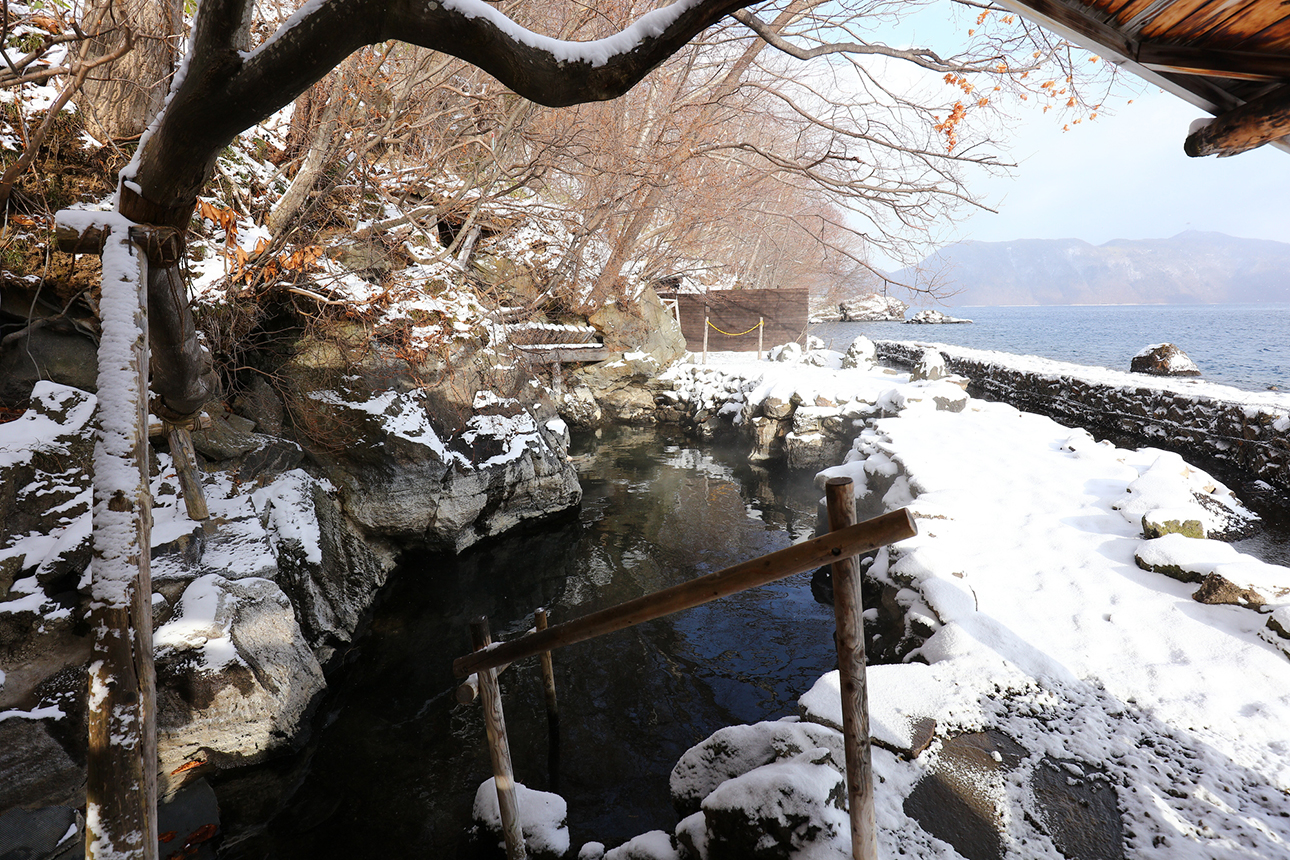
If you’re seeking deep, inner healing, hot springs are the place to start. These natural manifestations of the earth’s bounty abound along the shores of Lake Shikotsu, which is surrounded by active volcanoes, and you can choose from several hot spring hotels to suit your preferences. The one we’d particularly like to highlight this time is Marukoma Onsen, a secluded hot spring located on the northwestern shore of Lake Shikotsu, at the foot of Mt. Eniwa.
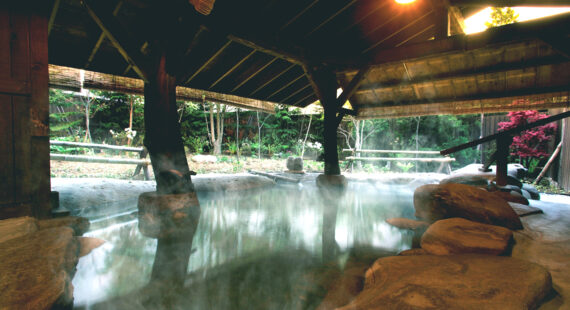
This spot offers a completely different atmosphere from Lake Shikotsu Onsen on the northeastern shore of the lake—the only developed tourist area with a cluster of hotels, souvenir shops, and restaurants. Here, you’ll find just a single, modest inn: the Marukoma Onsen Hotel. Far removed from the hustle and bustle of tourist areas, it is a quiet hotel nestled in the heart of nature. While you can enjoy a panoramic view of Lake Shikotsu from the indoor and outdoor hot spring facilities, the true reason it is called a “hidden hot spring” lies in its natural unspoilt open-air bath.
This natural onsen, said to be one of only about 20 places nationwide where hot spring water bubbles up directly from the ground, features a rustic design that is separated from the lake only by rocky shores. Its appearance has remained unchanged since the hotel’s founding. Because it is connected to the lake, the water is just like that of Lake Shikotsu—colourless and transparent. The depth of the bath fluctuates with the seasons, always matching the water level of Lake Shikotsu. It could be as shallow as 40 centimetres in winter and, during periods of heavy rain, it could be so deep that you would have to remain standing.
How about relaxing in this natural hot spring that allows you to fully experience the grandeur of Hokkaido, while enjoying the feeling of having Lake Shikotsu all to yourself right in front of you?
Abundant Blessings: Delicious Local Food and Specialty Products Cultivated in the Water and on Land
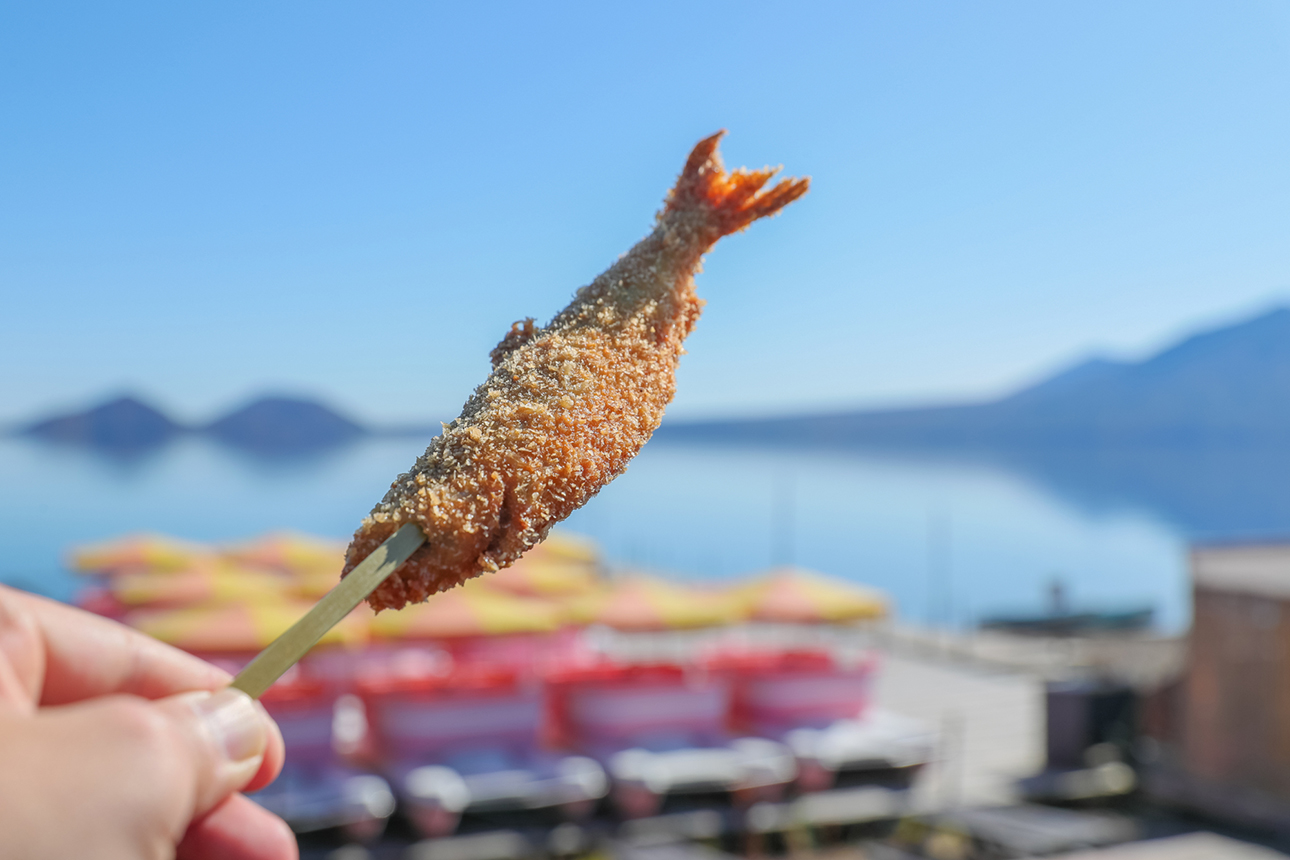
Enjoy Local Food Culture
One of the greatest joys of travelling is, of course, savouring local flavours! The Chitose area is also blessed with a variety of specialties. Let’s take a look at a few.
Shikotsu-ko Chip
Above all, you simply can’t miss the Shikotsu-ko chip, a specialty fish raised in Lake Shikotsu that can only be enjoyed here.
Chip is the Hokkaido regional name for himemasu, a landlocked sockeye salmon that spends its entire life in the lake. Introduced from its native Lake Akan in 1894, it is now cherished as a famous prized specialty of Chitose.
It has a reputation for being particularly delicious, even among trout and salmon varieties; when grilled with salt, the flesh becomes firm, further enhancing its rich umami flavour. While it can be enjoyed as sashimi, we highly recommend trying it grilled with salt.
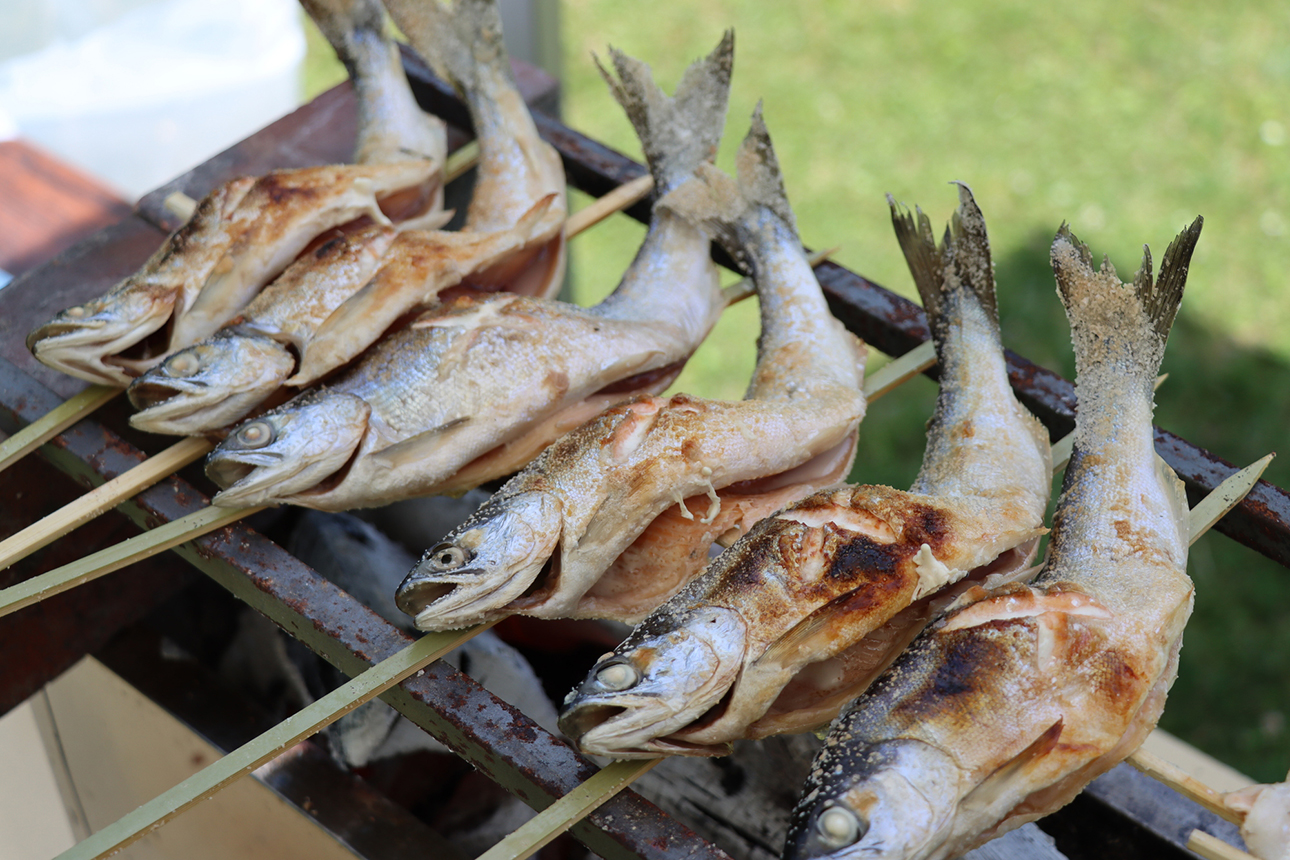
What is the secret to the deliciousness of the Lake Shikotsu chip? While zooplankton is the chip’s primary food source, Lake Shikotsu is nutrient-poor and has little phytoplankton, meaning there isn’t much zooplankton either. However, since there are few other fish to compete for this zooplankton, the chip can secure a sufficient supply and rarely eats aquatic insects that could impart a fishy odour to its flesh. Furthermore, the consistently low water temperatures throughout the year result in firm flesh with plenty of fat. This is why the Shikotsu-ko chip is said to be in a class of its own compared to other freshwater fish.
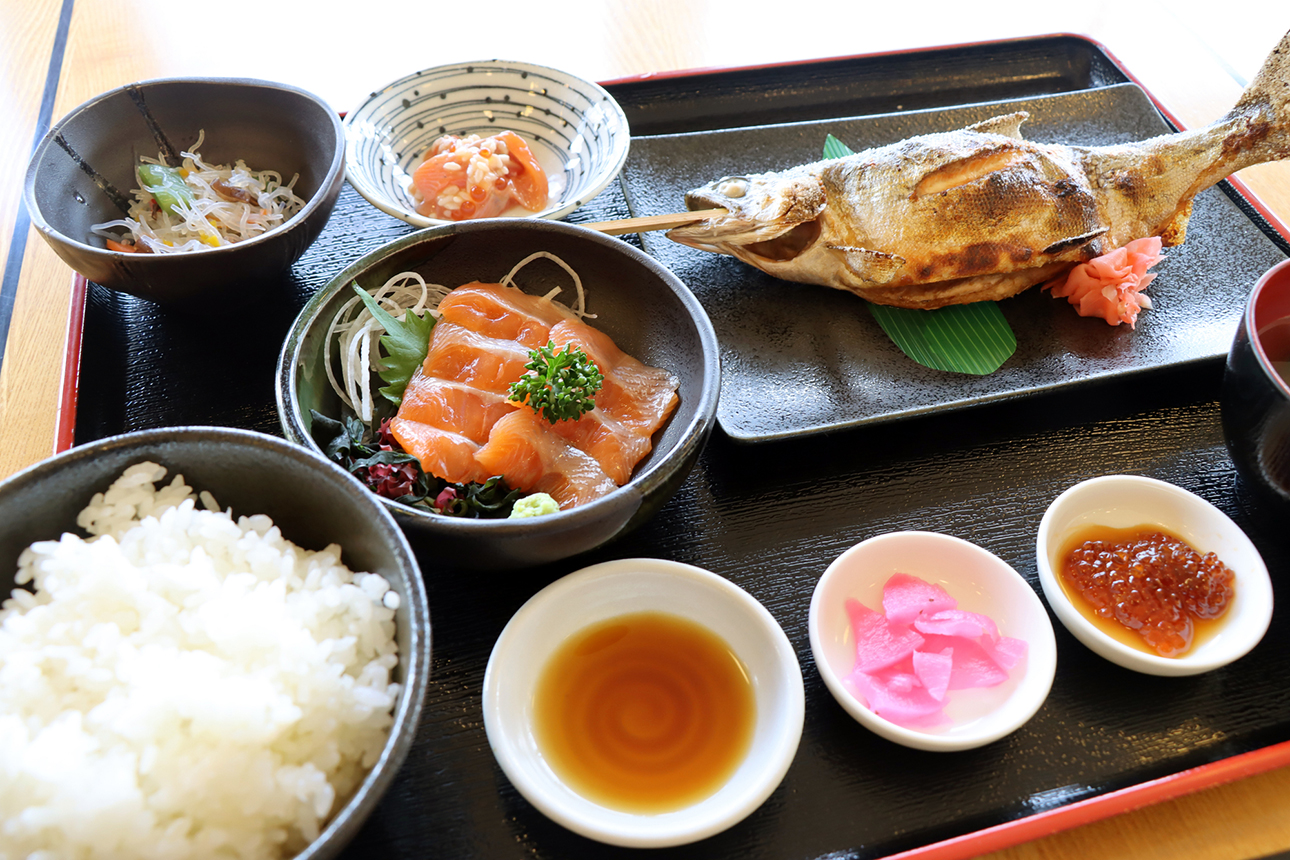
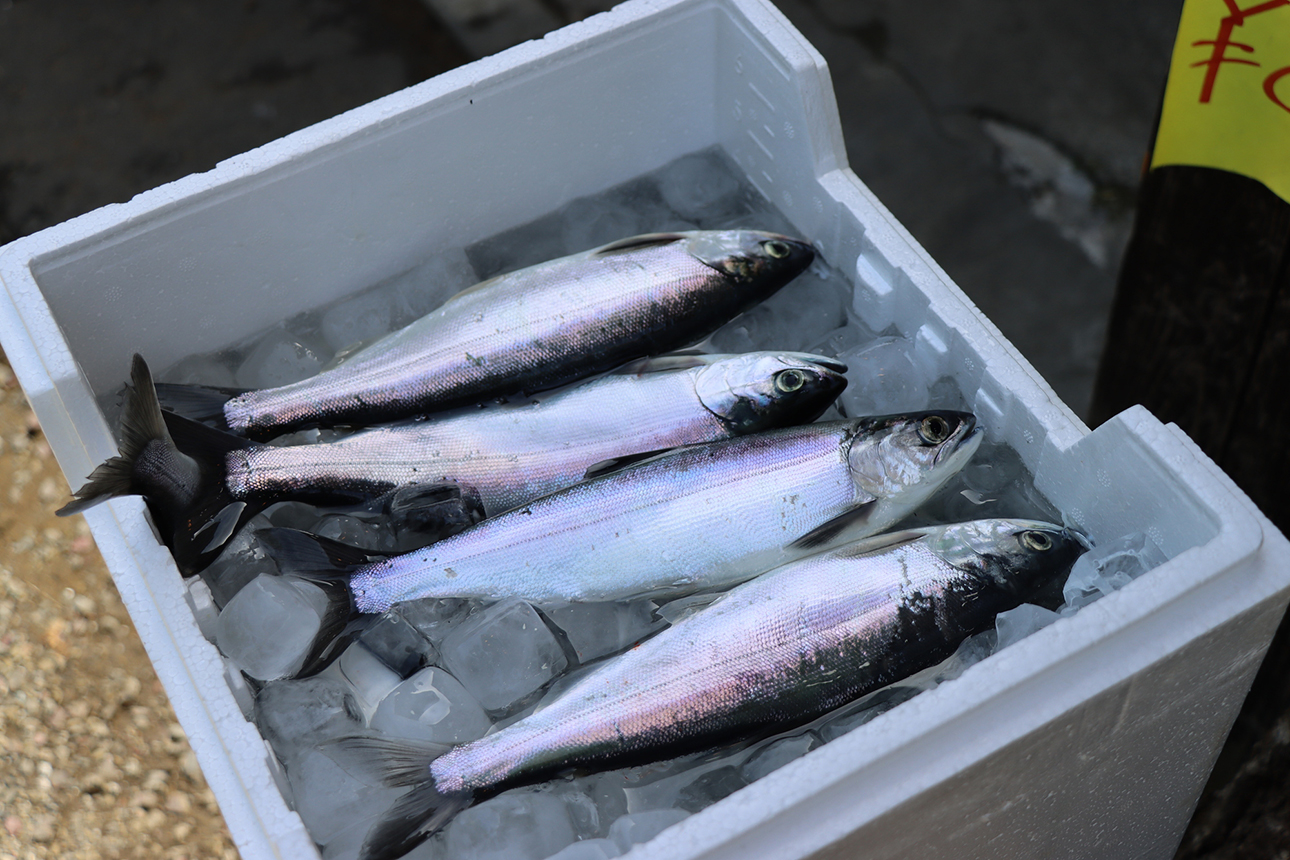
The fishing season lasts only three months, from June to August, making it an extremely rare delicacy. The catch is primarily distributed around Lake Shikotsu and within the city of Chitose. Although modern freezing technology allows it to be enjoyed year-round, we recommend visiting Chitose during the fishing season if you wish to savour fresh Shikotsu-ko chip.
Naganuma Genghis Khan Barbecue
Did you know that Hokkaido’s cherished culinary culture includes a lamb and mutton barbecue known as Genghis Khan? While there are various theories regarding the reason why the barbecue was named after the founder of the Mongolian Empire, what’s important is that Hokkaido residents take great pride in this local specialty—so much so that many households own a dedicated pot for cooking it.
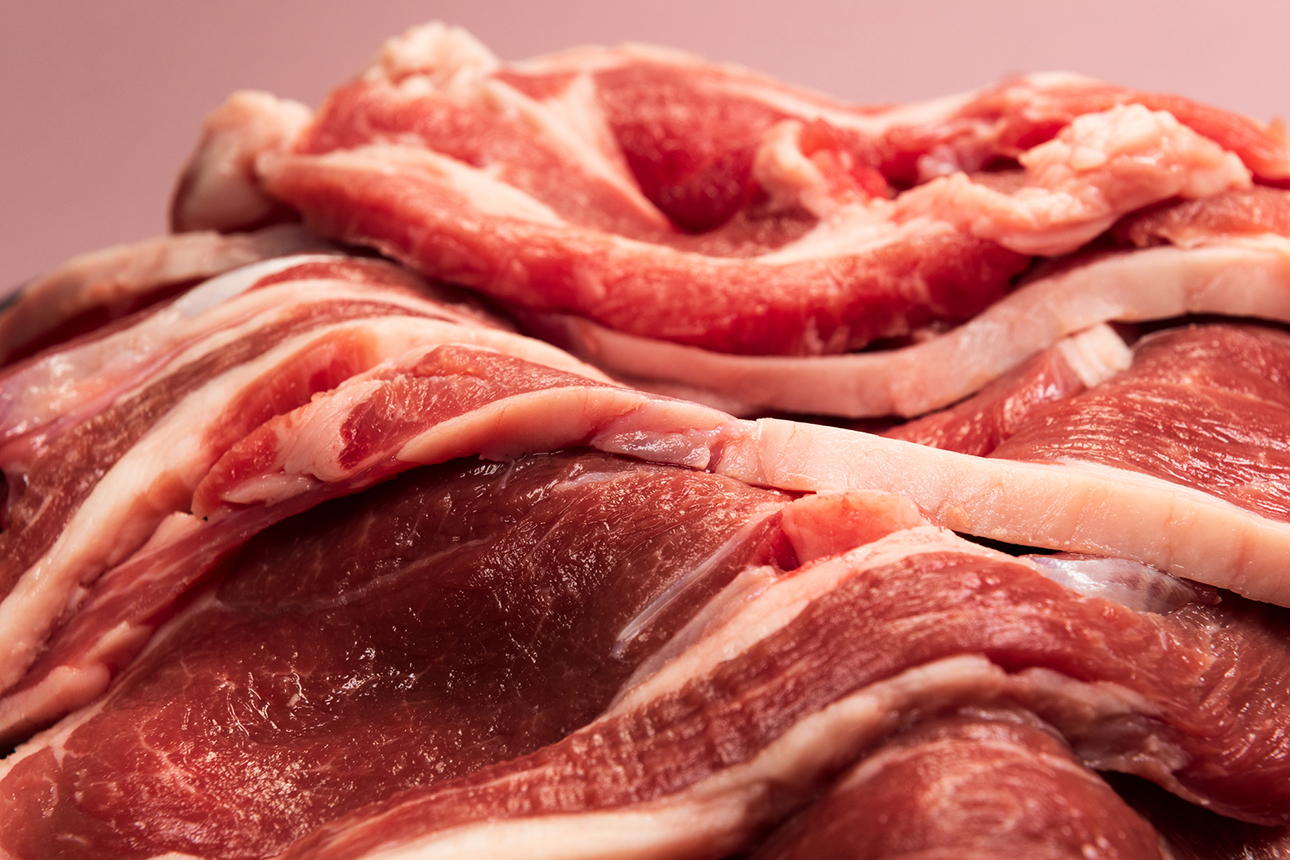

Hokkaido’s mutton and lamb culture originated from the fact that sheep farming was encouraged in the region, initially to produce wool for military uniforms. To avoid wasting the meat from flocks that once numbered nearly one million head in total, a culinary tradition emerged in which the mutton and lamb—which have a distinctive gamey flavour—are marinated in a sweet sauce made with plenty of onions and apples before being cooked.
Unable to resist the tides of time, the increasing use of imported wool and synthetic fibres led to the near disappearance of domestically reared sheep, but the culture of eating the meat has become firmly established in Hokkaido. Even today, though imported meat from New Zealand and Australia is utilised, Genghis Khan remains a beloved Hokkaido specialty.
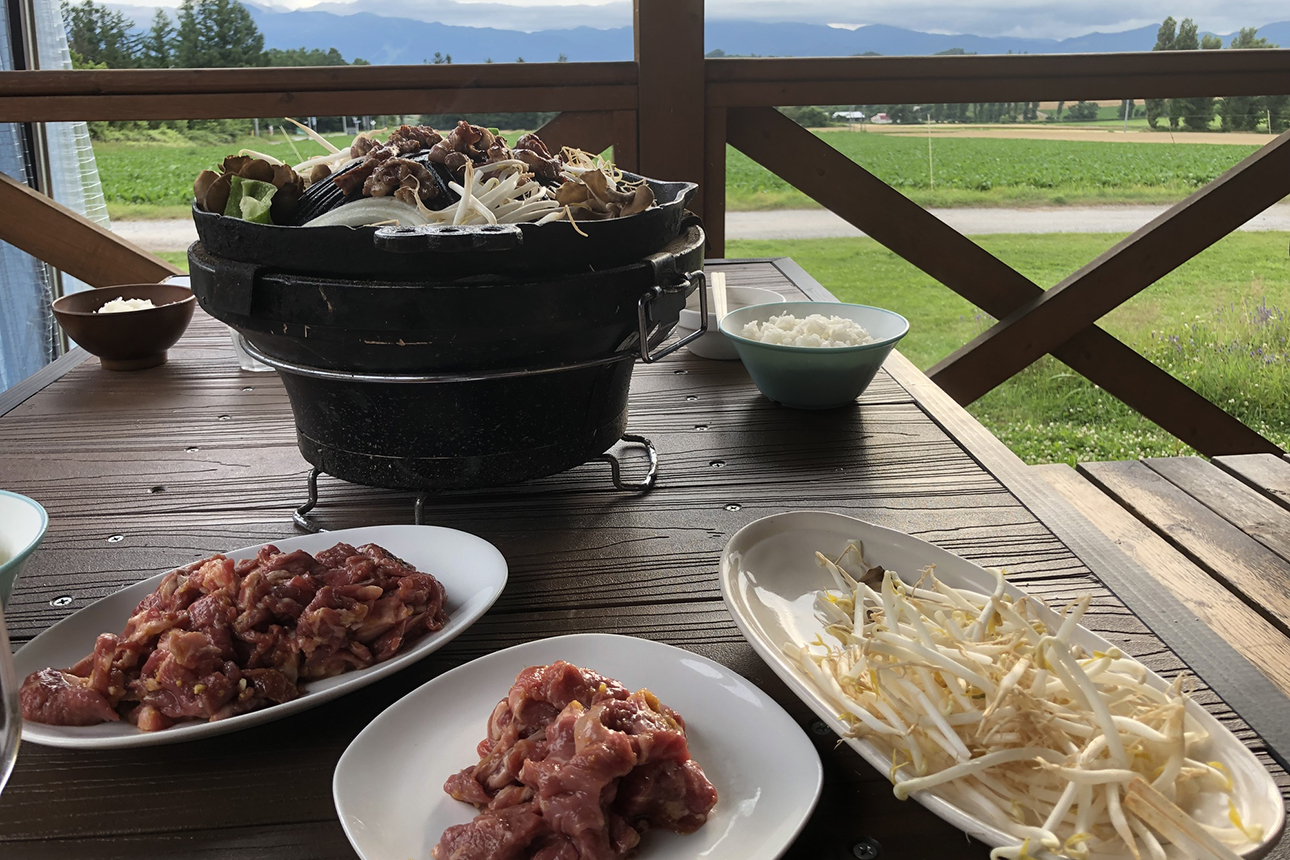
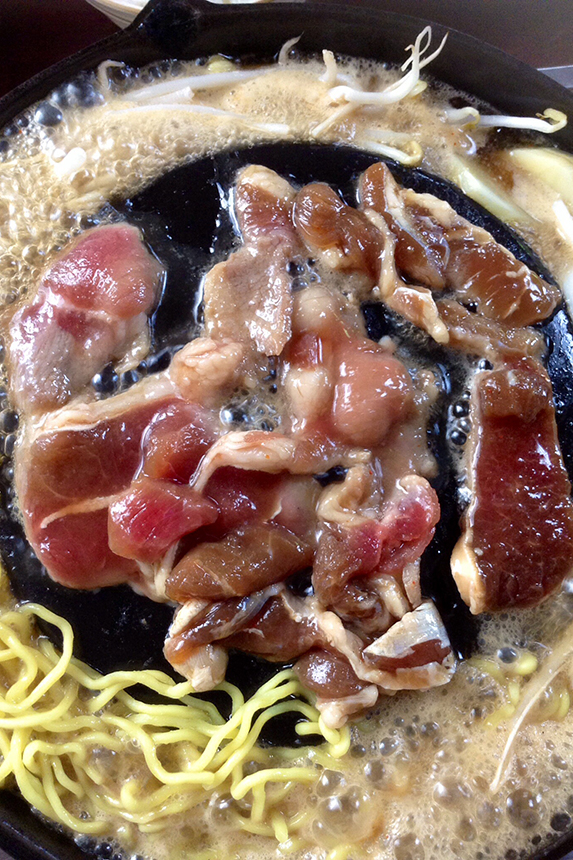
If you want to fully enjoy this barbecue, we recommend Naganuma, just a 30-minute drive from New Chitose Airport. Sheep farming once thrived in this town as well, so Genghis Khan restaurants began to proliferate, and it has now become one of the most famous regions for this specialty.
Lamb, and to a lesser extent mutton, is gaining significant attention as a healthy food packed with benefits: it’s high in protein and iron, low in calories and cholesterol, and its fats are easily metabolised.
So, why not dig in and fuel up for your wellness and for the long journey ahead?
Local Waters a Source of Pride
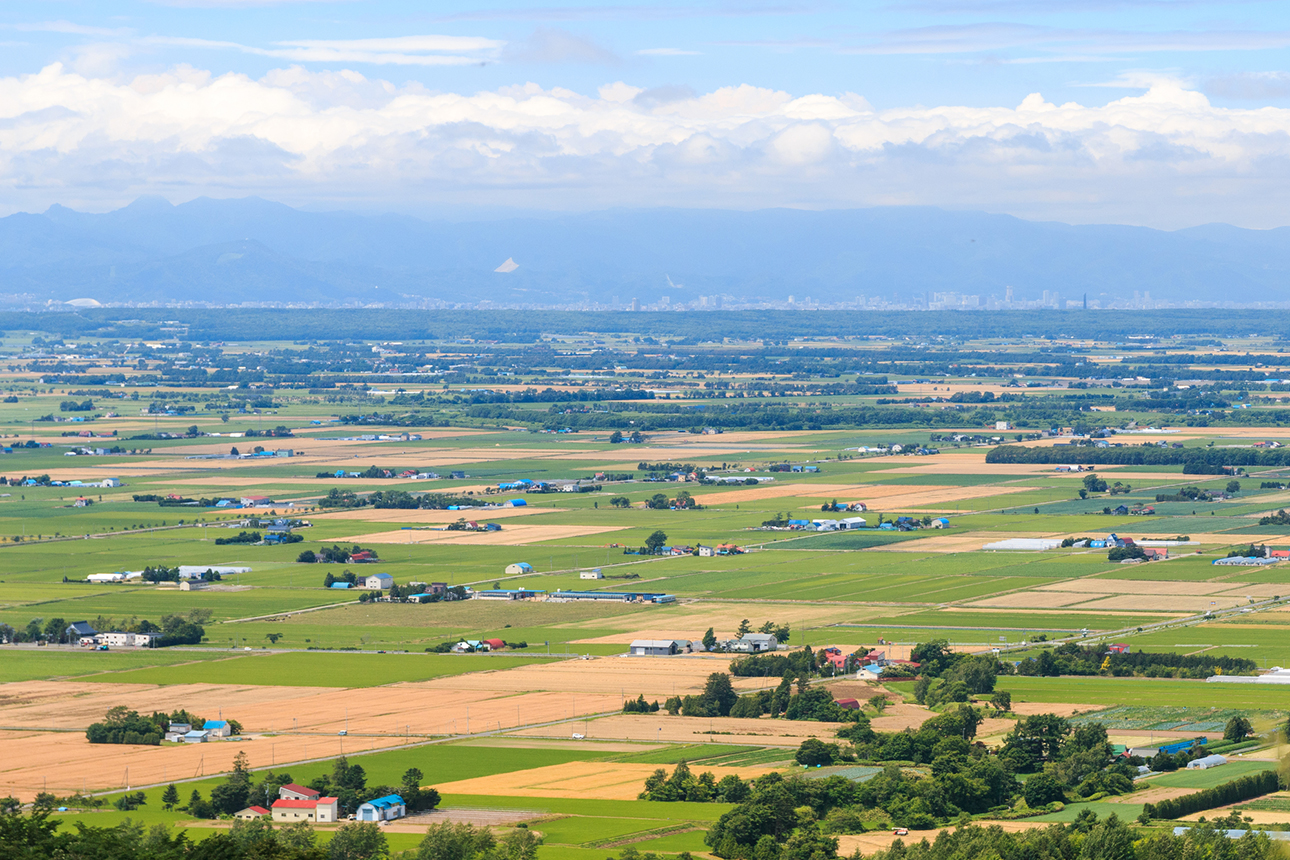
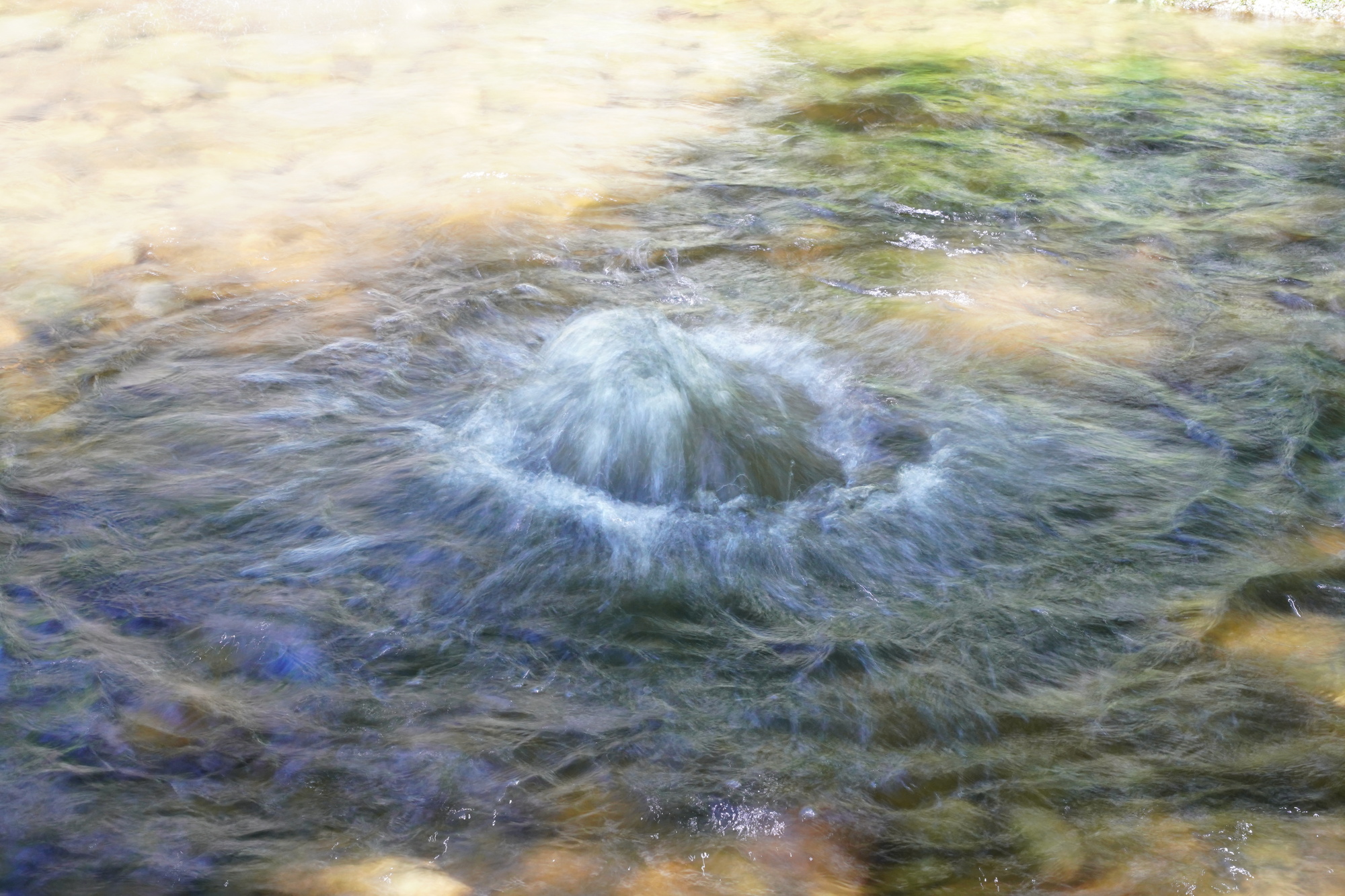
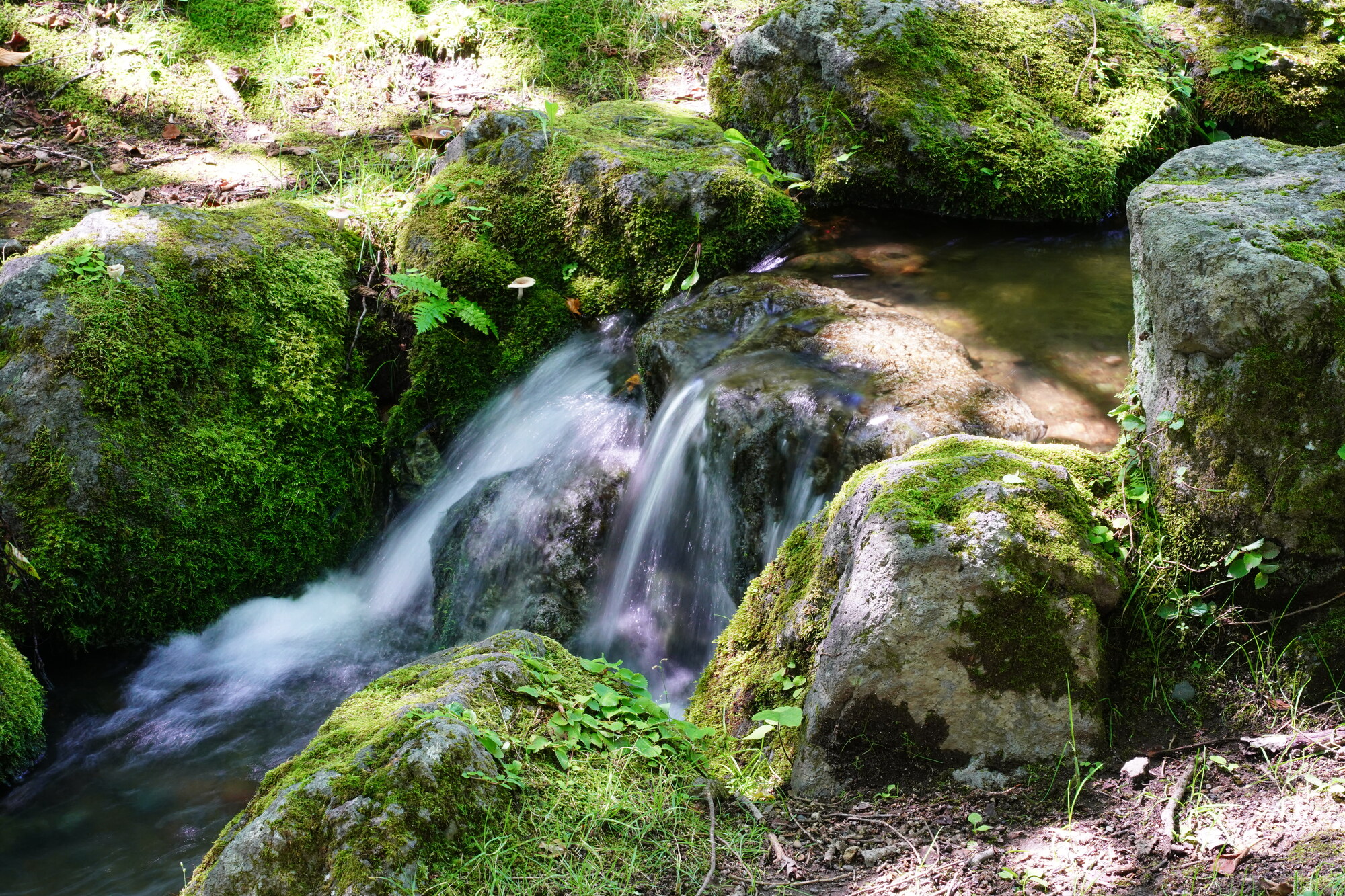
Water is essential for everything from cooking to brewing coffee and tea. In fact, Chitose is one of Hokkaido’s premier sources of fine water.
Chitose’s water supply is primarily drawn from the Naibetsu River, a tributary of the Chitose River. The Naibetsu River’s 2.5-kilometre-long watershed contains more than 60 springs of varying sizes. Its headwaters, known as the Naibetsu River Springs, were selected by the Ministry of the Environment as one of the best 100 natural water sources in Japan.
In addition to this high-quality water, the area is rich in groundwater. And, of course, we must not forget the water from Lake Shikotsu. Thanks to these abundant water resources, many food and beverage manufacturers have established factories in Chitose, producing a wide variety of delicious products every day. Let’s now take a closer look at some beverages.
Local Sake and Craft Beer Born from Lake Water
The prominent tourism operator that draws water from Lake Shikotsu is the aforementioned Marukoma Onsen, which utilizes this pristine lake water in developing products closely associated with Lake Shikotsu.
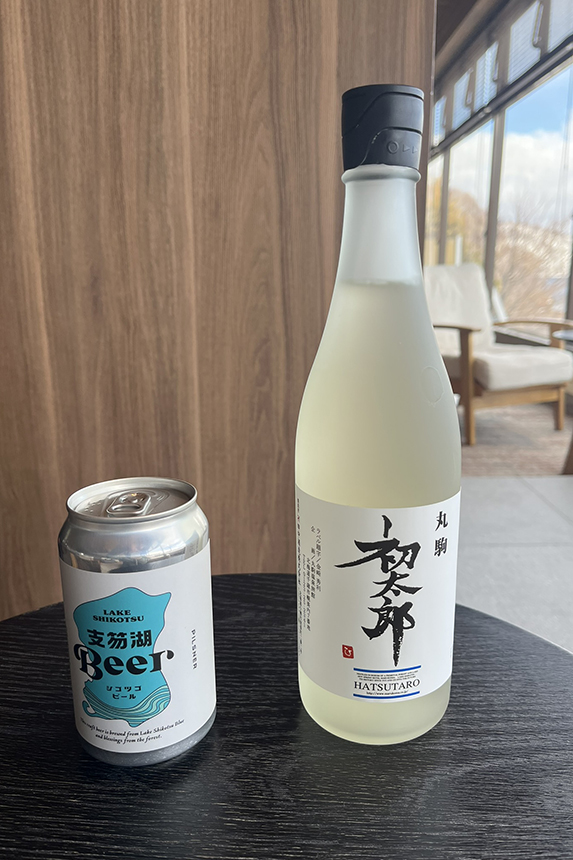
The craft beer Shikotsu-ko Beer, which was released in 2024, is quite an interesting product. The initiative to brew and sell beer made with 100% Lake Shikotsu water was launched through the desire to simultaneously promote the beauty of Lake Shikotsu and contribute to environmental conservation. A portion of the proceeds is donated to Lake Shikotsu environmental conservation efforts.
The four varieties of beer feature flavours and aromas inspired by the natural surroundings of Lake Shikotsu, including the lake itself and the nearby mountains and forests. The labels boast a cute, modern design featuring the shape of the lake.
In addition to Marukoma Onsen, the beer is also sold at hotels in the Lake Shikotsu Onsen area, so a glass of ice-cold beer after you have been thoroughly warmed by the hot springs is sure to permeate your entire body and taste even better.
Marukoma Onsen also offers a limited-edition, premium sake Hatsutaro, named after the inn’s founder. This is an original sake also made with water from Lake Shikotsu. A brewery in Otaru makes the trip all the way to Marukoma Onsen to draw the water for brewing, and the rice used is grown in Hokkaido, making it 100% Hokkaido sake. We recommend drinking it well-chilled from the refrigerator. It has a crisp, clean finish followed by a gentle, subtle sweetness. This sake is not available even at Lake Shikotsu Onsen; it can only be purchased at the Marukoma Onsen, making it truly rare. When you stay at Marukoma Onsen, be sure to savour it as the perfect accompaniment to delicious Japanese cuisine.
Beer straight from the brewery and a premium local sake
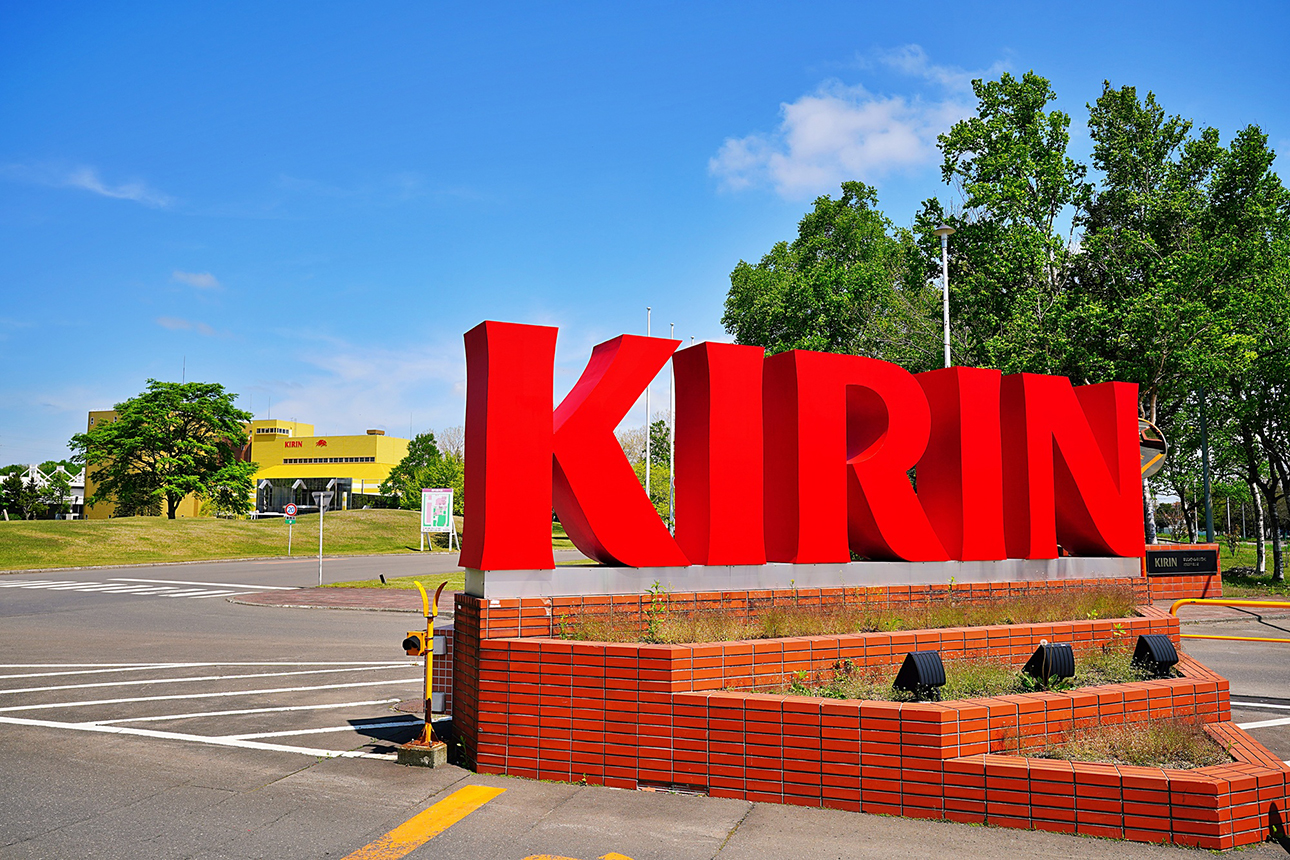
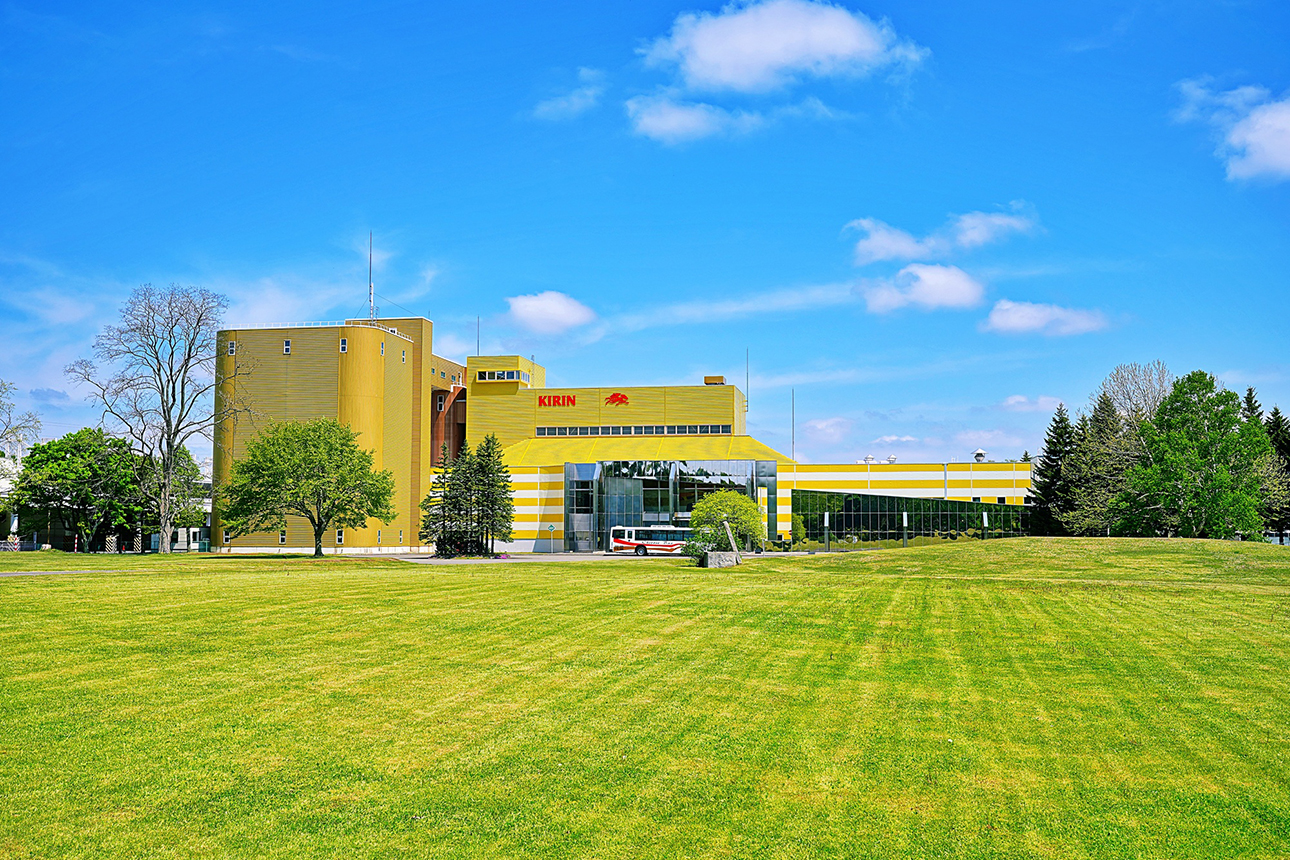
Just a 20-minute drive from the airport lies the Kirin Brewery Hokkaido Chitose. One of the main reasons this location was chosen 50 years ago was the availability of clean water, which is essential for brewing beer. Here, delicious beer is brewed using water from the Naibetsu River, known for its mild flavour and cool temperature even in summer. While purchasing a bottle at a store to enjoy at home is certainly a good option, the brewery offers guided tours, so why not start with an in-depth experience of the beer right here? During the approximately 90-minute tour, you can touch the raw ingredients to feel their texture and smell their aroma, and observe the brewing process up close. At the tasting venue that follows, you can enjoy the freshness and fine foam that only factory-direct beer can offer.
The on-site restaurant also offers a collaboration with Genghis Khan barbecue, which is a great combination to experience Hokkaido’s food culture.

Fresh Milk and Ice Cream
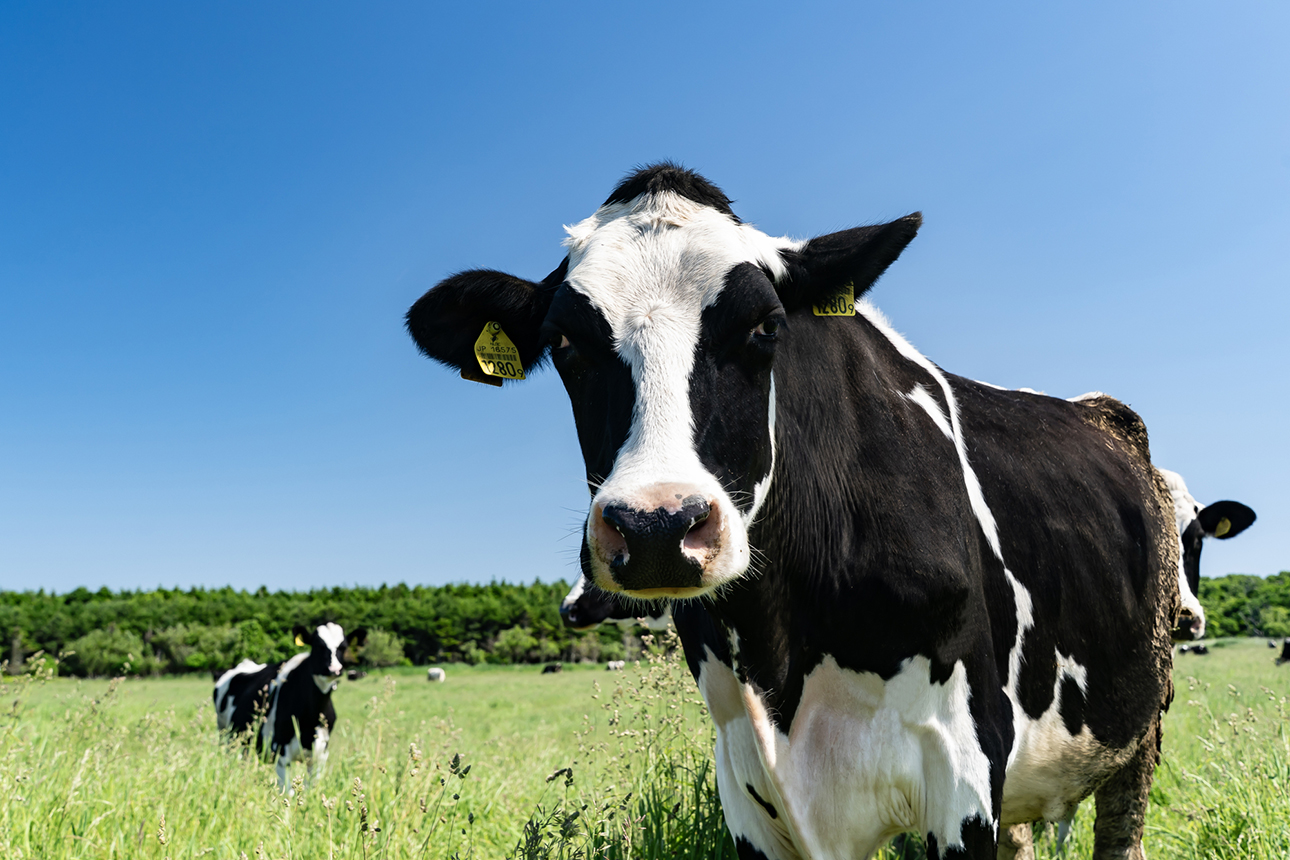
When you think of Hokkaido, one of the first images that comes to mind is likely a vast dairy farm where cows graze on lush pastures. This expansive land and cool climate are ideal for dairy farming. The rich milk produced from this vast land yields high-quality dairy products. Among these, ice cream is the number one treat that visitors to Hokkaido simply must try.
Actually, New Chitose Airport is packed with ice cream shops—so much so that a popularity contest is held every year—but here, we’re focusing again on Naganuma.
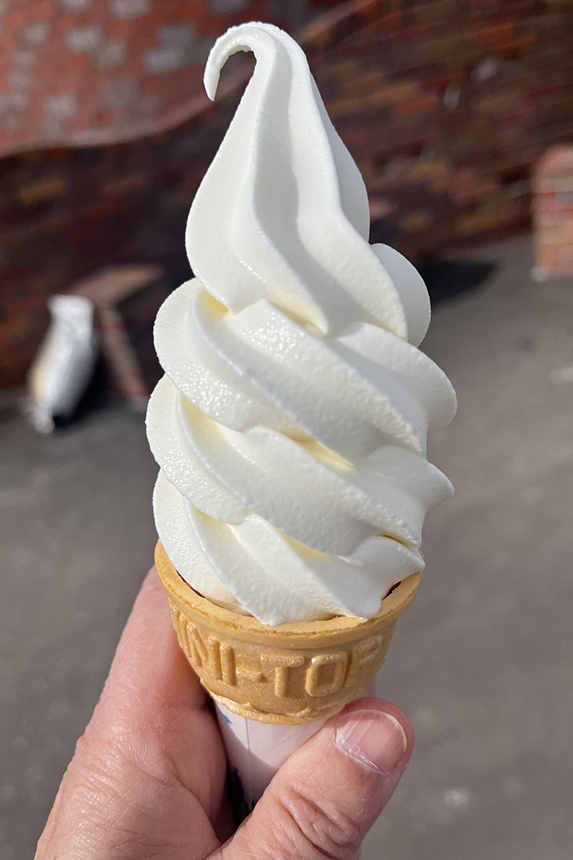
Naganuma is a hidden gem, known to insiders as a hub of ice cream craftsmanship. Among its beloved institutions is Aichu Land, a shop with a 30-year history. While they offer sweets like parfaits and crepes, the undeniable star is their soft-serve ice cream. As one of the area’s most popular spots, short queues are common, but the takeout-only style keeps things moving quickly. The flavour is rich and universally satisfying. Vanilla is the top pick, but the limited-time Strawberry Princess, blending vanilla soft-serve with Naganuma-grown strawberries, is another favourite. Open all year, this shop welcomes visitors in every season.
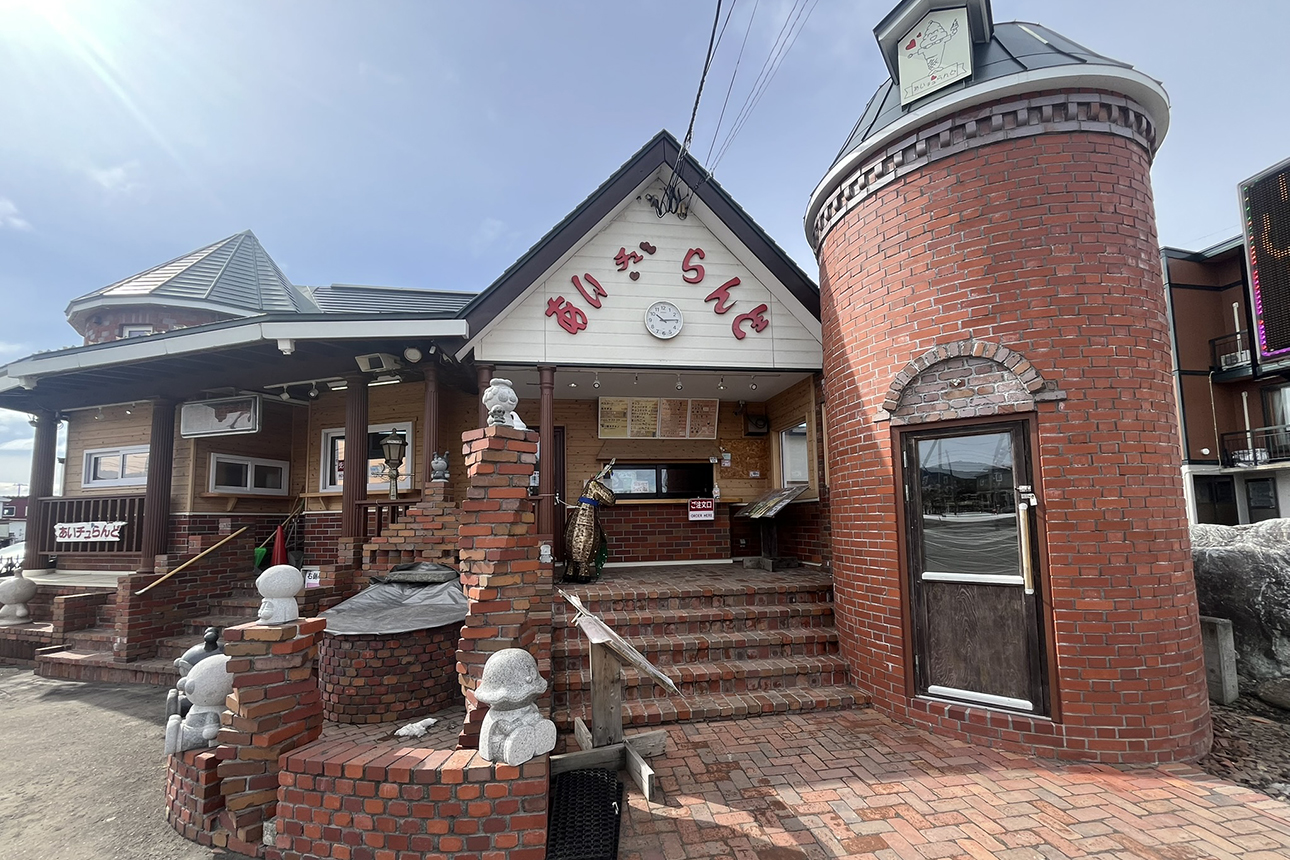
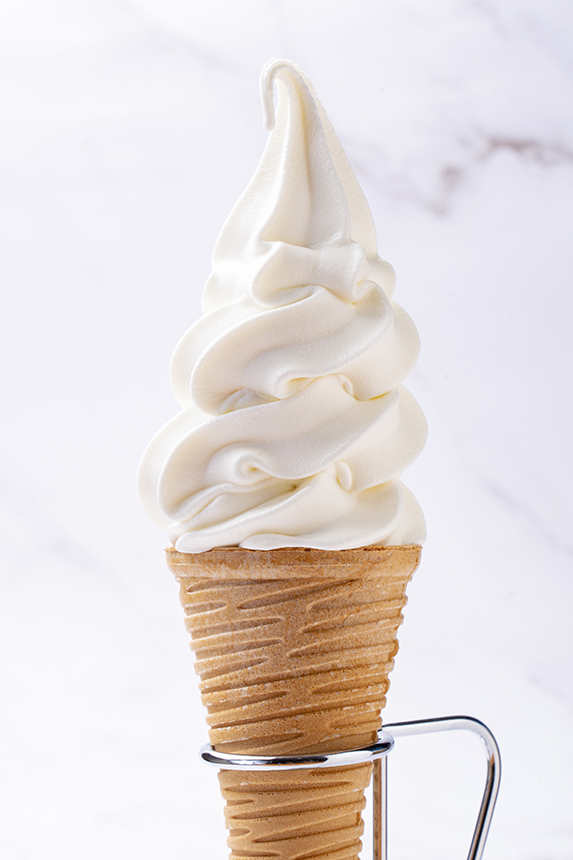
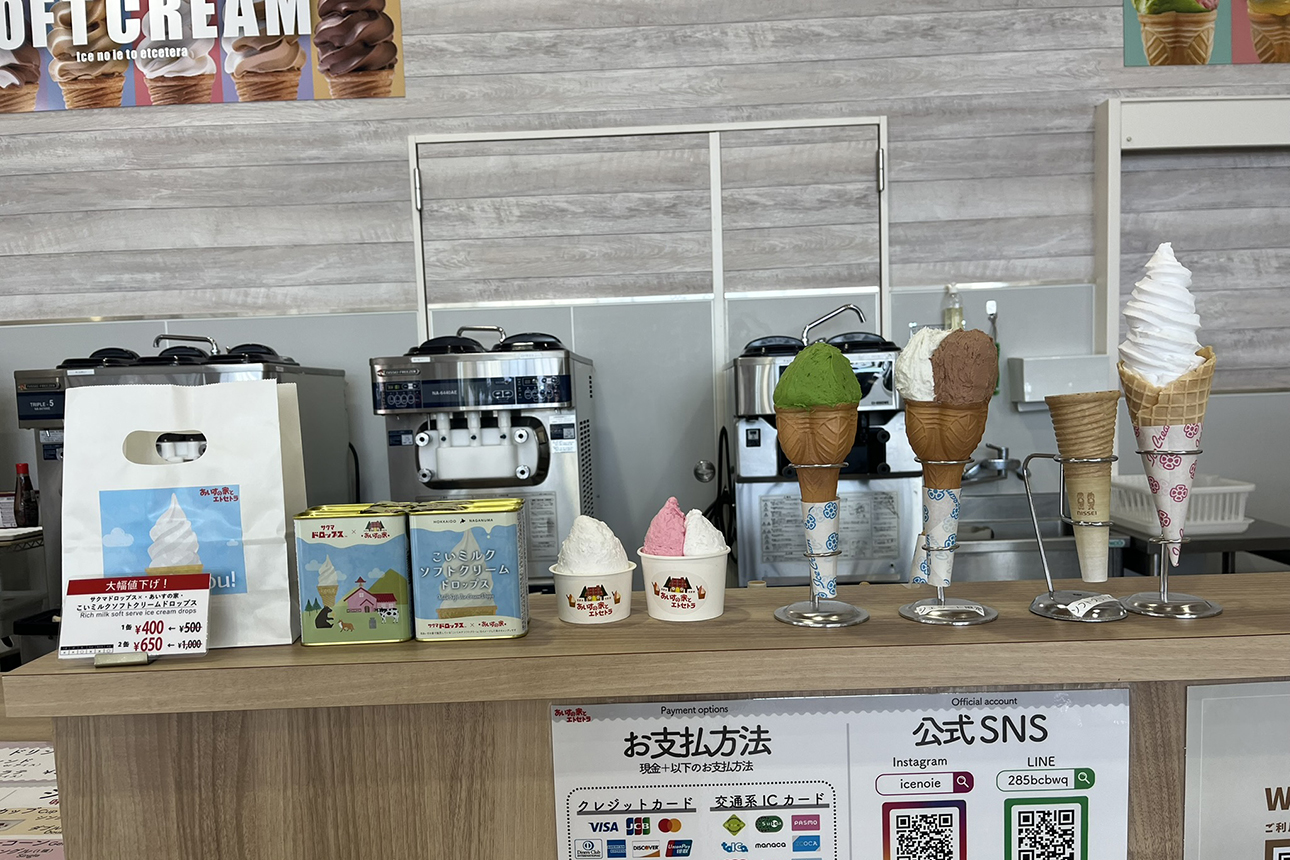
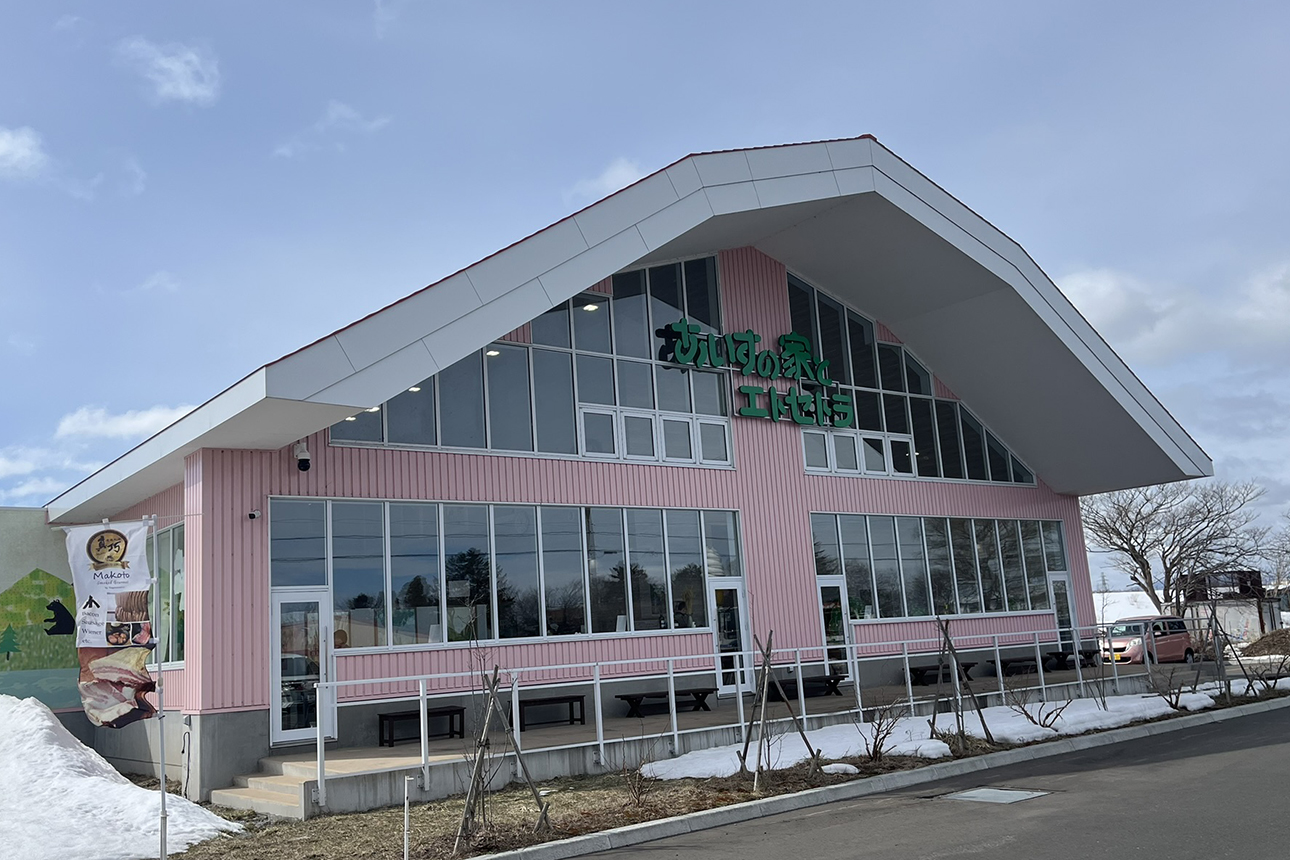
Another local favourite is Ice No Ie Etcetera. Their soft-serve, made from freshly squeezed milk with minimal additives, has a consistently pure, milky taste. Customers can enjoy it at their leisure in the eat-in area.
The signature Rich Milk Soft Serve—crafted with 100% Hokkaido milk and pasteurised at a low temperature in-house—captures the full, natural flavour of fresh milk. In addition to ice cream, their lineup includes selected hams, sausages, cheeses, baked goods, and bread, making the shop itself a delight to explore.
Both of these establishments emphasise locally sourced Hokkaido ingredients and a commitment to safety, quality, and joy in every scoop.
Once you’re captivated by the consistently delicious taste of Hokkaido’s ice cream after giving it a try around the airport, you’ll be tempted by the unique local flavours you discover wherever you go—and before you know it, you might find yourself indulging in ice cream every single day!
Culture and History: Learning from Salmon and a Prehistoric Site
The Mystery of the Salmon’s Journey
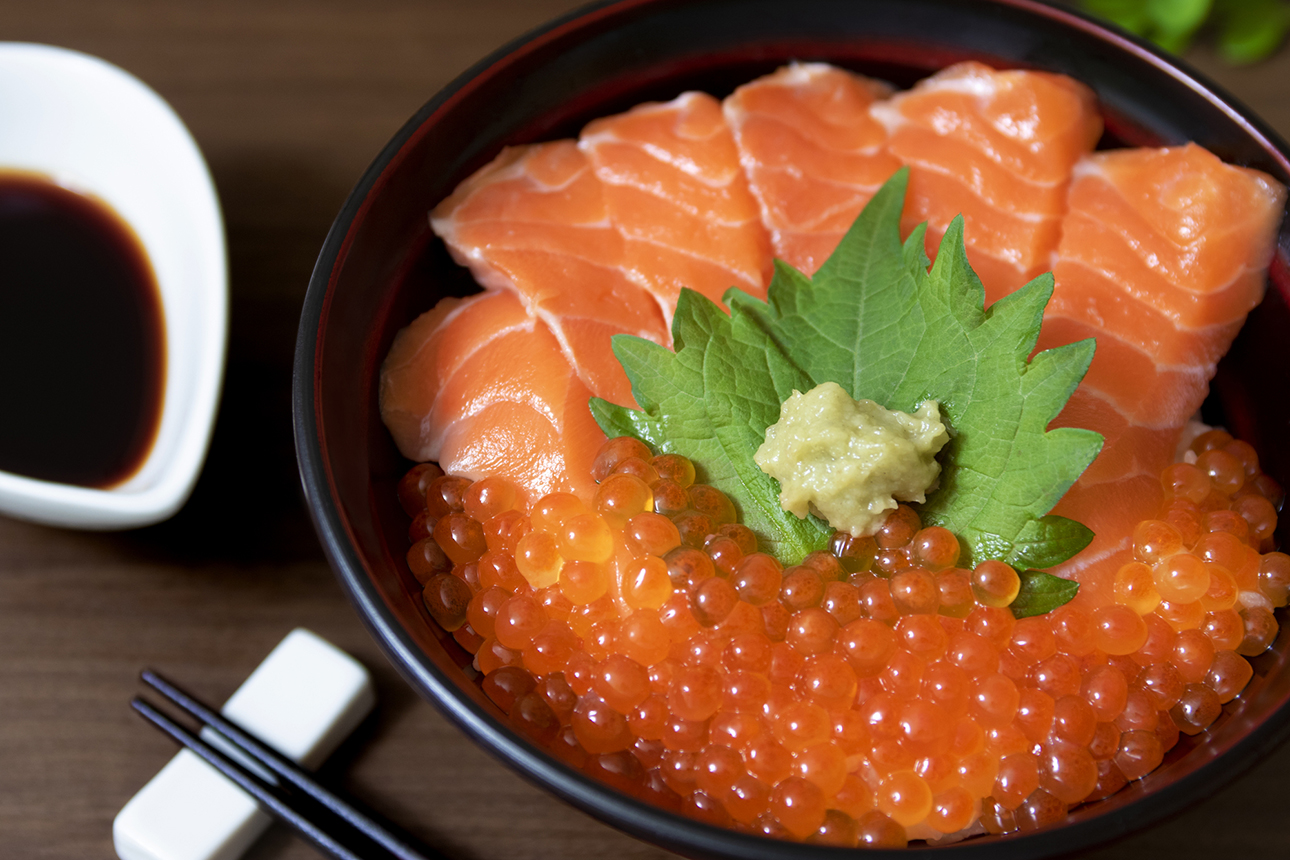
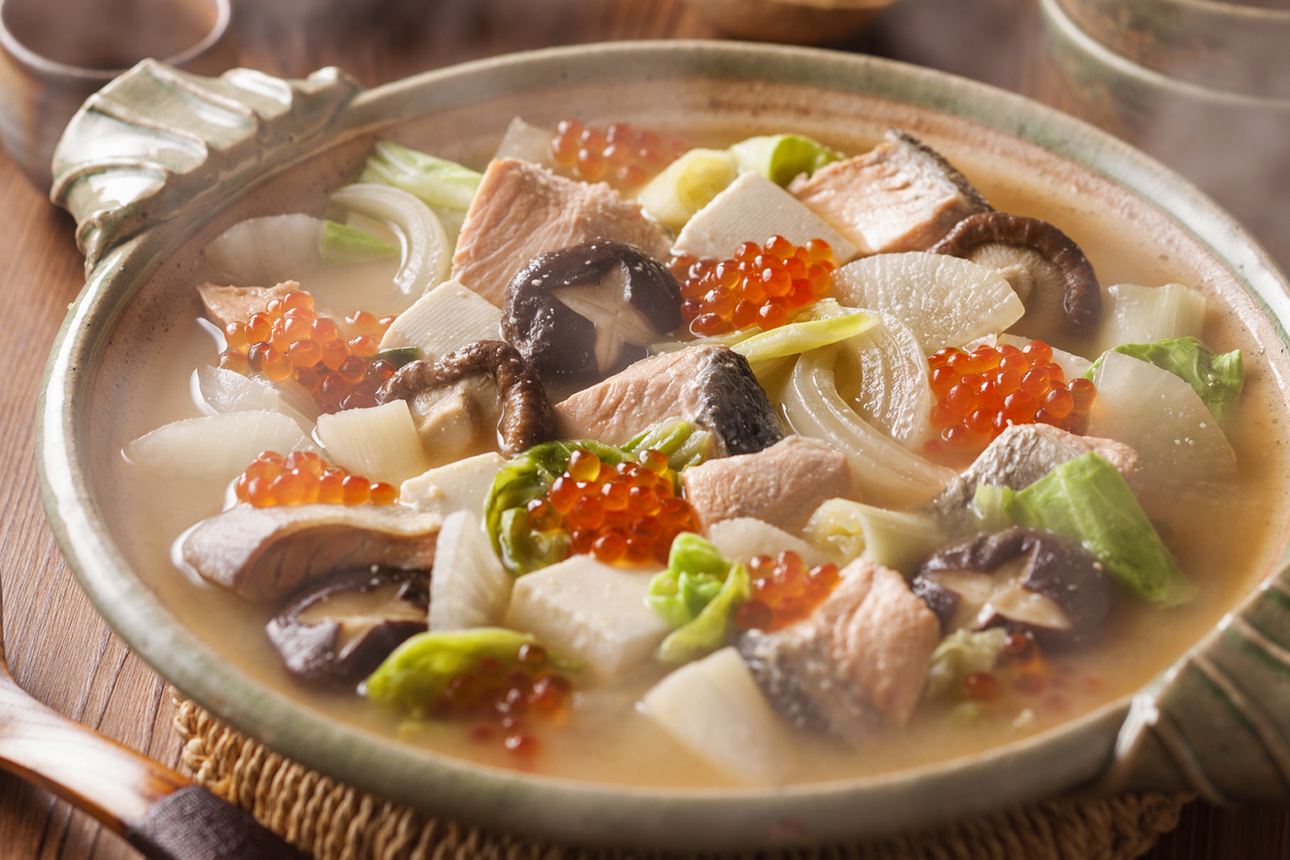
The salmon is a symbol of Hokkaido. Competing for the title of the most popular sushi topping, and an indispensable ingredient in the local dish Ishikari Hotpot, this is the most familiar fish to Hokkaido residents and has graced their dining tables since at least 4,000 years ago. So salmon and Hokkaido are inseparable.
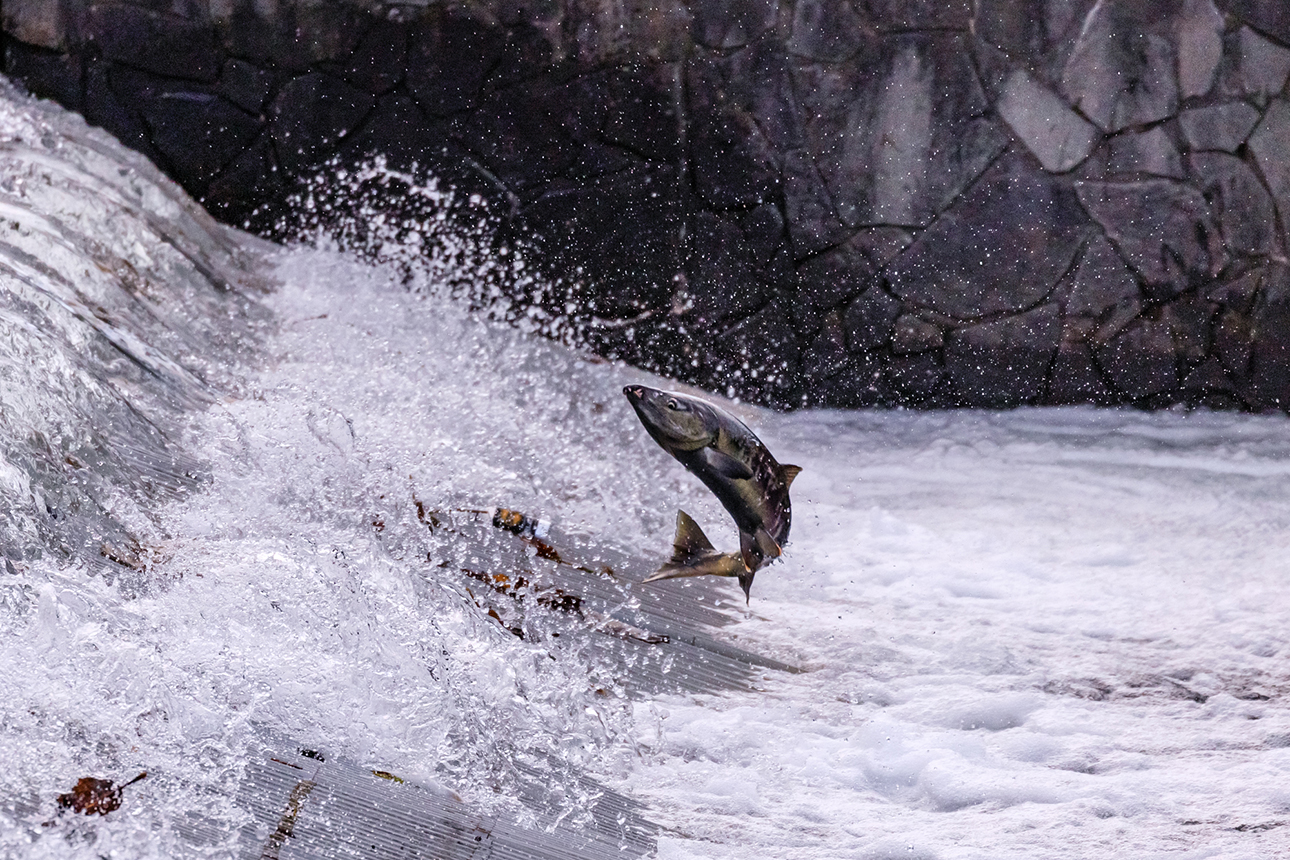
The Chitose River is one of the mother rivers for these salmon. Only salmon that have survived the harsh and long journey to the sea and grown strong enough can return to the river of their birth, and spawn to pass on life to the next generation.
But how exactly do salmon find their way back to the river where they were born? While it is believed that they remember the unique scent of the river, that alone is not sufficient to explain why they undertake a journey of thousands of kilometres. It has also been suggested that they navigate using the positions of the sun and stars, much like migratory birds, but that has yet to be proved, so this question is still shrouded in mystery.
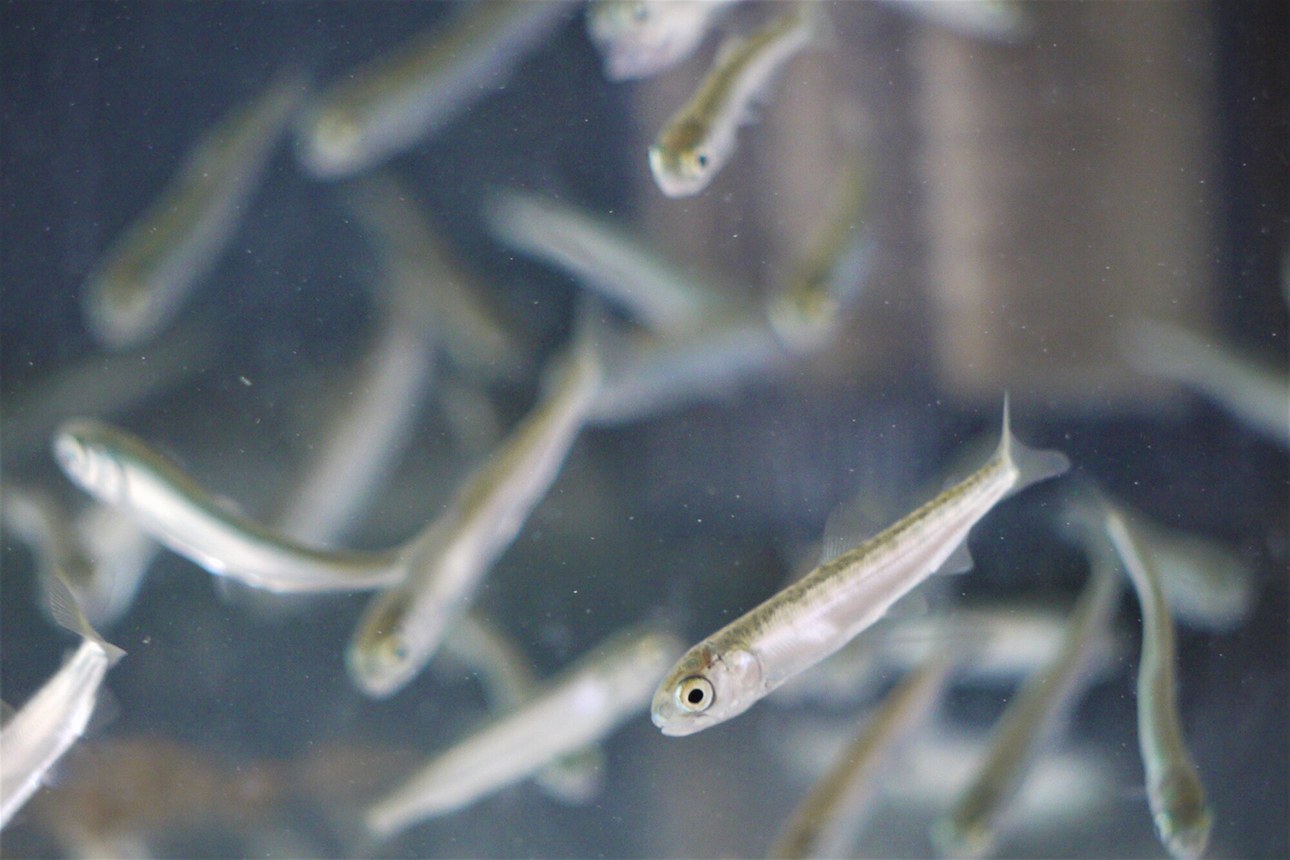
Today, to maintain salmon resources, there are hatchery and release programs. Salmon fry released in Chitose travel down the Chitose River, through the Sea of Okhotsk and the western North Pacific, and finally reach the Bering Sea. From there, they grow while travelling back and forth between the Bering Sea and the Gulf of Alaska. Then, three to five years later, they set out once again for their distant mother river.
The place where you can witness the end of this magnificent journey with your own eyes is Chitose Aquarium, home to one of Japan’s largest freshwater tanks.
Located along the Chitose River, the aquarium’s main attraction is Japan’s first underwater observation zone, featuring seven large windows that allow visitors to see the riverbed of the clear stream itself. This makes it possible to witness the spectacle of numerous salmon swimming upstream during the autumn spawning season. If you’re lucky, you might even encounter male salmon displaying their vibrant red breeding colours.
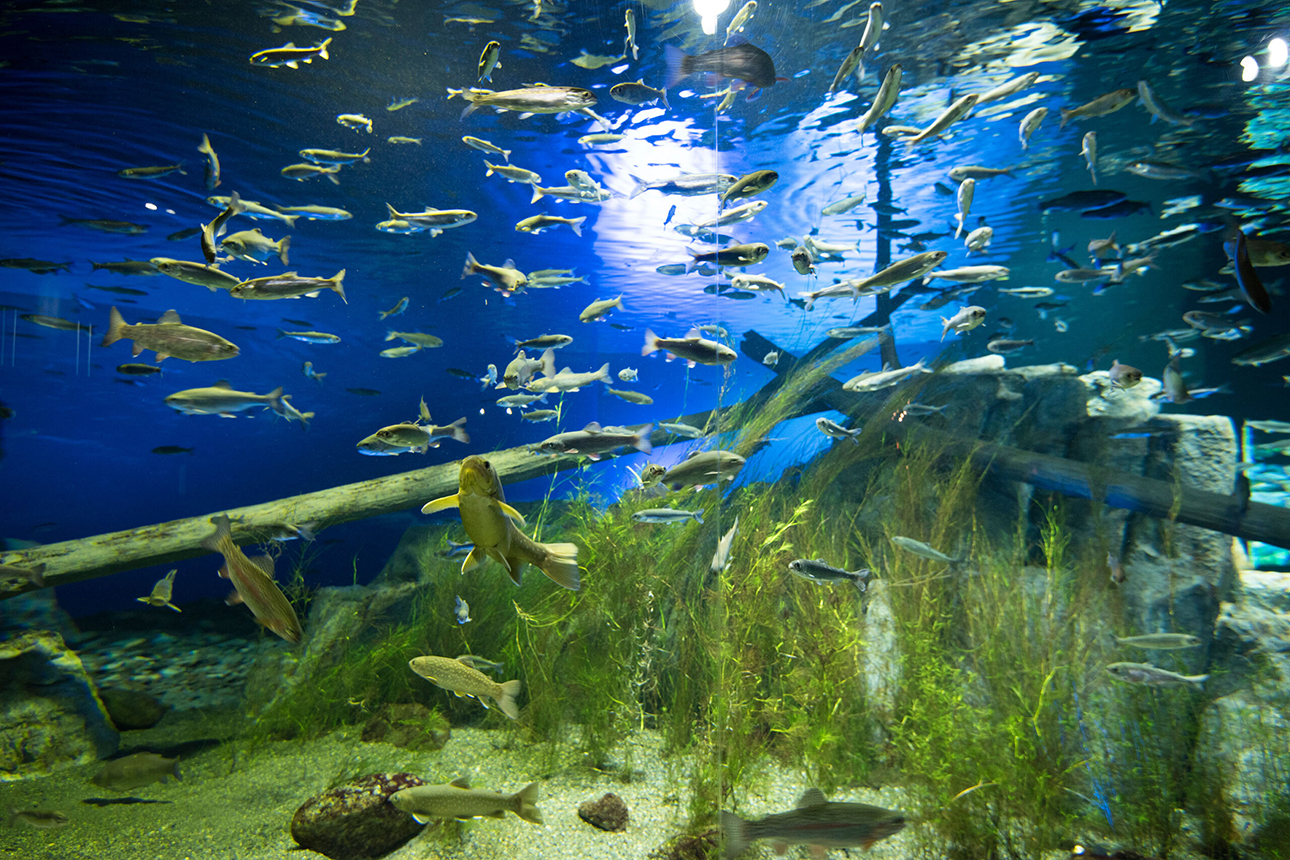
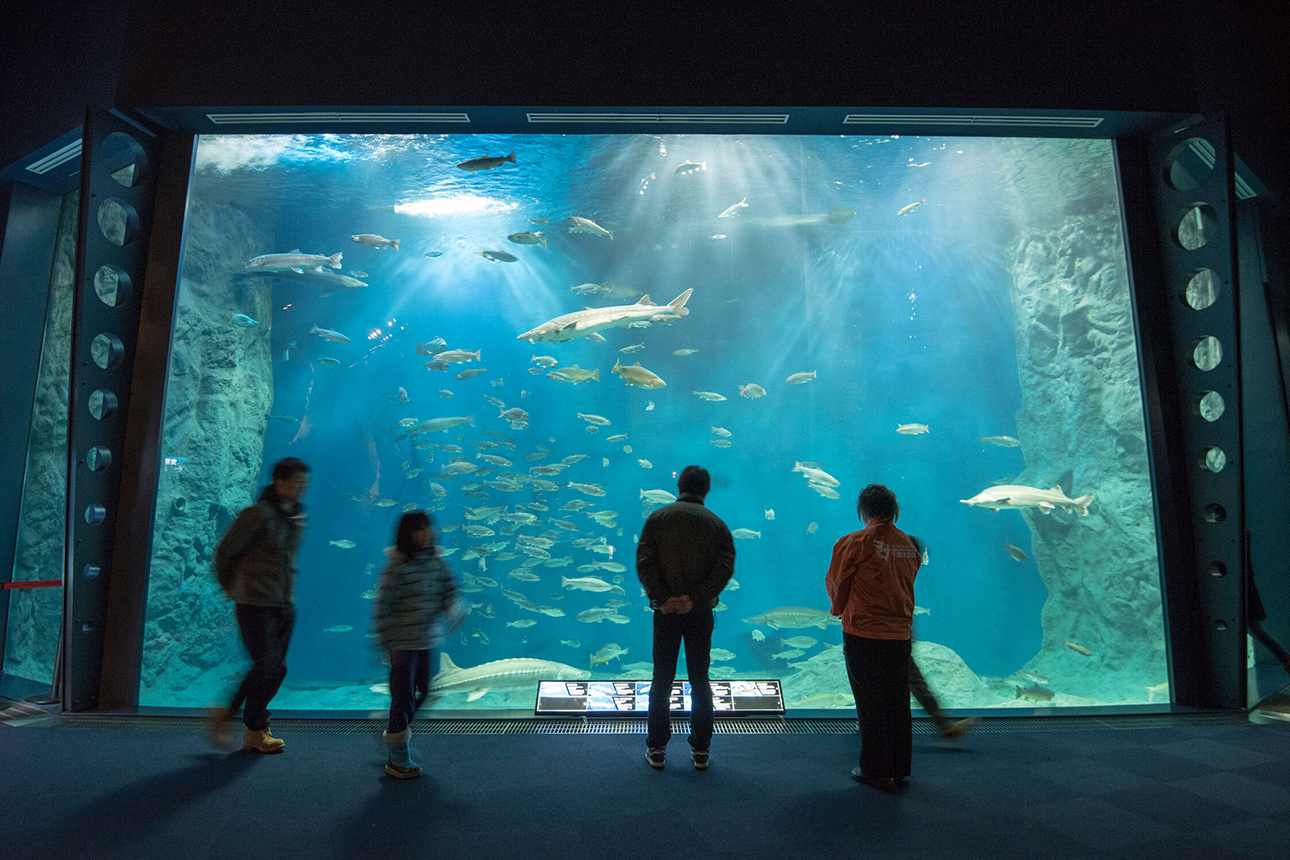
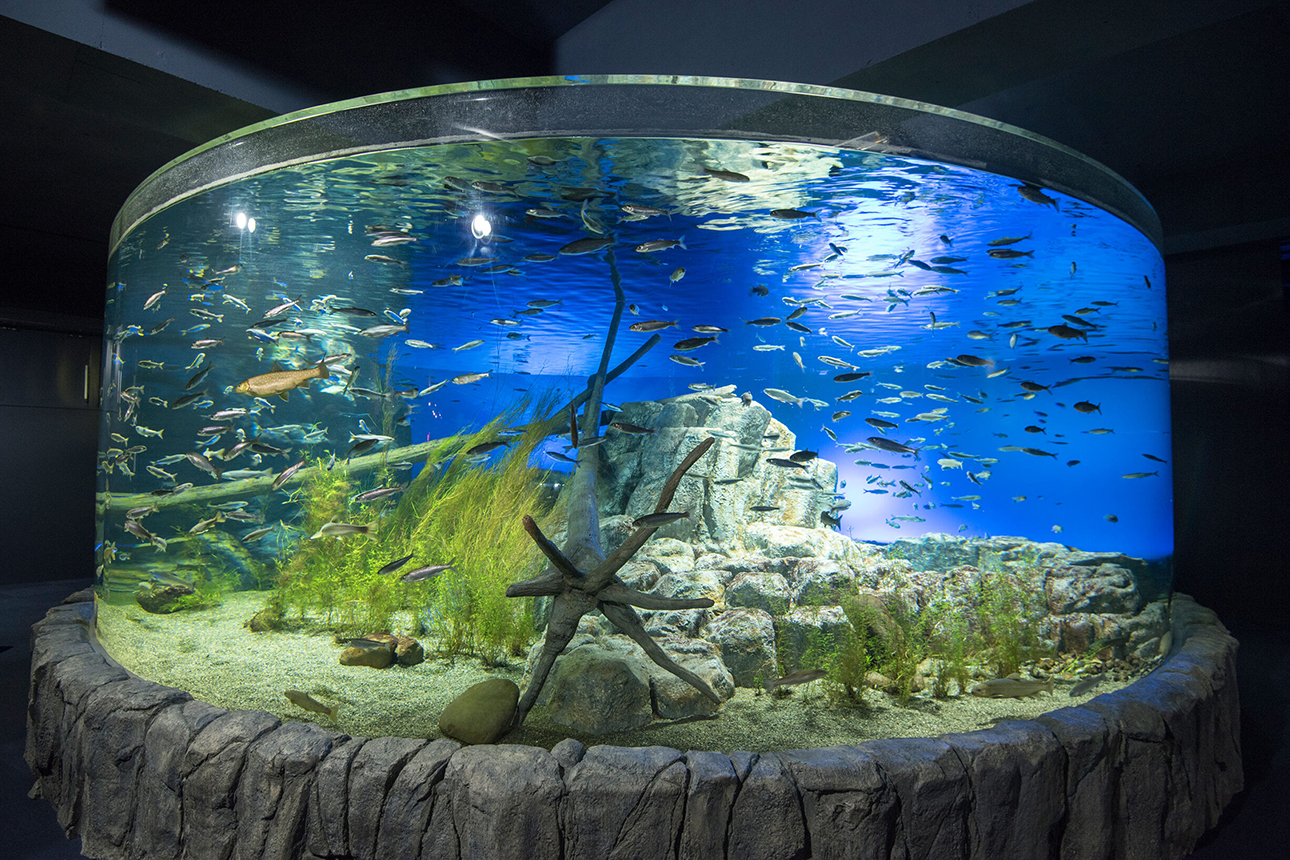
Unfortunately, perhaps due to effects of climate change such as rising sea temperatures, their return rate is steadily declining, so this cycle of life is becoming increasingly precious. Precisely because it is precious—and precisely because it is dwindling—why not begin your trip by witnessing a glimpse of this mystery firsthand and gaining a tangible sense of the importance of conservation?
Ancient Wisdom: Kiusu Earthwork Burial Circles
Hokkaido, which has been inhabited by humans since the Palaeolithic era over 30,000 years ago, is home to numerous ancient archaeological sites. In 2023, six of these sites, along with some others on the main island of Japan, were inscribed in the UNESCO World Heritage List as the Jomon Prehistoric Sites in Northern Japan. One of them is the Kiusu Earthwork Burial Circles in Chitose.
The era known in Japan as the Jomon period, spanning from approximately 15,000 to 2,400 years ago, predates the advent of agriculture and was characterised by a way of life centred on foraging, fishing, and hunting.
The Kiusu Earthwork Burial Circles, built 3,200 years ago, is a large cemetery site surrounded by tall earthworks on a gentle slope. Each burial circle was created by digging a circular pit and piling the excavated earth around the pit in a ring, with several pit graves inside. The cemetery site has nine burial circles, the largest of which boasts an outer diameter of 83 metres. We tend to imagine that ancient people led lives consumed entirely by the struggle to secure food, but this site demonstrates that they had the leisure to strengthen their bonds as a community and perform spiritual rituals.
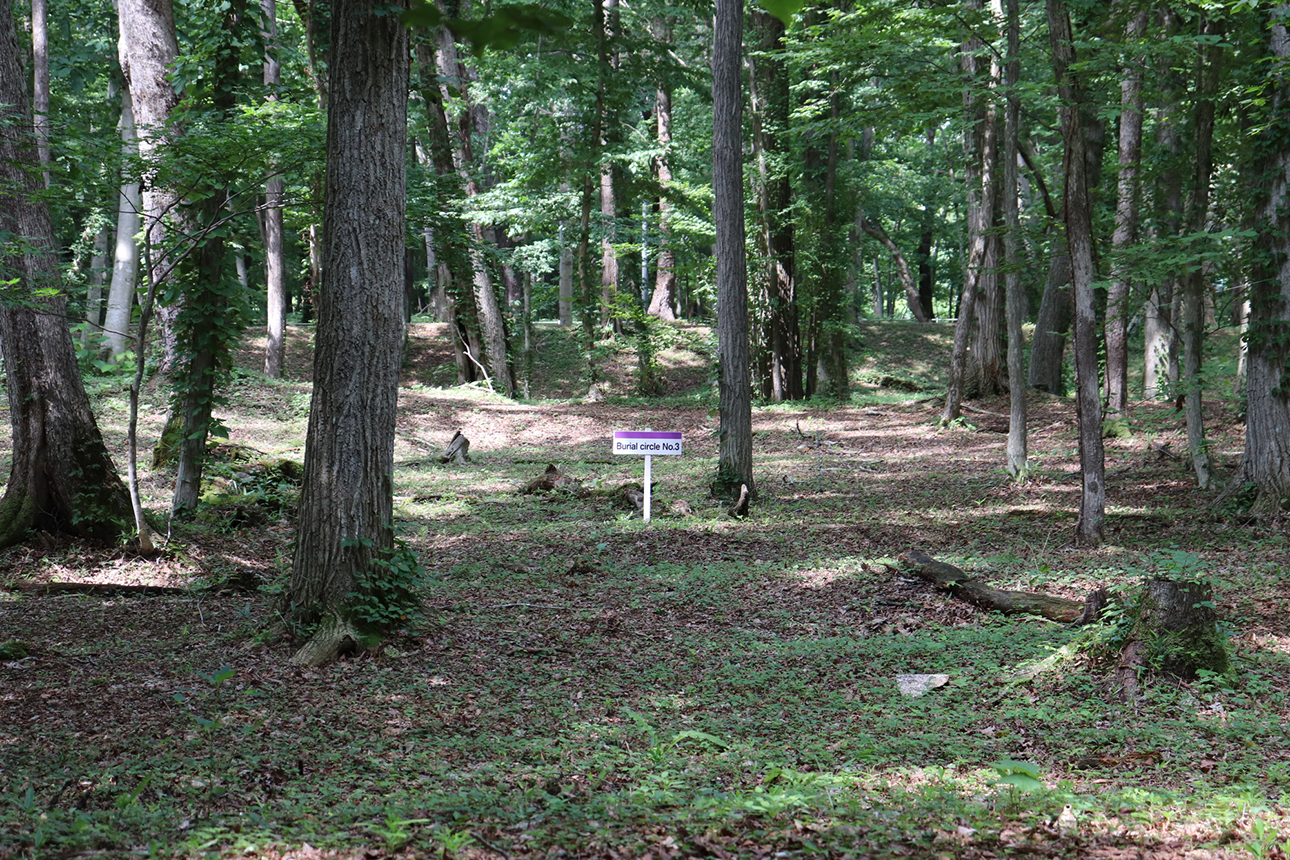
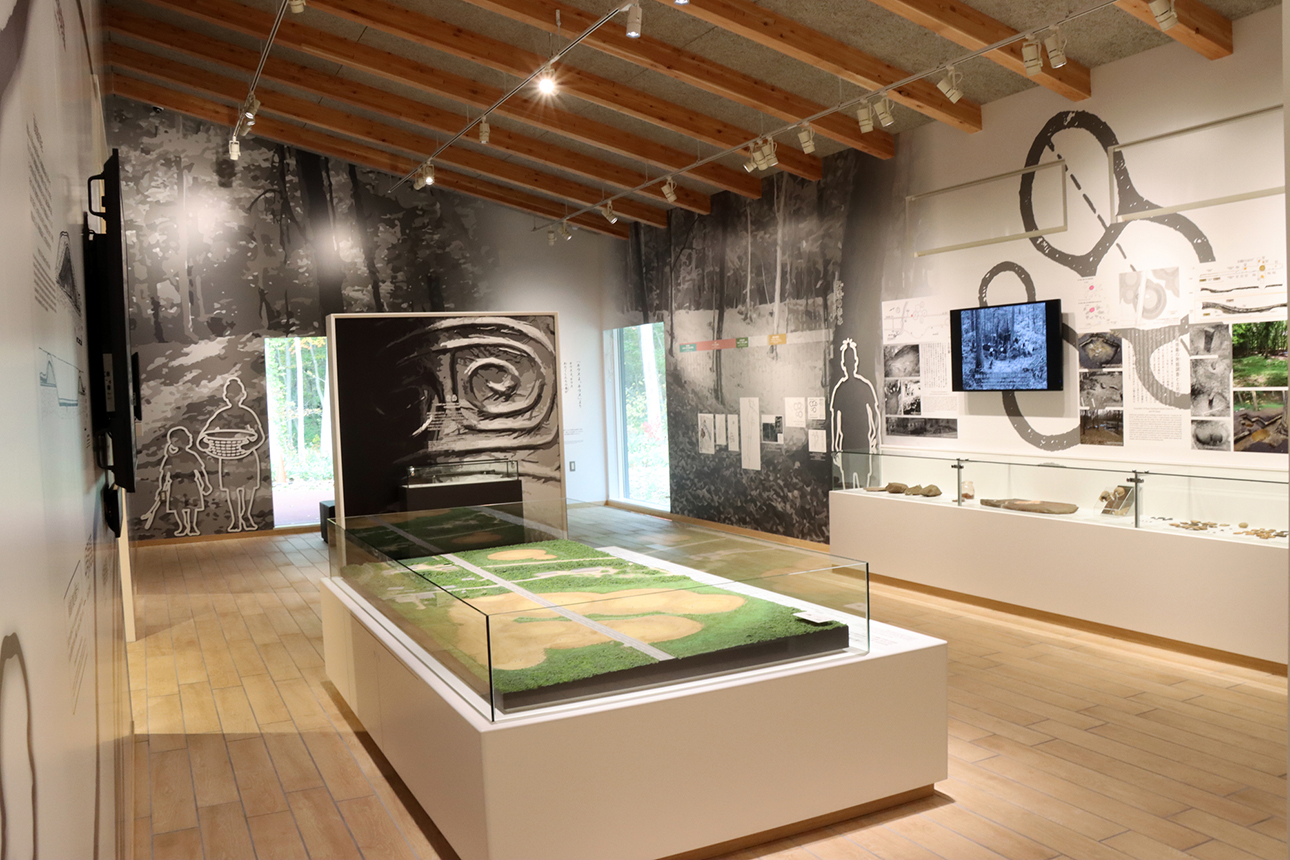
The site features the Kiusu Earthwork Burial Circles Historic Site Guidance Center, which serves as a gateway, allowing visitors to gain background knowledge before proceeding with their tour.
The centre houses a collection of fascinating exhibits—including artifacts, videos, and a diorama—that offer an experiential understanding of the value of the Kiusu Earthwork Burial Circles, the spirituality of the Jomon people, and their large-scale civil engineering techniques.
Taking a tour with a volunteer guide afterward will likely provide an even deeper understanding.
Compared to the modern era—marked by the destruction of nature, an overreliance on processed foods, and ongoing wars—the Jomon period may have been a time of bountiful, peaceful coexistence. Why not take a stroll through the ruins, imagining the lives of those ancient people while enjoying scenery that changes with the seasons?
Let’s start planning your trip!
Now, are you convinced it is a great idea to start your journey right here in the Chitose area? You might be surprised to see just how many options there are in the vicinity of New Chitose Airport. A stay in the Chitose area offers a wonderful opportunity to deeply experience the values of wellness and sustainability, not only through Hokkaido’s nature but also its history and culture. Before heading to Sapporo or other tourist destinations, we invite you to enjoy a high-quality, unique journey right at the beginning of your vacation.
And if you’d like us to help plan such a trip, please don’t hesitate to contact Hokkaido Treasure Island Travel Inc. In addition to a driver, we can provide a dedicated tour guide to accompany you from the moment you arrive in Hokkaido, and we can also assign local expert guides as needed.
We look forward to welcoming you to Hokkaido, a place we love, in the near future!