The Town of Higashikawa: Small but Growing
Hokkaido is vast and rich in nature, offering an abundance of delicious food. While it is one of the most popular tourist destinations that attracts visitors from near and far, it is also true that many municipalities face the challenge of depopulation.
Amidst this reality, there is a small town that has been successfully attracting newcomers: Higashikawa, located in a rural area with views of the majestic Daisetsuzan Mountain Range, including the highest peak in Hokkaido, Mt. Asahidake. In 1993, the population had dwindled to about 7,000, but it has gradually increased since then, reaching approximately 8,700 today, with a continuing upward trend. A survey targeting newcomers even selected Higashikawa as “the most liveable town in Japan”, highlighting its reputation among those looking to relocate.
Would you like to know why this small town is gaining attention? Higashikawa has numerous attractions, but this time, let’s focus on one aspect: its woodcarving crafts and furniture. The town is home to many craftsmen who contribute to furniture production in neighbouring Asahikawa City, which is known as a “furniture town”, and Higashikawa is said to produce about 30% of the branded furniture known as “Asahikawa Furniture”. However, there is much more to the town than just that. Independent and uniquely styled furniture and craft workshops and galleries are scattered throughout the town, and simply hopping between these galleries can enjoyably make you lose track of time.
If you’re looking for an easy way to make the most of Higashikawa, a treasure trove of charm that includes furniture and crafts but often gets overlooked by tourists and is hidden away from Asahikawa, feel free to contact Hokkaido Treasure Island Travel Inc. Our dedicated guides and drivers provide attentive service from the moment you arrive at the nearest airport until the day of your return.
Why Are People Drawn to Higashikawa?
In Japan, including Hokkaido, a trend of population decline began long ago, and with the exception of major urban areas such as Tokyo, Osaka, and Sapporo, almost every municipality is facing this issue and struggling to find effective countermeasures. Then, what could be the secret behind Higashikawa’s ability to attract newcomers and increase its population? Before we turn our attention to woodcarving and furniture, let’s unravel various other aspects one by one.
Where Is Higashikawa?
Higashikawa is located almost in the centre of Hokkaido and is adjacent to Asahikawa, which has a population of over 300,000 and is one of the most popular tourist destinations in the region. Higashikawa is only a 10-minute drive from Asahikawa Airport, making it easily accessible. While Tokyo may seem far away from the town, it’s actually quite convenient, with direct flights connecting Haneda Airport and Asahikawa Airport in less than two hours. With a car, you can find large shopping centres and general hospitals within a 30-minute range, ensuring sufficient convenience. The town itself boasts stylish and appealing dining establishments, and if you’d like to seek more options of delicious food, you can easily extend your journey to Asahikawa, ensuring you won’t run out of entertainment. Despite being so close to the urban hustle and bustle, Higashikawa maintains a quiet environment that feels worlds apart from the city.
A Town Embraced by Nature
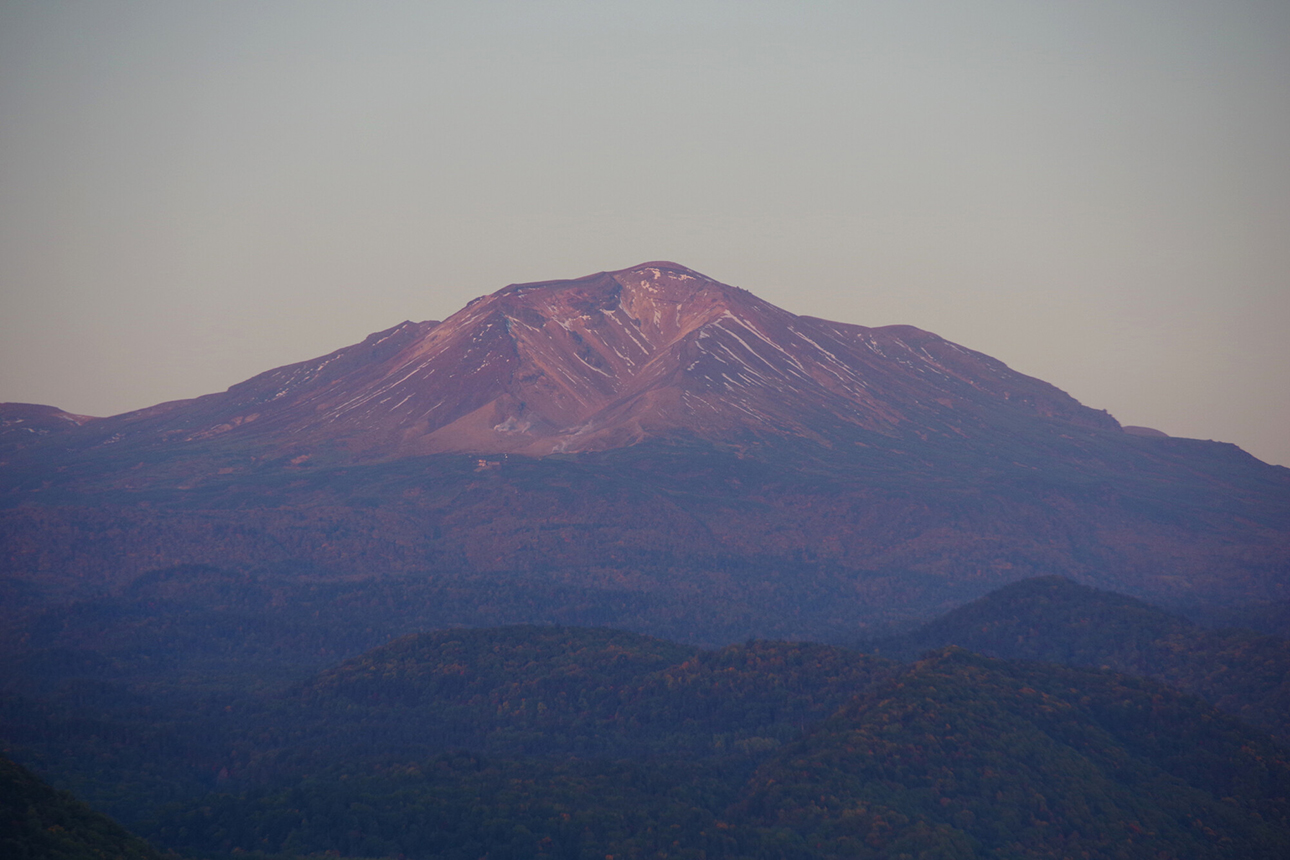
Standing at an elevation of 2,291 metres, Asahidake is the highest mountain in Hokkaido, located in the northern part of Higashikawa. It is a popular destination for tourists who enjoy hiking, beautiful scenery, and hot springs. Mt. Asahidake is part of the Daisetsuzan Mountain Range, which features about 20 peaks that rise to around 2,000 metres. This mountain range was once referred to by the indigenous Ainu people of Hokkaido as “the playground of the gods” (Kamuy Mintara). It is also one of Japan’s largest national parks, spanning an area of 230,000 hectares. Nestled at the foot of these stunning mountains, Higashikawa is blessed with an environment where the gifts of nature can be fully enjoyed.
The Bounty of Nature: Water
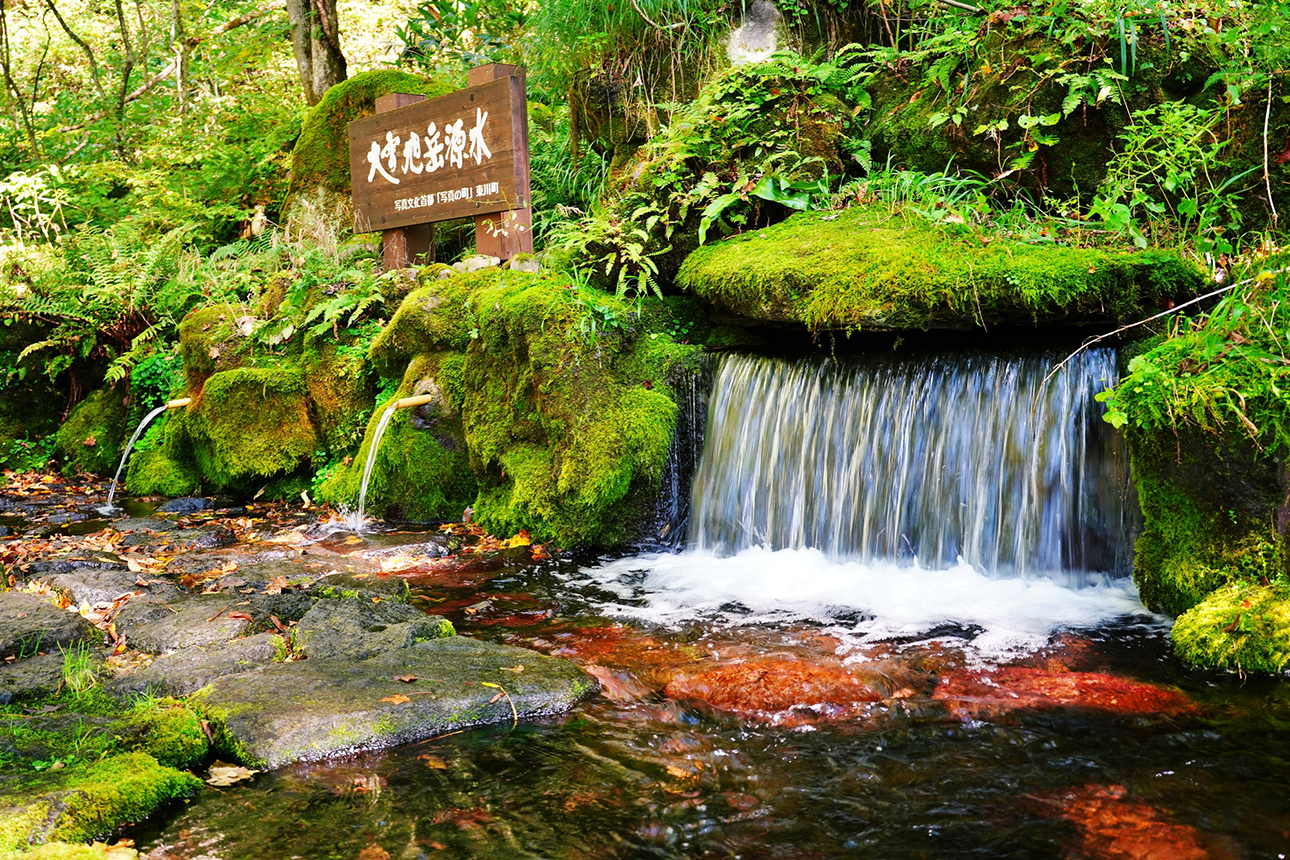
One of the most noteworthy natural gifts in Higashikawa is its exceptional water. This town is the only municipality in Hokkaido without a public water supply system. Residents draw groundwater from about 20 meters underground, whose origin is snow that falls in the Daisetsuzan Mountain Range, melting and seeping into the earth, enriched with minerals over a century-long process, and eventually flowing down to the town as pure natural spring water. This water hydrates the community, providing an extraordinary experience where you can access fresh mineral water straight from the tap—what a luxury!
In fact, there is a place where anyone can enjoy this water, not just locals. The Daisetsu Asahidake Spring Water Park has a water intake, where you can freely fill your containers with finest-quality water sourced directly from the springs.
A Farming Community
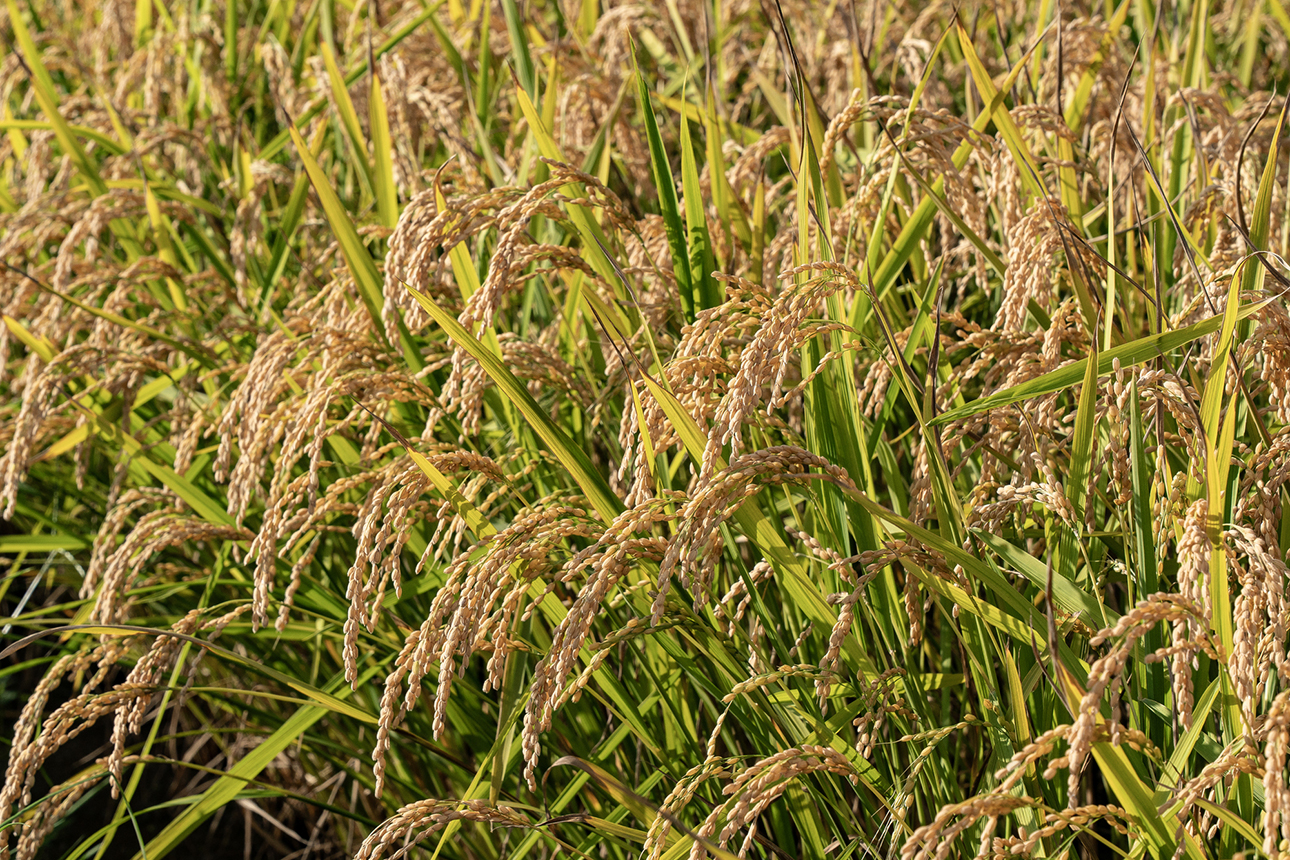
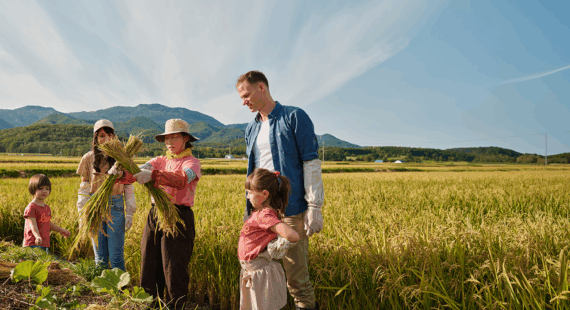
The main beneficiary of this water is undoubtedly agriculture. Thanks to this abundant resource, everything grown in Higashikawa is delicious. The town utilises the fertile soil along with its pure water to cultivate various excellent agricultural products, with rice being especially outstanding. Higashikawa Rice is not only produced under favourable conditions, including high-quality water, but it is also crafted through rigorous agricultural management practices, and in 2012 it earned the distinction of being Hokkaido’s first registered regional brand rice.
While Japan faces issues of an ageing population and a shortage of successors in farming—leading to an increase in abandoned farmland—Higashikawa exhibits no signs of such problems. Although some farmers may stop cultivating crops, existing farmers often take over the land, and new entrants to the agricultural scene ensure that the community remains vibrant. In fact, there is said to be a shortage of about 300 hectares of farmland available, highlighting the demand for active farming.
The rice grown with the water from Higashikawa is often reported to be even more delicious when cooked with this special water. The picturesque rice fields, full of water in the spring, reflect the surrounding landscapes and, combined with the majestic, snow-capped Daisetsuzan Mountain Range in the background, create a stunning visual that captures the hearts of visitors.


Water Connecting Traditions: A New Frontier for Sake Breweries
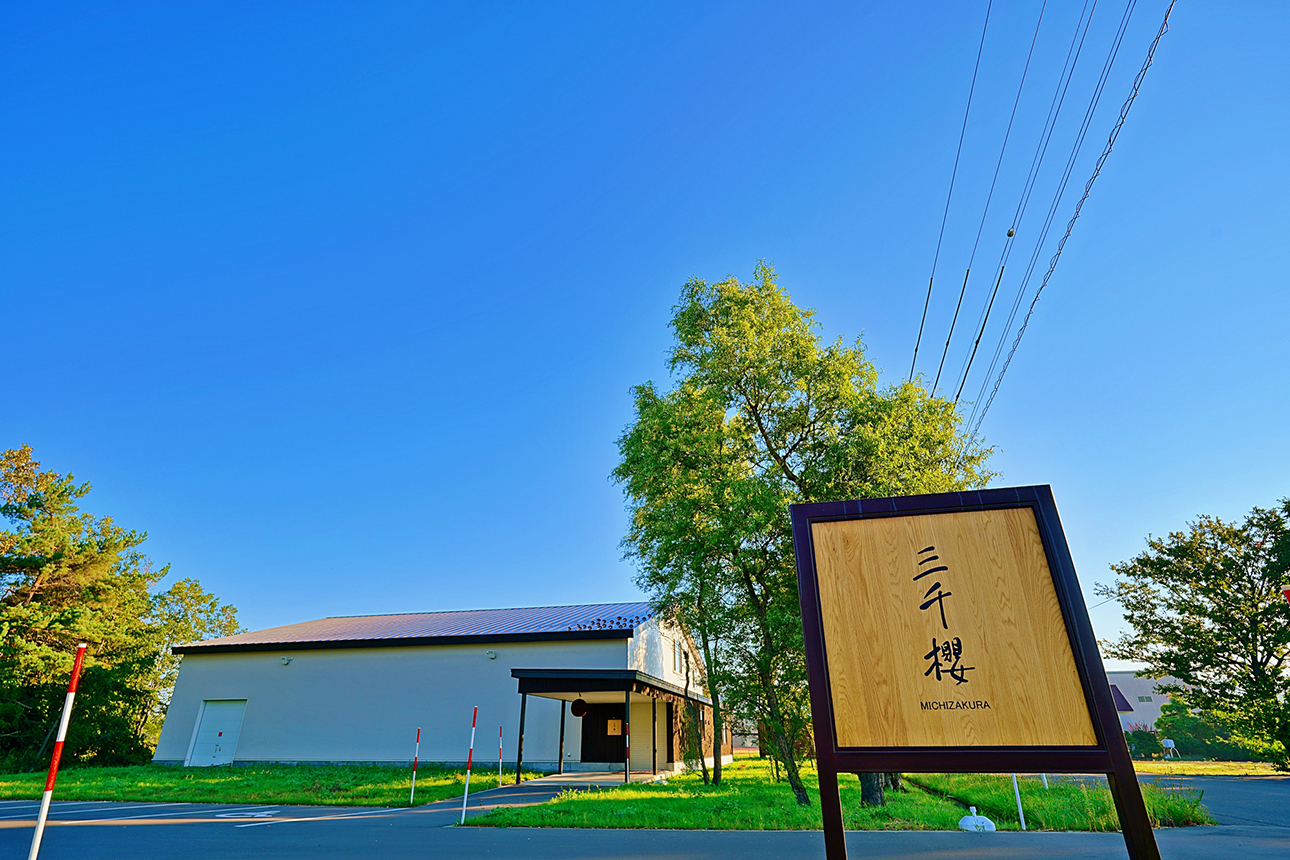
Do you enjoy Japanese sake? The key ingredients for sake are, of course, rice and water. Given this, Higashikawa seems to offer the perfect conditions for sake production. However, there were originally no sake breweries in the town. When the local government reached out to breweries nationwide to utilise their favourable conditions, the legendary Miyamasakura Brewery, with nearly 150 years of history, relocated from Gifu Prefecture, approximately 1,550 kilometres away, starting afresh here in 2020. This decision came after climate change made brewing difficult at their original location, and the facilities had fallen into disrepair. The presence of high-quality water and rice in Higashikawa made it an ideal spot for brewing. As a result, the town’s charm was further enhanced by the arrival of this sake brewery.
Cultivating Culture: Higashikawa, the Town of Photography
The town proudly promotes itself as the “Town of Photography”. Surrounded by beautiful natural scenery, Higashikawa declared its intention to become a cultural rural city in 1985. While many municipalities were focusing on easy-to-develop projects like golf courses and tourist facilities, Higashikawa decided to guide its development by cultivating a vibrant culture. This was a significant turning point for the town.
Although it took some time, the fruits of this decision are now evident. Higashikawa hosts major photographic events, including the Photographic Koshien for high school students, the Higashikawa International Photo Festival, and the International High School Student Photo Exchange Festival. These events foster the cultural growth of the town and enhance international relations. Particularly, the Photographic Koshien has been an important catalyst for revitalising the town. Eighteen teams of high school students—who have passed through regional qualifiers—compete by photographing various locations and people in the town, leading to greater interaction between young students and local residents. Many students, after experiencing the charms of Higashikawa, have chosen to relocate or return for visits, showing that the town’s commitment to developing its cultural identity is paying off.

The Higashikawa Cultural Gallery plays a central role in disseminating the culture of photography, where visitors can enjoy various exhibits. The street outside, known as Photo Street, is adorned with award-winning photographs and submissions from past exhibitions, tastefully enhancing the town’s aesthetic.


A Welcoming Community

While the activities in the “Town of Photography” contribute to international exchanges, the town also addresses crucial language barriers through Japan’s first public Japanese language school, established in 2015. This school primarily serves international students from Asia, and through community events, locals have cultivated a welcoming attitude toward these students. This openness has likely played a significant role in the successful operation of the school.
The welcoming atmosphere that has developed makes Higashikawa an even more inviting place for newcomers.
The Culture of Furniture and Woodcarving in Higashikawa

Now that you have had a glimpse into the charms of Higashikawa, let’s dive into the main theme of this exploration! As previously mentioned, Higashikawa has developed by fostering its unique culture, and wooden furniture and crafts have also played a critical role.
The town is home to numerous furniture and craft workshops, many of which feature attached galleries and showrooms. There’s even a street aptly named Craft Street, and many shops and restaurants in the town have distinctive wooden signs showcasing the town’s woodworking heritage, inviting visitors in to explore.
Why Are Furniture and Craftsmanship Significant in Higashikawa?
You may wonder why the wooden furniture and craft industries have flourished here. Being situated next to Asahikawa, a well-known furniture production hub, led local farmers in Higashikawa to engage in furniture-making as a winter activity. There was a pivotal moment in 1954 when a powerful typhoon devastated the area, knocking down trees throughout the town. This event initiated a rapid expansion of the furniture industry, born out of a philosophy of ensuring that no wood would go to waste. Long before environmental concerns became a global focus, the people of Higashikawa understood the importance of the sustainable utilisation of resources.
As societal trends evolved, so did consumer preferences. In the past, customs dictated that brides brought large pieces of furniture as dowries, but this tradition waned over time, leading to a decline in large furniture purchases. Consequently, the demand shifted toward smaller items like chairs and tables, and workshops specialising in fine woodcarving emerged throughout the town.
Also, the stunning natural environment, filled with beautiful mountain ranges and picturesque rural landscapes, offers an inspiring backdrop for creativity, attracting artisans not only skilled in woodwork but also other creative professionals including ceramicists and, of course, photographers.
Additionally, since agriculture is one of Higashikawa’s primary industries, the existing infrastructure, such as three-phase power systems capable of supplying large amounts of electricity available from retired farms, has been beneficial for furniture and craft artisans relocating to the area.
Municipal Support for Furniture and Crafts

The town supports the wooden furniture and craft industries in various ways. One such initiative is the “Life-Embracing Approach through Furniture”. In the “Your Chair Project,” chairs created through a collaboration between designers and artisans are gifted to babies who are 100 days old , expressing sentiments like “Thank you for being born” and “Your place is right here.” In elementary school, children learn surrounded by wooden school furniture, and in junior high school, they receive a chair they have cherished for three years as a graduation gift, referred to as the “Learning Chair.” This way, children grow up enveloped in the warmth of wood, naturally experiencing its benefits.


In addition to this, public facilities are intentionally designed to feature wooden furniture and crafts produced in Higashikawa, showcasing their quality and artistry. Shops called Higashikawa Meets, which sell local specialty products, are located at the station, airport, the town’s community complex CENTPURE, hot spring facilities, cafés, etc., allowing visitors to take home a piece of Higashikawa, such as furniture and woodcarvings. There is an online shop of Higashikawa Meets as well for convenience.


* Left photo: CENTPURE; Right photo: Higashikawa Meets at CENTPURE
At CENTPURE, visitors can enjoy the Oda Collection, a permanent exhibition curated by furniture researcher Kenji Oda, providing a deeper insight into the town’s rich furniture heritage.
Let’s Explore!
Now that you have an understanding of why furniture and craft culture is thriving in Higashikawa, aren’t you curious about exploring some of the actual workshops around town? Let’s highlight a few unique spots that feature galleries and showrooms.
Kotan Kuru Kamui
Established in 1986, Kotan Kuru Kamui is the oldest woodcarving gallery in Higashikawa. According to the artist Yoshitaka Fujita, no one was exhibiting their work in a gallery at that time. He has been showcasing the creations of many artists here, promoting Higashikawa’s woodcarvings to the world. As one of the few native craft artisans from Higashikawa, Fujita has witnessed the growth of the local woodworking industry firsthand. He creates lovely craft pieces inspired by native wildlife of Hokkaido, such as the Blakiston’s Fish Owl, the Long-tailed Tit, and the Ezo Flying Squirrel, utilising the natural colours of the wood.
Interestingly, the name “Kotan Kuru Kamui” means “God that Protects the Village” in the Ainu language, referring to the owl that inspires many of his works. The gallery is also home to cherished pieces from the late craftsman Hisayuki Ota, known as the “Wizard of the Lathe.” If you’re on the lookout for unique finds, this rustic gallery is definitely worth visiting!


Bau Artcraft

This workshop and gallery opened in 1988. The Daimon family works together here, creating furniture and woodcarvings.
The father, Takeshi, originally studied and worked as a furniture maker in Asahikawa. His dream of eventually becoming independent and owning his own workshop came true in Higashikawa. He engages in production while consciously ensuring that his products are not only fun to use, but also fun to look at.
His son, Kazuma, who grew up amidst the furniture crafted by his father, has also loved making things since childhood. Although he once worked in another field, joining his father’s workshop after helping out for a while was perhaps a natural progression.
Based on playful and unique ideas, they continue creating pieces destined to be passed down to the next generation. You’re sure to be captivated by their one-of-a-kind creations, like pieces inspired by objects rarely associated with wooden furniture—such as the zabuton, a cushion that has been an essential part of Japanese life for centuries—or a cabinet crafted from 20 different types of wood.


Zbiyak
Kenji Hayami, originally from Osaka, began his woodworking career in Asahikawa. In 1984, wishing to work where he could see Mt. Asahidake, he moved to Higashikawa and opened his workshop in an old farmhouse. The area’s ideal environment for raising young children also encouraged his relocation.
Stepping into the gallery, located alongside the workshop in the nature-rich suburbs, one is immediately struck by mobiles of wild birds that appear to be fluttering vividly through the open sky. The name “Zbiyak” originates from the call of the Japanese snipe. Many of Hayami’s works are bird-themed mobiles and yajirobe (balancing sticks). Characterised by their life-size scale, they utilise weights and magnets to create movements that mimic flight even in the slightest breeze. He leaves the wood unpainted, showcasing its natural colour.
Upon request, he also creates large wooden pieces for wall display. One such piece, a wooden mural titled “The Big Tree in the Flying Squirrel Forest,” adorns a town’s integrated kindergarten and nursery school facility. It beautifully depicts Hokkaido’s trees, Ezo squirrels, brown bears, and black woodpeckers. Children adore it, and townspeople sometimes come to look at it.


Kita no Sumai Sekkeisha
Founded in Asahikawa, the company relocated to Higashikawa 40 years ago in 1985. A wooden former elementary school building constructed in 1928 was repurposed and has been cherished as their workshop to this day. Wood endures rain, snow, wind, and summer heat, its growth rings bearing witness to 100 or 200 cycles of seasons. The company meticulously handcrafts furniture that highlights this grain, ensuring it lasts as long as the wood itself.
Furthermore, witnessing climate change and natural disasters prompted a re-evaluation of their practices. They decided to stop using imported wood and now exclusively use broadleaf trees sourced from Hokkaido. They primarily use species like Mizunara oak and Itaya maple.
Adjacent to the workshop nestled in a quiet suburb is a showroom and a cafe & bakery. The showroom sells the company’s furniture and craft products, along with various sundries and household tools. After leisurely enjoying the showroom tour, why not relax with tea or a meal in the calm atmosphere of the cafe, which is furnished with their own creations and serves delicious, healthy food?


* Left photo: Workshop (former elementary school); Right photo: Showroom and cafeteria
R Kobo Mini

Furniture maker R Kobo relocated its factory to Higashikawa in 2020, and also opened this craft goods specialty shop R Kobo Mini. President and craftsman Ishikawa is originally from Yamagata Prefecture. He became a Hokkaido resident after attending university in Hokkaido. Initially a subcontractor for Asahikawa furniture makers, he moved to Higashikawa for its spacious land, driven by his desire to establish his own workshop.
Guided by the concept “Bringing the Warmth of Wood into Daily Life,” his team create fun, ingenious furniture and wooden lifestyle goods, delivering the charm of artisan-made furniture and crafts. Examples include a smartphone speaker that amplifies your phone’s sound, and a table and chair set that lets you tuck the chairs under the table to keep them out of the way during cleaning. Why not come see and touch the items for yourself and discover a hidden gem?


Asahikawa and Higashikawa Are Interdependent.
Higashikawa boasts many workshops and galleries in addition to those introduced here, making its furniture and craft industry unquestionably one of the town’s mainstays. The initial catalyst was the growth of the furniture industry in Asahikawa. As it expanded, the furniture industry spread to surrounding municipalities. Thus, Higashikawa came to produce about 30% of the ‘Asahikawa Furniture’ brand, and many artisans migrated from Asahikawa to open their own workshops here. As the town developed, migrants also increased from other municipalities in Hokkaido and from outside the prefecture, leading to the present situation. Tracing this aspect of the history reveals that Asahikawa and Higashikawa share an inseparable relationship, each indispensable to the other. One symbol of this relationship is Asahikawa Design Center.
Asahikawa Design Center

This modern, spacious building is a facility showcasing furniture and crafts from Asahikawa, Higashikawa, and neighbouring municipalities. Walking through the expansive interior, you’ll first notice the craft shop displaying a rich variety of works. Here, you’ll find pieces by the Higashikawa artisans mentioned earlier. Further inside, coordinated furniture displays and chair collections line the space, offering up a visual feast.
Near the entrance, there’s also a workshop where you can casually try your hand at woodworking. In 40 to 60 minutes, you can create items like coasters, spoons, trays, cutting boards, clocks, or even your very own one-of-a-kind chair. If just looking isn’t enough, why not stop by and experience a glimpse of the artisans’ skills firsthand?


Nearby Sightseeing
Did you enjoy the tour of Higashikawa’s unique furniture and craft galleries and showroom? Of course, what we’ve introduced here is just a small part of what’s available. Not all the hidden furniture and woodcarving shops have been explored here, so further exploration could be quite interesting.
At the same time, if you’re planning a trip to this town, why not consider other attractions too? There are numerous places to enjoy in and around the town. Let me introduce a few.
Higashikawa
● Mt. Asahidake
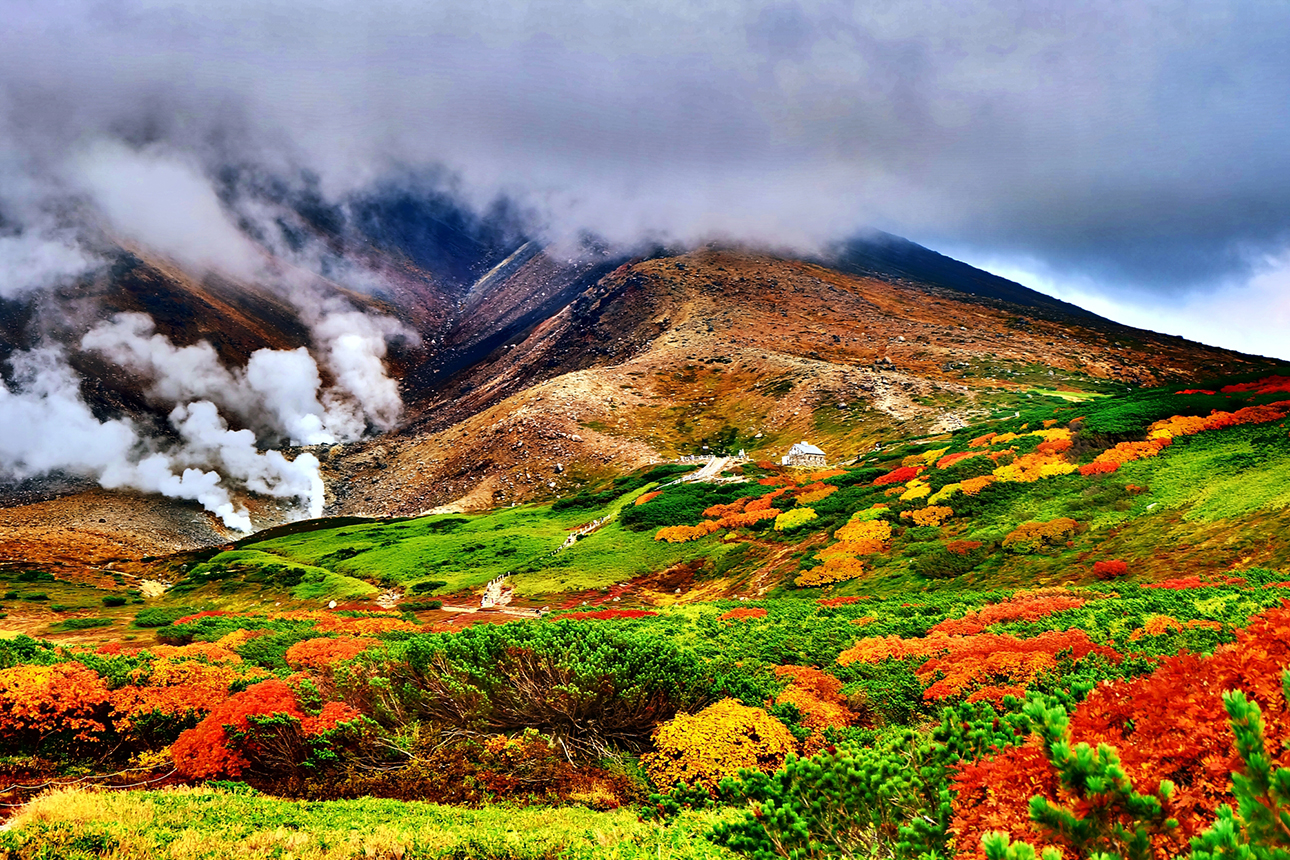
Of course, Mt. Asahidake, which we introduced earlier, isn’t just a mountain to view from afar. Its peak season is autumn, when the foliage arrives earlier here than anywhere else in Japan. You won’t be able to resist snapping photos of the mountain landscape, resembling a carpet vibrantly coloured in reds, yellows, and other vivid hues.
Winter, with its biting cold, offers a different kind of charm. Challenge yourself with a hike in the crisp, taut air, or enjoy activities like snowshoeing. If luck favours you with good weather, you might witness the breathtaking spectacle of trees covered in beautiful rime ice. The sight of the rime ice turning pink as it catches the setting sun is especially recommended. Rime ice is a privilege visible only to those who endure the extreme cold.

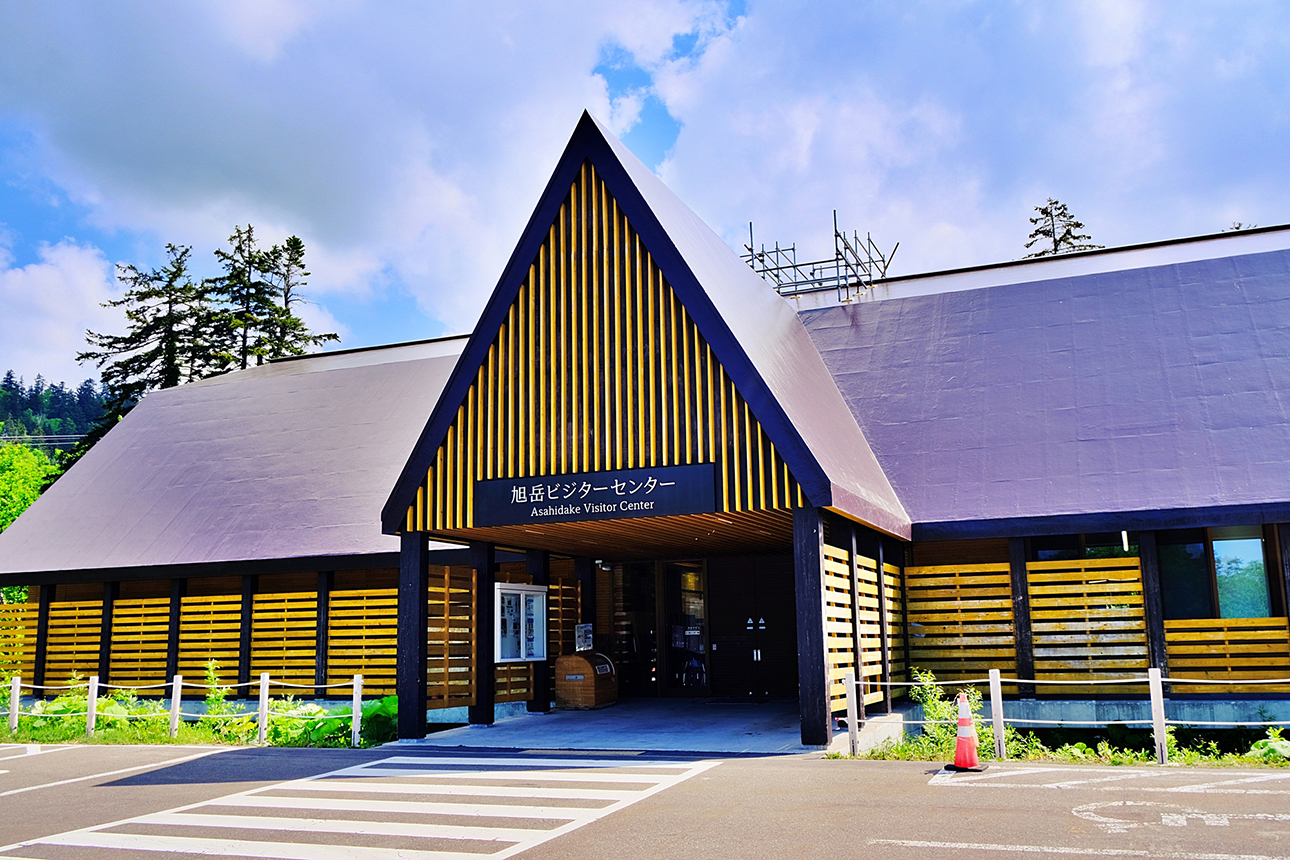
(Incidentally, the visitor centre next to the mountain base station, where you can learn about the Daisetsuzan Mountain Range including Mt. Asahidake, features abundant use of Higashikawa furniture. The warmth of the wood soothes and welcomes you.)
As one of Hokkaido’s roughly 20 active volcanoes, Mt. Asahidake also has a hot spring resort. After experiencing its harsh nature through activities like climbing, why not enjoy a leisurely soak in the hot springs to ease your fatigue before savouring Hokkaido’s gourmet delights?
● Kitōron
This hot spring complex is nestled within the vast natural park named Kitōshi Forest. Perched atop 457-meter-high Mount Kitōshi, it allows you to experience the picturesque rural scenery and the changing seasons with all five senses. How about relaxing in the baths and sauna, warming yourself to your very core while enjoying the ever-changing views?


* Left photo: ©Kotaro Imada; Right photo: ©Kotaro Imada
It also features a restaurant utilising Hokkaido and local ingredients, along with one of the Higashikawa Meets shops.
The building, constructed using thinned Hokkaido larch and Higashikawa alder wood, is highly distinctive. The architectural firm of world-renowned architect Kengo Kuma was involved in the supervision of its design. Kuma is an architect with a particular passion for wood, known for designing the main stadium for the 2021 Tokyo Olympics, which features abundant use of wood. He is someone who recognises Higashikawa’s charm and collaborates with the town in various ways.
While Kitōron itself has no accommodation, the natural park offers lovely cottages suitable for extended stays. Each cottage features unique furniture meticulously crafted by different workshops in Higashikawa.


Asahikawa
● Asahiyama Zoo
Asahikawa’s Asahiyama Zoo, which opened in 1967, is the northernmost zoo in Japan. This zoo, located on a small mountain called Asahiyama, does not have a large variety of rare animals, so the animals you will mainly see here are ones commonly found in zoos or familiar to Hokkaido. Each animal has its own inherent magnificence. The zoo strives to create environments where animals can exhibit their distinctive abilities, behaviour patterns, and instincts, showcasing them in ways that highlight these traits.
For example, the seal enclosure features a cylindrical transparent tank that runs through the visitor walkway, allowing seals the freedom to swim vertically. In the penguin enclosure, a dome-shaped transparent tunnel lets visitors see penguins swimming in a way that makes them appear to be flying; you can see they are actually birds! Red pandas can leave their enclosure and traverse a high bridge out of visitors’ reach, allowing them to access the tree outside. In the polar bear enclosure, you can observe the bears diving dynamically into a large pool in one space and spending time on land in another open area that has no barriers.
There are countless such creative features.
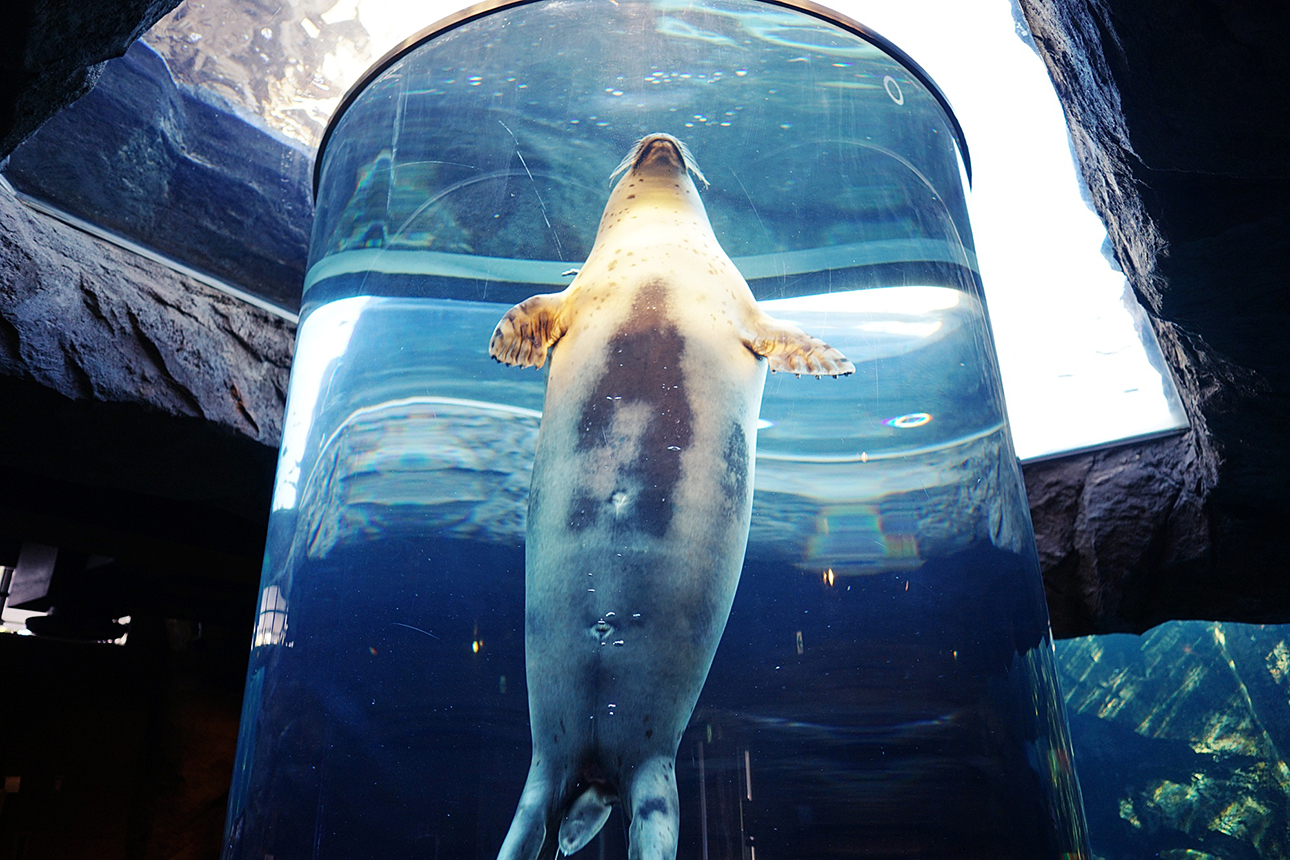

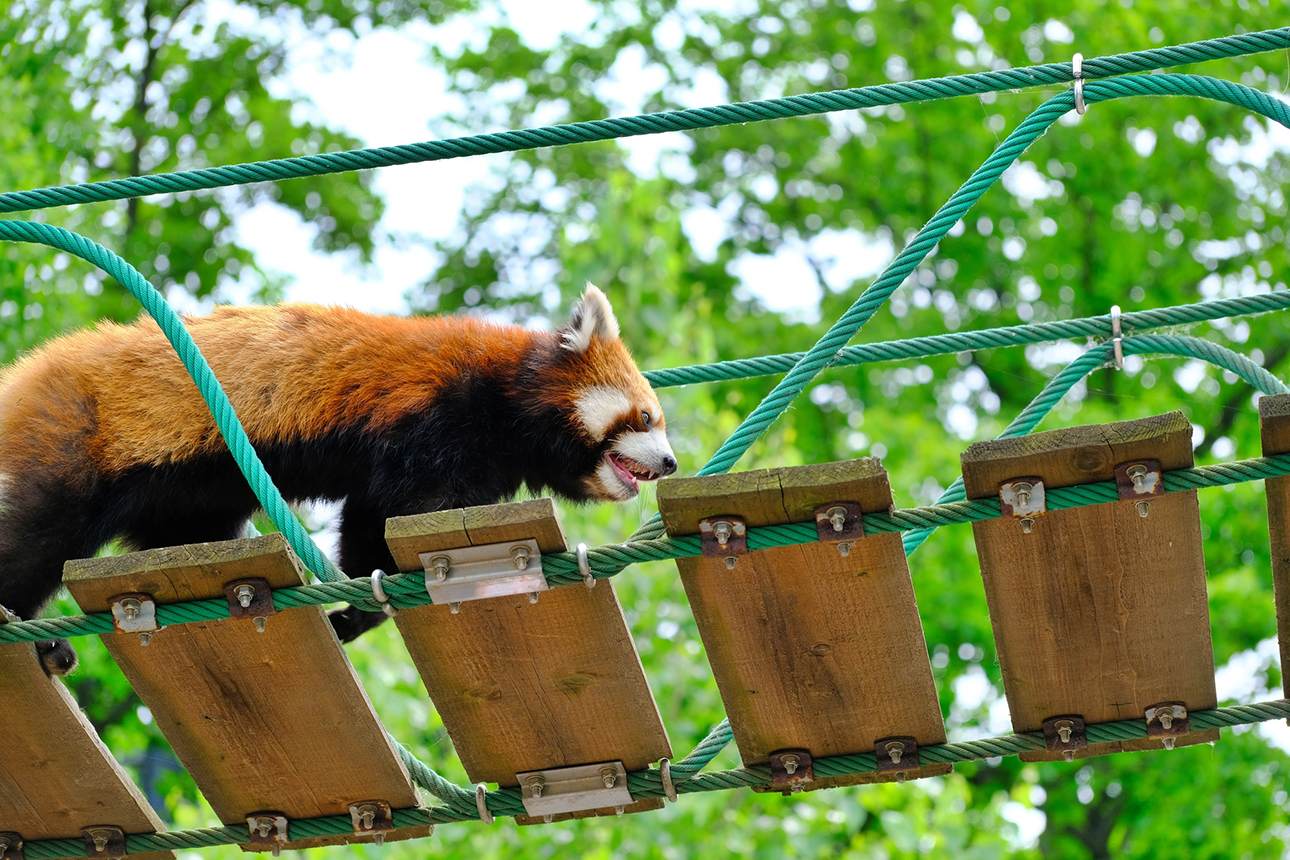

Without the expansive spaces characteristic of an African safari park, the zoo has implemented many ingenious designs to ensure both that the animals are comfortable and that visitors enjoy their experience. Why not visit this unique zoo and meet animals of Hokkaido and others from all around the world?
● Asahikawa Ramen Village
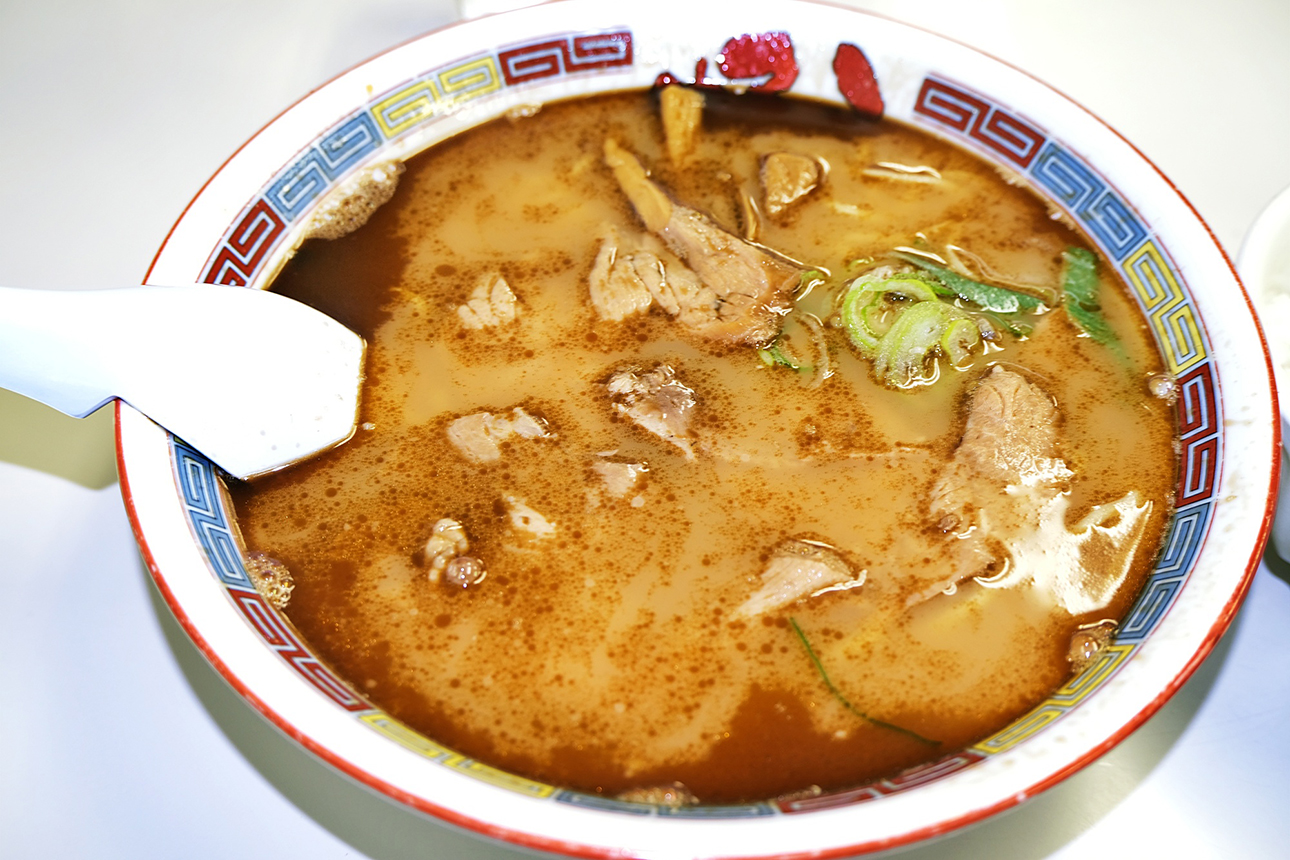
Did you know one of Hokkaido’s specialties is ramen? When tourists think of food in Hokkaido, one of the first things that comes to mind may be ramen. In the Asahikawa area, shoyu (soy sauce) ramen is famous, but any ramen restaurant offers all flavours.
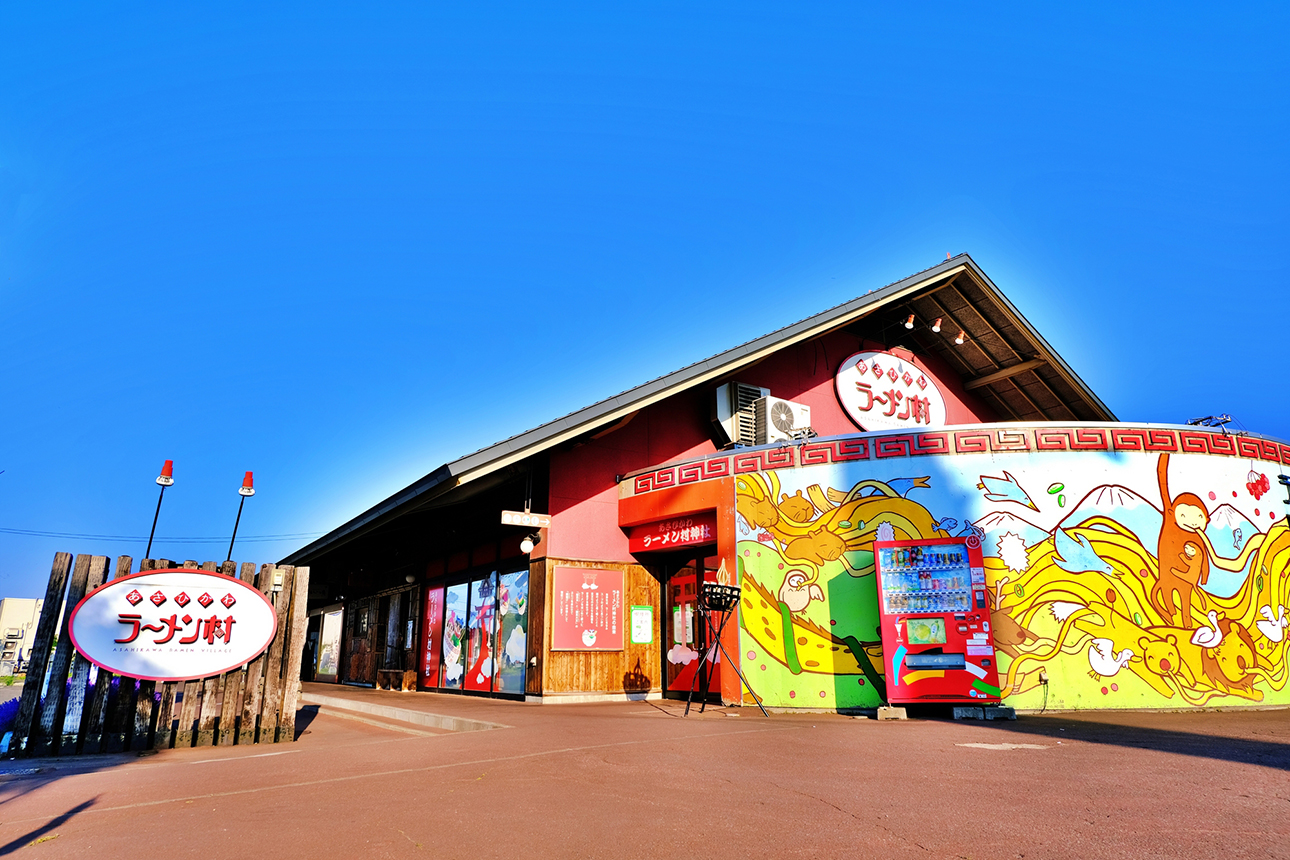
Asahikawa Ramen Village was established in August 1996 aiming to spread awareness of Asahikawa’s renowned ramen culture. It features several different ramen restaurants from across Hokkaido, working hard together to introduce the taste of their ramen to all corners of Japan and the rest of the world. Why not come and find your favourite amongst these specialties of Hokkaido?
Explore the Unique Development of Higashikawa, Hokkaido
Higashikawa has developed its agriculture while benefiting from abundant nature that produces delicious water. At the same time, Higashikawa has cultivated its culture over time through photography, furniture, and crafts. Attracted by nature’s bounty and the fruits of these diverse endeavours, more people are moving here. As the environment improves, stylish cafes, bakeries, and new workshops open, inviting people to drop by. This process further refines the town’s cultural aspects, creating a virtuous cycle that attracts even more new residents.
However, the town never seeks rapid population growth and it avoids easy solutions like attracting large factories. It aims for slow, organic growth without losing its sense of space, guided by a policy of “moderate population density”—neither depopulated nor overcrowded. This is precisely why it feels so comfortable!
Higashikawa continues to develop gently, weaving new connections through various synergistic effects. Why not start by exploring the town’s charms through its unique furniture and crafts? If you’re considering a tour to Higashikawa and Hokkaido, including nearby sightseeing, please reach out to Hokkaido Treasure Island Travel Inc. We’ll listen to your preferences and propose the best custom-made tour for you. Once you arrive in Hokkaido, a dedicated guide and driver will accompany you, ensuring a comfortable journey. We look forward to meeting you in Higashikawa, Hokkaido, in the near future!