Welcome to Hakodate, the charming gateway to Hokkaido and one of Japan’s most historically rich port cities. This city blends its legacy as one of Japan’s earliest international trading ports with a serene coastal landscape and a culinary culture that feels both local and cosmopolitan.
From the renowned “million-dollar” night view to the nostalgic red-brick warehouses and the Morning Market, Hakodate offers a travel experience that’s hard to match. Every corner tells a story — from seafood stalls to centuries-old architecture.
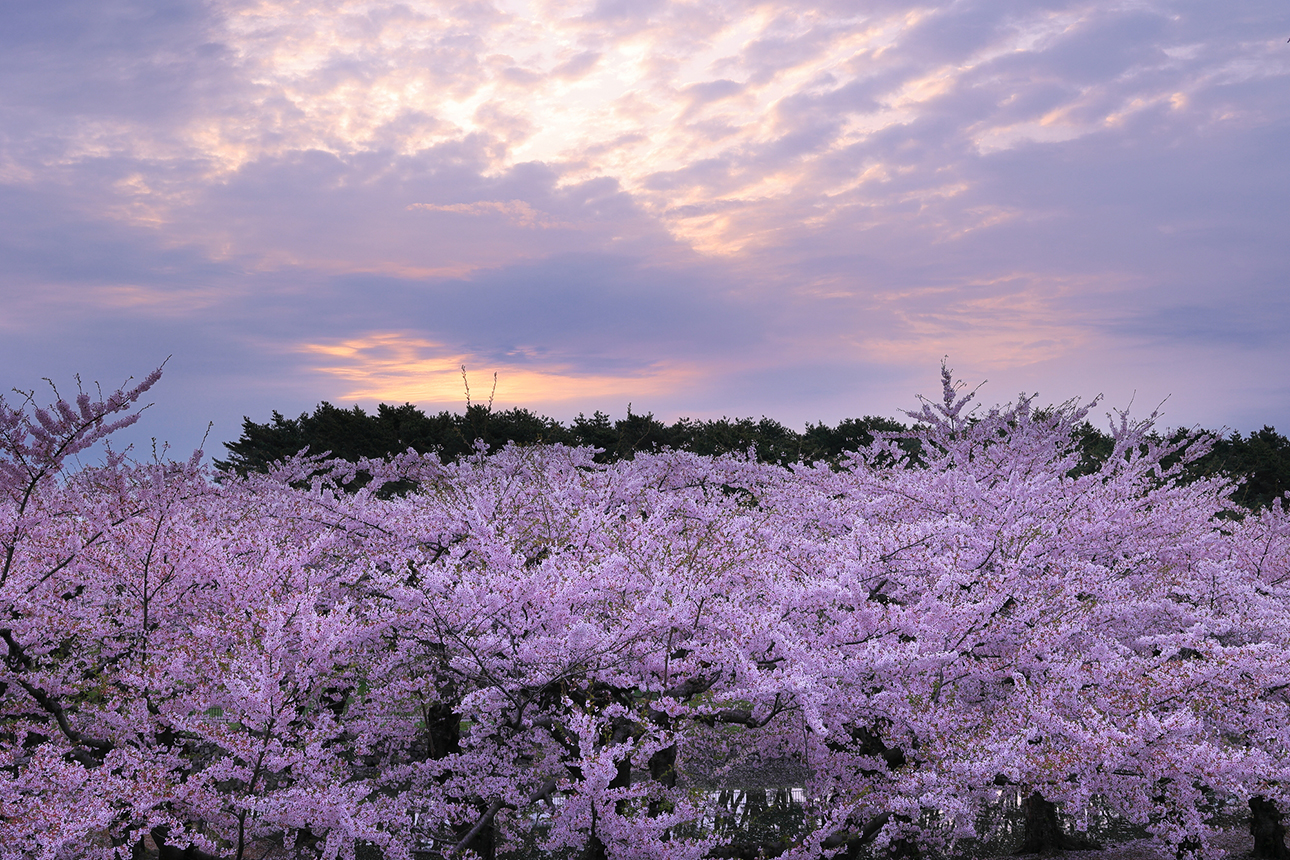
In spring, parks like Goryokaku bloom with over 1,500 somei-yoshino cherry trees. In winter, gentle illuminations cast a warm glow over the bay and historic areas, creating a quietly magical atmosphere.
If you’re visiting for the first time, the variety of attractions can feel overwhelming. A guided tour allows you to see the major sights while uncovering hidden local gems. In this guide, you’ll find carefully designed itineraries, must-visit places, local culinary highlights, and smart transport tips to make your trip truly memorable.
Table of Contents:
1. Hakodate Itinerary: Your Perfect Travel Plan
2. Mt. Hakodate: Conquering the World‑Class Night View
3. Hakodate Morning Market: The Ultimate Breakfast & Squid Fishing
4. Hakodate Must‑Eat Gourmet: From Local Burgers to Shio Ramen
5. Hakodate’s History & Scenic Spots: Goryokaku & Romantic Slopes
6. Beyond the City: Yunokawa Onsen & the Famous Monkey Onsen
7. Hakodate Transportation Guide: Streetcar & Access Tips
8. Tailor-Made Tours: Maximize Your Hakodate Experience
Hakodate Itinerary: Your Perfect Travel Plan
To explore Hakodate efficiently, focus on four key areas:
1. Hakodate Station & Morning Market – Start your day with fresh seafood aromas and vibrant local energy.
2. Bay Area & Motomachi – Stroll charming streets lined with historic churches, gentle slopes, and red-brick warehouses.
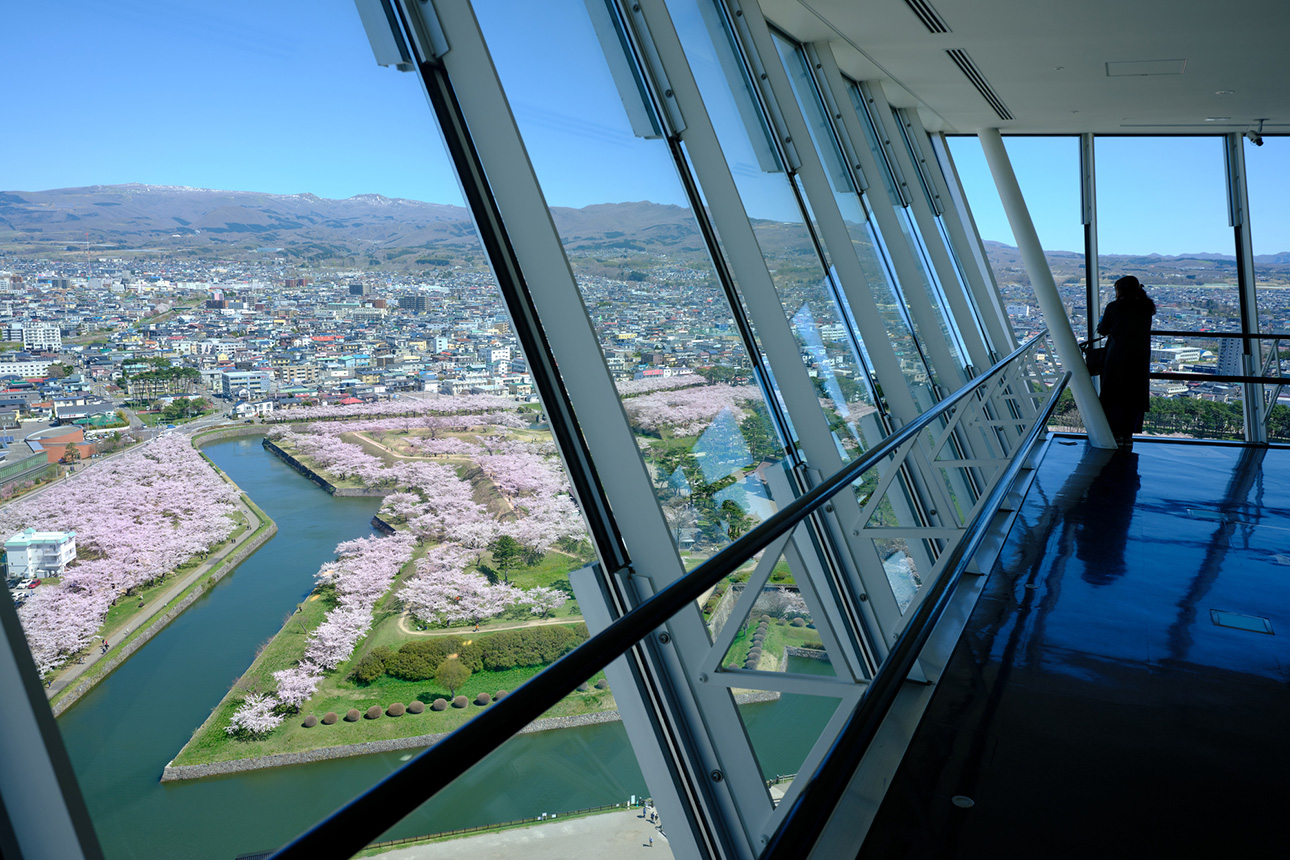
3. Goryokaku – Discover the star-shaped fort and enjoy panoramic views from its observation tower.
4. Yunokawa Onsen – Unwind in Hakodate’s seaside hot-spring district, just minutes from the airport.
These areas capture the essence of the city and are easy to navigate even in a single day. Tailor your route to the sights and experiences that excite you most.
1-Day Essentials: Hakodate Highlights in a Single Day
With just one day in Hakodate, focus on the essentials. Arrive in the afternoon and head straight to the Motomachi and Bay Area for a scenic walk. As dusk approaches, take the ropeway up Mt. Hakodate to secure your spot for the world-famous night view. For dinner, try a seafood izakaya near the station. The next morning, wake up early for the main event: a massive seafood breakfast (kaisendon) at the Morning Market before you depart.
Even in a single day, you can wander tucked-away streets with cozy cafés and local craft shops. In spring, small flower stalls may line the slopes of Motomachi, and in winter, cool air and occasional snowflakes make evening walks especially peaceful.
2-Day Recommended Tour: Capture the Best of Hakodate
On Day 1, explore Goryokaku in the morning and climb the tower for sweeping views. Then, unwind in Yunokawa Onsen by the sea. On Day 2, follow the 1-Day Essentials route: Morning Market, bay walk, Motomachi, and the night view from Mt. Hakodate.
With a local guide, you can adjust your schedule to catch seasonal highlights, such as summer light-ups in the Bay Area or autumn harvests of persimmons and chestnuts in local markets.
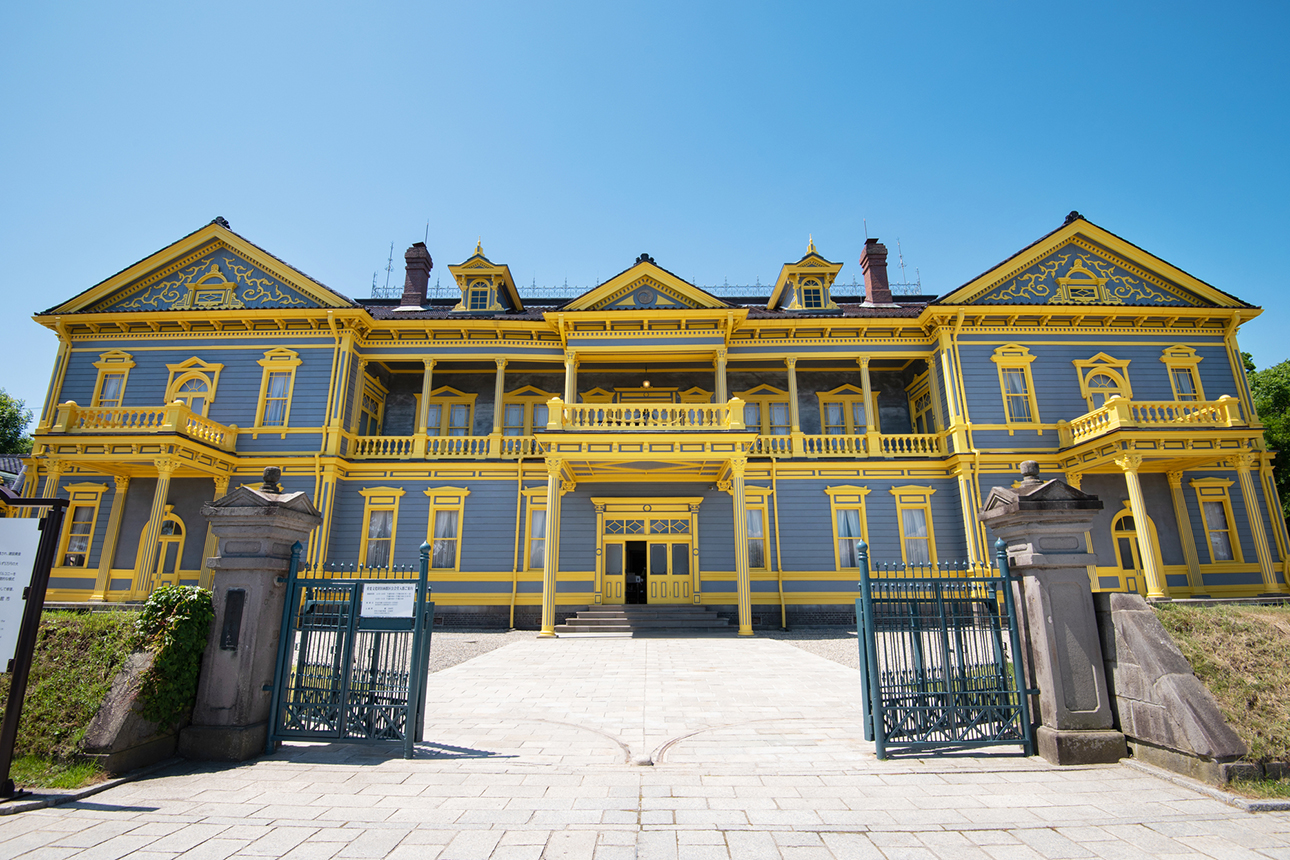
3-Day Deep Dive: Hidden Gems and Local Experiences
Use the third day to escape the city center. A trip to Onuma Quasi-National Park offers stunning lake and island scenery, with swans and ducks often appearing in spring. History enthusiasts may enjoy exploring sites connected to the Perry-era foreign settlements.
A guided tour lets you blend iconic landmarks with more intimate experiences — sampling seasonal sweets from hidden bakeries or enjoying fresh seafood at a working fishing port. In winter, a calm snowy landscape transforms a simple lakeside walk into a deeply relaxing experience.
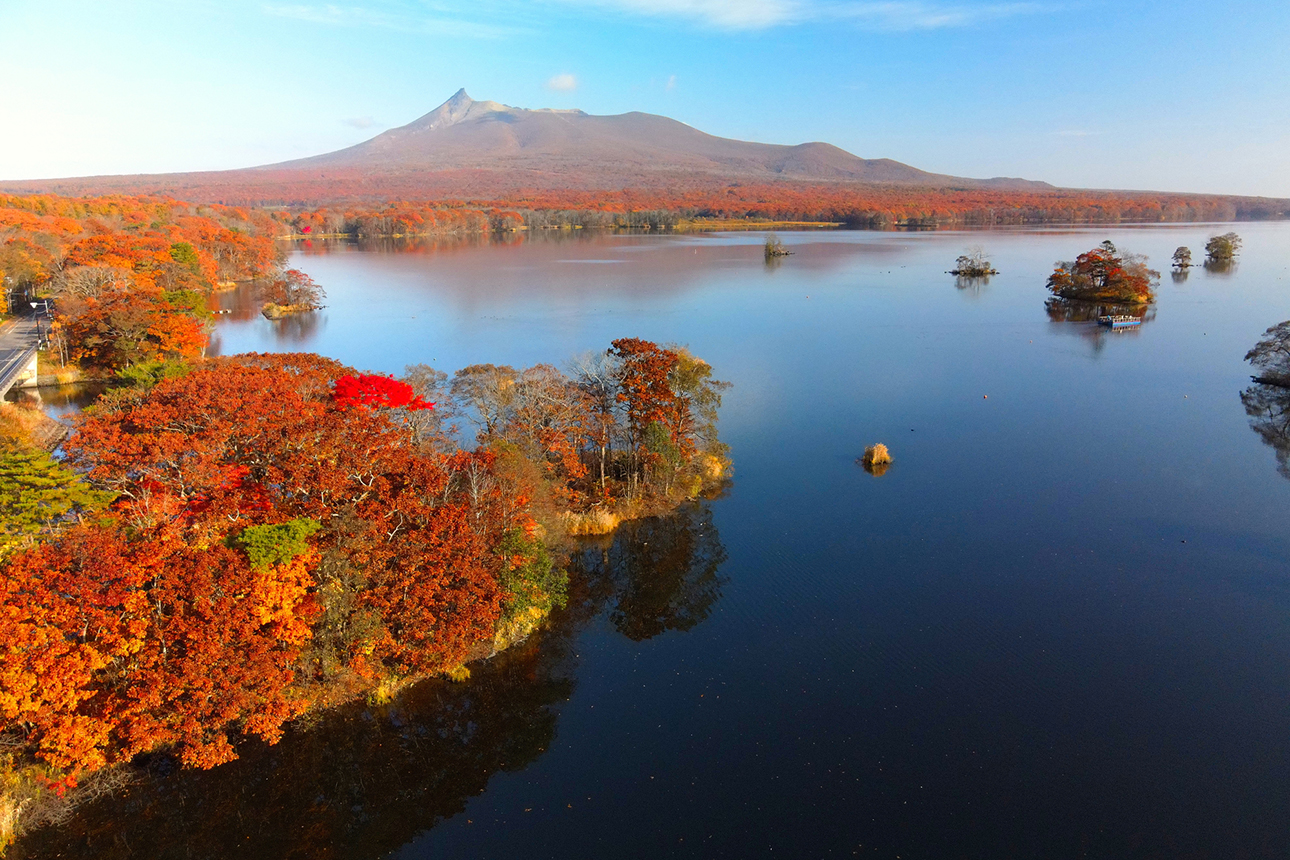
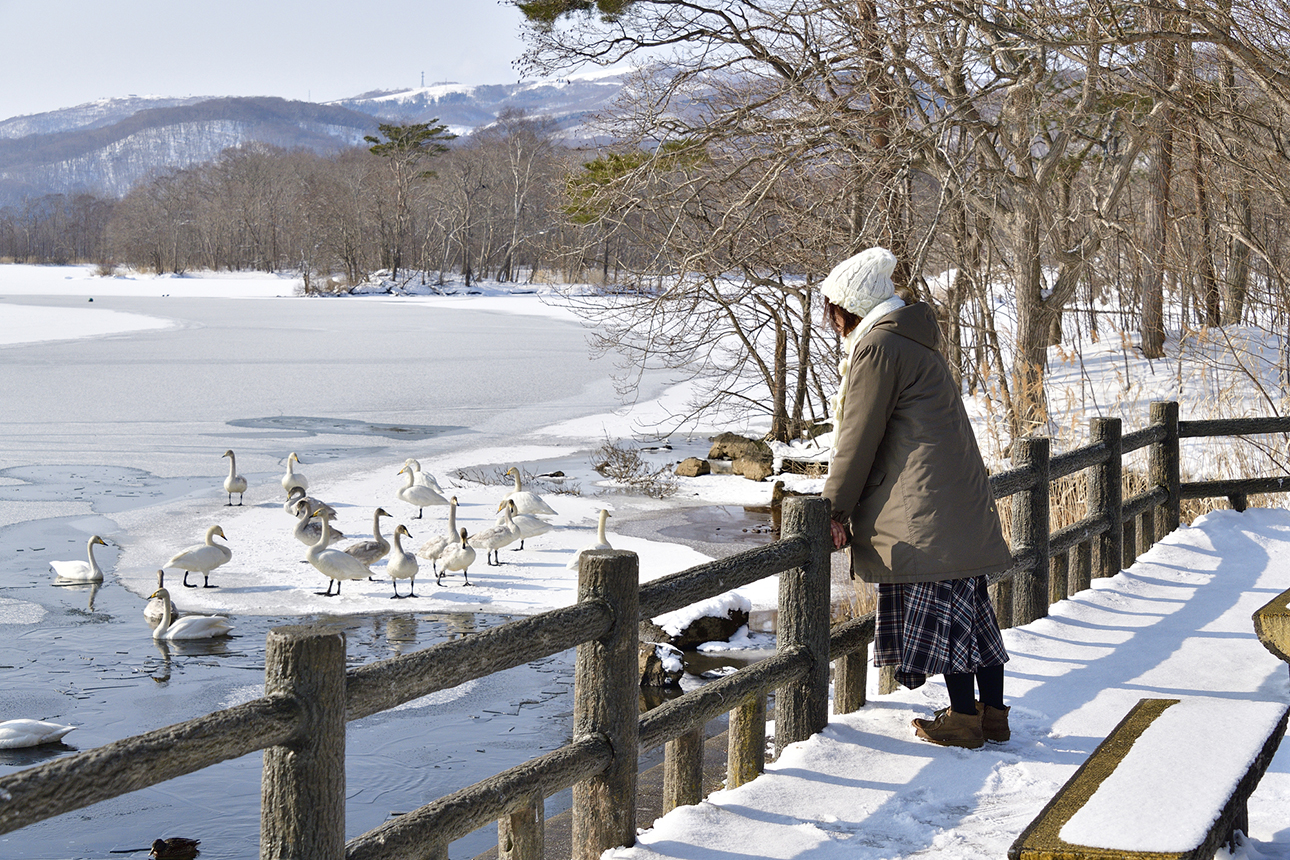
Winter Wonders: Seasonal Highlights and Illuminations
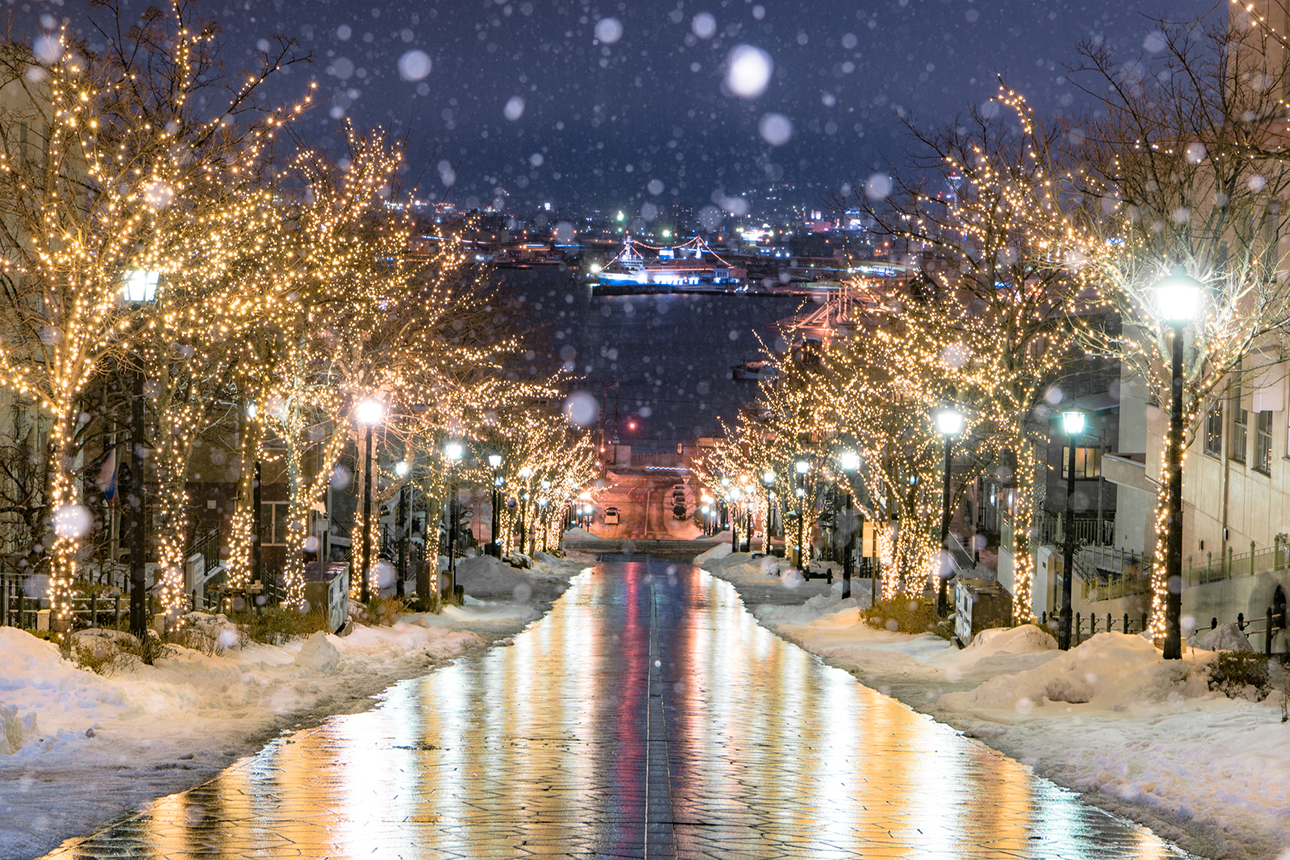
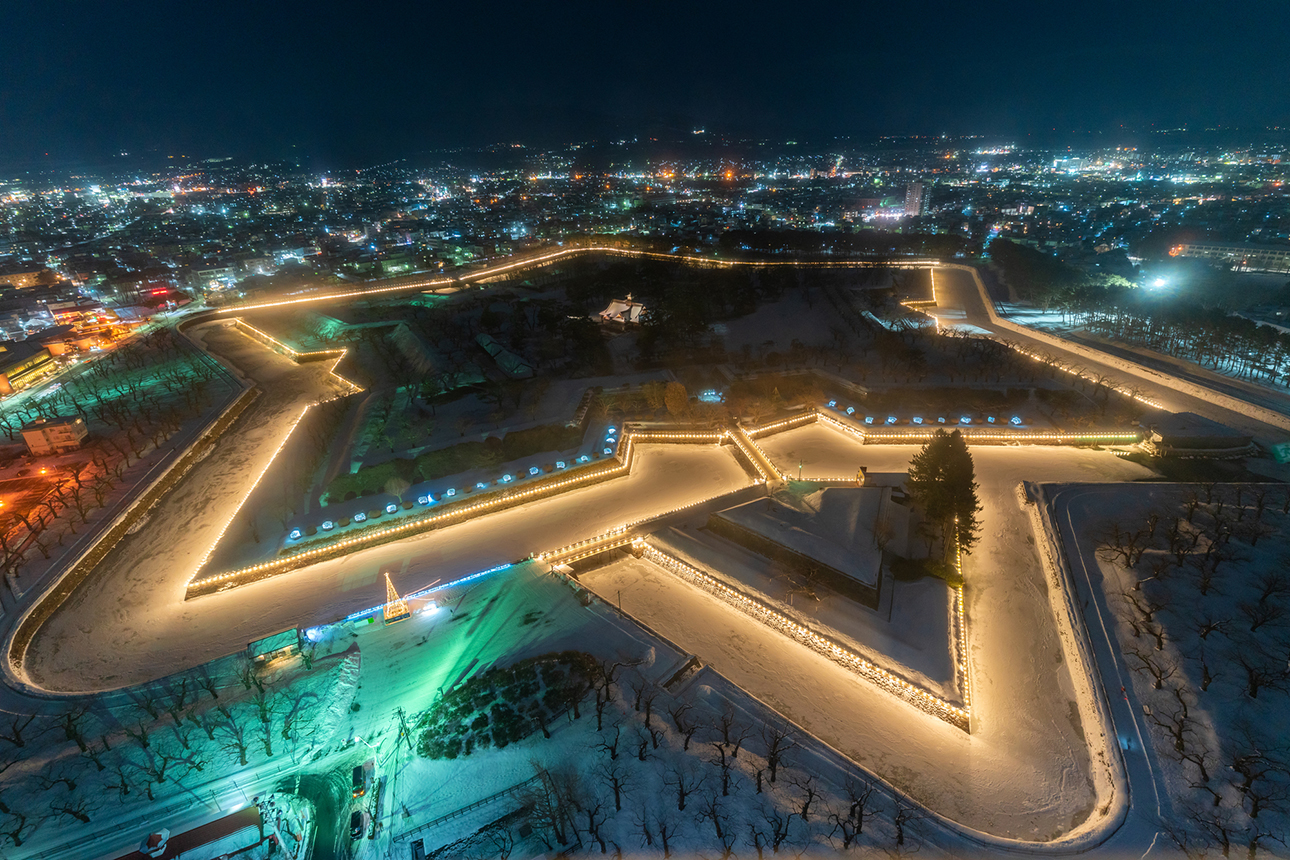
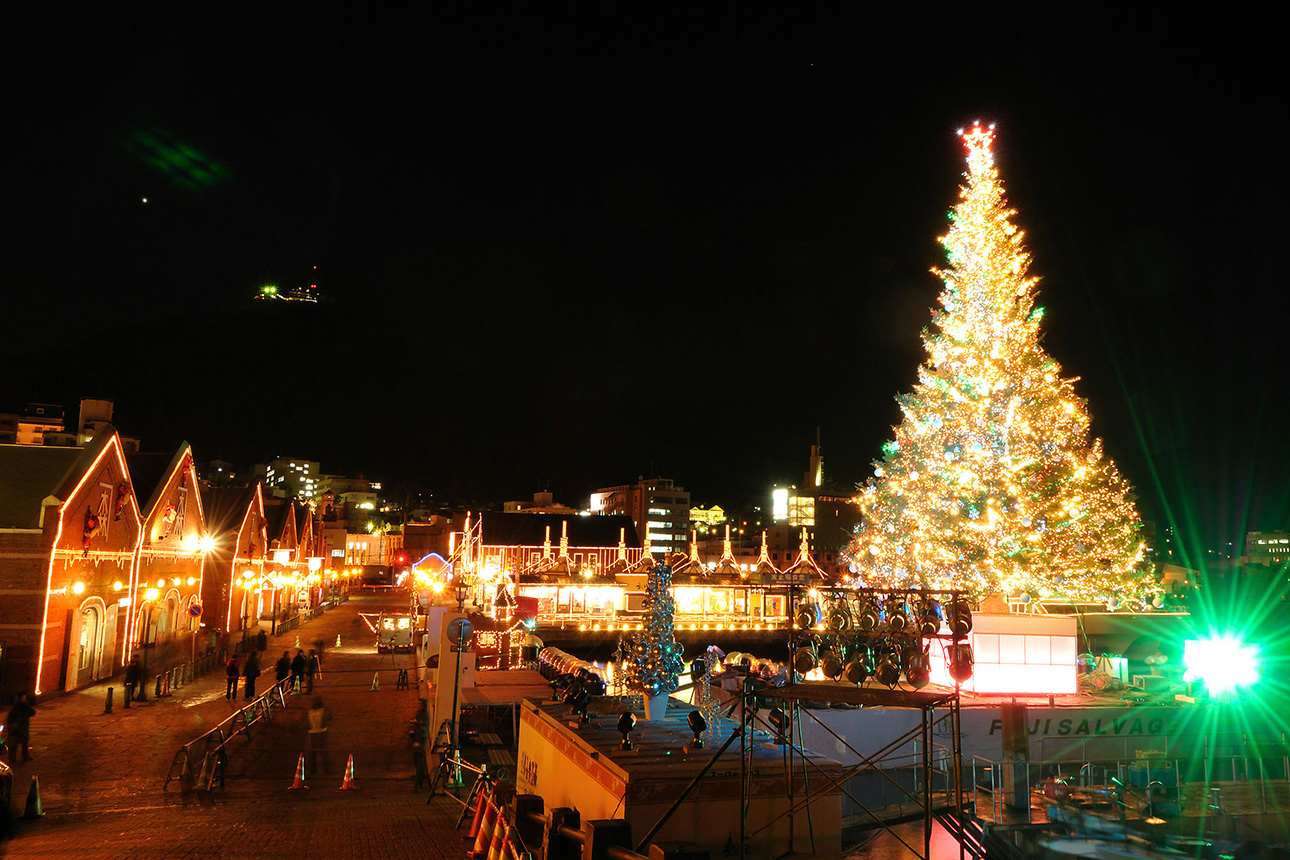
A winter visit requires a special plan. We recommend dedicating an evening to the “Hakodate Christmas Fantasy” in the Red Brick Warehouse area. Combine this with the “Goryo Hoshi no Yume” (star illumination) at Goryokaku Fort. If you’re heading to Yunokawa Onsen, don’t miss the famous “Monkey Onsen” at the Tropical Botanical Garden, which is only visible during the winter months.
Winter in Hakodate is quietly enchanting: gentle snow often settles on rooftops, seasonal lights cast soft reflections along the water, and the air carries a crisp, clean freshness. Local guides can help you visit at optimal times, avoid crowds, and experience the city’s serene winter charm.
Mt. Hakodate: Conquering the World‑Class Night View
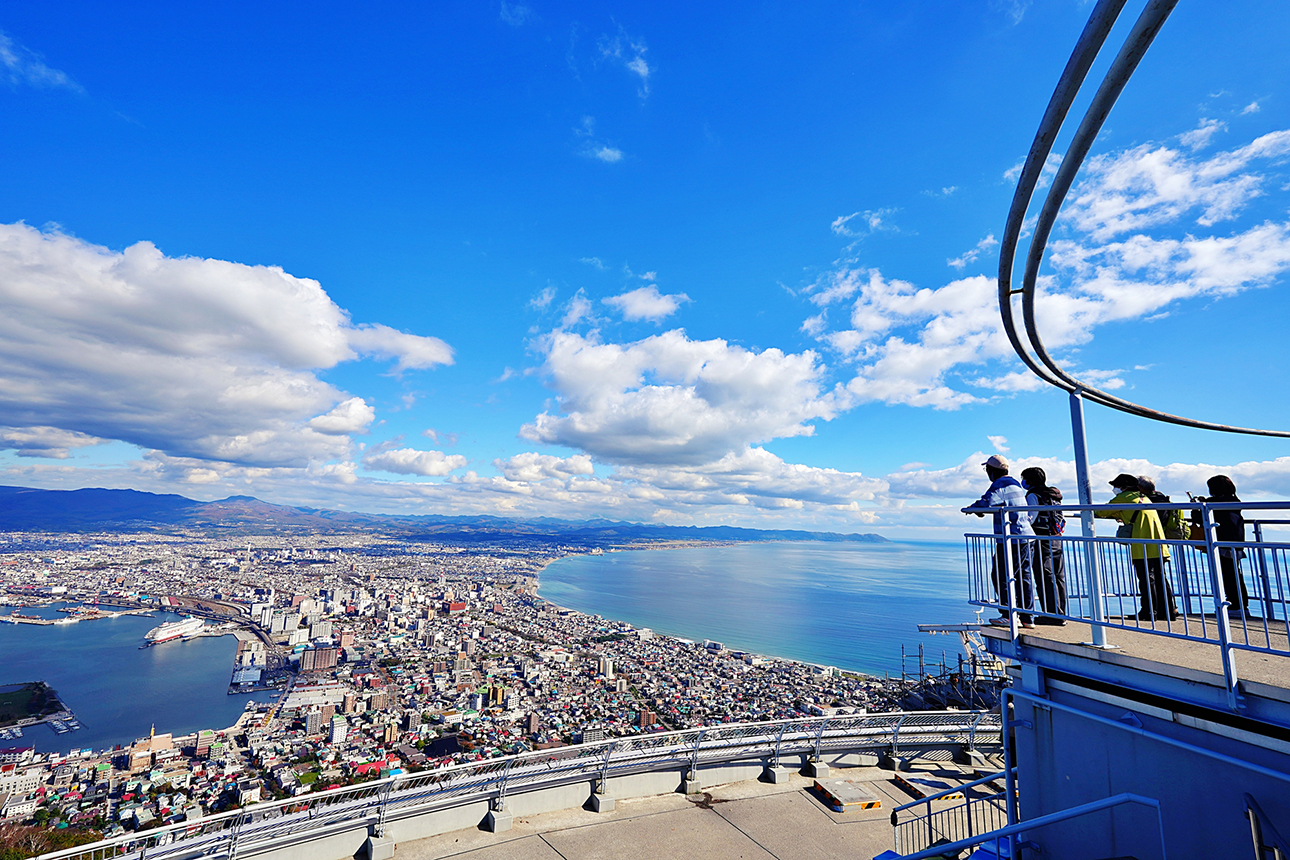
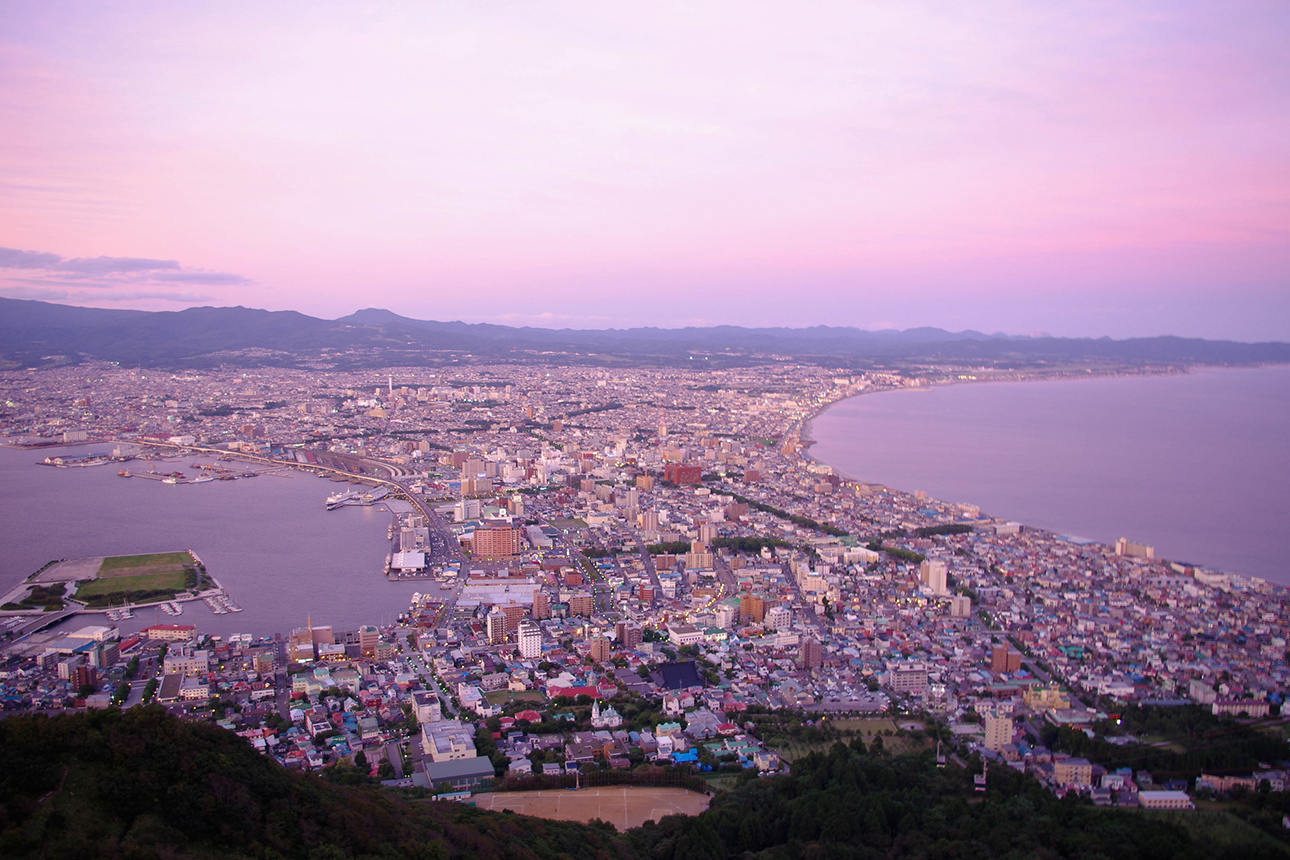
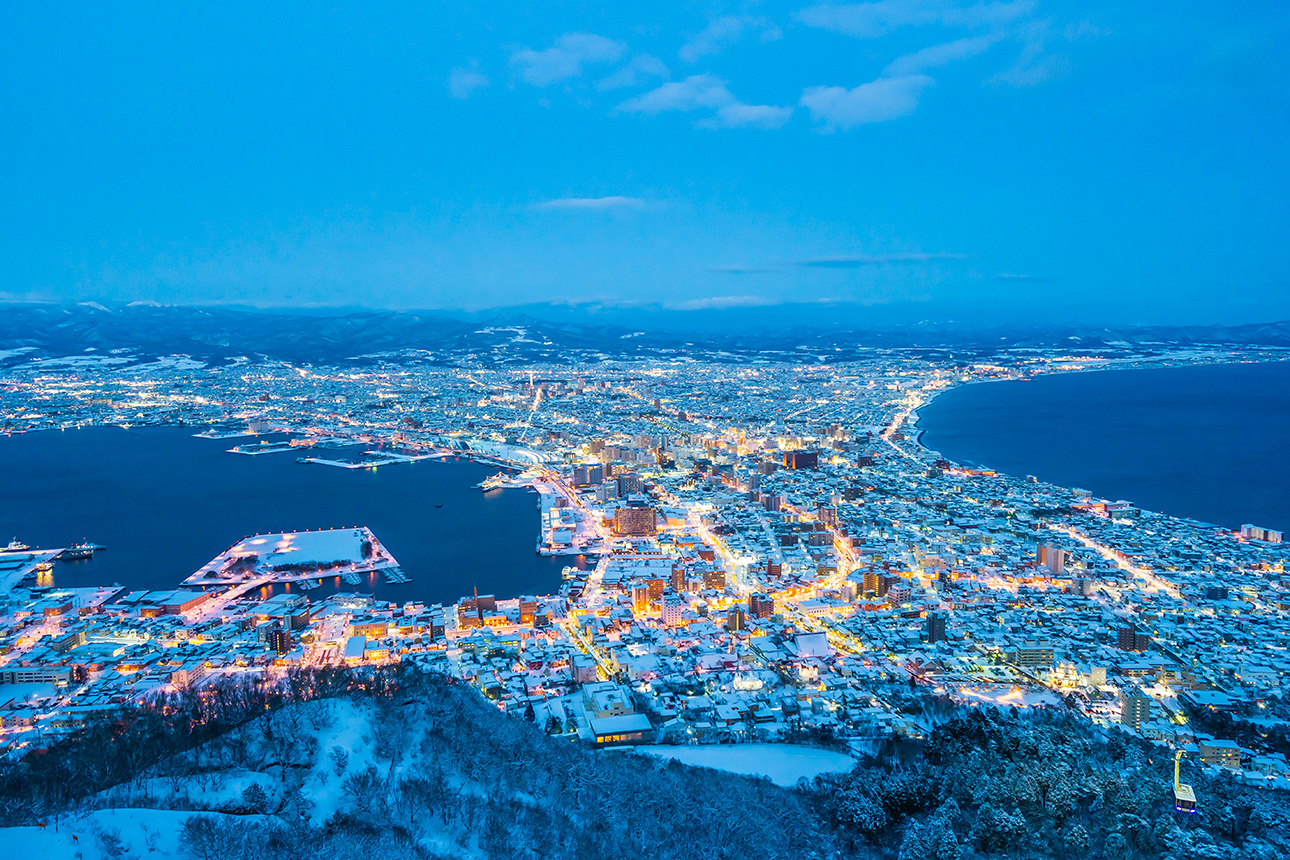
The view from Mt. Hakodate is widely celebrated, frequently appearing among the world’s top night panoramas. As the city lights fade into twilight, the scene feels timeless.
Why Mt. Hakodate’s Night View is Called the “Million-Dollar View”
Hakodate’s narrow peninsula, bordered by deep waters, creates a distinctive “hourglass” shape. The way the sea frames the city adds a graceful, almost delicate charm to the nightscape. In early summer, a soft evening breeze may carry the scent of flowers up the ropeway path; in winter, snow blankets the hills, enhancing the glow of city lights. A guided tour can help you choose the optimal time for photography and comfort.
Best Time & Spot: Capture the Perfect Sunset and City Lights
The absolute best time to see the night view is crucial. You must arrive at the summit observatory approximately 30 minutes before sunset. This allows you to watch the “Blue Hour,” the magical transition where the city lights begin to twinkle against the deep blue twilight sky. The best spot is the main outdoor observatory; try to get a position at the front, slightly to the right (facing the city) to capture the iconic pinched waist of the peninsula.
A local guide can help you avoid peak crowds, especially during sunset and early evening. In autumn, golden foliage frames the view beautifully; in winter, frost contributes a crisp clarity to the scenery.
Ropeway, Bus, or Taxi? Easiest Ways to Reach the Summit
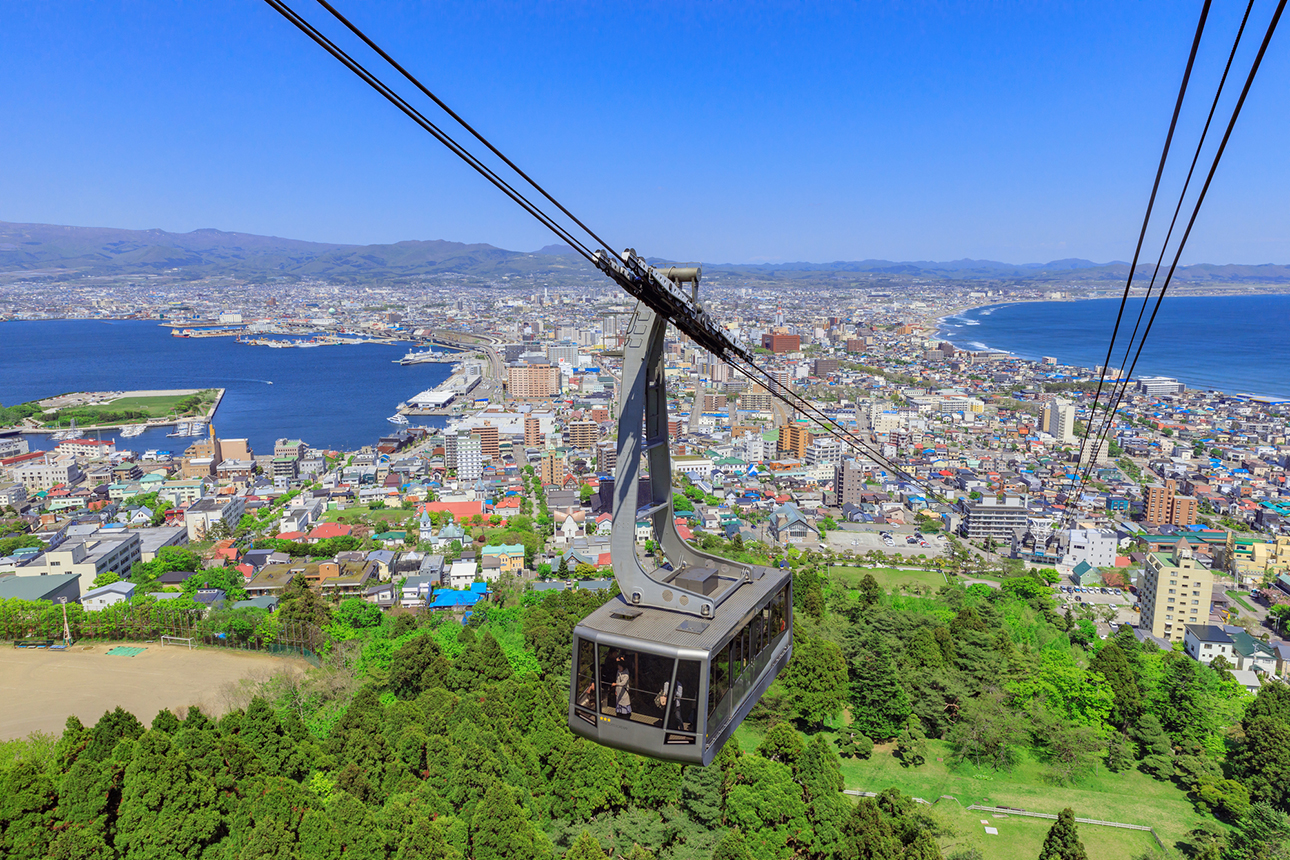
The Mt. Hakodate Ropeway is the most popular access method. A round-trip ticket costs 1,800 JPY (as of 2024). Operating hours are typically from 10:00 AM to 10:00 PM (9:00 PM in winter), but check the official schedule as it can be suspended due to high winds. To get to the ropeway station (Sanroku Station), take the streetcar from Hakodate Station to the “Jujigai” stop, followed by a 10-minute uphill walk.
Alternatively, seasonal bus services (April–November) operate when weather permits. For small groups, taxis may be convenient, but traffic and road conditions vary — a guide can optimize your options.
Avoid Crowds: Insider Tips for a Peaceful Evening
Evenings can be busy. The ropeway often peaks shortly after nightfall. Arriving slightly before sunset or lingering longer at the top allows a more peaceful experience. Local insight makes a big difference in finding quieter spots.
Hakodate Morning Market: The Ultimate Breakfast & Squid Fishing
Early mornings in Hakodate are a delight. The Morning Market opens around 5:00 AM (6:00 AM in winter) and continues until early afternoon, filling the air with aromas of fresh seafood, local produce, and seasonal treats.
According to the official site, the market includes approximately 250 shops and stalls.
Morning Market Navigation: Best Times and Insider Tips
For the fullest experience, plan your visit between 7:00 and 10:00 AM. In spring, the market is vibrant with seasonal vegetables; in summer, produce peaks in color and variety. A guide can help you navigate less crowded alleys and discover the freshest stalls.
Must-Try Breakfast: Fresh Seafood Bowls and Local Delights
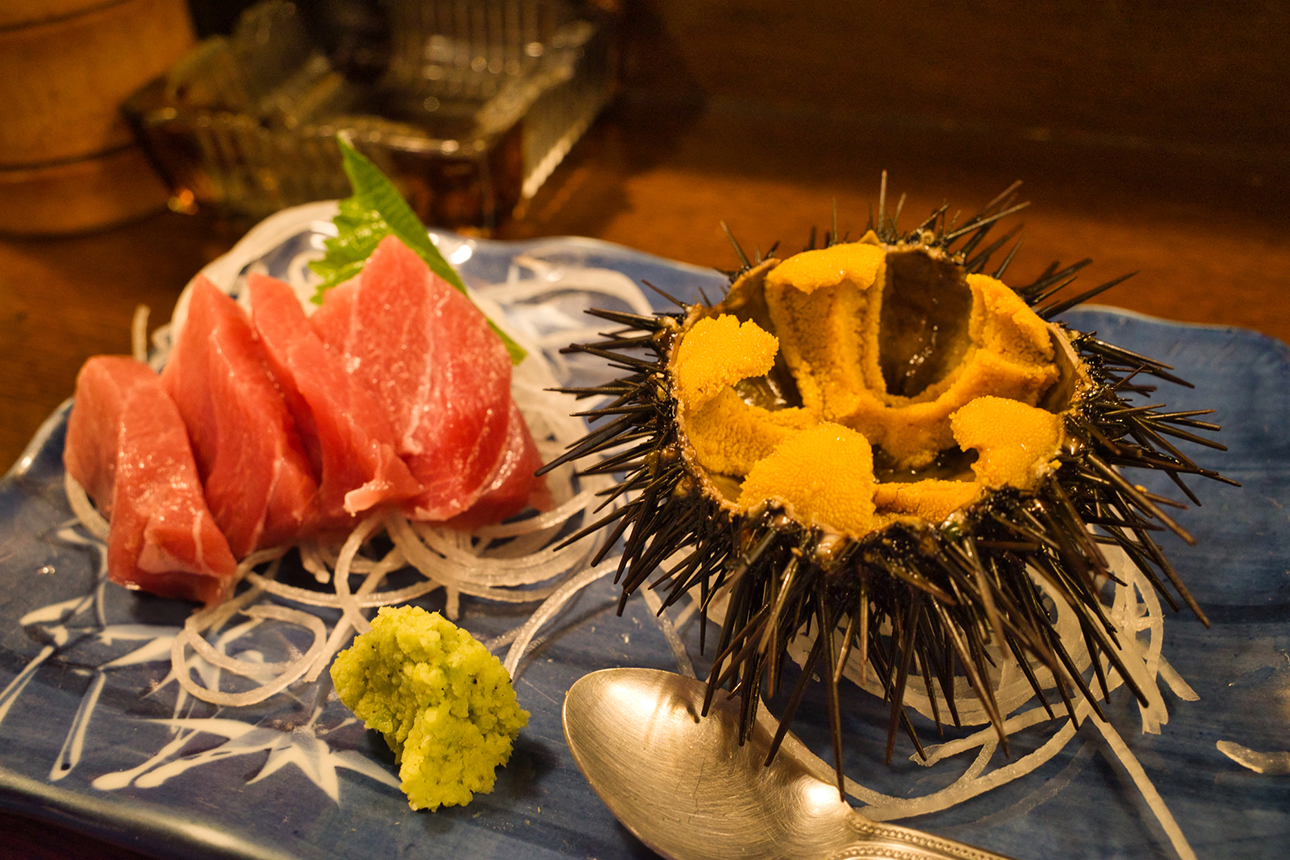
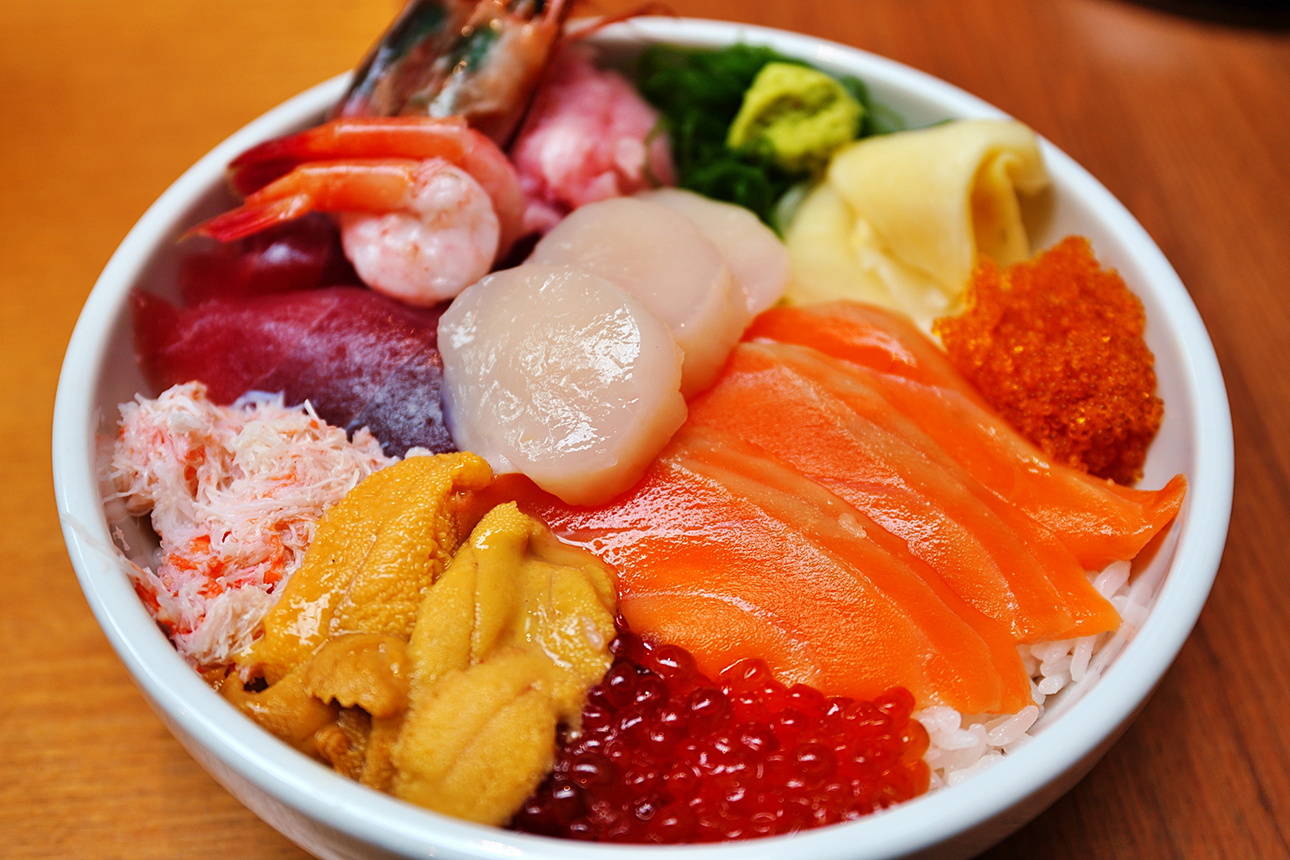
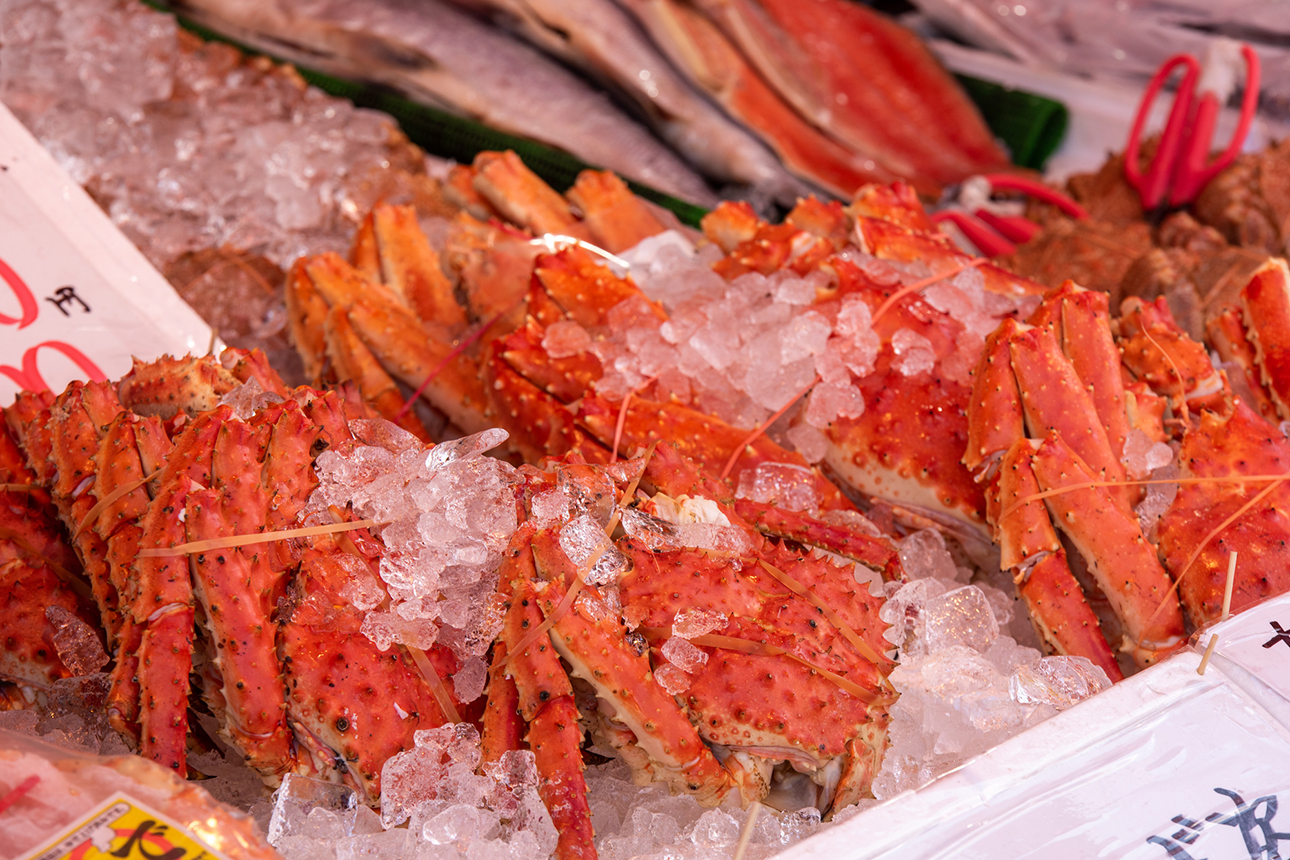
A highlight is kaisendon — a generous seafood bowl made with the day’s freshest catch. Local favorite “Kikuyo Shokudo” is known for its five-variety “Gokaho-don.” Look for stalls with tanks filled with live uni (sea urchin) and ikura (salmon roe).
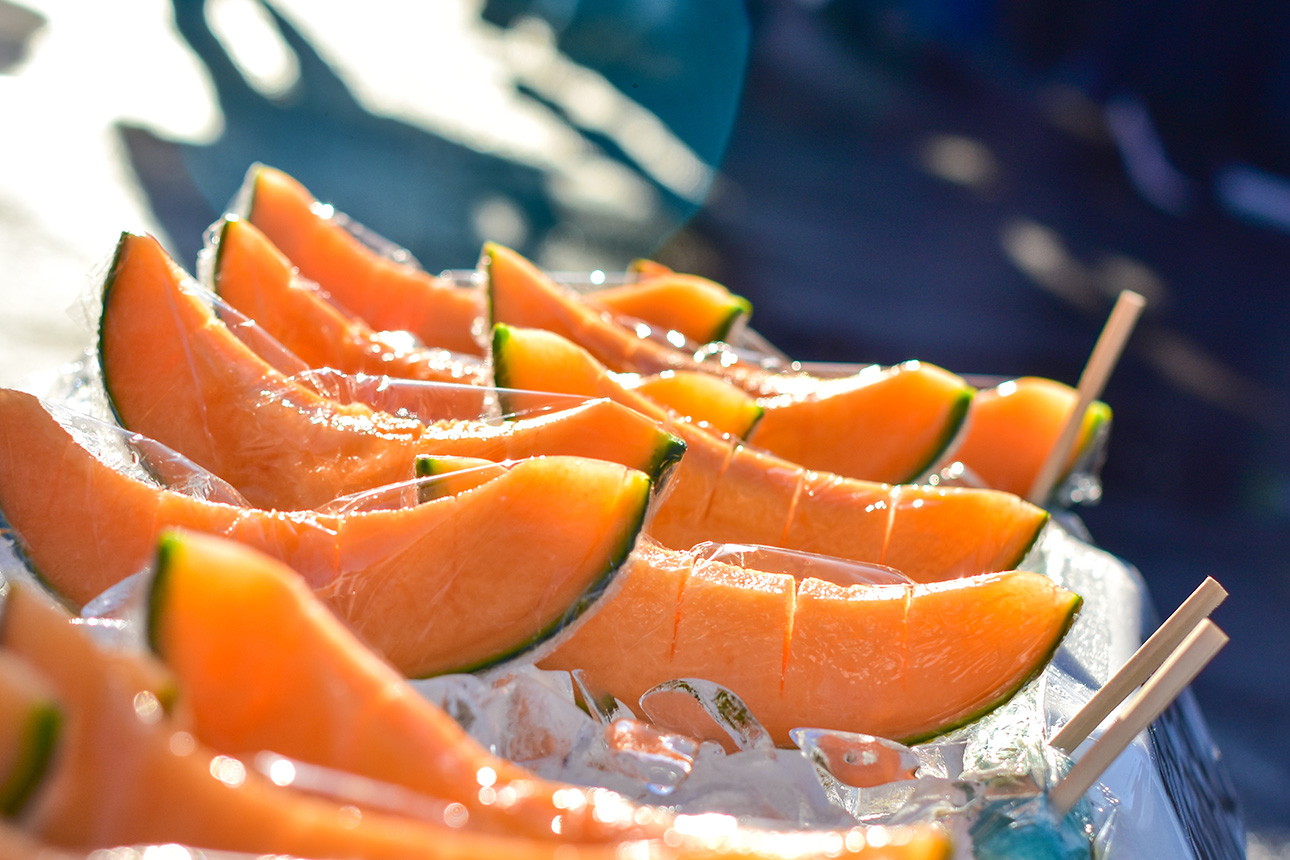
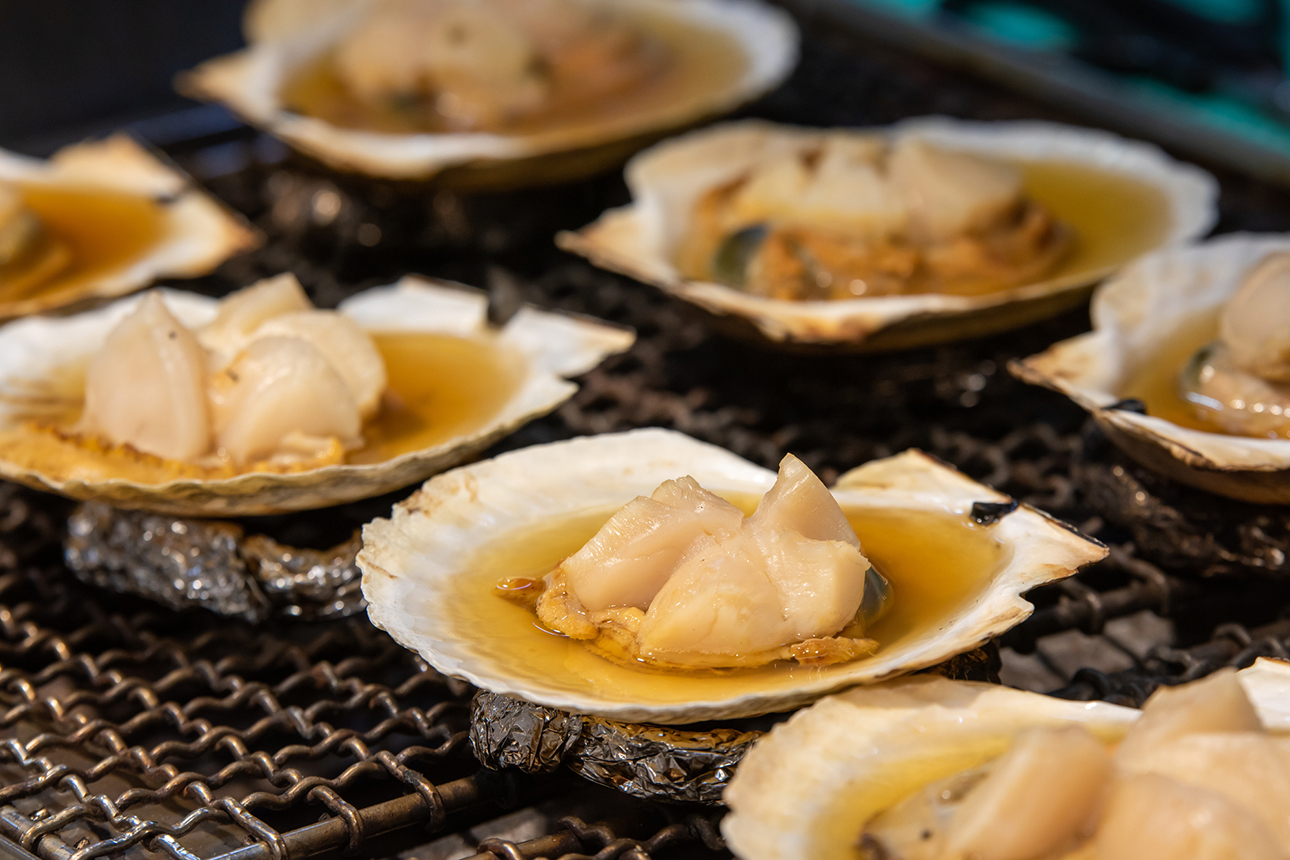
Seasonally, you may also find grilled scallops in late spring, king crab legs in winter, or sweet Yubari melon in summer. Guided tours help prioritize the best stalls based on freshness and timing.
Squid Fishing Experience: A Unique Hakodate Adventure
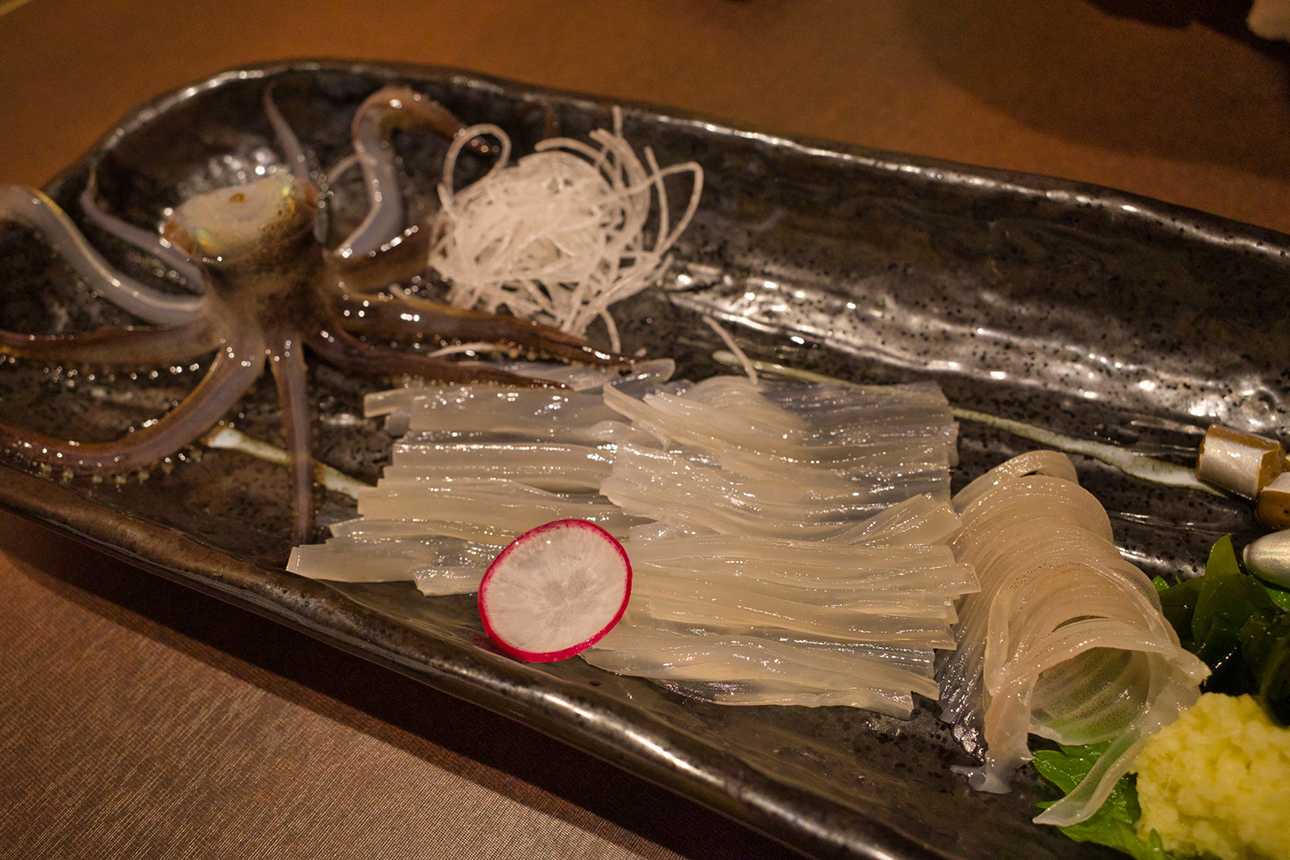
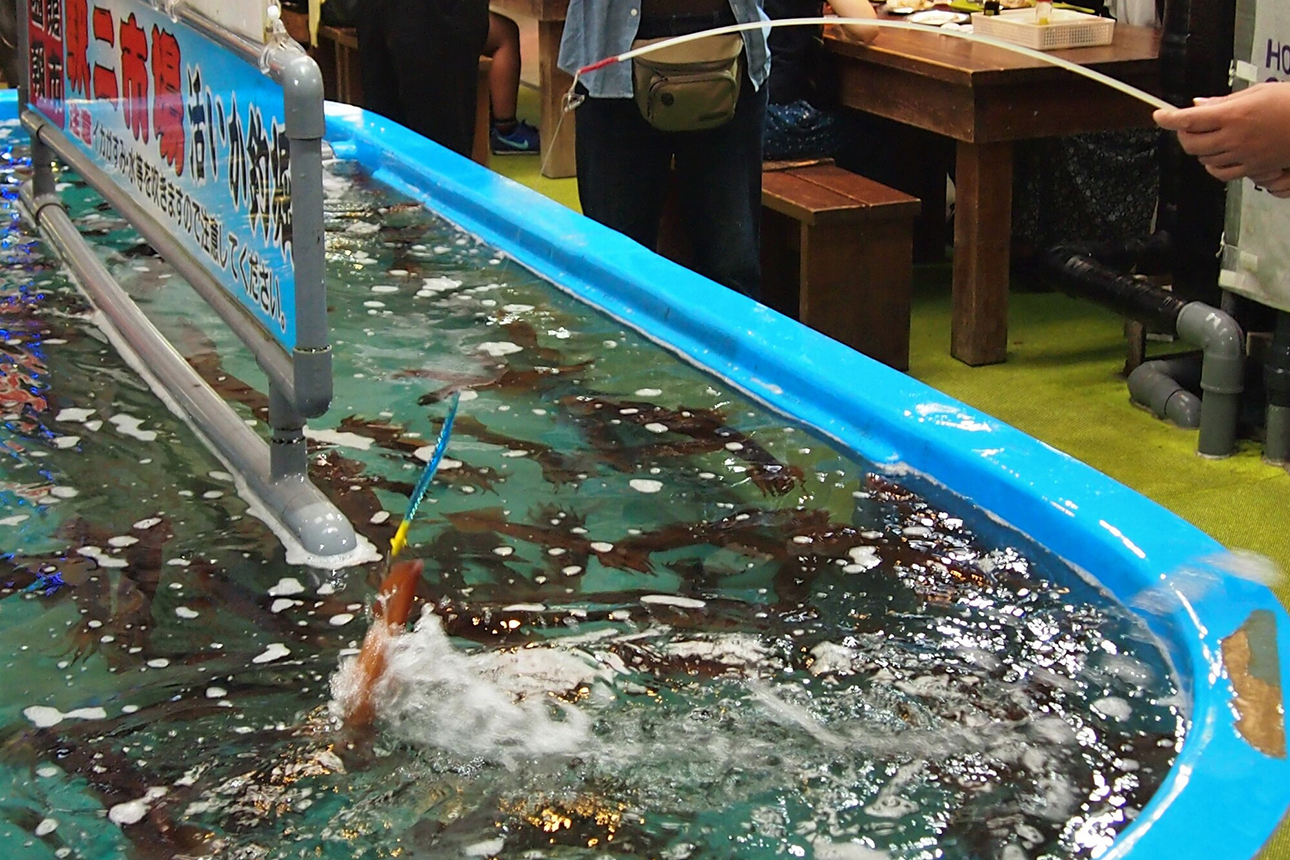
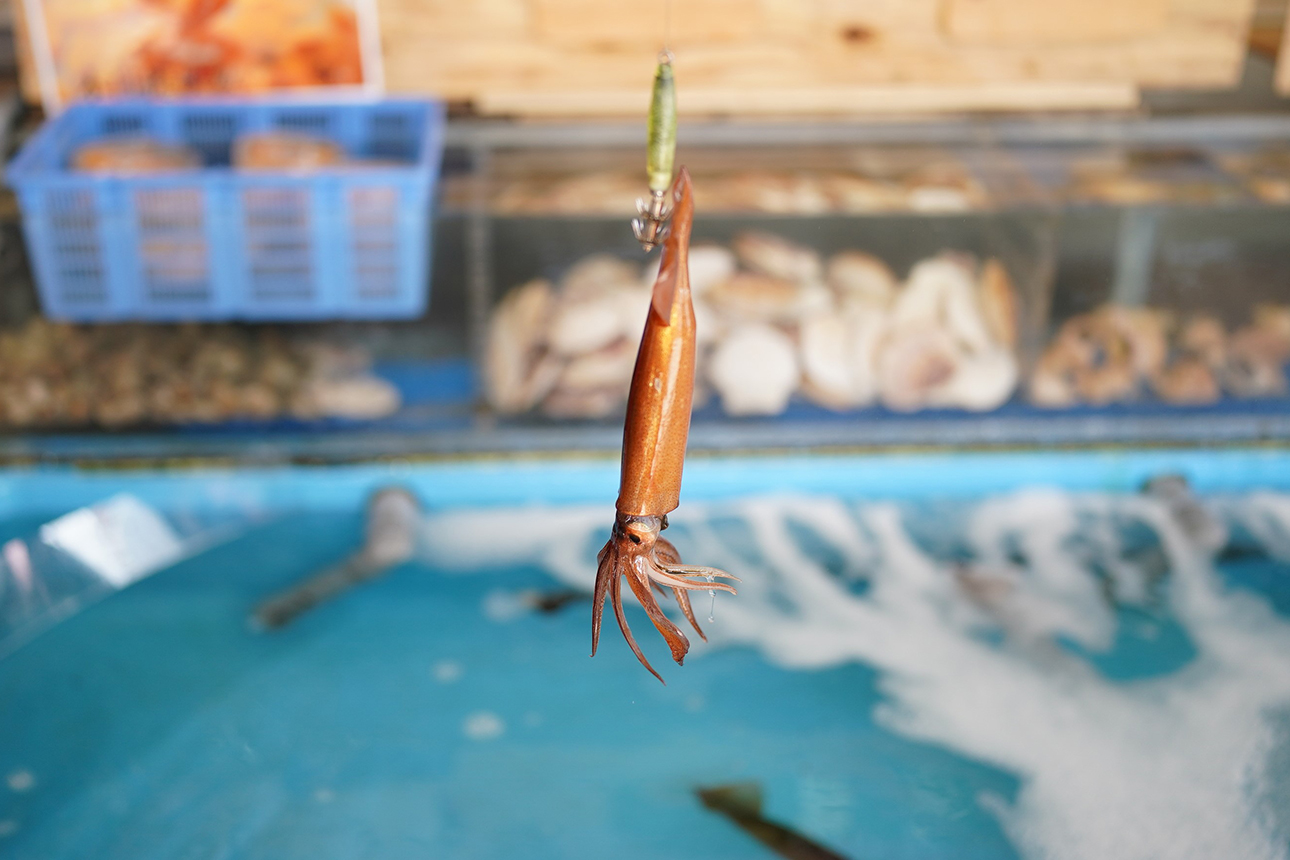
Yes, you can absolutely try squid fishing! Head to the “Ekimai Ichiba” building right in the center of the market. You’ll see a large blue tank swarming with live squid. It’s easy: pay the fee, take a fishing rod with a simple hook, and catch one. The staff will immediately prepare it for you as “ika sashimi” (live squid sashimi). It doesn’t get any fresher.
Though fees and procedures vary, this remains a unique, popular experience. A guide can advise on optimal times and tips to catch squid more efficiently.
Hakodate Must‑Eat Gourmet: From Local Burgers to Shio Ramen
Hakodate’s culinary scene is distinctive, offering everything from quirky local burgers to fresh seafood dishes. Seasonal ingredients ensure each visit feels new.
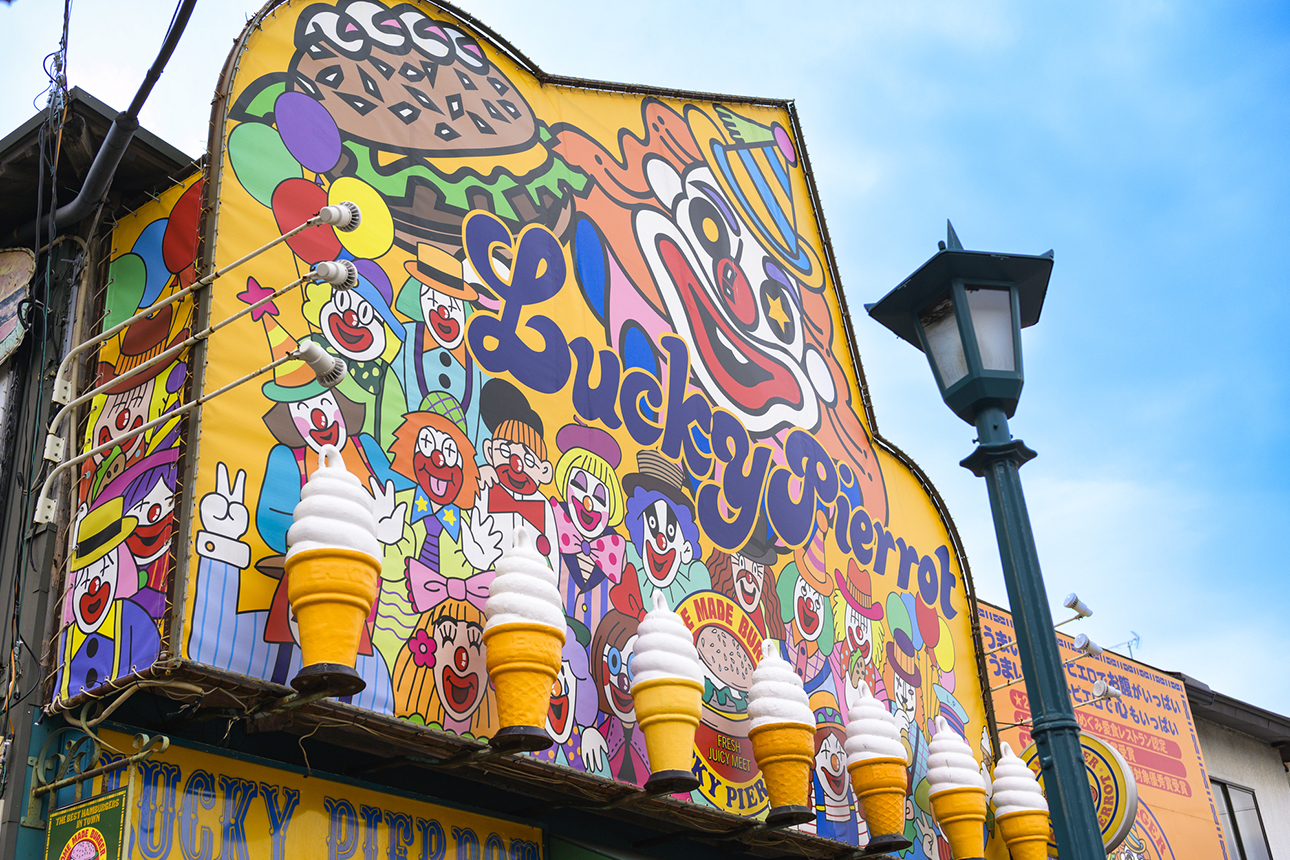
Lucky Pierrot: Hakodate’s Iconic Local Burger Chain
You cannot leave Hakodate without trying Lucky Pierrot. This quirky, eclectic burger chain exists only within the city. While there are many locations, the flagship “Bay Area Main Store” offers the most unique atmosphere. The number one, must-order item from the menu is the “Chinese Chicken Burger.” It features sweet-and-sour glazed, crispy fried chicken with lettuce and mayonnaise. It’s a cult favorite for a reason.
Other branches may offer seasonal specials like autumn pumpkin burgers or summer berry desserts. Local guides can point you to limited-time items and help immerse yourself in Hakodate’s unique food culture.

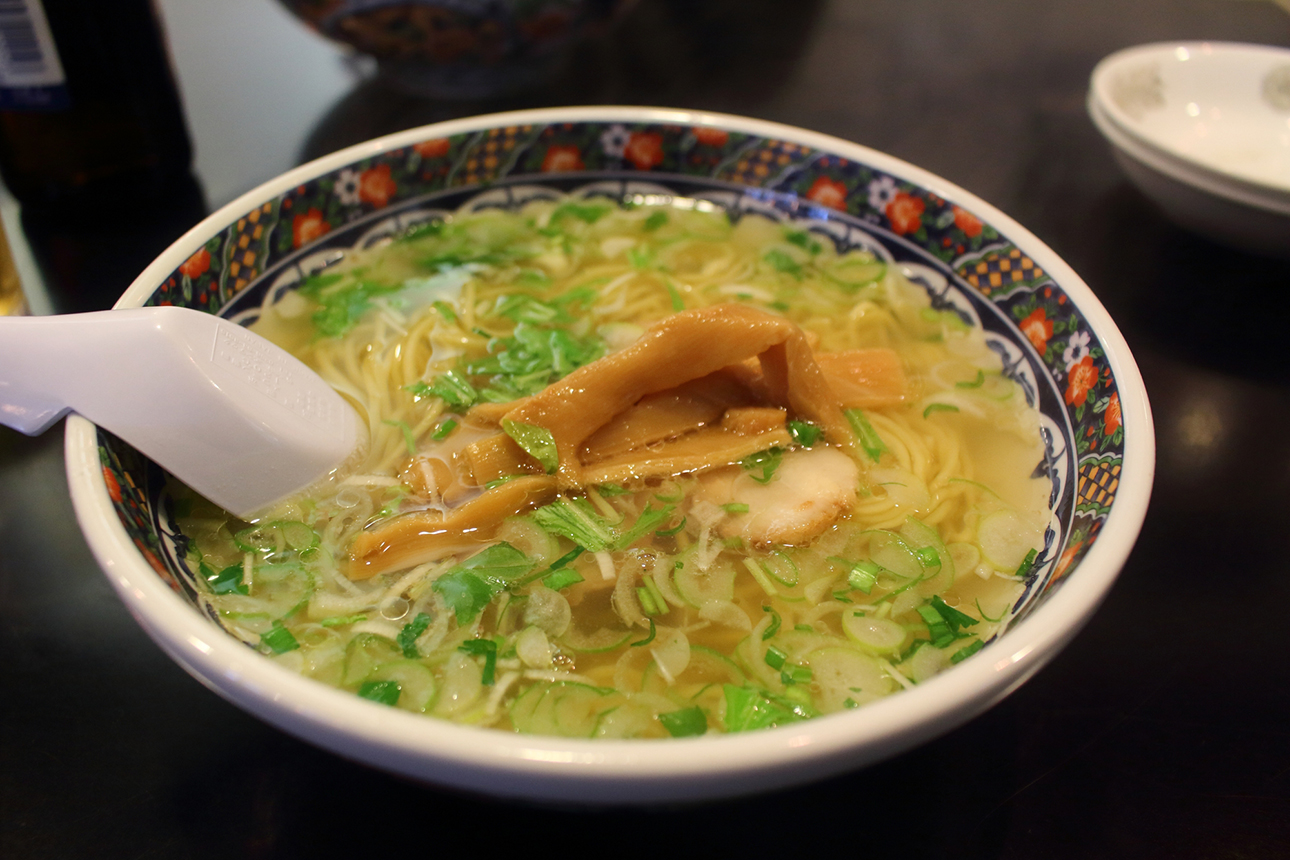
Shio Ramen Tradition: Clear Broth, Rich Flavor
Hakodate is famous for its “Shio Ramen” (salt ramen), known for its clear, golden, and delicate soup, a strong contrast to the heavy Miso ramen of Sapporo. The most famous shop, and a great place to start, is “Hakodate Menchubo Ajisai.” You’ll find it near Goryokaku or at the Hakodate Station. Their “Ajisai Shio Ramen” is the classic choice, offering a deep, flavorful broth that is surprisingly light.
During cooler months, a steaming bowl is especially comforting. Spring visitors may enjoy lighter flavors served outdoors with the gentle scent of cherry blossoms.
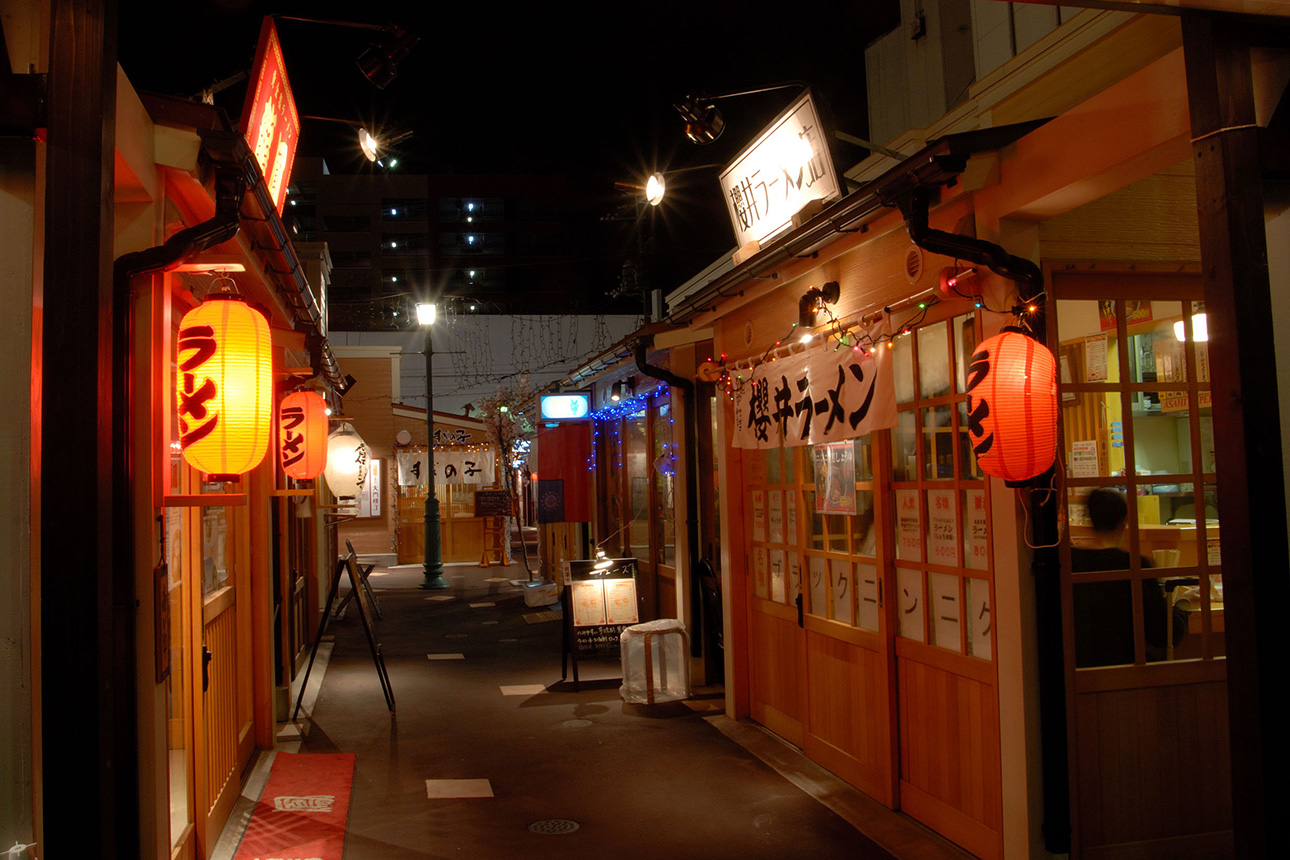
Fresh Seafood & Evening Izakayas: Hakodate’s Culinary Gems
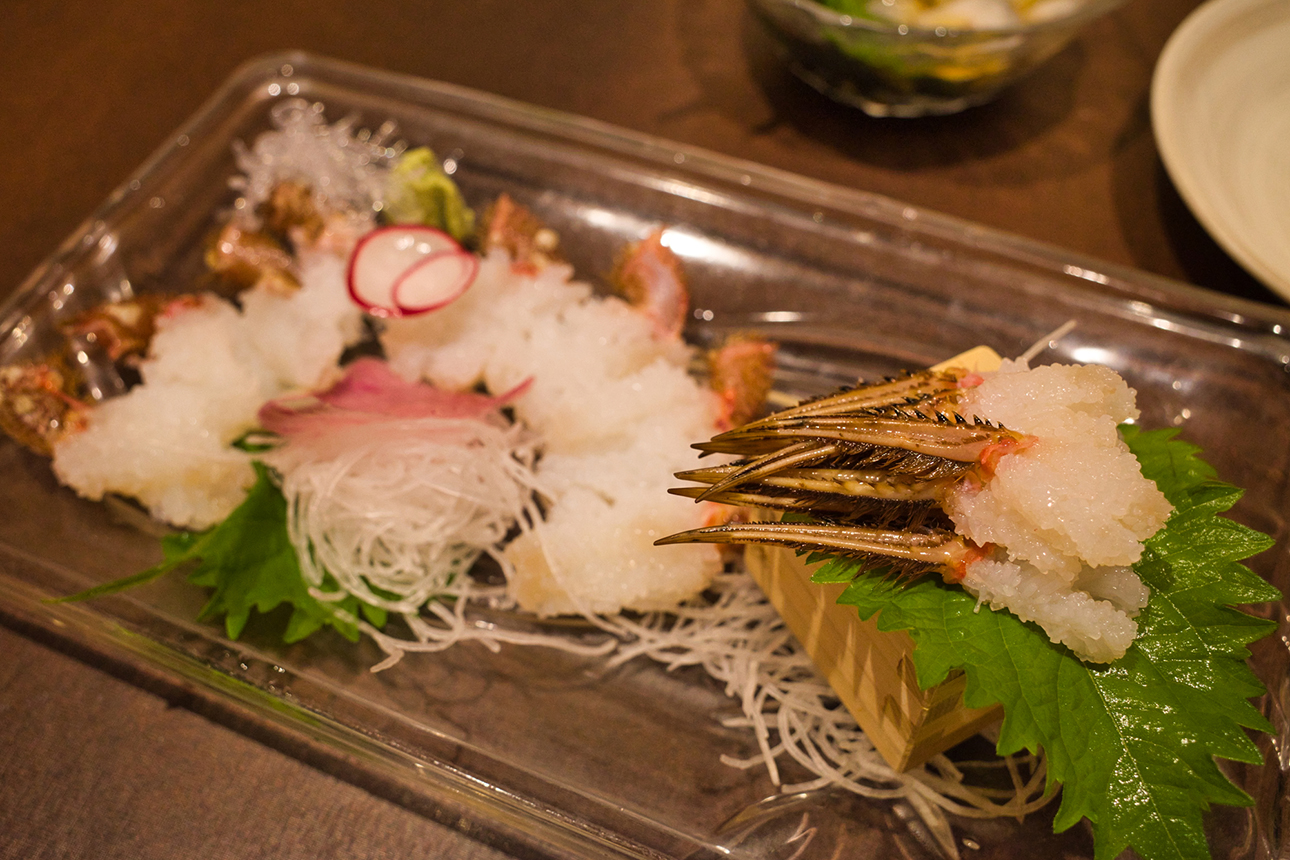
Squid remains a city specialty. Evening izakayas, particularly in Daimon Yokocho, serve freshly prepared ika sashimi and other seafood. Guided tours help locate the best stalls offering seasonal delicacies.

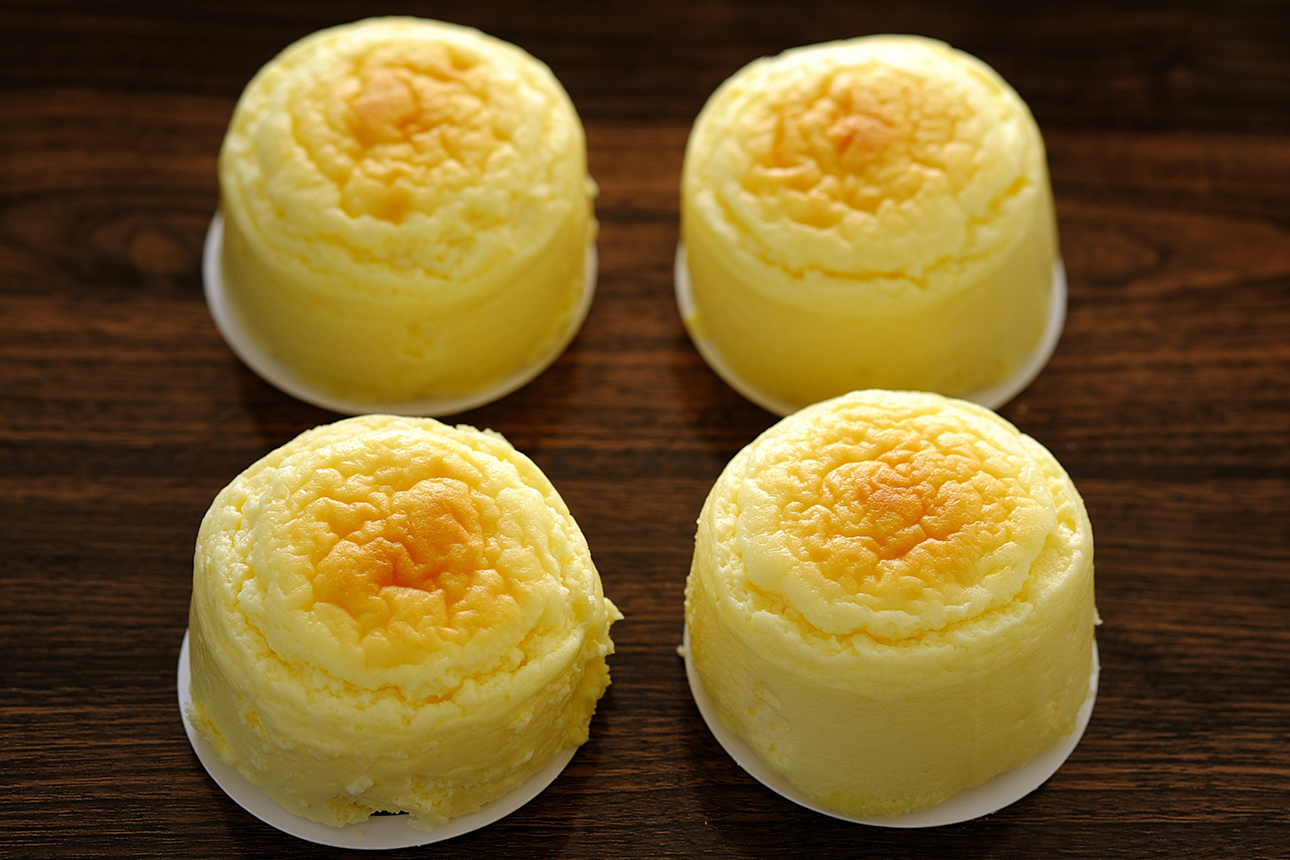
Sweets & Souvenirs: Seasonal Treats to Take Home
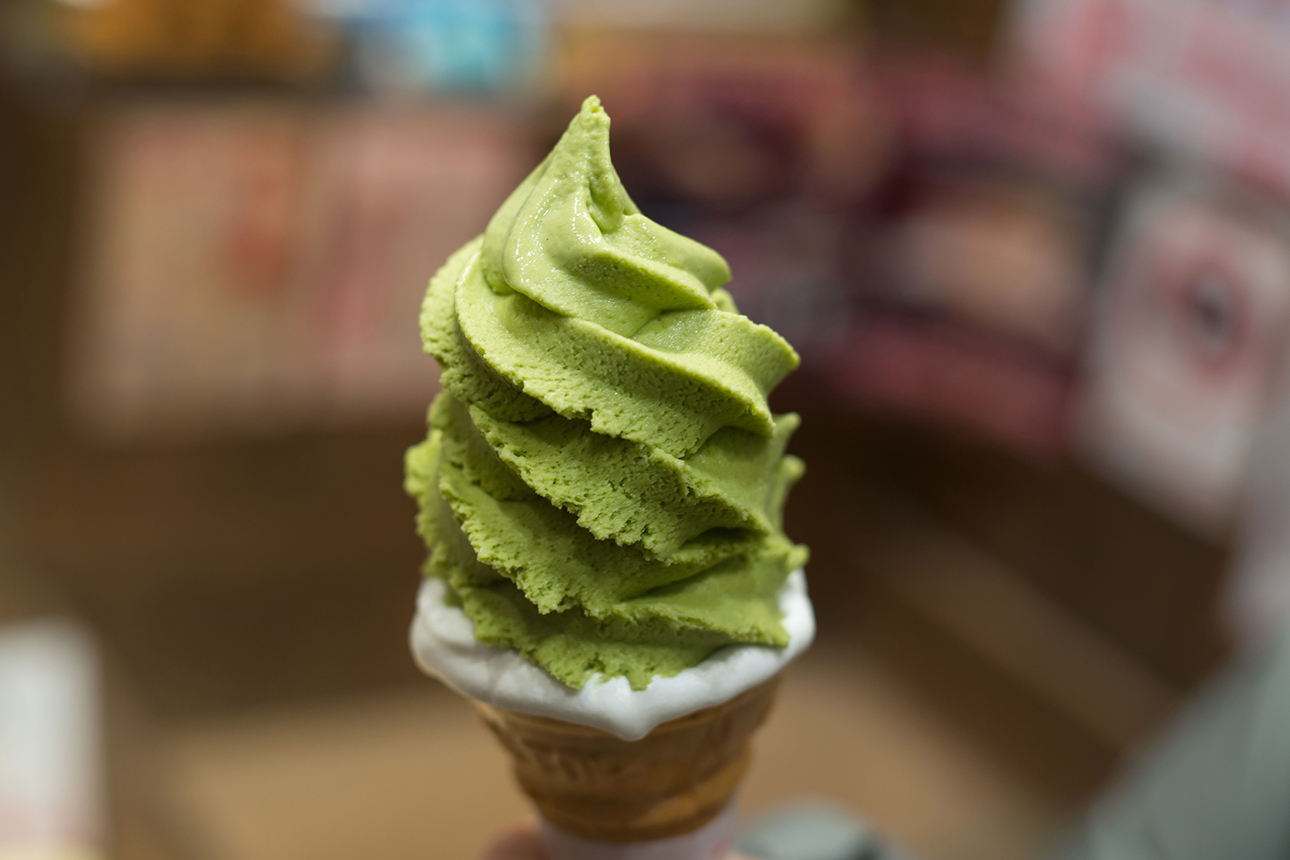
Snaffle’s Catchcakes are popular souvenirs, available at airports, stations, and cafés. Summer soft-serve shops highlight Hokkaido milk, while seasonal treats such as sakura desserts in spring or chestnut pastries in autumn reflect local traditions. Guides can point out hidden shops with unique offerings.
Hakodate’s History & Scenic Spots: Goryokaku & Romantic Slopes
Hakodate blends history, scenery, and small-town charm. Each district tells a story and offers distinct views.
Goryokaku Fort: Star-Shaped History and Seasonal Highlights
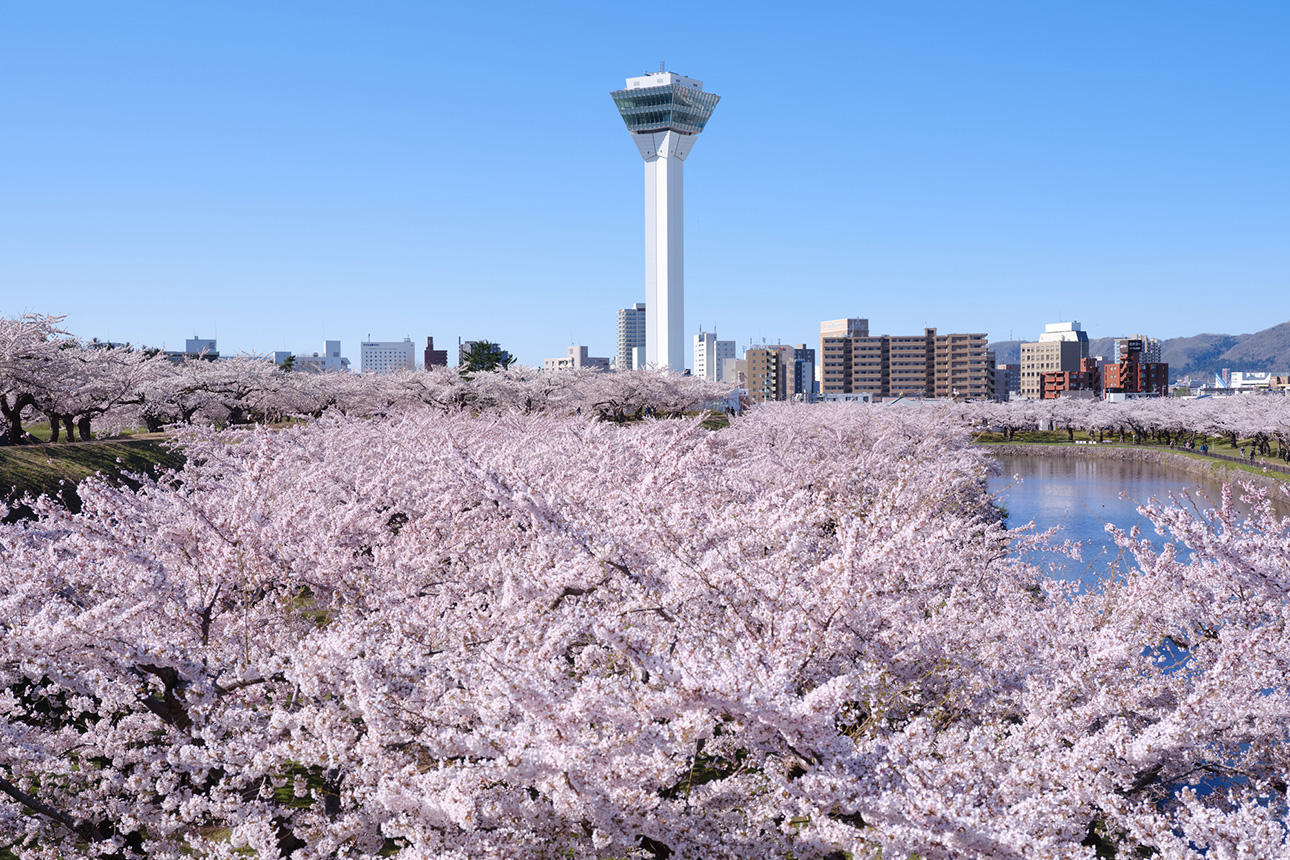
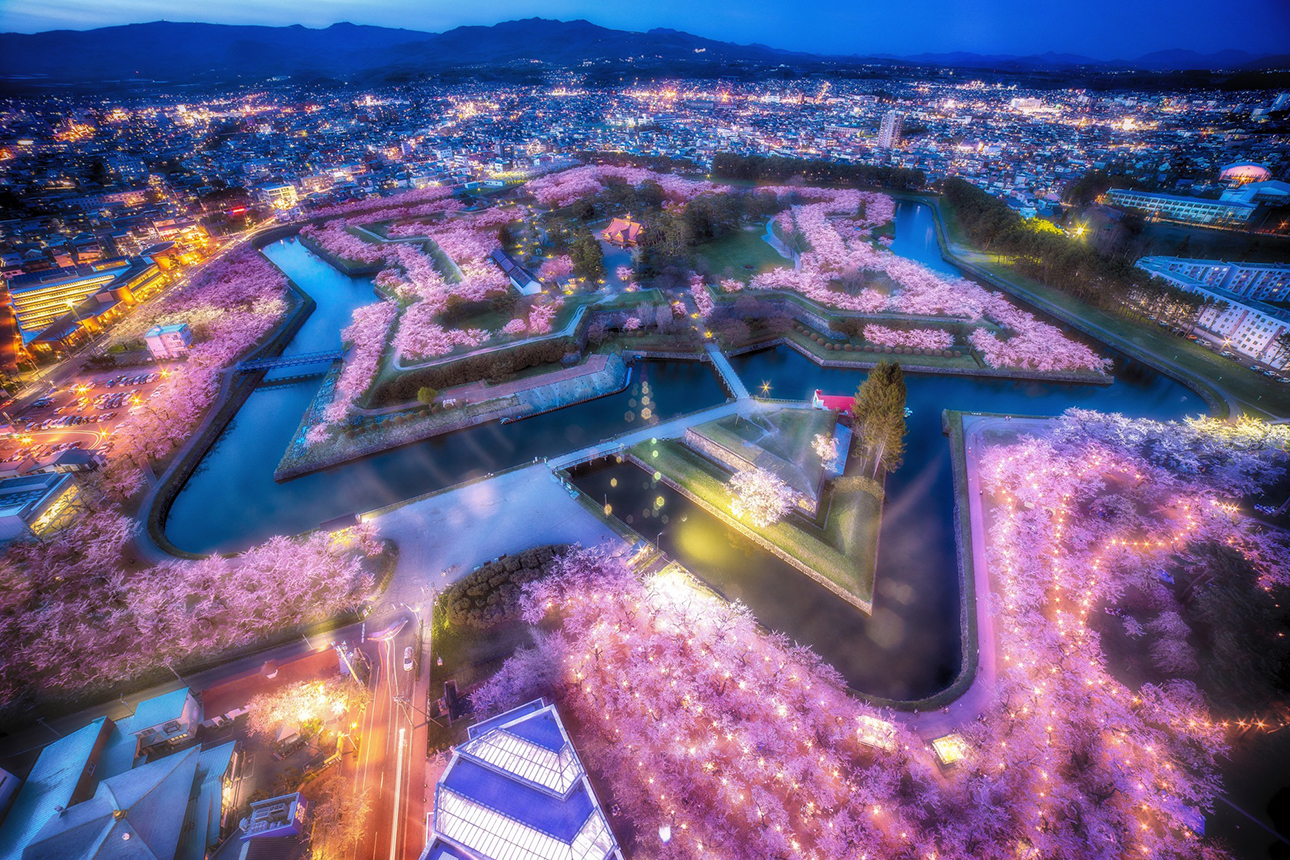
Goryokaku Fort is stunning year-round, but especially during two seasons. The best time for cherry blossoms is typically late April to early May, when over 1,600 trees turn the star-shaped park pink. The winter illumination, “Goryo Hoshi no Yume,” is also spectacular. It usually runs from early December through late February, lighting up the fort’s moat in a magical display.
Outside peak seasons, a stroll provides scenic vistas and historical context. Guides can share stories of the Boshin War and the park’s history for a richer experience.
Bay Area & Kanemori Red Brick Warehouse: Walk the Waterfront
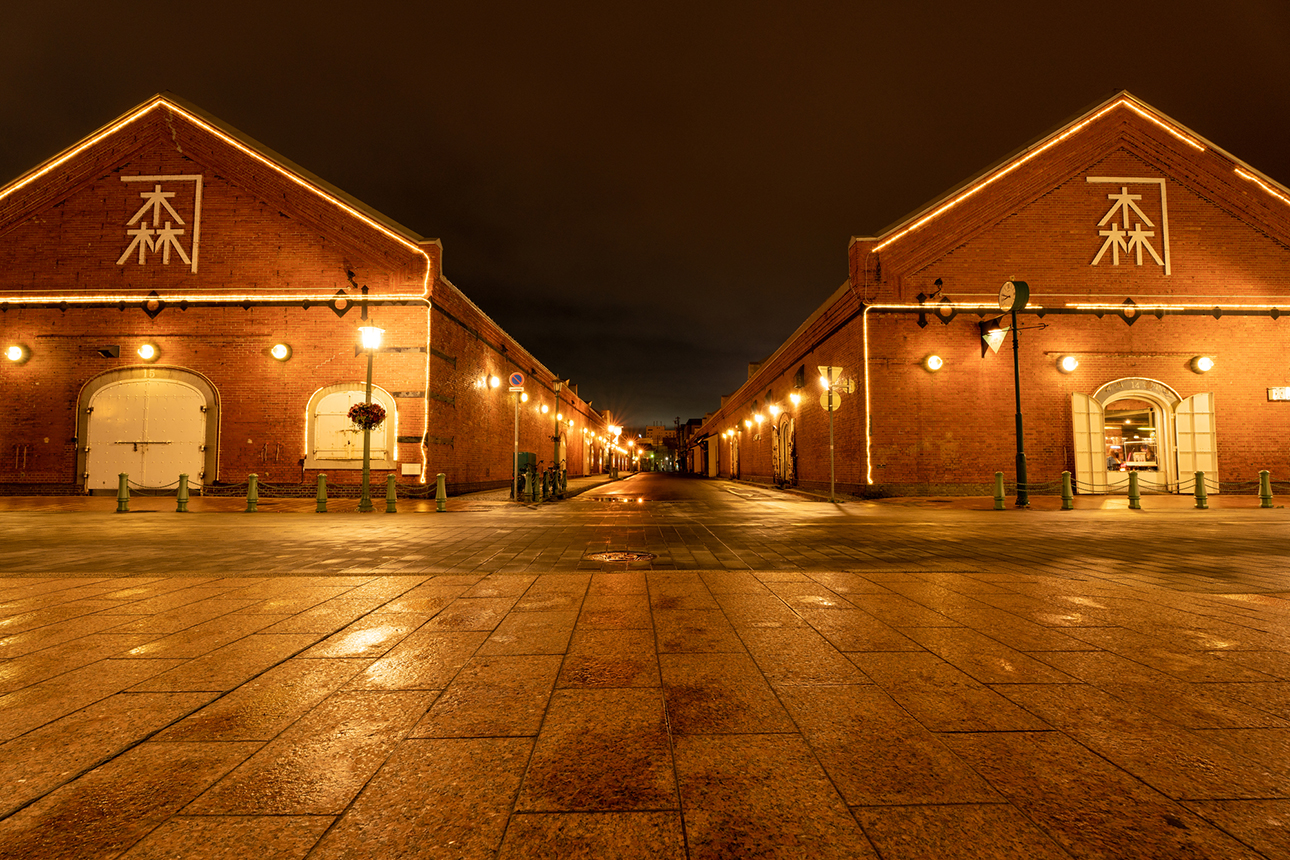
The waterfront is ideal for leisurely strolls. Shops, cafés, and beer halls occupy the red-brick warehouses. Seasonal events like the “Hakodate Christmas Fantasy” in December or summer music festivals enrich the visitor experience. Guided tips help discover quieter corners and local favorites.
Motomachi District: Churches, Slopes, and Perfect Photo Spots
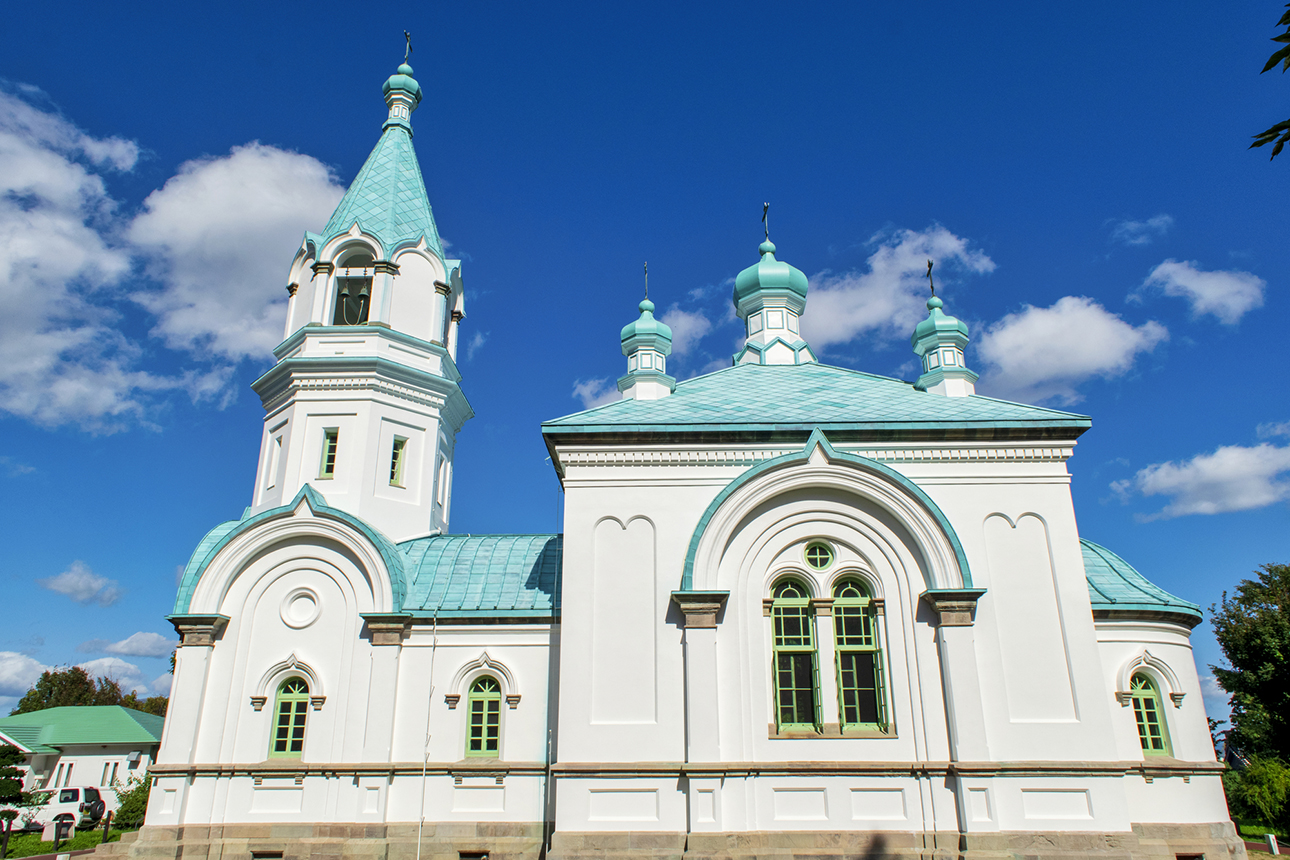
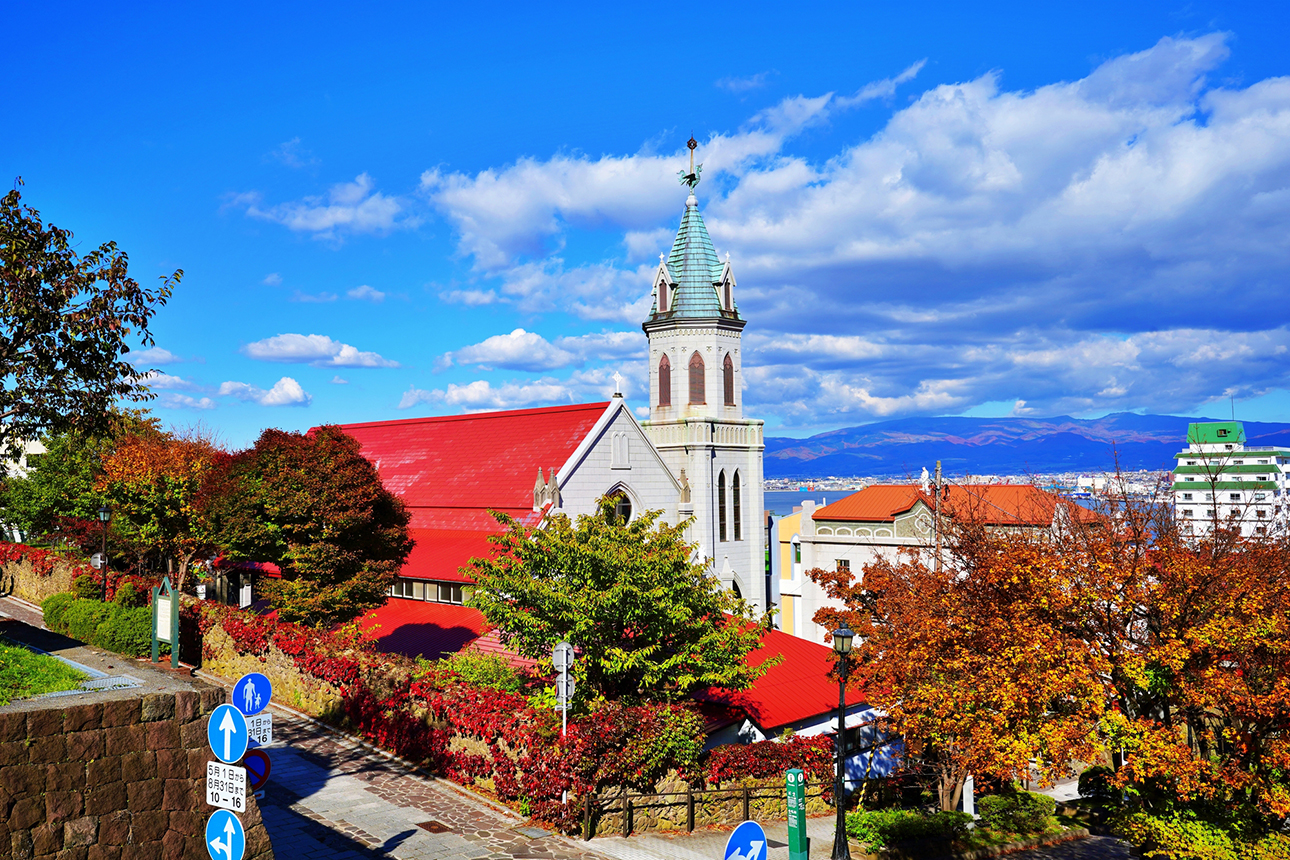
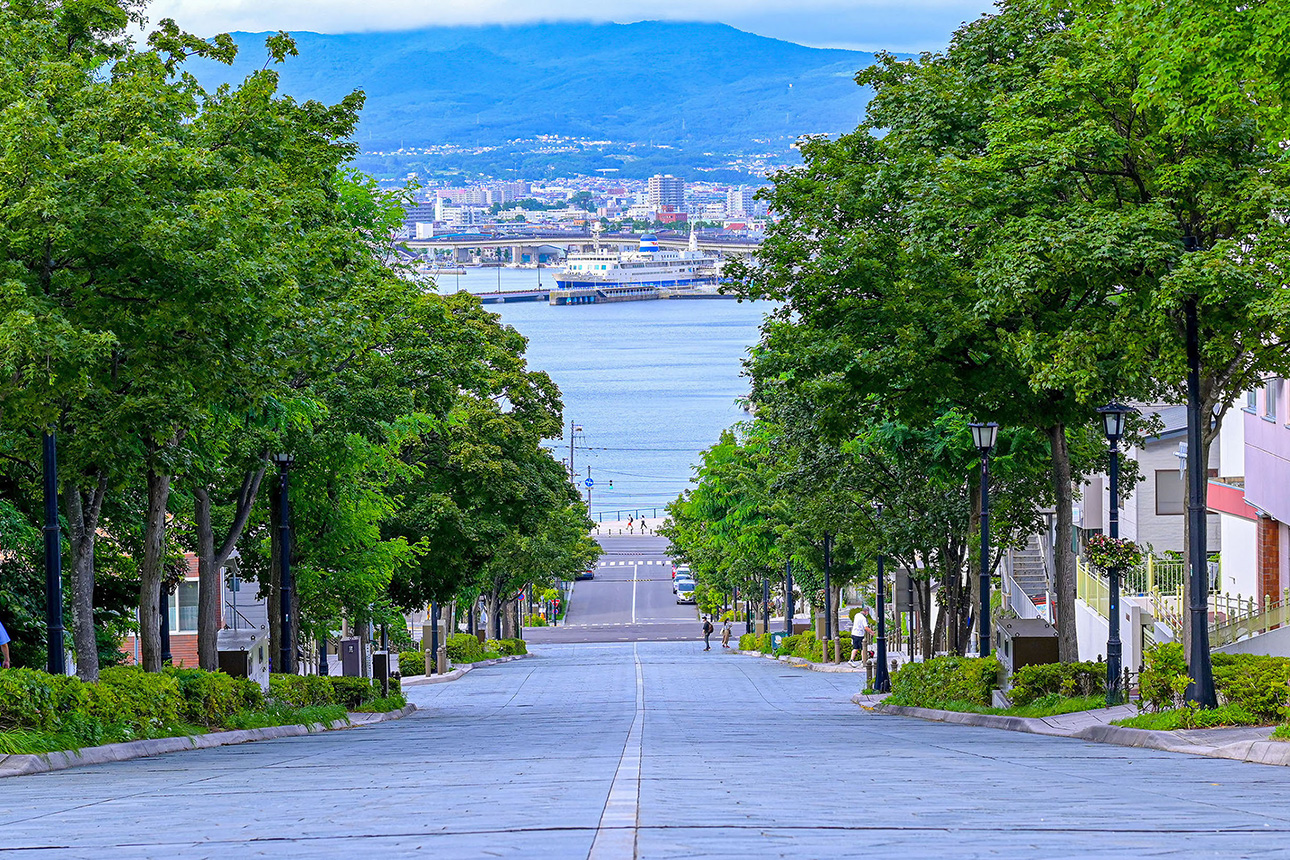
The best photo spot on Hachiman-zaka Slope, the most famous of them all, is from the very top. Stand in the middle of the road (be careful of cars and the streetcar!) and look down. From this vantage point, you can capture the iconic, perfectly straight slope, the trees lining the road, and the harbor with the Mashu Maru ship in the background, all in one frame.
In autumn, colorful leaves transform slopes into vibrant panoramas; in winter, gentle snowfall creates serene scenery. Guides ensure safe navigation while providing historical context.
Beyond the City: Yunokawa Onsen & the Famous Monkey Onsen
Yunokawa Onsen: Seaside Hot Spring Retreats
High-end ryokan line the coastline, many with outdoor baths facing the Tsugaru Strait. Seasonal views — cherry blossoms, snow-dusted landscapes — enhance the experience. Guided tours optimize timing for both scenic enjoyment and calm relaxation.

Monkey Onsen: Seasonal Wildlife Hot Spring Adventure
You can see the famous ‘Monkey Onsen’ at the Hakodate Tropical Botanical Garden in the Yunokawa Onsen area. However, this is a seasonal event: the monkeys only bathe in the hot spring during the cold winter months, typically from December 1st to early May. Go anytime during the day to see them soaking!
Visiting in early winter allows observation of playful monkeys amidst drifting snow. Guides provide advice on avoiding crowds and choosing the best viewing times.
Day-Use Hot Springs: Relaxation Without an Overnight Stay
Many ryokan and public baths accept day visitors for 500–1,500 JPY. Guidance on quieter hours and scenic options maximizes relaxation without an overnight stay.
Hakodate Transportation Guide: Streetcar & Access Tips
Mastering the Hakodate Streetcar: Efficient City Travel
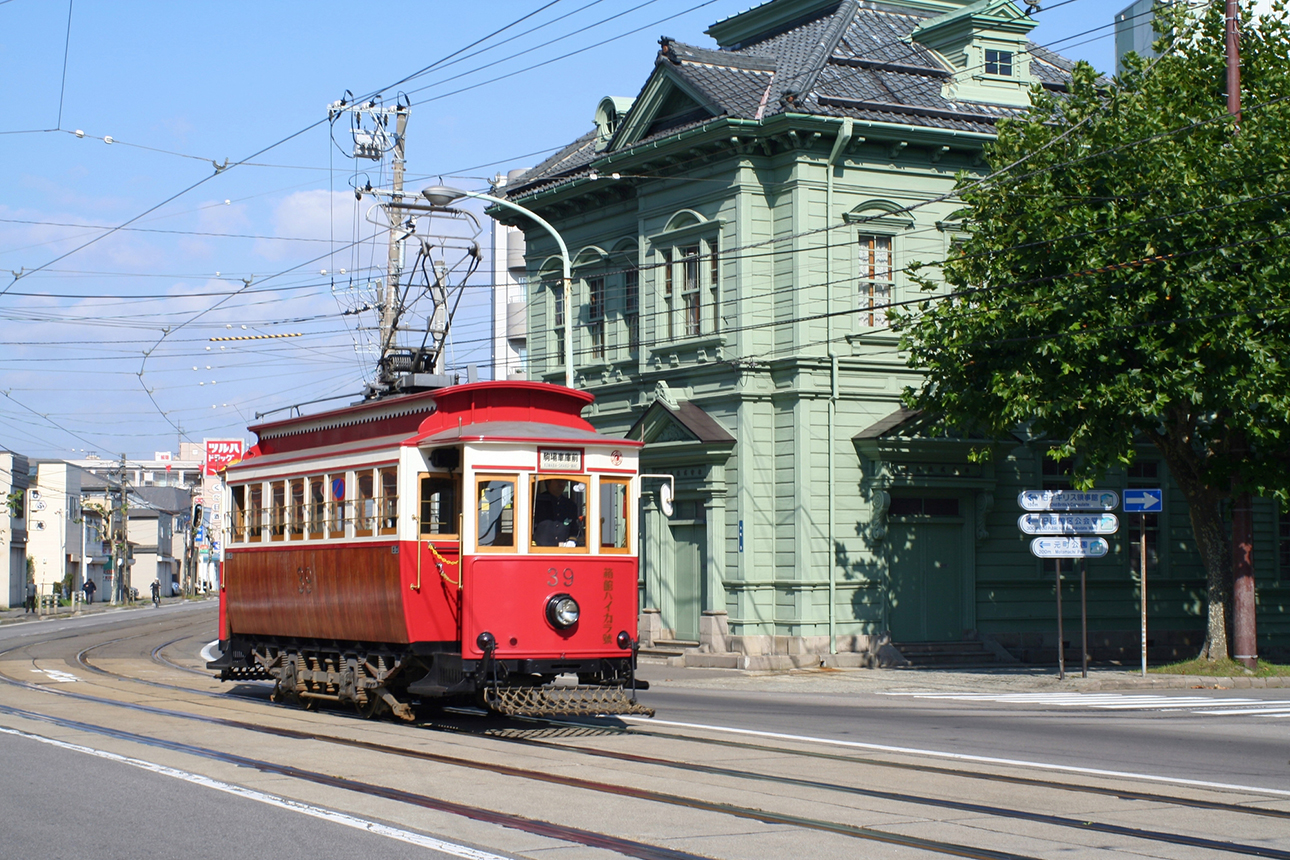
The streetcar is the best way to see the city, connecting the station, Morning Market, Motomachi, Bay Area, and Goryokaku. We highly recommend the 600 JPY “1-Day Pass.” It is absolutely worth it if you plan to take the tram three or more times (a single ride is 210-260 JPY). You can buy the pass from your hotel concierge, the Hakodate Station information center, or directly from the tram driver. Just scratch off the date and show it to the driver when you exit.
Guided itineraries provide seasonal tips — flower-lined streets in spring, illuminated alleys in December — making travel efficient and scenic.
Getting to Hakodate: Flights, Shinkansen, and Local Options
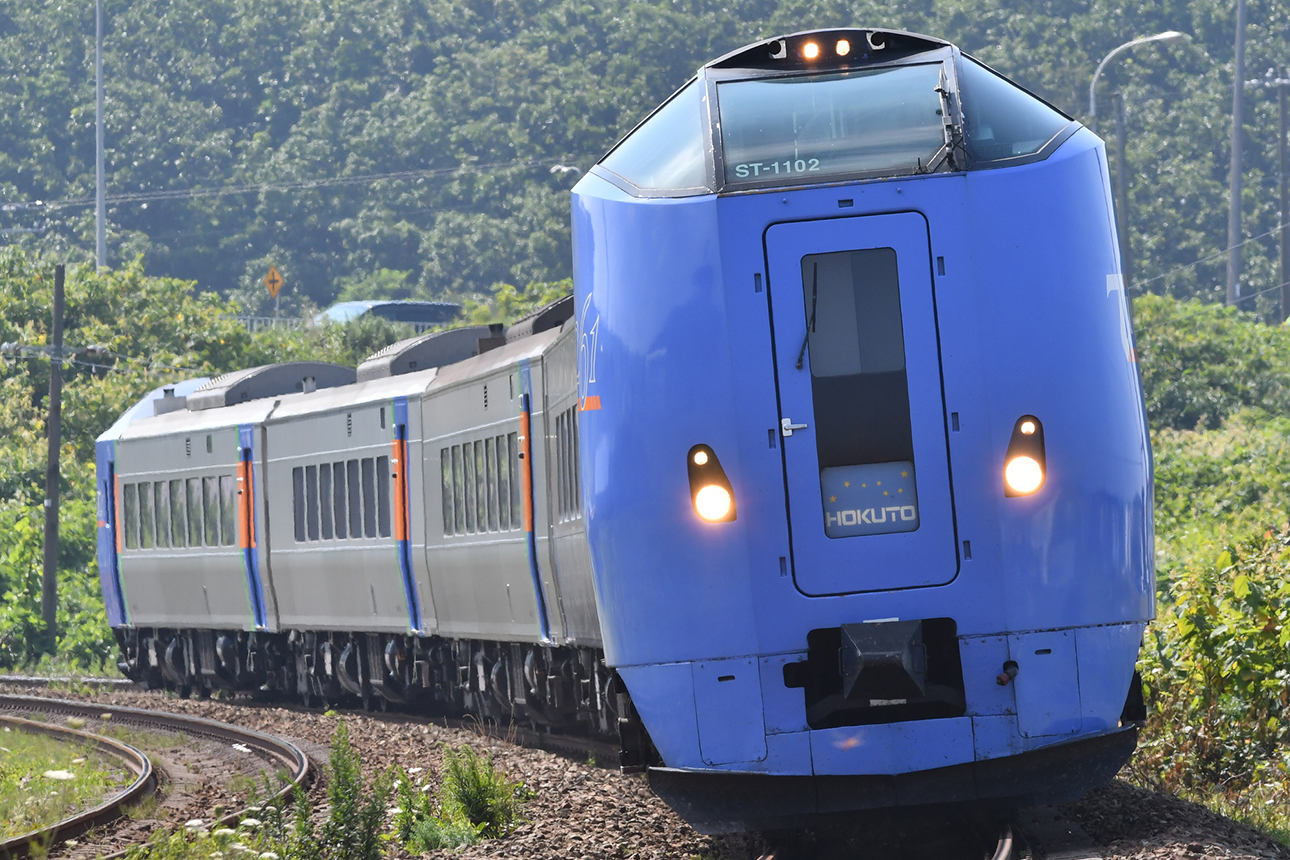
From Tokyo, a flight to Hakodate Airport (HKD) is the fastest option (approx. 90 minutes). However, if you have a Japan Rail Pass (JR Pass), the Hokkaido Shinkansen (bullet train) is the best value, taking about 4.5 hours to Shin-Hakodate-Hokuto station (followed by a short local train). From Sapporo, the “Limited Express Hokuto” train is the easiest and most scenic route, taking about 3.5 hours.
Guided tours help coordinate multiple transport modes efficiently, ensuring seasonal highlights like cherry blossoms or snow-covered landscapes become part of the journey itself.
Tailor-Made Tours: Maximize Your Hakodate Experience
Hakodate combines Japanese orderliness with European-style streets, bustling markets, and quiet, starlit nights. Whether a one-day or three-day visit, travelers enjoy memorable meals,
Guided tours maximize this, revealing both iconic sights and hidden gems. Each season — spring blossoms, summer festivals, autumn leaves, winter illuminations — offers a unique perspective, ensuring every visit tells its own story.
If you’re ready to explore Hakodate in a deeper, more personal way, Hokkaido Treasure Island Travel Inc. can design a tour shaped entirely around your interests. Our team will help you create an itinerary that feels effortless, meaningful, and truly your own.
To begin your journey, simply click the “Contact Us” button — reach out now, and let us craft an unforgettable Hakodate experience just for you.