Hokkaido’s Unparalleled Charms!
Hokkaido is a region blessed with abundant natural resources, surrounded by rich seas and featuring diverse mountains, lush forests, expansive wetlands, beautiful lakes and marshes, and the diverse flora and fauna that thrive there.
Hokkaido is a region where outstanding natural beauty is concentrated, even by global standards, and Hokkaido tourism is built upon this natural foundation.
Fresh seafood and ingredients nurtured by nature’s bounty—Hokkaido’s gourmet offerings are sure to make your trip even more enjoyable. Simply biting into freshly harvested vegetables will let you savour the pure, unadulterated deliciousness of the ingredients themselves.
Hokkaido is packed with charm—everywhere you go is fun!
Hokkaido offers diverse destinations tailored to every interest, from gourmet dining and city strolls in Sapporo and Otaru, to the stunning flower fields and vast nature of Furano and Biei, hot springs and activities in Niseko and Noboribetsu, World Heritage sites and wildlife in Shiretoko and the Kushiro Marshes, and Hakodate’s night views and historic buildings. It boasts an abundance of captivating spots, ranging from well-known favourites to hidden gems.
Hokkaido has 179 municipalities, each with its own unique charm. This time let’s introduce Betsukai, a town in eastern Hokkaido.
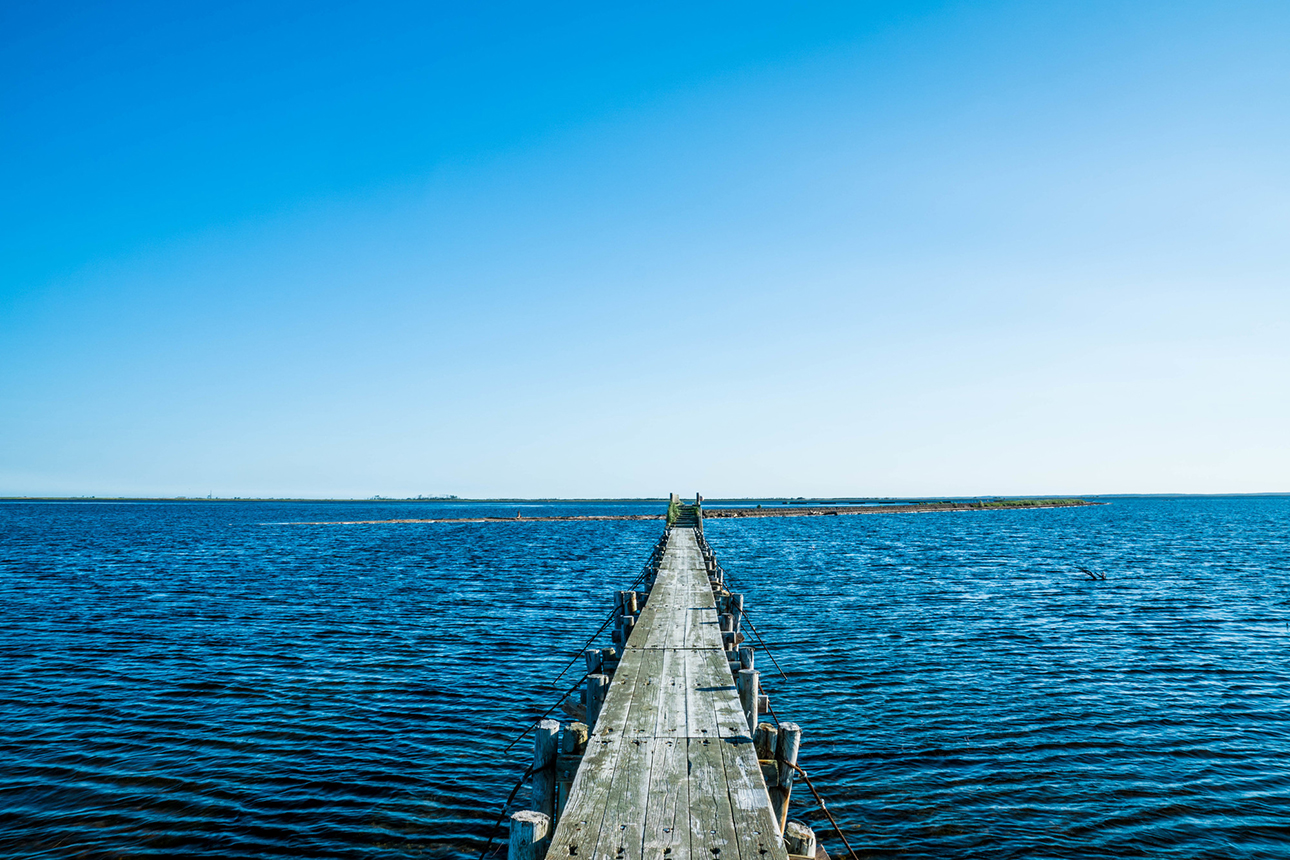
Betsukai is fundamentally different from Sapporo, the political and economic hub of Hokkaido where urban functions are concentrated, or Niseko, a world-renowned resort area where tourism thrives. Instead, it is a region where nature and industry coexist closely, characterised by a primary industry-led economy where dairy farming and fishing flourish, supported by its vast natural environment.
The name Betsukai originates from the Ainu language, meaning “bent river,” derived from the large bend in the mouth of the town’s largest river, the Nishibetsu River. Approximately 80% of Hokkaido’s municipal names originate from the Ainu language, indicating that Betsukai is a region where Ainu people have also lived since ancient times. Their culture and language have been deeply intertwined here.
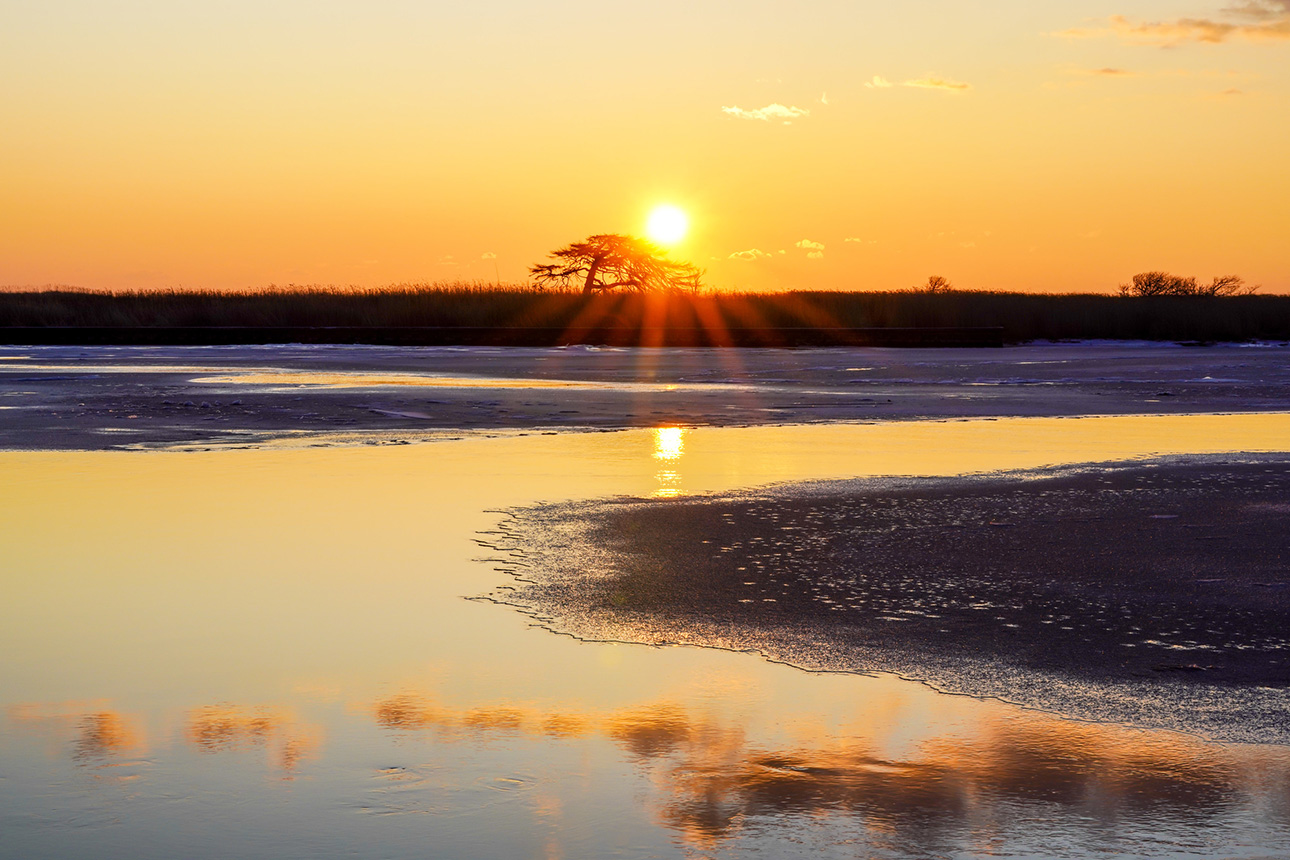
Betsukai is a town facing the Sea of Okhotsk, located at the eastern tip of Hokkaido. It is located about 30 minutes by car from Nakashibetsu Airport, about 2.5 hours from Kushiro, and about 2 hours from Memanbetsu Airport.
The tree that symbolizes Betsukai is the Japanese oak tree. The settlers who ventured into the wilderness cut oak trees from the scrub forests to build their shanties, toiled over digging up roots when clearing land, and sold charcoal and firewood from oak trees during cold spells and crop failures. The oak tree is an unforgettable presence in the history of pioneering.
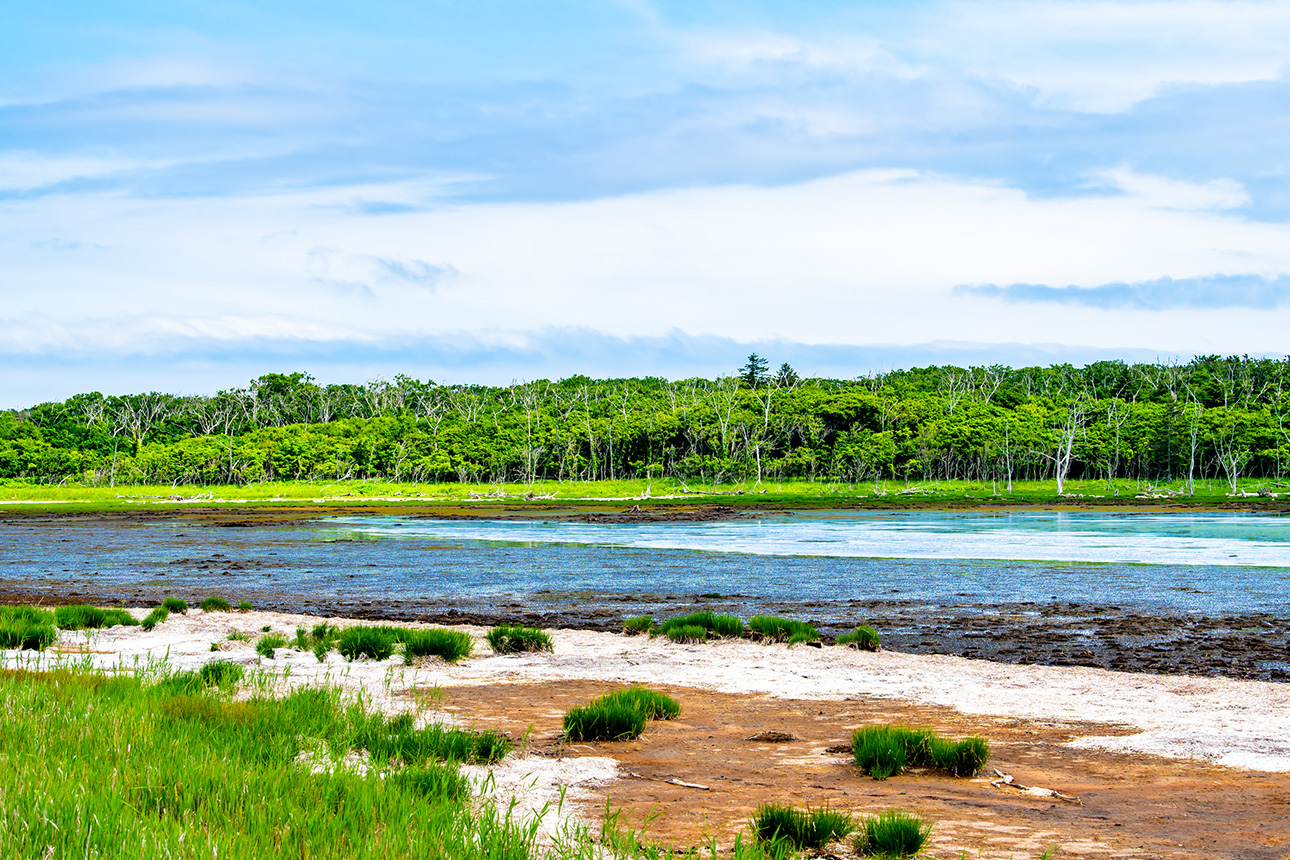
Sendaihagi (Thermopsis lupinoides) has been designated as the town’s flower. It belongs to the pea family and produces numerous yellow butterfly-shaped flowers in summer. The grassy sandy plains around Ryujin Cape on the Notsuke Peninsula are densely covered with vegetation. Herds of cattle and horses play on the beach, dotted with yellow and green, creating a vivid sense of a northern landscape and making this an exceptionally beautiful and emotionally rich place.
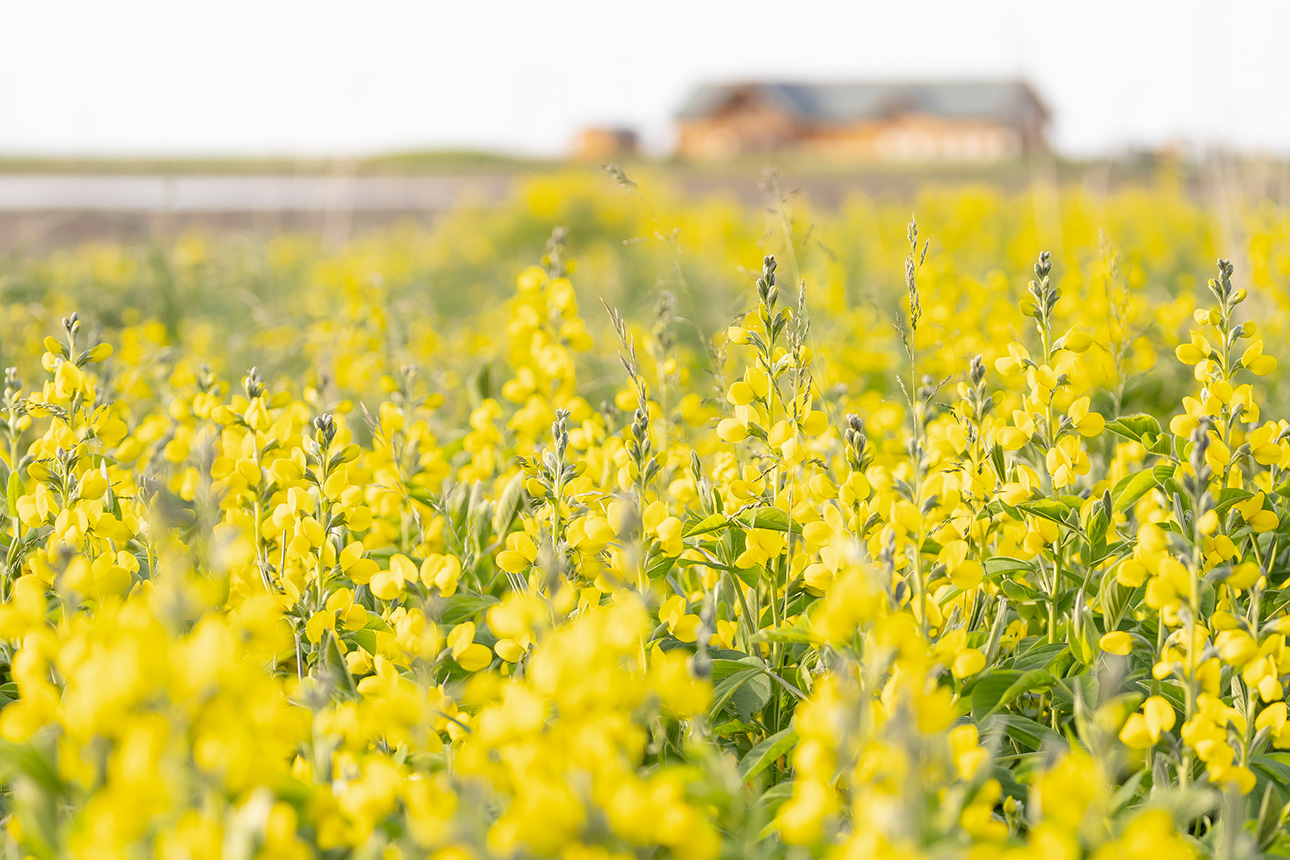
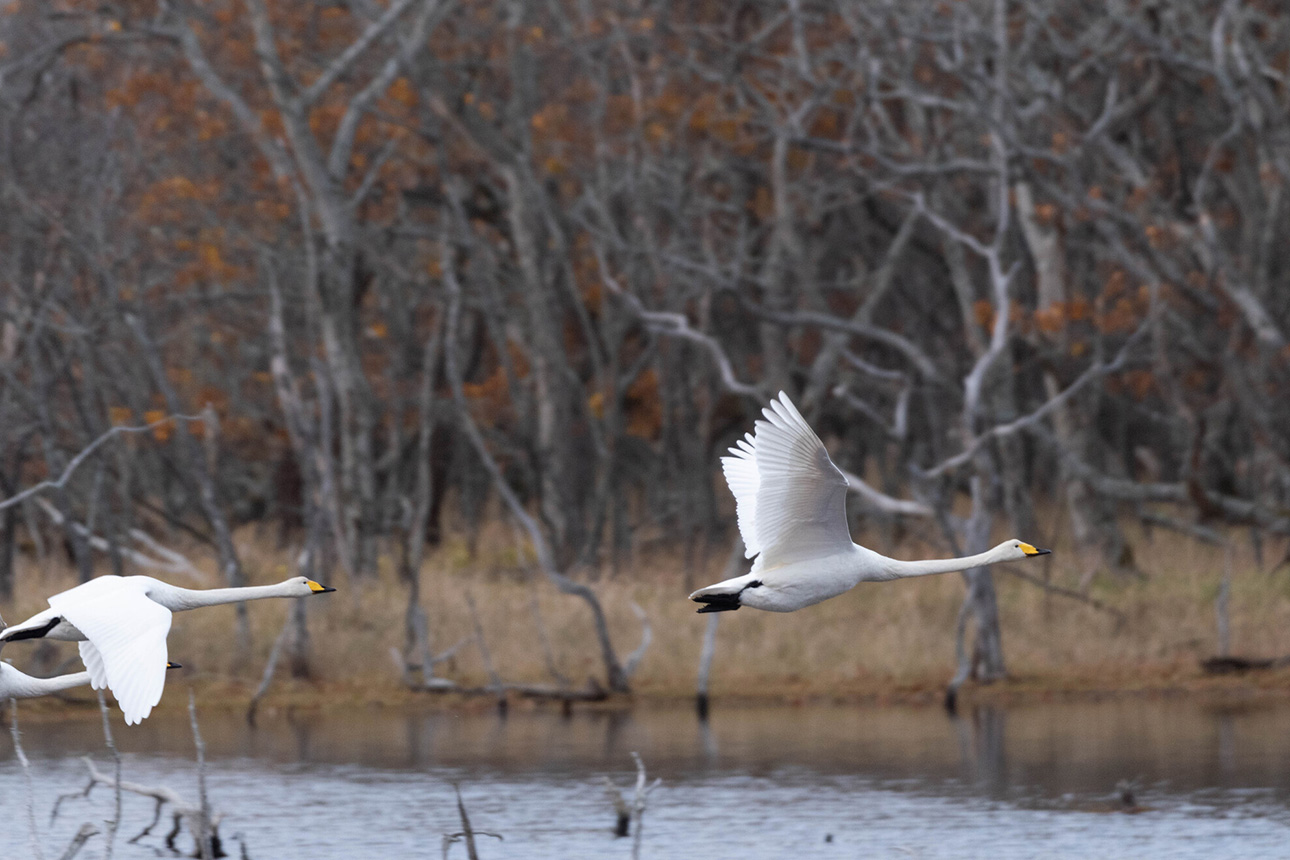
Migrating south from distant eastern Siberia to spend the winter, a lot of swans arrive around early October each year. Their graceful forms dart across the lake surface, their numbers steadily increasing as the days pass, and they are loved and cherished by many townspeople as the town’s iconic bird.
The population of Betsukai is approximately 15,000 people, but the number of dairy and beef cattle raised within the town is nearly 7.3 times that, totalling around 110,000 head.
The region is particularly famous for its dairy farming, which boasts Japan’s highest raw milk production, as well as its traditional fishing methods for Hokkaido shrimp and tasty jumbo-sized scallops, and for Japan’s largest sandbar, the Notsuke Peninsula.
The charms of Betsukai
Dairy farming and gourmet cuisine
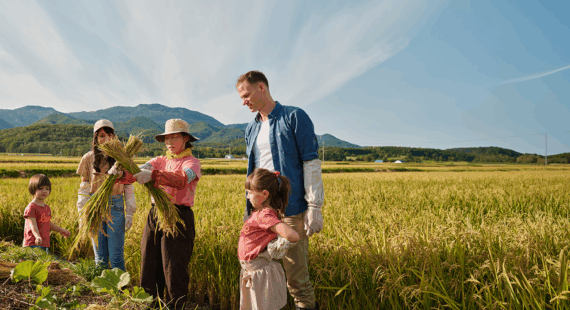
Since the pioneering era of the late 1800s, Betsukai has primarily engaged in field crop farming. However, severe crop failures caused by cold damage in the late 1920s prompted a shift to livestock farming. Subsequently, it was designated a high-intensity dairy farming region in the 1950s. Furthermore, the large-scale expansion of machinery and facilities in the 1970s paved the way for its development into the dairy farming powerhouse it is today.
Betsukai, blessed with a cool climate, vast land, and abundant water resources, is an ideal region for dairy farming.
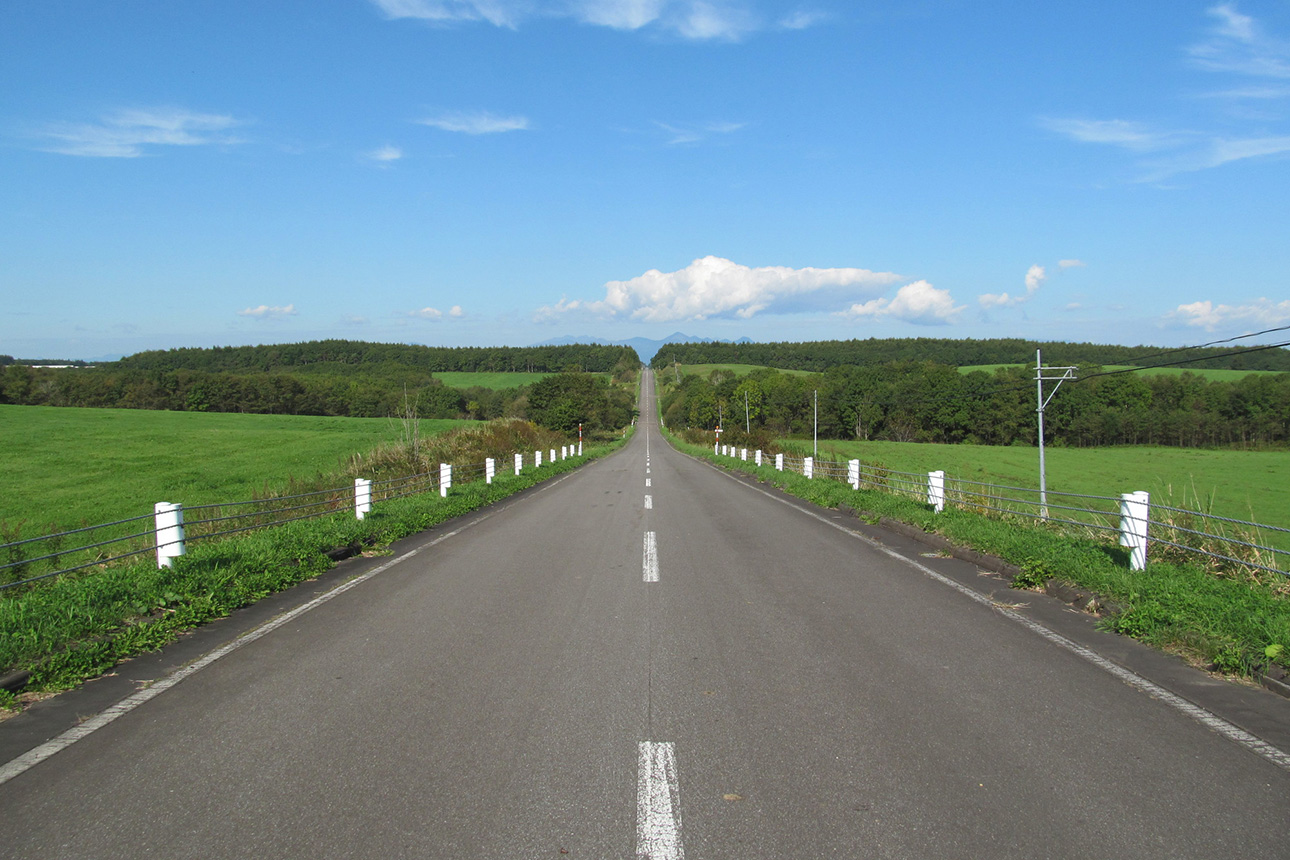
From the 10-meter-high New Dairy Farming Village Observatory, you can see cows leisurely grazing on the vast green plains stretching out all around, roads extending straight into the distance, and the quintessential Hokkaido landscape. On clear days, you can also see Lake Furen, Lake Akan, and the Shiretoko mountain range, making it a popular spot.
The dairy cows raised here thrive on mineral-rich pasture grass fully exposed to the sea breezes from the Okhotsk Sea, and enjoy good quality underground water from Lake Mashu. They also have a stress-free life roaming freely over the vast pastures.
Not only the milk itself, but also the cheese and soft serve ice cream made from one of the Japan’s finest milks boast a rich, full-bodied milky flavour with a refreshingly clean finish. This crisp, satisfying taste is truly unmatched anywhere else.
You can also experience how such milk and dairy products are made through hands-on farming activities like caring for cows, milking, and making butter, which are very popular.
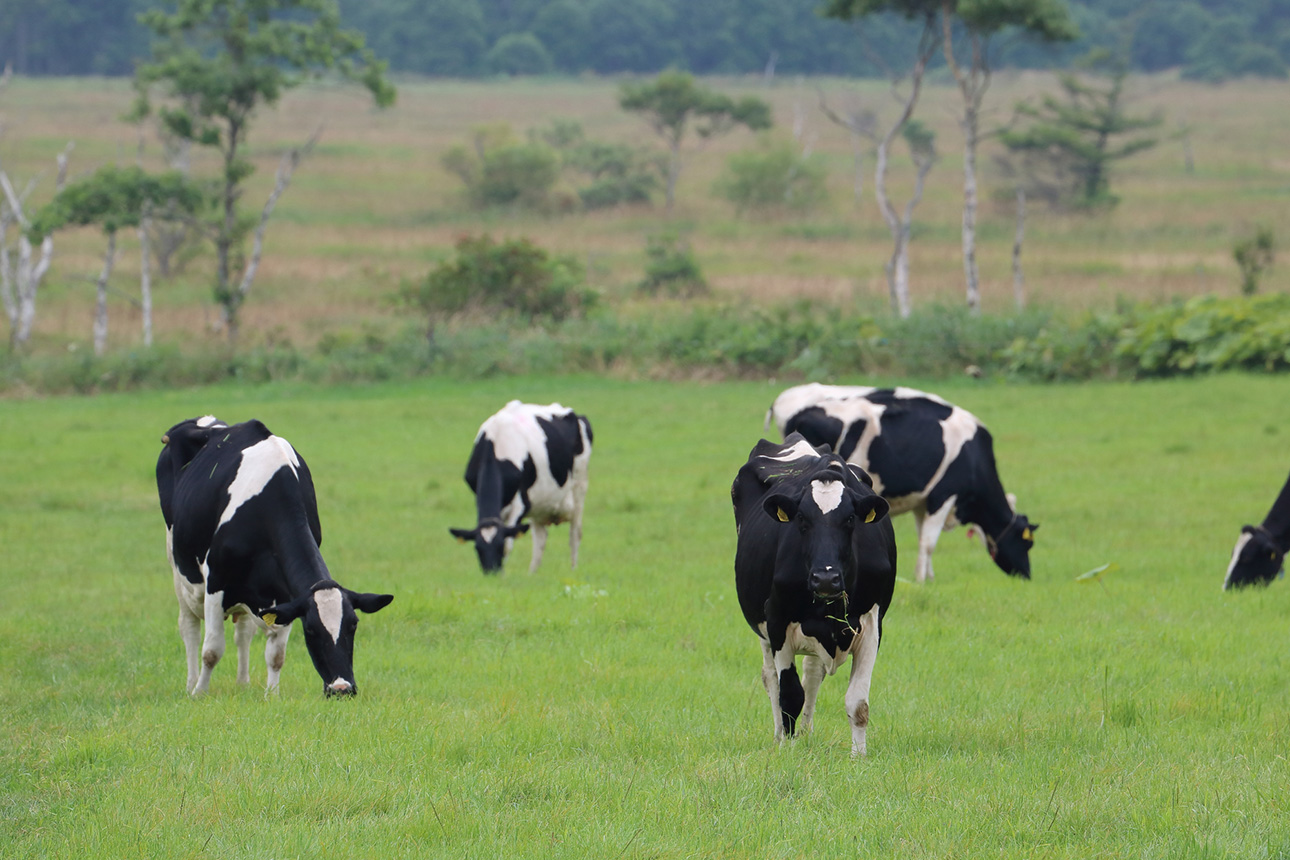
Additionally, approximately 6% of the cattle raised in Betsukai are beef cattle. Meat from the Kuroge/Black Wagyu cattle, selected for their particularly robust build and raised on the highest quality feed and sugarcane, is truly exquisite.
Near Betsukai lies a dairy farming area with a straight road. Because tankers carrying fresh milk frequently travel along it, it came to be called The Milk Road at some point. Stretching about 4 kilometres east to west, this straight road seems to go on forever, its gentle undulations creating a beautiful landscape.
Here you can enjoy the quintessential scenery of Hokkaido: vast pastures, cows, and the horizon stretching out before you.
Traditional fishing and gourmet cuisine
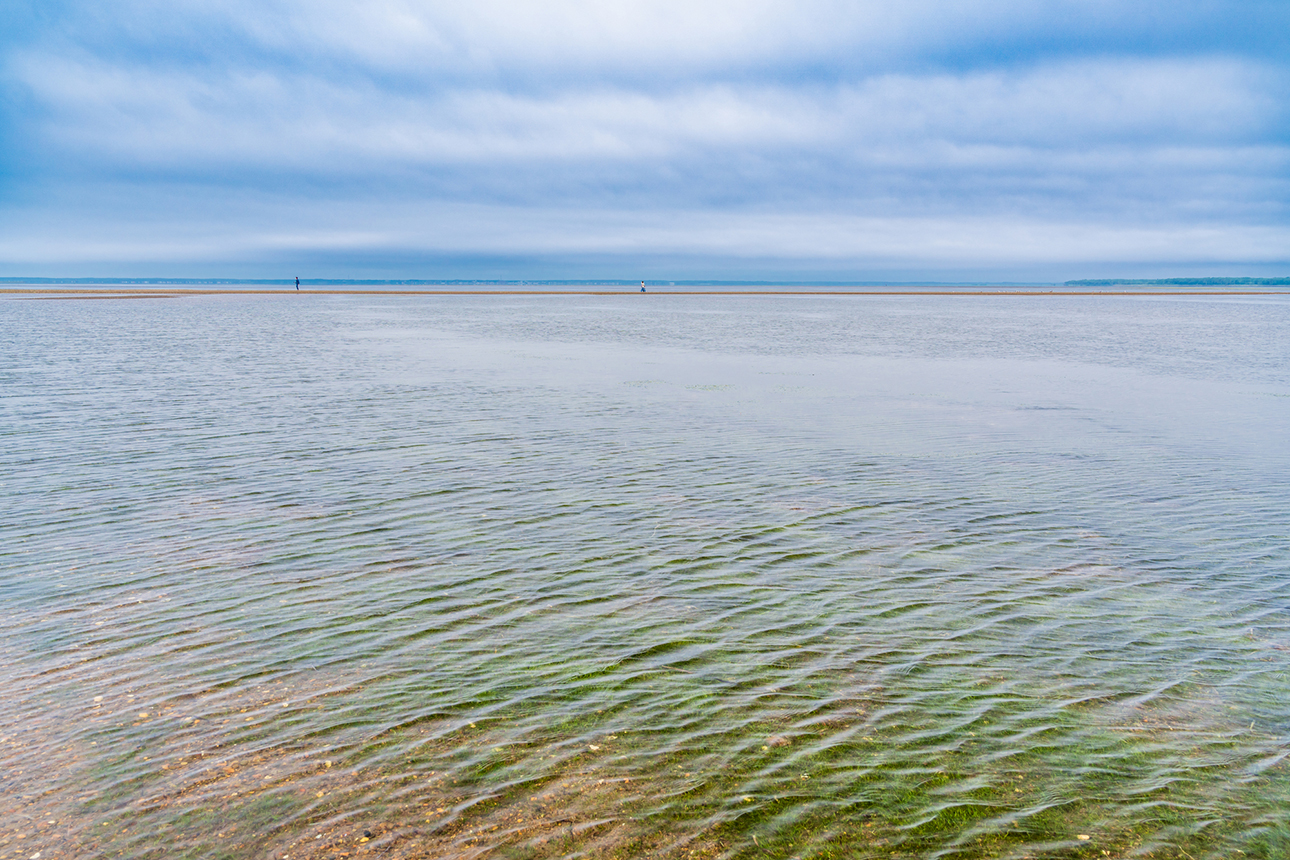
Notsuke Bay, home to the northern shrimp, is a shallow sea where eelgrass thrives, exposing mudflats at low tide.
Eelgrass is a plant that grows in dense beds in shallow coastal waters, producing flowers and seeds. It is different from kelp, which does not have flowers and reproduces via spores. This eelgrass serves as a spawning ground for many creatures, including the Hokkaido shrimp, acting as a “cradle of the sea” that protects and nurtures them.
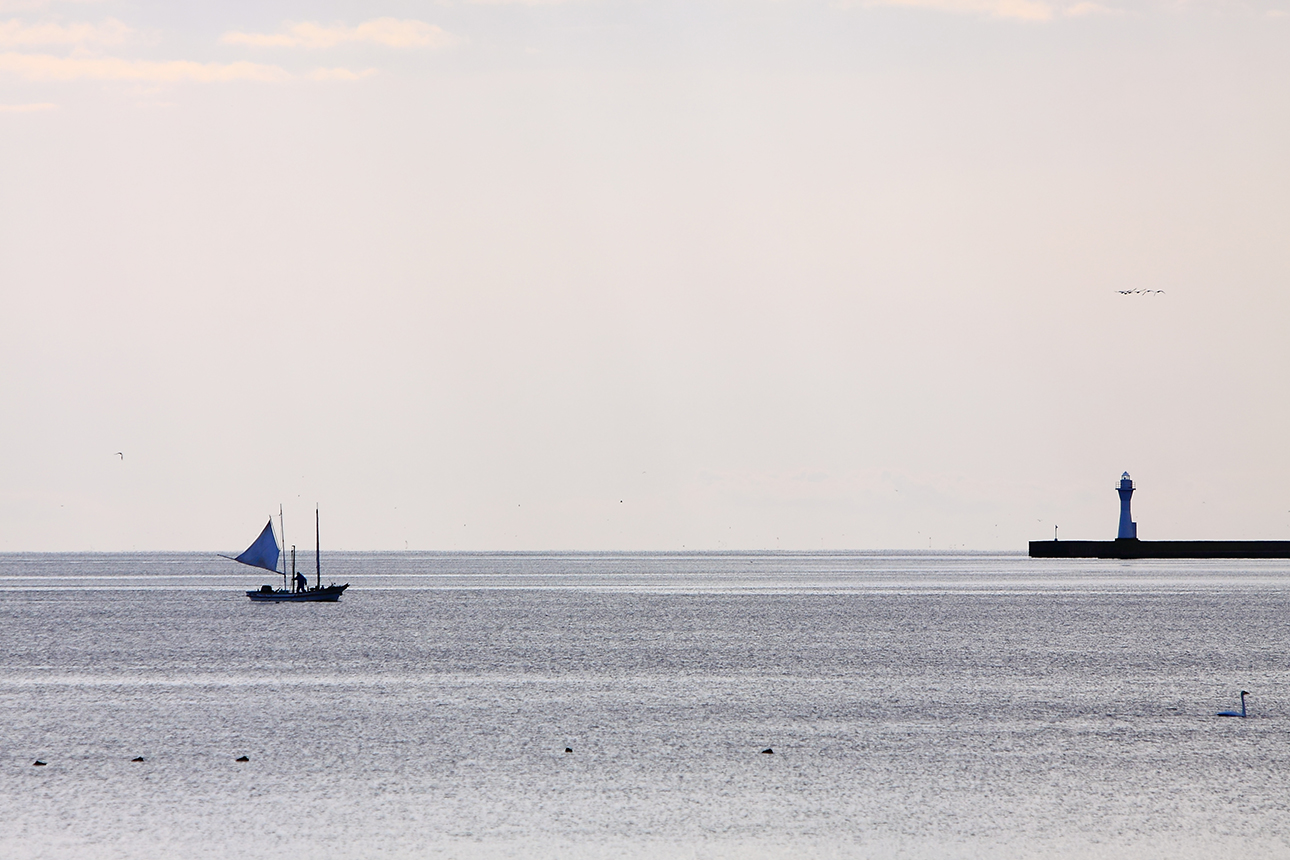
To prevent fishing boat propellers from damaging these seaweed beds, fishing is still conducted using traditional boats passed down through generations. Fishing boats navigating shallow waters raise their sails upon entering fishing grounds to avoid damaging eelgrass with their propellers, relying solely on wind power to move forward. This traditional sailing fishing boat is called utase-bune there. The sight of a boat with triangular sails floating in the quiet bay at dawn is a truly picturesque view.
The fishing seasons each last for a short period of about one month, typically starting in mid-June for summer and mid-October for autumn.
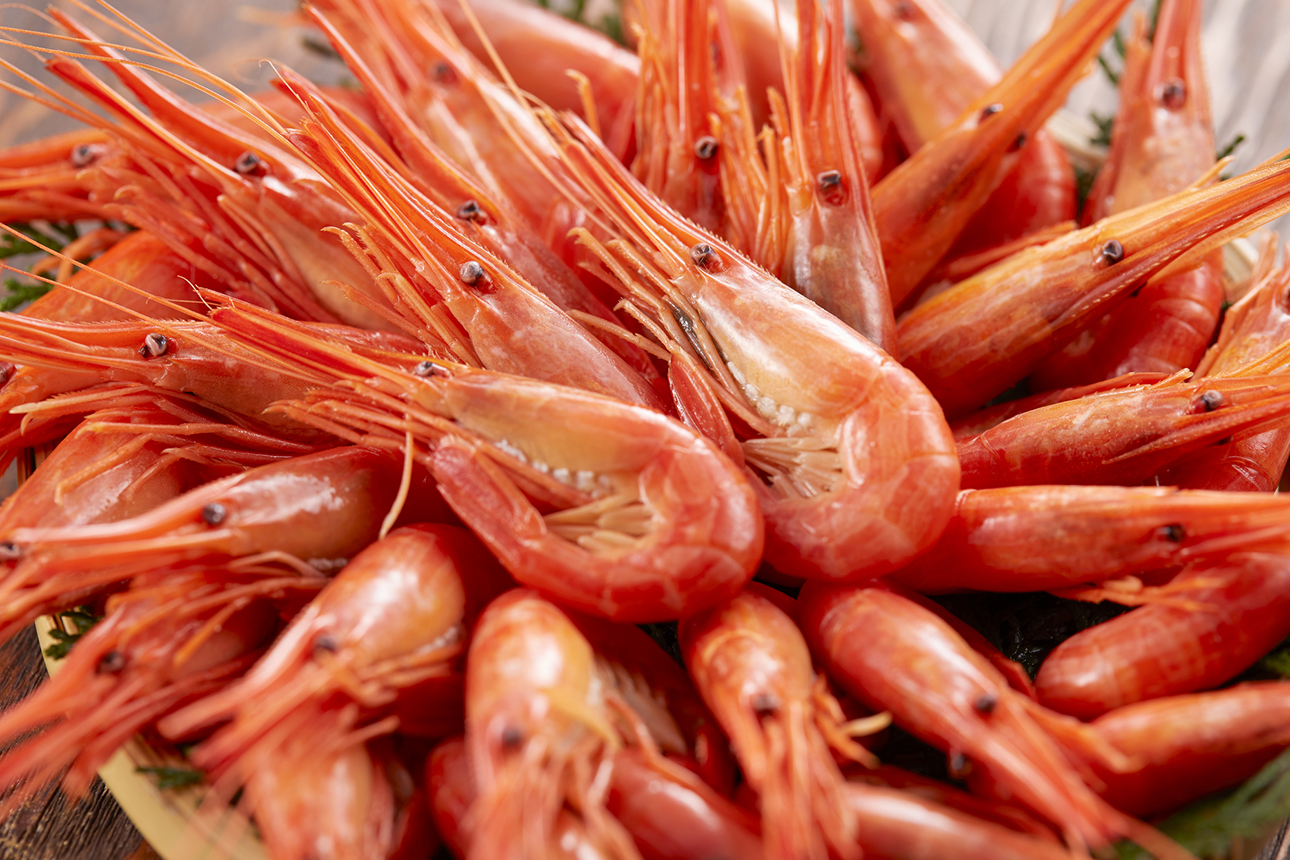
Hokkaido shrimp are about 10 centimetres long and are typically eaten boiled in salt water. Their vivid red colour is beautiful, making them a must-try dish when visiting Betsukai. Also, only available during the fishing season, we highly recommend trying the Hokkaido Shrimp Tempura Rice Bowl, a dish you can only savour locally.
Additionally, Hokkaido has the largest scallop catch in Japan, and scallops from Betsukai in particular are known for their large size and are called “jumbo scallops.” The swift currents flowing into Notsuke Bay carry an abundance of plankton, resulting in good quality scallops rich in glycogen—the essence of umami—and high nutritional value.
Scallop fishing here involves harvesting scallops cultivated through direct seeding of juvenile scallops into the sea, using a fishing method called bottom trawling that uses a clawed net.
Scallops harvested four years after release boast a size that easily exceeds a man’s palm. When served as sashimi, it offers a melt-in-your-mouth tenderness, while lightly searing it brings out a firm, springy texture. And the town’s most famous local delicacy is the Betsukai Jumbo Scallop Burger. It’s an original burger featuring a large scallop wrapped in a spring roll and sandwiched between buns made with milk, another specialty of Betsukai.
In Betsukai, you can also enjoy other high-quality Sakhalin surf clams and Japanese littleneck clams. Like the scallops, the Sakhalin surf clams are renowned for their impressive size, thick meat, and deep umami flavour. The Japanese littleneck clams are also large, and when you bite into them, a rich umami flavour bursts forth, making them exceptionally satisfying to eat.
The Nishibetsu River, which flows east to west through Betsukai, is famous for its salmon. During the Edo period, it was presented to the shogun’s family, and today you can still enjoy its renowned taste, prepared with masterful techniques.
Unique natural landscapes and the creatures that inhabit them
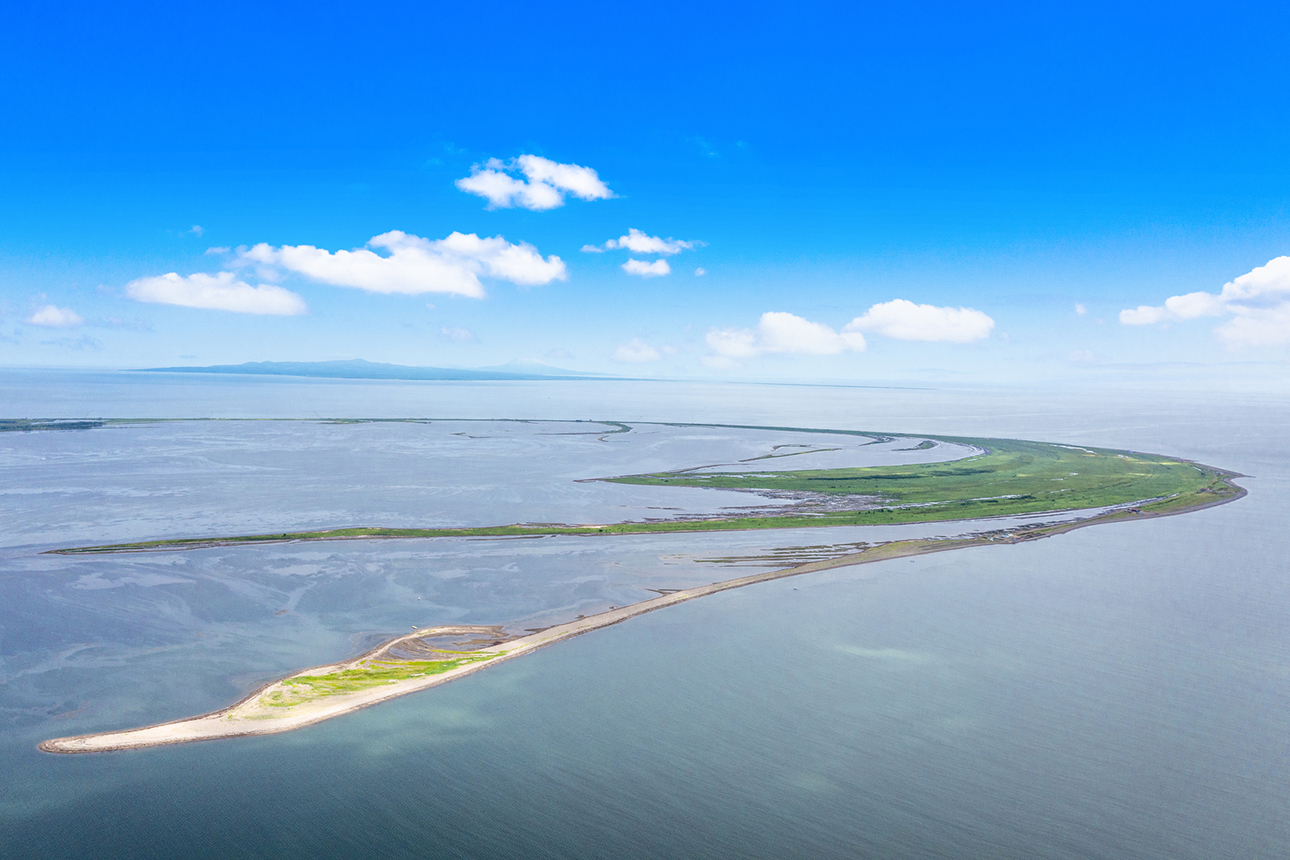
The shape of the Notsuke Peninsula, jutting out into the Sea of Okhotsk roughly halfway between the Shiretoko Peninsula and the Nemuro Peninsula, is unique. Though called a peninsula, it is actually a sand spit formed by accumulated sand, and its narrow, curved shape gives it an almost precarious appearance. In fact, while its length of 26 kilometres makes it the longest sandbar in the country, it is only about 100 metres wide at its narrowest point, and it’s merely 3 to 4 metres above sea level in height.
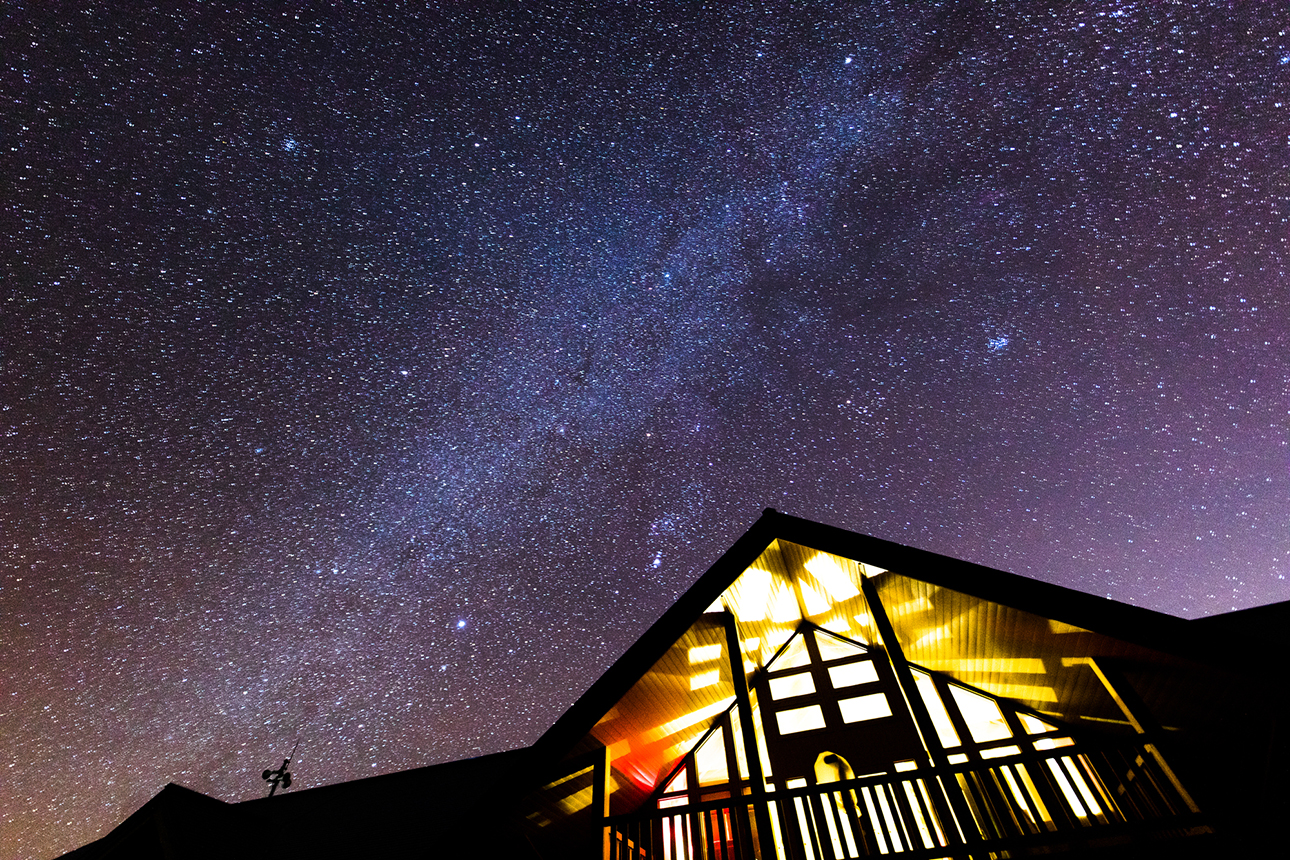
When exploring the Notsuke Peninsula, it’s a good idea to first stop by the Notsuke Peninsula Nature Center. This facility provides information about the nature and history of the Notsuke Peninsula, Japan’s largest sand spit. The first floor offers tourist information, local specialty sales, and a restaurant, while the second floor features exhibits and explanations about nature and history.
At the restaurant there, you can enjoy seafood rice bowls and ramen noodles, as well as the jumbo scallop burger mentioned earlier.
Additionally, the Nature Center offers guided tours of various kinds, though advance reservations are required.
The bay’s surroundings feature diverse natural landscapes including shingle beaches, sand dunes, tidal flats, and wetlands, which serve as habitats for a wide variety of organisms.
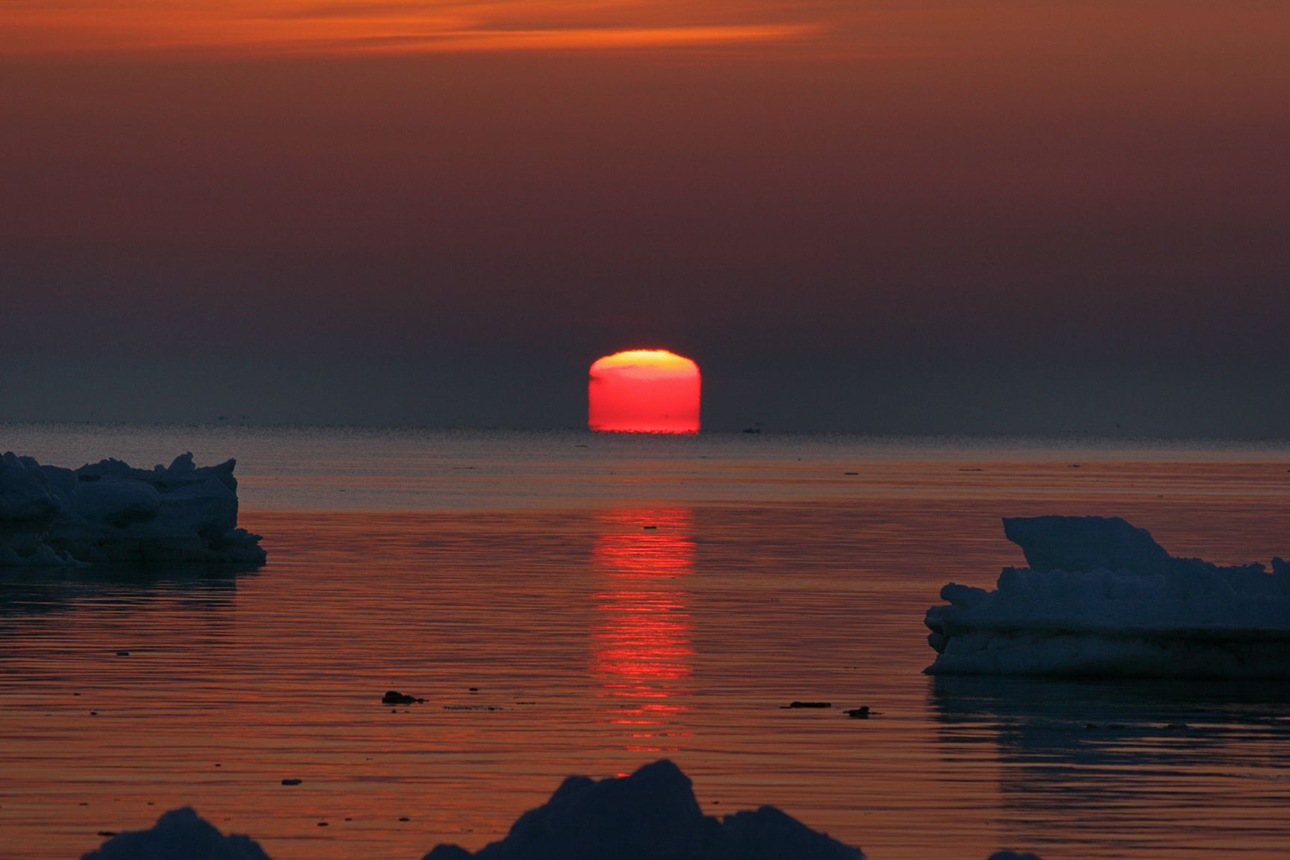
It is also a special place where you can see the “square sun,” a type of mirage, and the ice horizon, offering a 360° panoramic view of the icy landscape. The square sun is a phenomenon visible in Notsuke Bay on winter mornings, caused by light refraction due to temperature differences in the air.
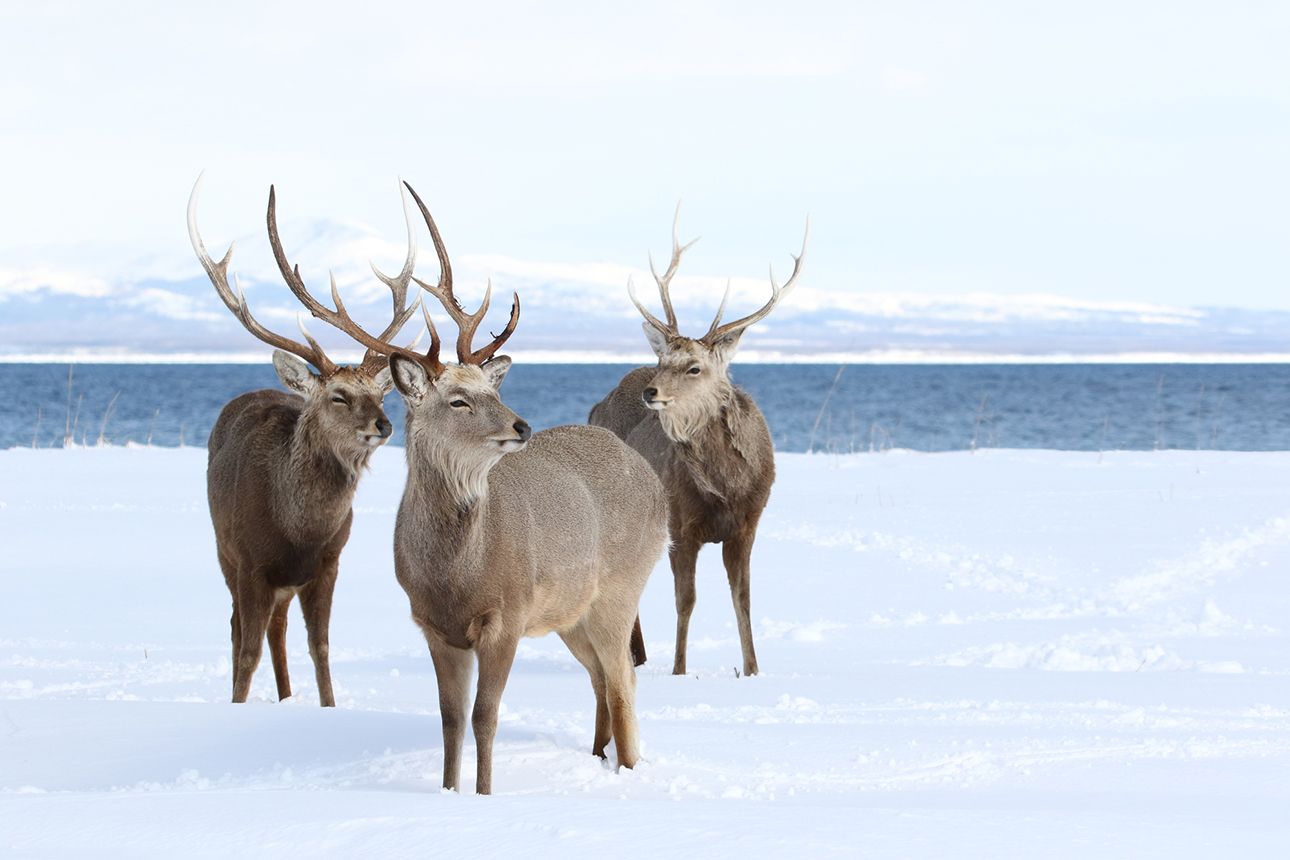
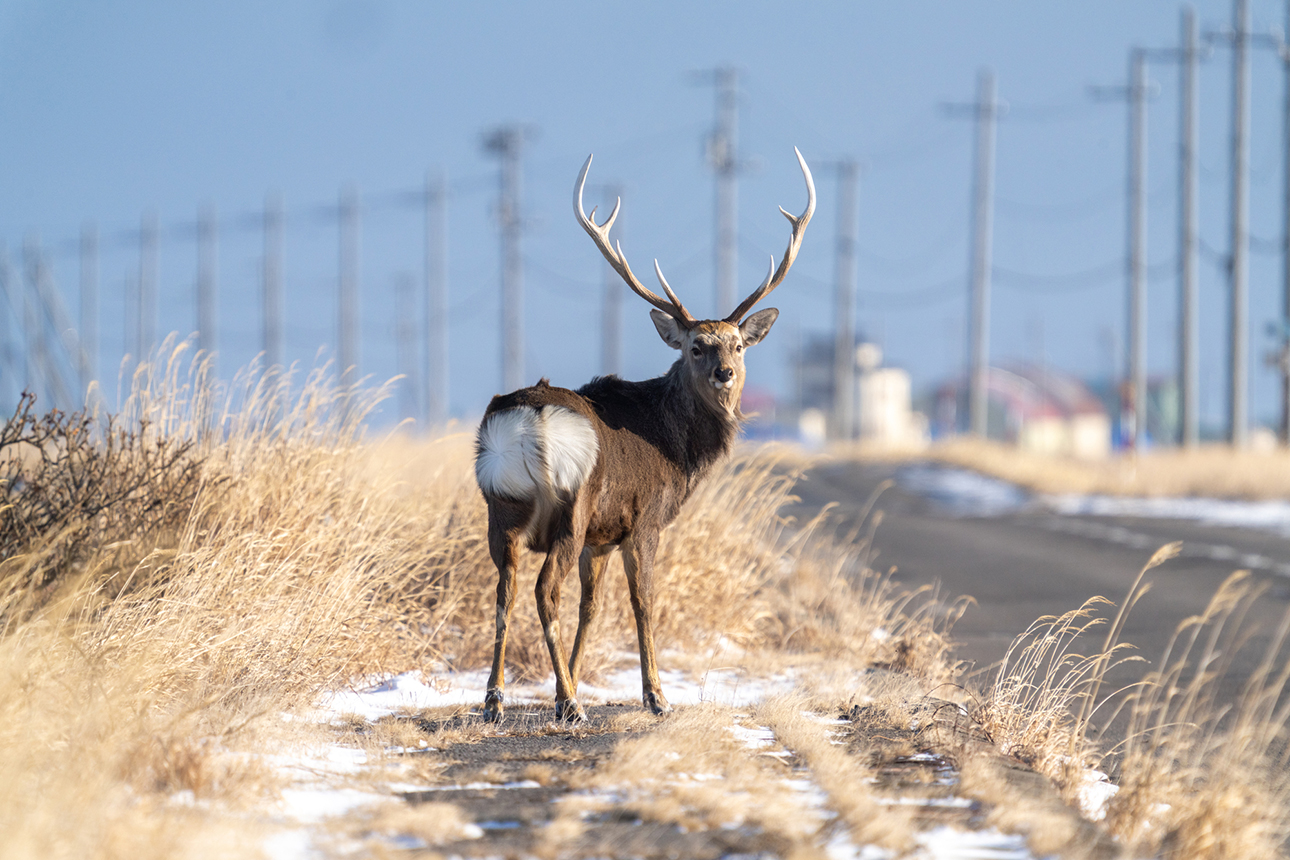
Ezo deer can often be seen traveling in herds throughout the year. The herd of Ezo deer on the Notsuke Peninsula is widely known as a symbolic and seasonal sight of the peninsula.
In summer, spotted seals appear in the bay around June each year. They can be observed resting and arching their backs like shrimps on eelgrass beds exposed during low tide.
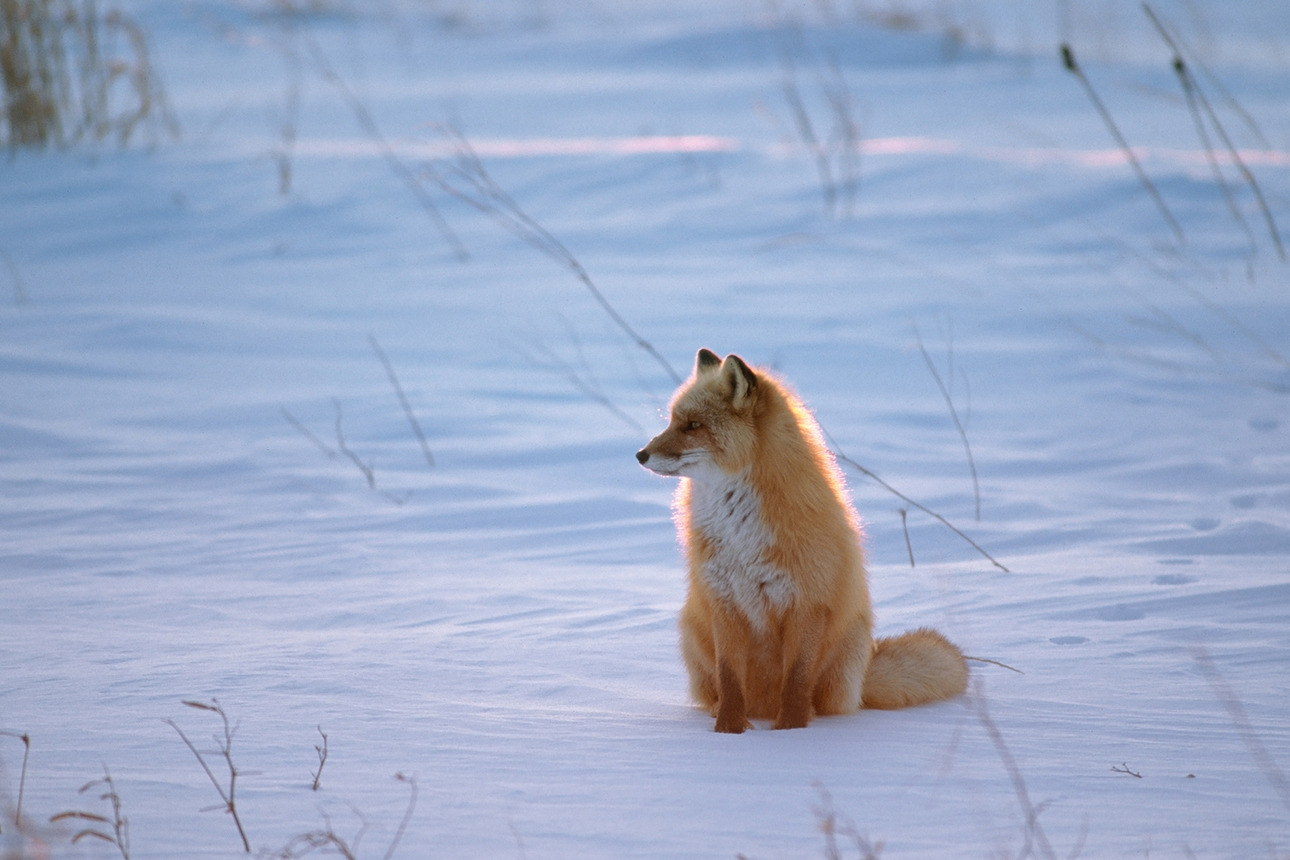
You can also encounter other animals such as red foxes, stoats, and weasels.
It is also one of Japan’s premier birdwatching spots, with over 220 species recorded. From early summer grassland birds to winter raptors, birdwatching offers compelling experiences all year round.
Early summer birdwatching in the grasslands offers abundant sightings of species like the Siberian rubythroat, black-browed reed warbler, lanceolated grasshopper warbler, Middendorff’s glasshopper warbler, and common reed bunting, making it thoroughly enjoyable even for beginners simply walking along the trails.
By late July, the sight of sandpipers such as the grey-tailed tattler and red-necked stint, which are already beginning their autumn migration, becomes increasingly noticeable.
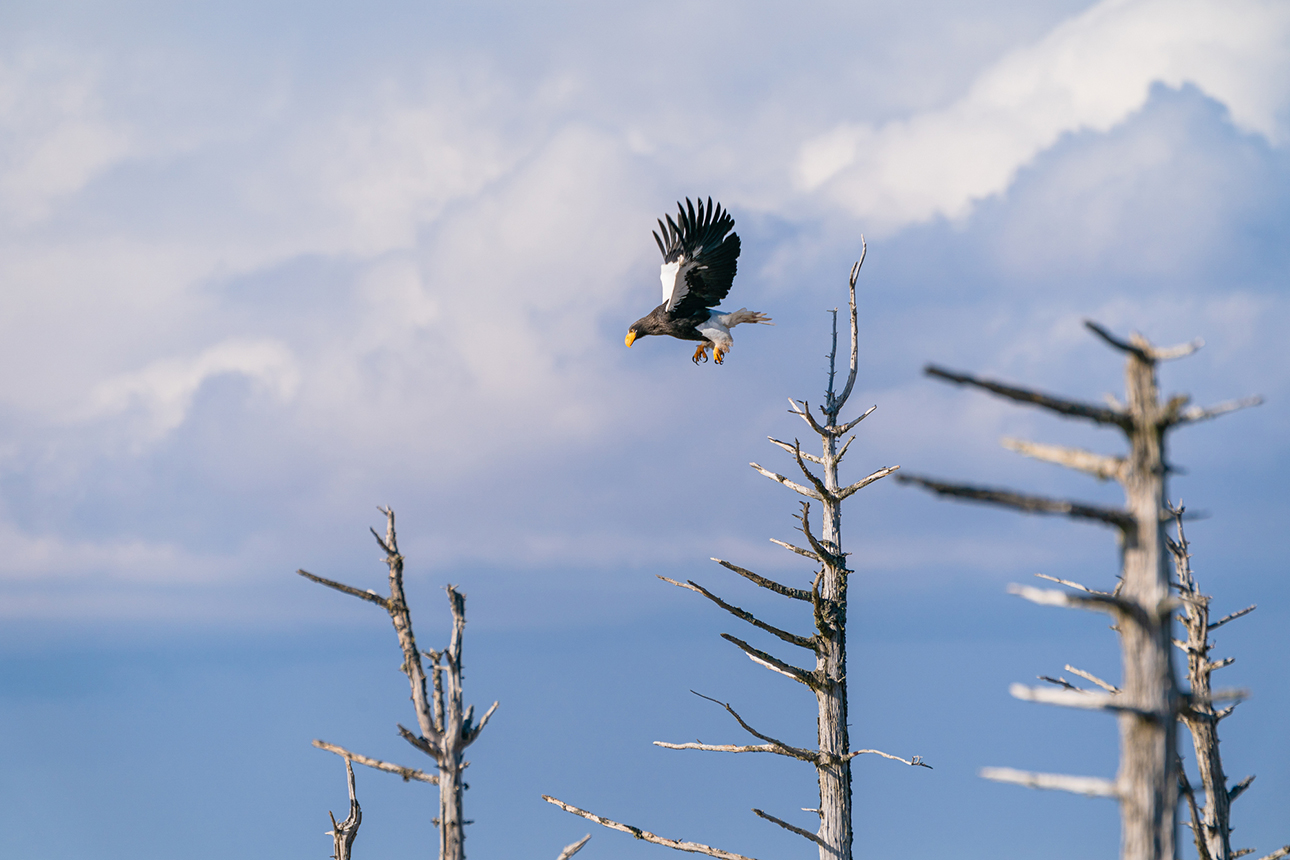
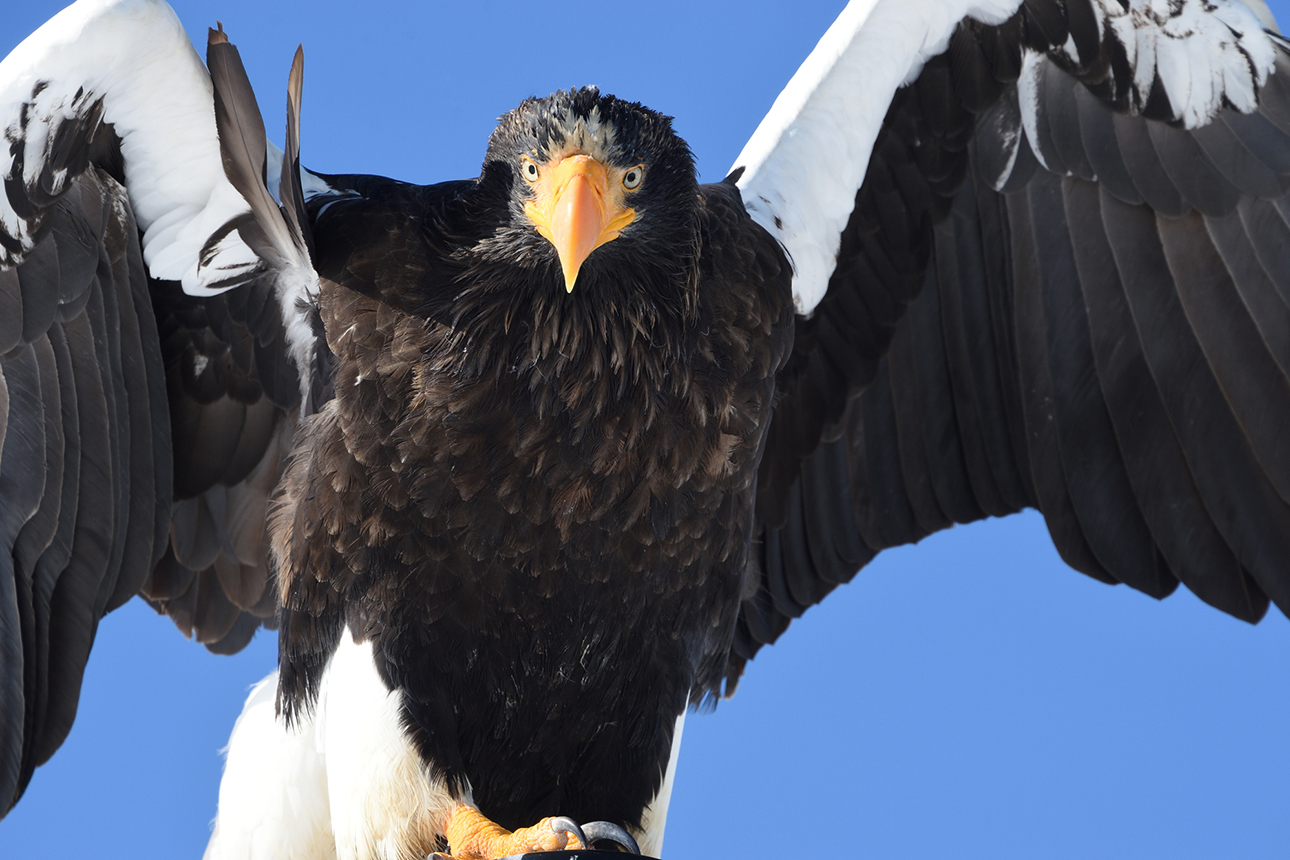
The coldest months of January and February are also recommended, when Steller’s sea eagles and white-tailed eagles gather on frozen Notsuke Bay, snow buntings and common redpolls flock to the withering grasslands, and numerous whooper swans overwinter on the opposite shore.
Due to its importance as a place nurturing so many living creatures, the Notsuke Peninsula has been designated as a Ramsar Convention Wetland.
Similarly, Lake Furen, which straddles Nemuro and Betsukai, is also a Ramsar Convention-designated wetland. It is nationally renowned as one of the premier bird sanctuaries, particularly famous as one of Japan’s largest wintering grounds for swans.
The Notsuke Peninsula Wildflower Garden stretches across the area around Ryujinzaki, centred on Notsuke Cape Lighthouse at the eastern tip of the peninsula. From late May to October, vibrant flowers like irises, Siberian lupin, rugosa roses, and Yezo daylily bloom in succession, delighting visitors who stroll along the nature trails.
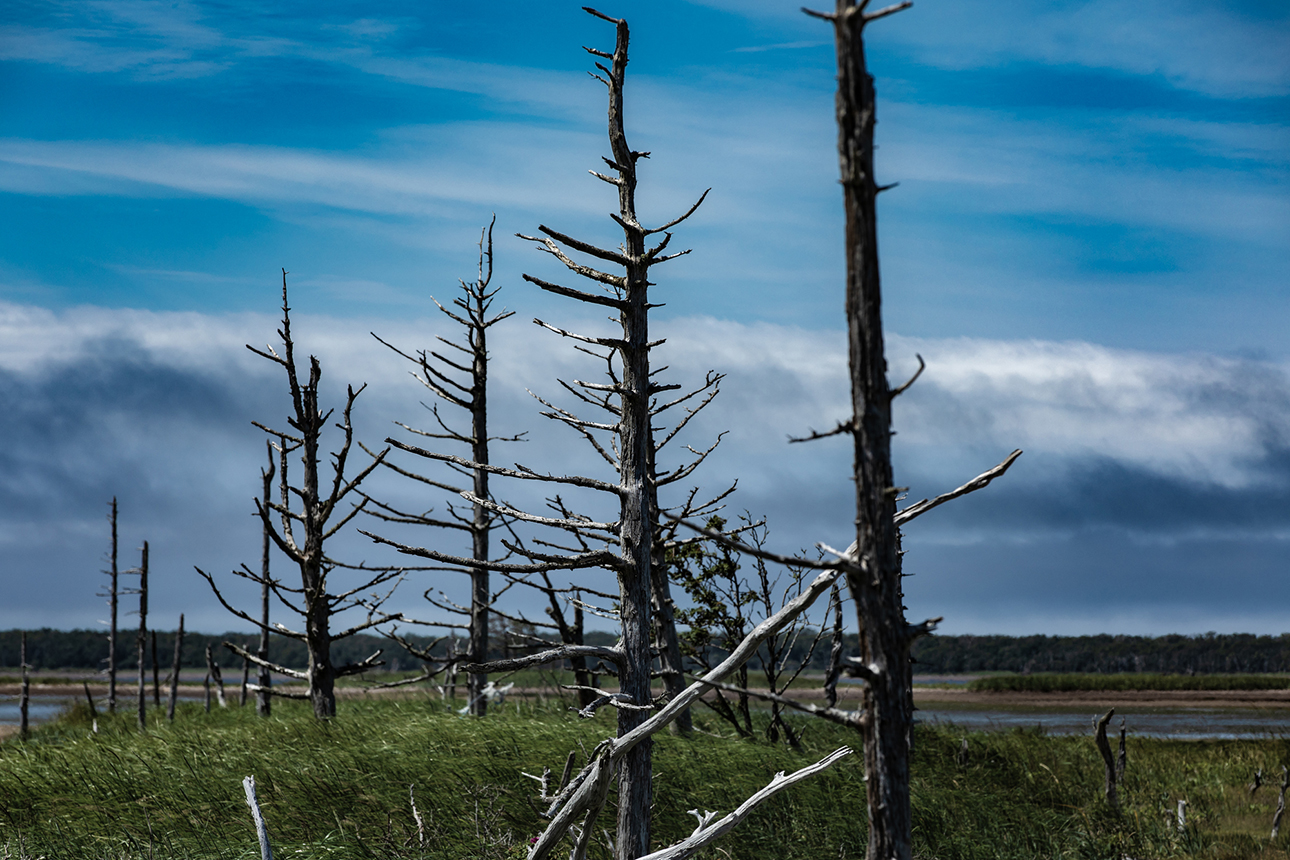
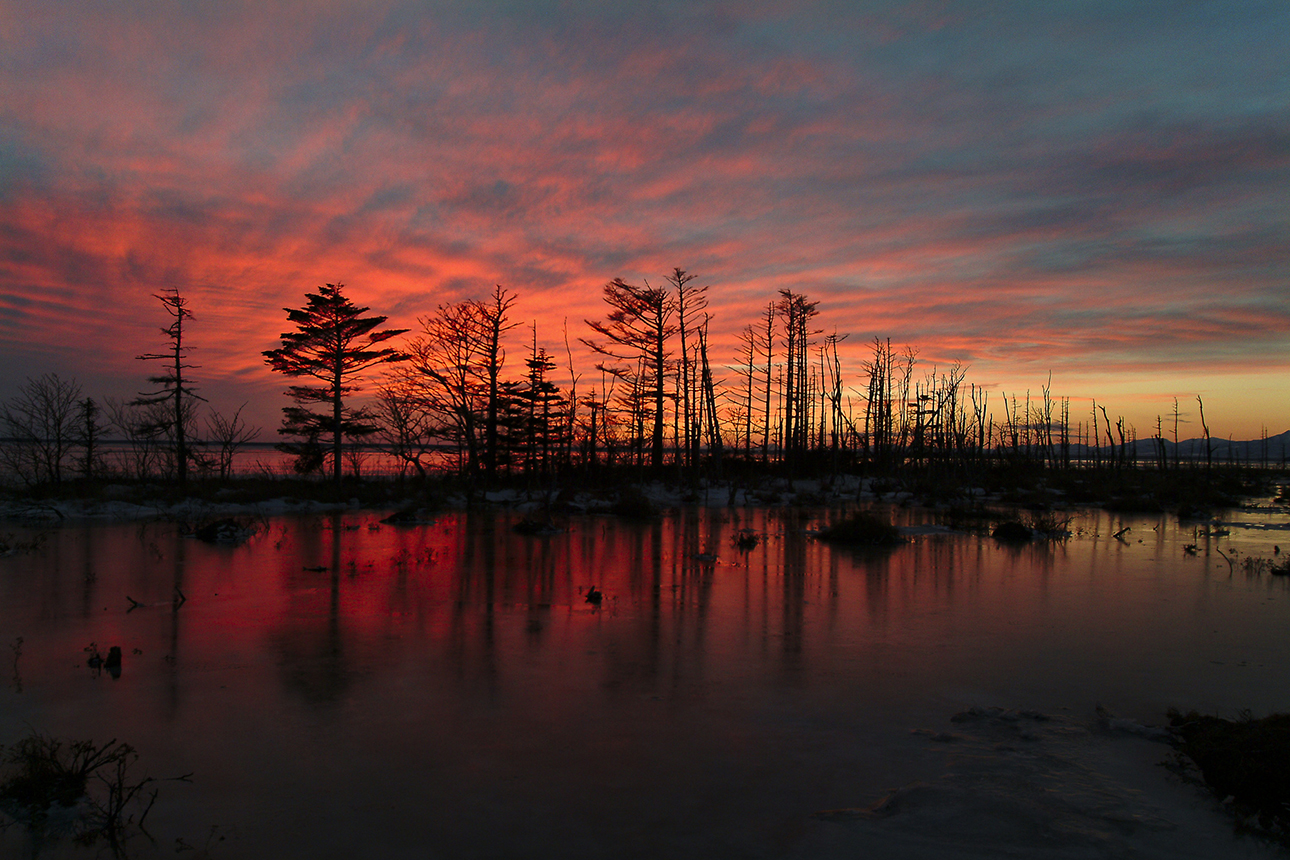
Todowara, near the tip of the peninsula, was once a forest of Sakhalin fir and Ezo spruce. Due to land subsidence allowing seawater to intrude, the trees died off. The vast sky and sea, along with the bleached trunks and branches, evoke a sense of the earth’s end, leaving a deep impression on the viewer while exuding a certain loneliness. Meanwhile, Todowara dramatically changes colour at sunrise and sunset, presenting a particularly fantastical and beautiful landscape. The number of dead trees there has decreased due to weathering, and it is said that this scenery will eventually disappear.
Just before that lies Narawara, where Japanese oak trees dominate. Many dead trees remain standing, creating a fantastic landscape. While Todowara continues to collapse due to weathering, Narawara still retains many dead trees standing vertically, preserving a more primitive and substantial impression of a forest.
Born in a land of extreme cold, an event found only here
In winter, drift ice surges in, freezing Notsuke Bay solid and creating a vast, magnificent world of ice.
Born in such a bitterly cold land is Japan’s first ice marathon, the Betsukai Ice Marathon. This unprecedented challenge of racing across a sea frozen solid at minus 20 degrees Celsius is, in essence, a serious contest between man and nature.
An unforgettable experience and a special encounter with the charms of Betsukai await you.
Other events in Betsukai
The Ice Marathon might be a bit challenging, but Betsukai also hosts other fun events.
In May, there’s a hugely popular littleneck clam digging festival where you can harvest large, meaty clams.
The shrimp festival takes place in June when the summer fishing season for Hokkaido shrimp opens.
In October, the Salmon Festival is held, featuring a variety of events such as a salmon fishing tournament and salmon catching contests.
The normal marathon event is also held in October. The course is flat with very long straight stretches, making it ideal for achieving fast times. Full marathon finishers receive a whole salmon from Betsukai as a commemorative gift.
Transportation and mobility challenges
We believe you can now understand how the charm of Betsukai lies in its vast dairy farming landscape supporting Japan’s top milk production, its rich bounty from the sea encompassing the Notsuke Peninsula, and its world heritage-level wetlands attracting diverse wild birds and animals. It is a quintessentially Hokkaido town rich in nature and cuisine, offering fresh culinary experiences and breathtaking seasonal views.
However, to fully enjoy all that Betsukai, you must overcome a single challenge: transportation. The transportation challenges for tourism in Betsukai include the absence of a railway station, insufficient public transportation due to its vast area, and the necessity of a car to access major tourist destinations such as the Notsuke Peninsula and Lake Furen.
Is a self-drive trip really the best?
At times like these, some people might consider a road trip with a rental car as an option.
But wait a minute. When you really think about it, if you prioritize much more efficiency, peace of mind, and a deeper experience, especially more safety in winter, a private tour with a professional driver is one of the best choices for you.
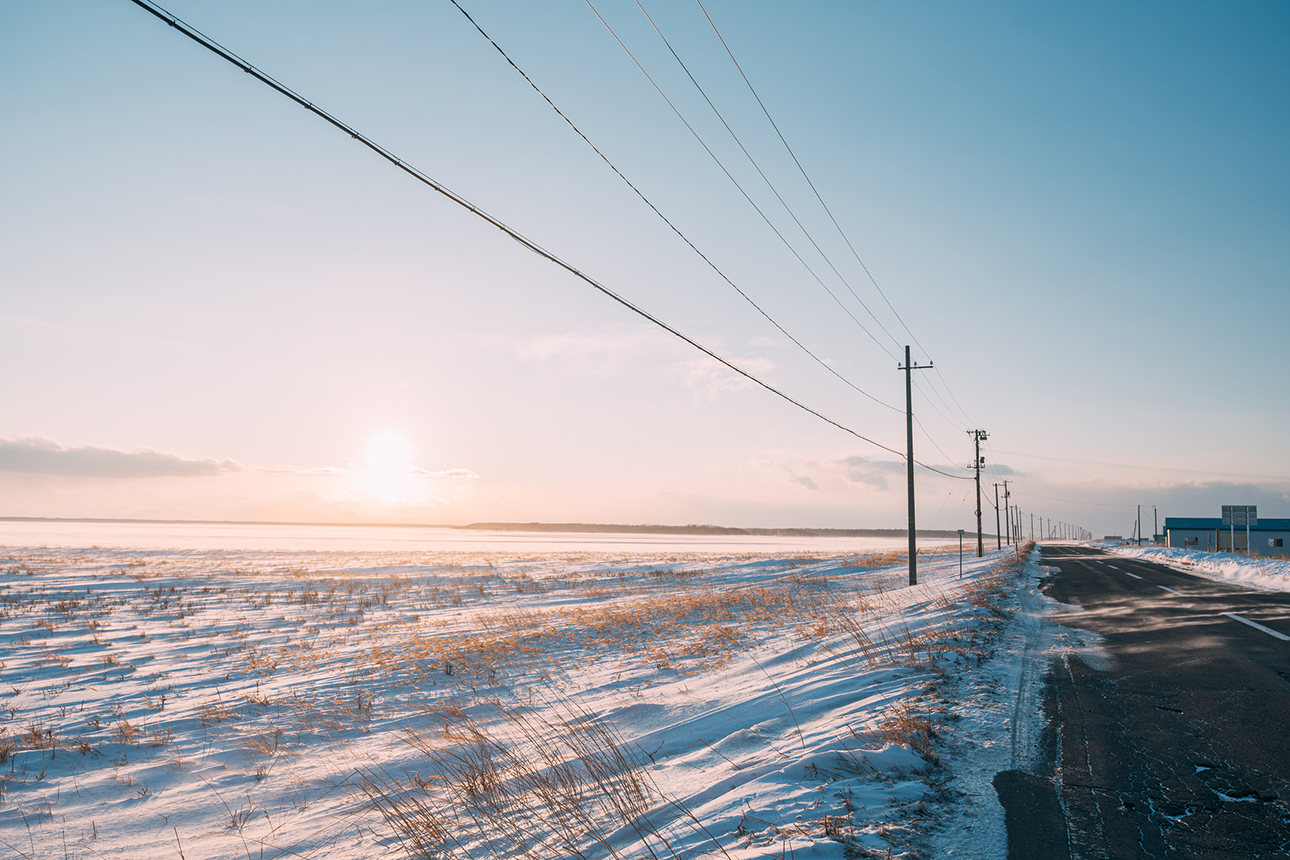
A notable drawback of traveling by rental car in Hokkaido, especially during winter, is the difficulty in handling dangerous road conditions caused by snow and ice.
From winter to spring, road conditions change drastically, increasing the number of factors that cause traffic accidents.
When fresh snow accumulates, the landscape turns completely white, making it difficult to distinguish the road from the shoulder. Snowdrifts and poor visibility also increase the risk of tyres becoming buried in snow, leaving vehicles stranded.
Snow that melts during the day when temperatures rise can refreeze overnight, forming an icy road that causes slippery conditions.
Black ice, which forms especially during cold nights and early mornings, looks like ordinary wet asphalt but is actually covered in ice, making it even more slippery.
Also, when asphalt is visible through gaps in slushy snow, it may seem relatively safe, but ice and snow containing moisture also become slippery.
The best approach for navigating these ever-changing winter roads is to leave it to a professional driver. And if you have a guide who is well-versed in Hokkaido’s history and food cultures, etc. and is fluent in English, it’s like adding an extra string to your bow.
With a professional guide accompanying you, you can plan an efficient route tailored to your preferences based on the day’s weather and road conditions. You can also flexibly accommodate changes to the day’s schedule, including requests for gourmet dining, photography, wildlife viewing, or introductions to dairy farming and fishing.
A tip for your tour
We at Hokkaido Treasure Island Travel Co., Ltd. are passionately committed to providing travellers to our beloved Hokkaido with “the world’s most memorable and moving experiences” through interaction with local communities, and we will always strive to achieve this.
To find a private tour that suits you, it is important to clarify your own objectives and needs while considering your budget and time, together with us.
We can arrange your private tour with a professional driver and a professional guide, which offers unparalleled advantages: complete itinerary flexibility, deeply immersive experiences through expert knowledge, comfortable and safe transportation, discovery of hidden gems, and elimination of language barriers. Their greatest appeal lies in delivering efficient, personalized travel.
We deliver unforgettable experiences brimming with character and joy to you when you seek to create wonderful memories in Hokkaido.