(Written by Isis Berns)
Tokyo is arguably the culinary capital of the world. It holds more Michelin stars than Paris or New York. But ask those top chefs in Ginza or Roppongi where their scallops, their decadent dairy, their melt-in-your-mouth uni, and their premium wagyu come from, and you’ll likely hear one answer repeated over and over: Hokkaido.
So, here is a challenge for the true gourmets out there: Why settle for the “imported” version in Tokyo when you can journey to the source?
In Hokkaido, the seafood isn’t just “fresh”; it was swimming in the mineral-rich seas surrounding Hokkaido hours ago. The vegetables aren’t just “seasonal”; they were sweetened under the winter snow in the very fields you’re looking at. To truly understand the depth of Japanese gastronomy, you have to go north.
But finding the best local spots in Hokkaido, the ones where the farmers and fishermen themselves eat, requires an insider.
Enter Kentaro Miyamori, a Sapporo-born travel consultant at Hokkaido Treasure Island Travel, who is, and I say this with love, absolutely obsessed with food. How obsessed? “I eat about 2.5 go —roughly 4 to 5 cups of cooked rice—a day,” Kentaro admits with a laugh. “Wait, 2.5 cups? Just for yourself?” I asked. “Yes. I cook my rice and make my onigiri every day. I love eating.”

Kentaro is what we call a “reverse import” talent. Born and raised in Sapporo, he also lived in Portland, Oregon. It was there, amidst a different foodie culture, that he looked back at his home and realized something profound: Hokkaido is world-class in cuisine, but the story behind its food wasn’t being told.
Back in Hokkaido, Kentaro started as a food writer and Instagram influencer, introducing Sapporo restaurants to locals. But he realized that a photo on Instagram wasn’t enough. No matter how photogenic or Instagram-worthy a dish was, Kentaro admits, “I realized something: I wanted people to know the deep feelings behind the food, not just that it looks good or is cheap,” he says. “That’s why I became a travel consultant.”
So if you’re a foodie, read on! Whether you are planning a custom Hokkaido tour or just dreaming of your next trip, let Kentaro guide you through the ultimate gourmet itinerary—straight to the source in northern Japan.
Table of Contents:
1. The Philosophy of “Eating the Story”: Why a Tour is More Than Just Transport
– The True Meaning of “Itadakimasu”
2. Sapporo’s Soul Food: The Truth About Ramen (and Soup Curry)
– The History of Miso Ramen
– Why 1,000 Yen is a Steal
– Deep Dive into Ramen: Susukino Nights & The Art of Warming Up
– The “Other” Sapporo Star: Soup Curry
3. The Seafood Frontier: Why the Forest Feeds the Scallops
– A Sample Seafood Itinerary Idea
4. Beyond Sushi: The “Sea Pudding” Challenge
– The “Shishamo Shock”: A Personal Note
5. The Meat Connection: Debunking Myths About Lamb & Venison
– Sapporo vs. Takikawa Style
– The Shiranuka Lamb Experience of a Lifetime
6. Snow Magic: The Secret to Sweet Winter Vegetables
– The Ureshipa Furano Experience
7. Why You Must Visit Hokkaido “Now”: A Story of Sustainability
– Eating the Problem (Deer & Bear)
– A Return to Roots: The Ainu Philosophy
8. Quick Bite: A Foodie’s Map of Hokkaido
9. Seasonal Calendar: What to Eat When
10. How to Build Your Custom Gourmet Itinerary
– The “Full Support” Advantage
– Solo Travelers Welcome
1. The Philosophy of “Eating the Story”: Why a Tour is More Than Just Transport
In the age of social media, we are used to “eating with our eyes.” We see a viral photo of a seafood bowl, pin it to our itinerary, go there, snap a picture, and eat.
But Kentaro believes a true connoisseur, and an actual Hokkaido Foodie trip, needs to go deeper.
“There is always a thought or a feeling behind the food,” Kentaro explains. He tells me a story about interviewing a local teishoku (set meal) shop owner in Sapporo.
For those who haven’t experienced it, a Teishoku is the ultimate Japanese comfort meal. It isn’t just a “combo”; it’s a perfectly balanced tray. It typically includes a main dish (such as grilled fish, hamburger steak, or fried chicken), a steaming bowl of rice, hot miso soup, pickles, and small vegetable side dishes. It’s designed to be nutritionally balanced, incredibly filling, and wallet-friendly. It is the fuel of the Japanese worker.
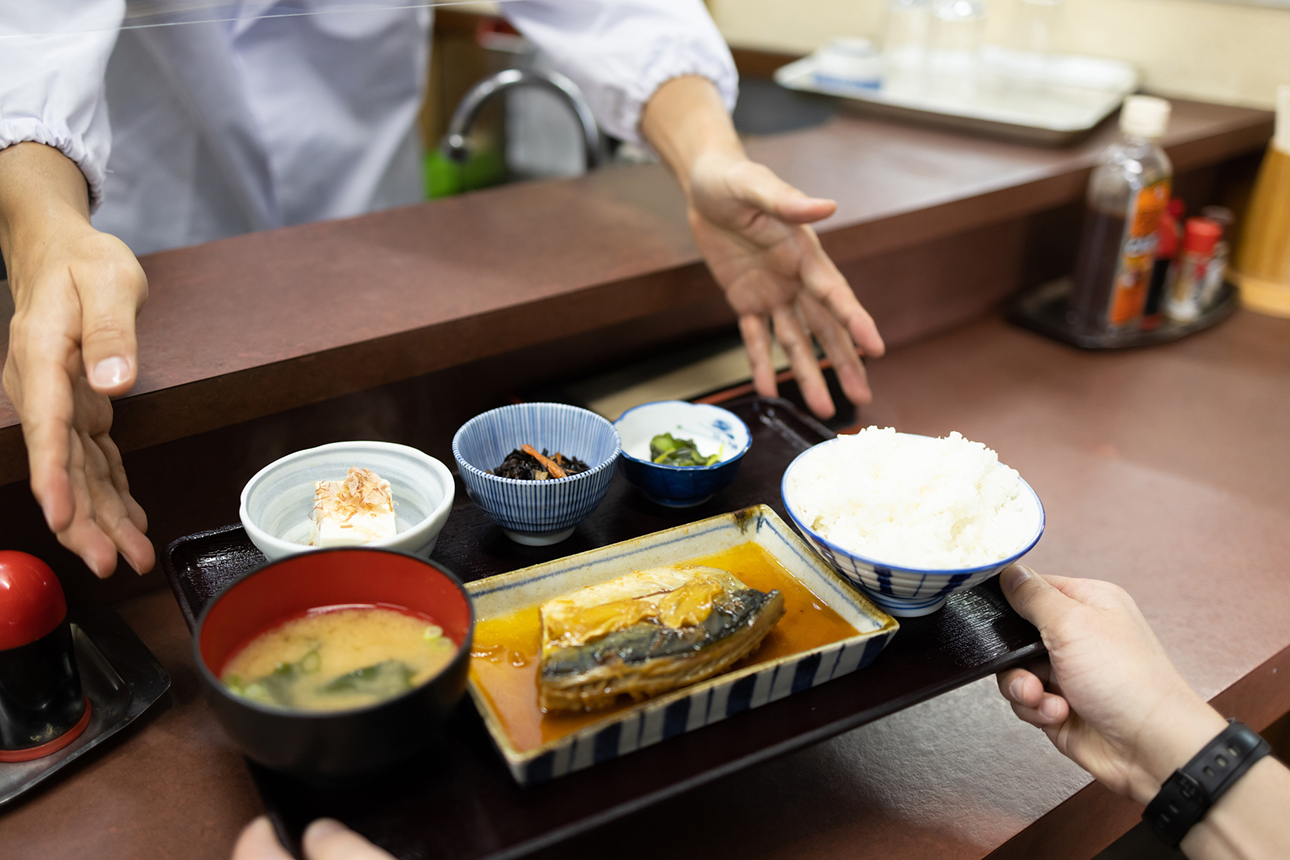
But this specific shop was special. The owner was serving massive portions of Chicken Nanban and Karaage (fried chicken) at a price that seemed too low.
“When I asked him why, he told me he simply wants to nourish the local community,” Kentaro recalls. “He wants to support them. When you know that feeling behind the food, that desire to feed the community, the chicken tastes different. It tastes better.”
This is the core of Kentaro’s philosophy. A tour isn’t just a car ride to a restaurant. It’s a translation service for food that satisfies both the belly and the heart.
The True Meaning of “Itadakimasu”
We also discussed the Japanese phrase “Itadakimasu,” said before every meal, a key component of Japanese culture, so much so that it is among the first words a young child learns to say.
“For many Japanese people, it often means ‘Thanks for the food’ or ‘Bon appétit’, right?” I offered a possible English translation.
“It’s gratitude,” Kentarou corrects gently. “It’s gratitude not just to the cook, but to the ingredients themselves. You are thanking the life of the animal or plant, and thanking everyone involved in bringing it to you.”
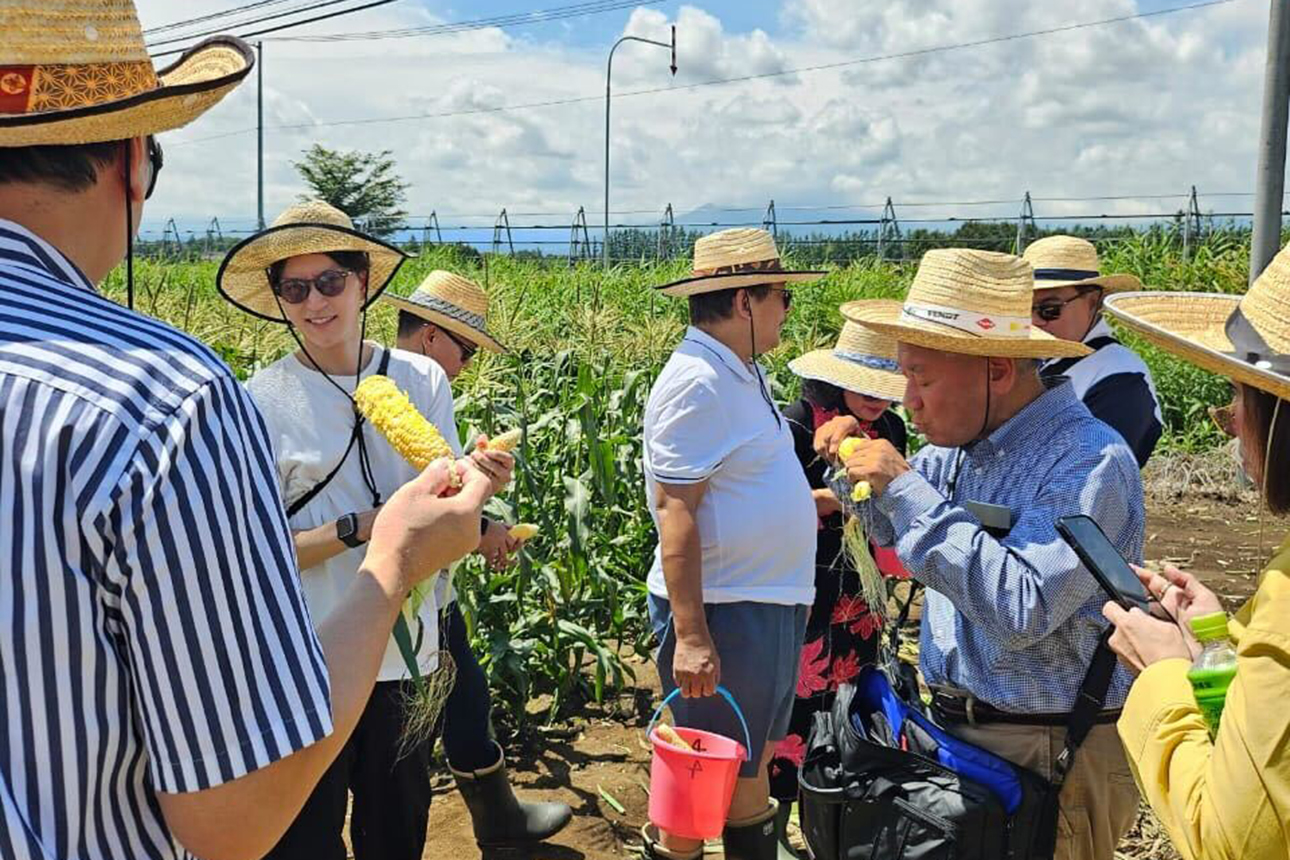
When you join a custom Hokkaido tour with us, we don’t just serve you corn; we take you to the farm. You harvest the crops by hand. You might see the sweat on the farmer’s brow in the summer heat, or watch them heave vegetables up from the freezing ground in late autumn, bundled in thick gloves against the biting cold.
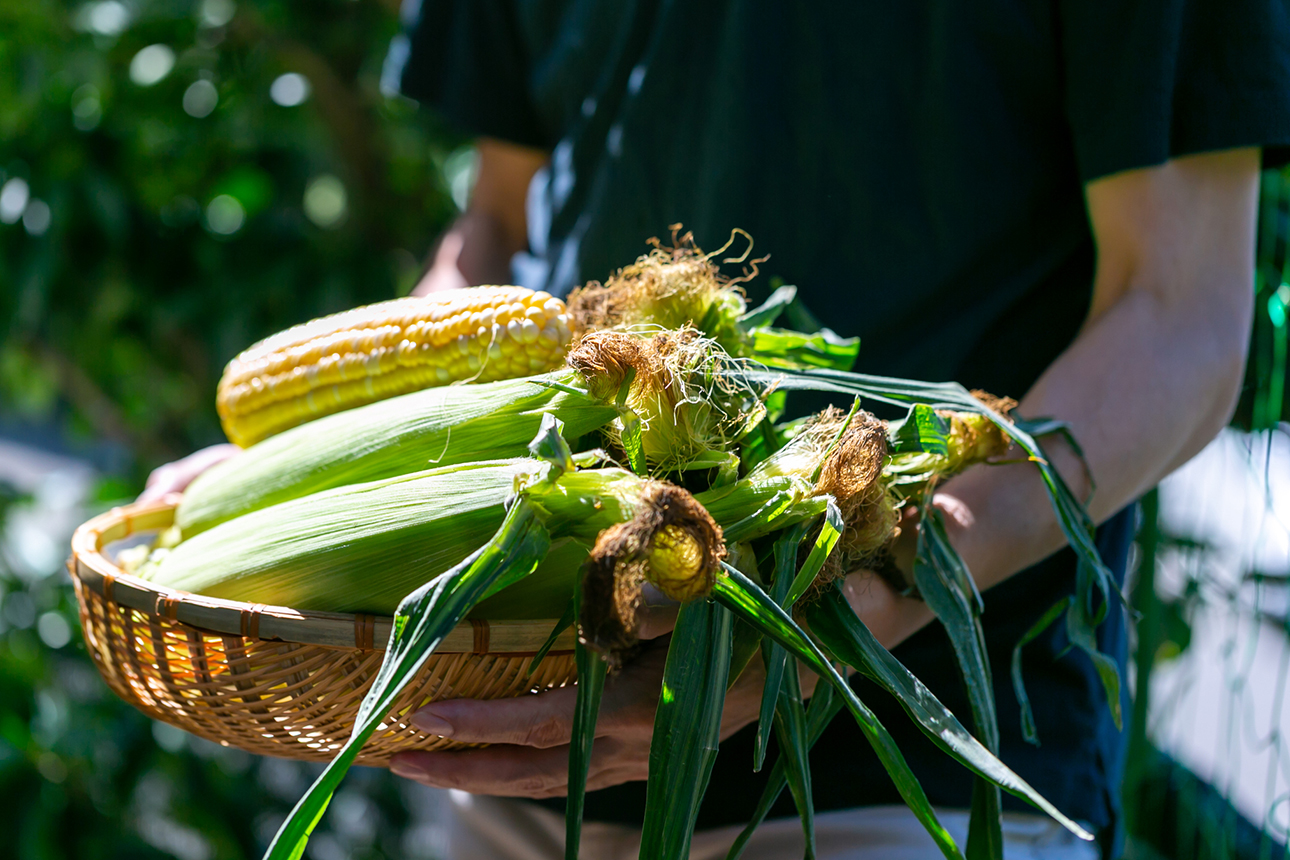
I remember visiting a farm where I saw this firsthand: pulling heavy crops from the nearly frozen earth. It instantly changed my perspective. My gratitude for every bite skyrocketed. You also witness the tight-knit community that makes this possible. One farmer told me that several small local farms pool resources to buy a single plow truck because the machinery is too expensive for a single family. They share the cost and the burden. That thickness of community is the backbone of Hokkaido agriculture, and when you know that story, the taste becomes unforgettable.
“You learn that there is a life behind the food, someone who grew this or took great care of it, and great care in preparing it. That is the real meaning of Itadakimasu,” Kentaro explains.
2. Sapporo’s Soul Food: The Truth About Ramen (and Soup Curry)
You cannot write a Sapporo travel foodie guide without mentioning ramen. For Kentaro, this isn’t just a tourist dish; it’s the fuel of his youth.
“I was in the tennis club in high school,” he recalls. “After some late practice nights, we would all go eat ramen. It was about 1,000 yen, which was expensive for a student with a 5,000 yen monthly allowance! But it was our soul food.” It isn’t just the flavor of the food, it’s the memories behind it that make a lasting impression. We’d love to help you find your new favorite ramen shop in Hokkaido with your friends and family.
<Travel Tip> : Kentarou suggests that even within Sapporo, every shop is different in flavor. Some use local ingredients from Tokachi; others focus on specific noodle textures. A private tour guide can recommend the shop that fits your specific palate.
The History of Miso Ramen
Sapporo is famous for Miso Ramen, but do you know why?
“Warm noodles have been popular in Sapporo for a long time, but it wasn’t miso flavor initially,” Kentaro explains. “There is a shop called ‘Aji no Sanpei’ in central Sapporo. That is where Miso Ramen started.”
The legend begins at the ramen joint, Aji no Sanpei, in central Sapporo. Post-war customers, seeking extra warmth and nutrition in the freezing northern winter, asked the chef to add miso—a staple of Japanese home cooking—to the original ramen broth. It became a sensation that defined the city.

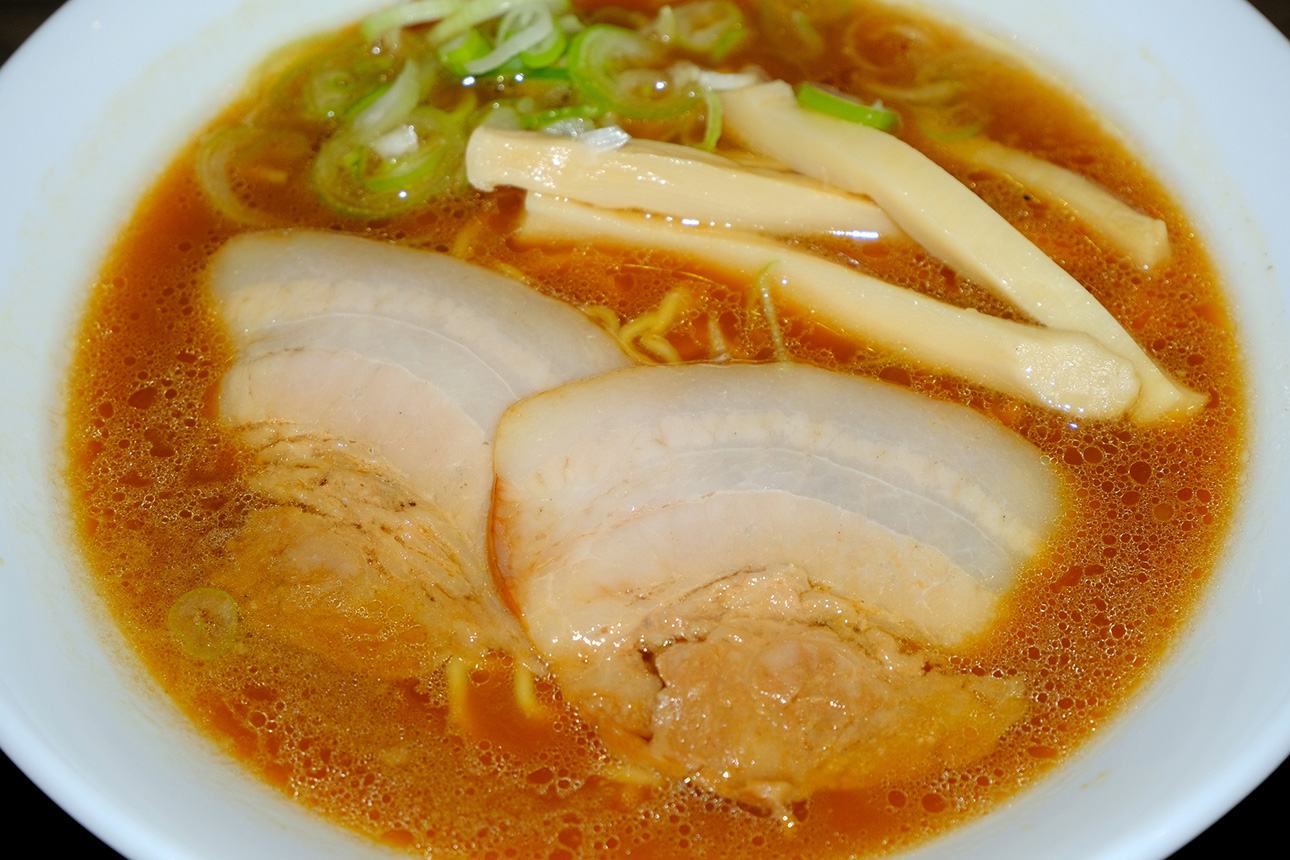
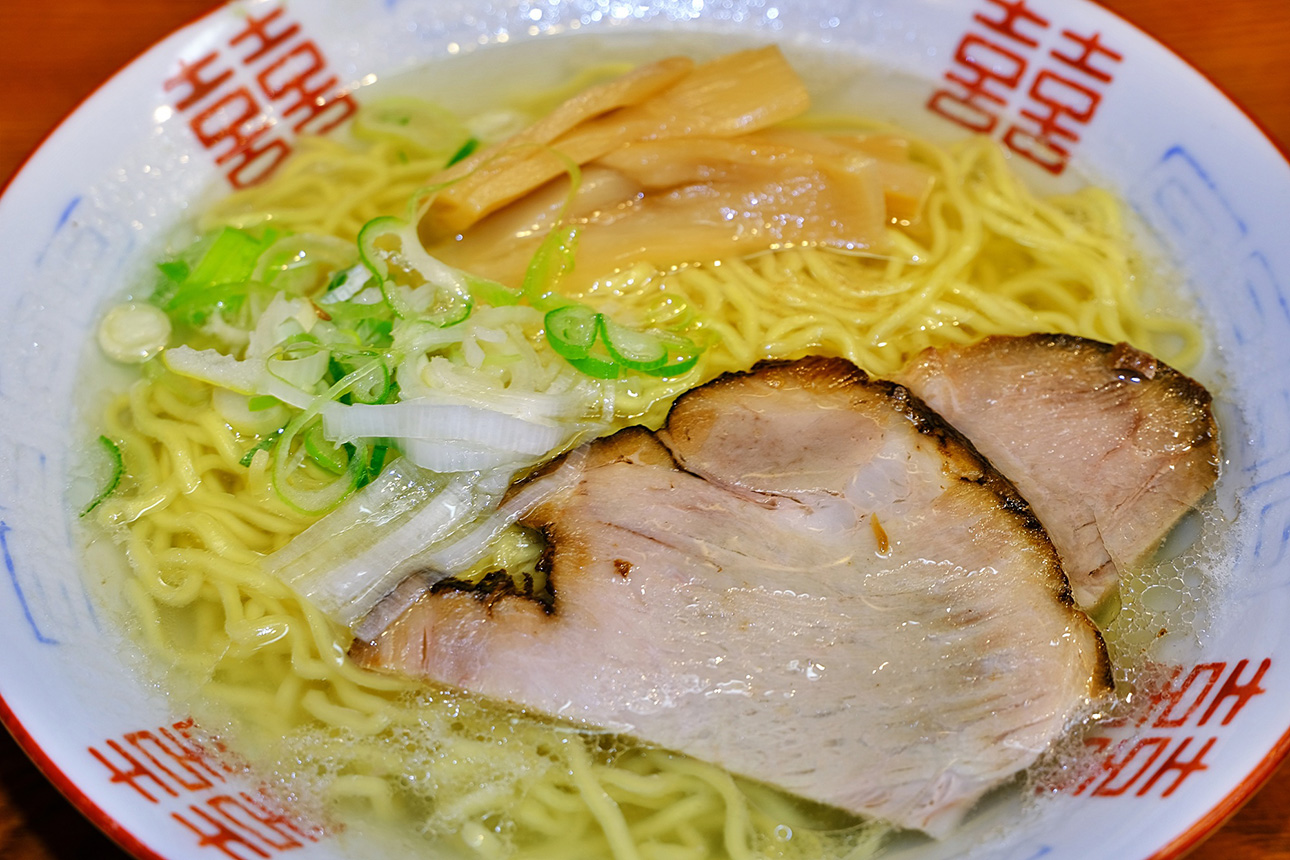
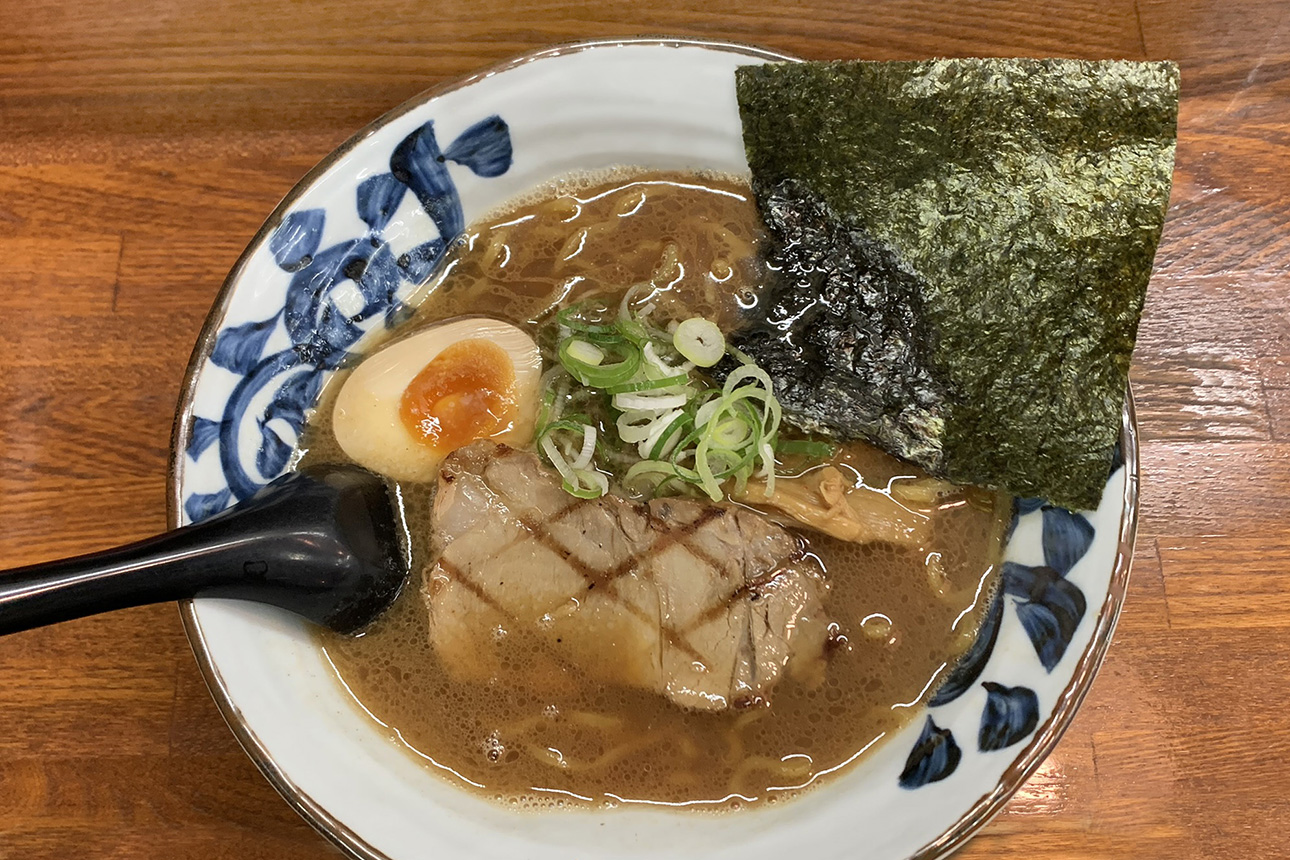
But don’t stop your noodle journey in Sapporo city! Hokkaido is a “Ramen Kingdom,” with flavor profiles that vary by region. While Sapporo claims the Miso crown, the northern city of Asahikawa is known for a soy-based pork-and-seafood broth, deep yet clean, and the southern port city of Hakodate is legendary for its clear, delicate Salt (Shio) ramen. Venture further east to the port of Kushiro, and you’ll find a distinct style featuring ultra-thin, curly noodles in a light, seafood-based soy broth—originally designed to cook quickly for hungry fishermen! And near Lake Mashu, Teshikaga Ramen has become a modern legend for using the region’s pristine water and local pork to create an intensely flavorful soup.

Why 1,000 Yen is a Steal
“Ramen is often seen as fast food,” Kentarou says. “But the amount of effort, like the soup simmering for hours, the specific noodles often made with Hokkaido flour, the ingredients… for such a filling meal with carbs, meat, and vegetables, it’s unbelievable that it’s only 1,000 yen.”
“I’ve heard rumors that in America, some ramen goes for 4,000 yen!” I jumped in, shocked.
“Exactly! But thinking about it, that price reflects the chef’s effort.” Kentarou admires.
Deep Dive into Ramen: Susukino Nights & The Art of Warming Up
If you are in Sapporo, the day doesn’t end when the sun goes down. In fact, that is when the city’s heart starts beating the loudest.
Welcome to Susukino, the largest entertainment district north of Tokyo. Walking here at night is a psychedelic experience. Thousands of neon signs, advertising crab feasts, karaoke bars, and whisky lounges, reflect off the piles of white snow on the sidewalks, creating a glowing, cyberpunk winter wonderland. During these snowy months (usually November to March), the air is crisp and biting, usually hovering well below freezing, which makes the hunt for warmth not just a desire, but a survival instinct.
This is where you find Sapporo’s Ganso Ramen Yokocho (Original Ramen Alley). Tucked into a narrow slit between buildings, this legendary alleyway is famous for one thing: over a dozen shops packed door-to-door, serving the ultimate winter antidote.
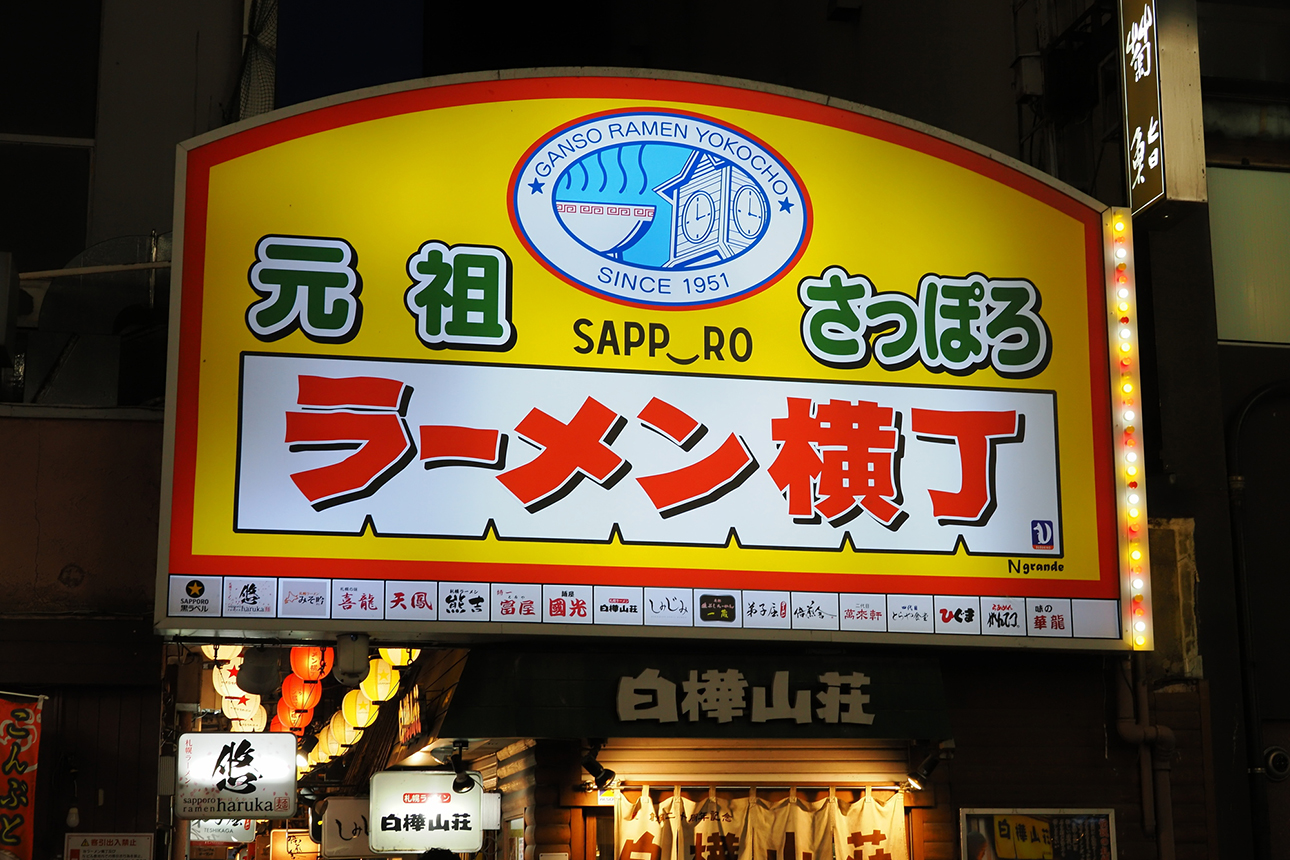
The “Lard Blanket”Phenomenon
When you slide open the wooden door of a ramen shop, your glasses instantly fog up. You are hit with the heavy, savory scent of pork bones, garlic, and roasting miso. You squeeze onto a tiny counter stool, shoulder-to-shoulder with locals.
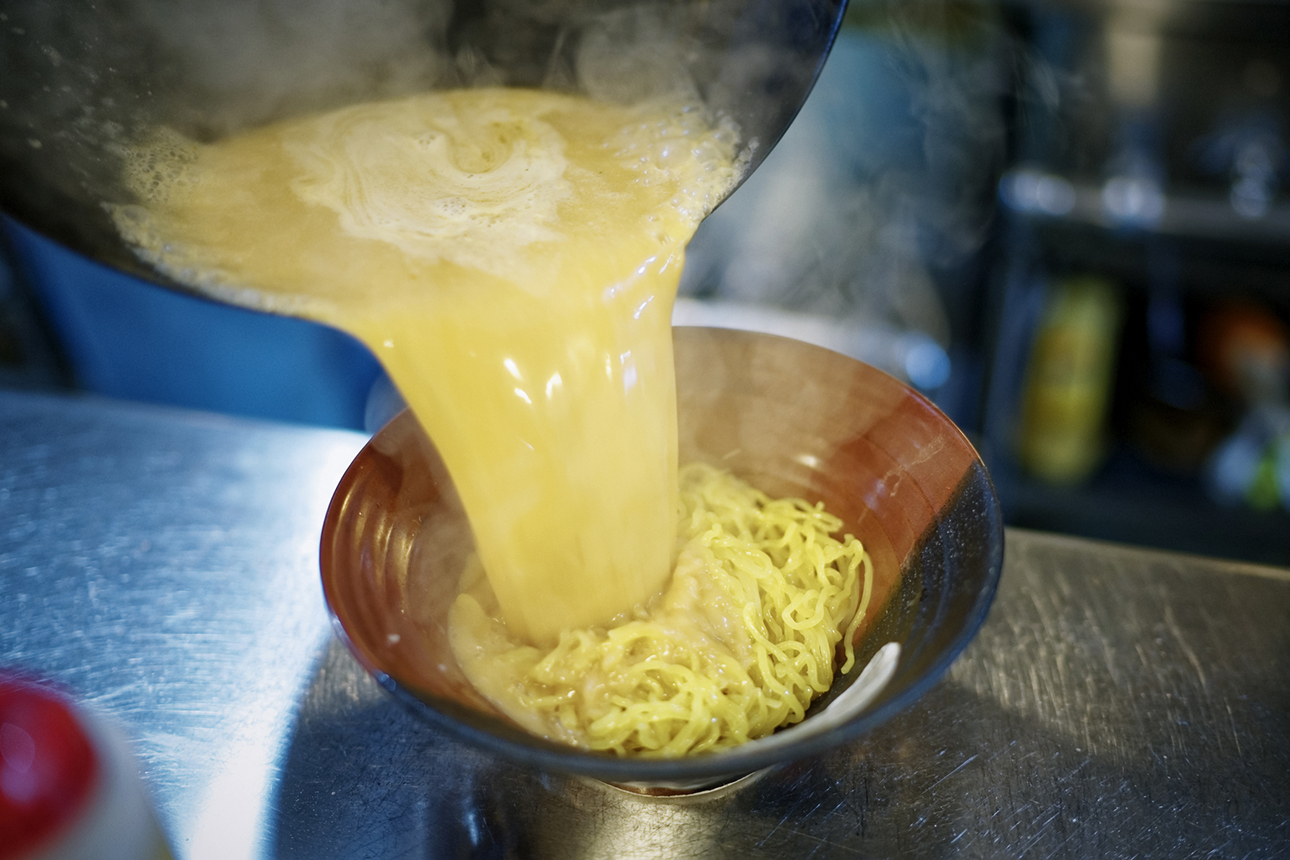
When the bowl arrives, pay attention. Authentic Sapporo Miso Ramen often looks deceptively calm. There might be very little steam rising from it initially. Do not be fooled. “This is a trap,” Kentarou and I joke together. Sapporo chefs traditionally float a layer of lard (pork fat) on top of the soup. This isn’t just for flavor; it’s an insulating blanket designed to trap the heat inside so the soup stays piping hot until the very last sip, even in sub-zero weather.
The Battle of “Nekojita”
This brings us to a unique Japanese concept: Nekojita. Literally translating to “Cat Tongue,” it refers to people who are sensitive to hot food and cannot eat piping-hot things. If you have Nekojita, Sapporo ramen is your delicious nemesis.
You break the surface of the soup with your chopsticks, and suddenly—whoosh!—the trapped steam escapes like a geyser. The noodles are lifted, glistening with golden oil and soup. You blow on them frantically, trying to cool them down, but the “lard blanket” does its job too well. “It burns, but it’s so good you can’t stop,” is the common review.
Is Ramen… Healthy?
Now, a nutritionist might tell you that a bowl of salty, fatty, carb-heavy soup late at night isn’t “healthy.” But in a Hokkaido winter, the locals will joke that it’s medically necessary. That layer of oil coats your throat. The ginger and garlic in the miso broth kickstart your circulation. The heat radiates from your stomach, spreading to your frozen fingertips and toes. You aren’t just eating dinner; you are refueling your internal furnace.
Walking back out into the freezing Susukino night after a bowl of this “Hokkaido medicine,” you realize something amazing: you aren’t cold anymore. You are invincible.
The “Other” Sapporo Star that Should be on Your Foodie Radar: Soup Curry
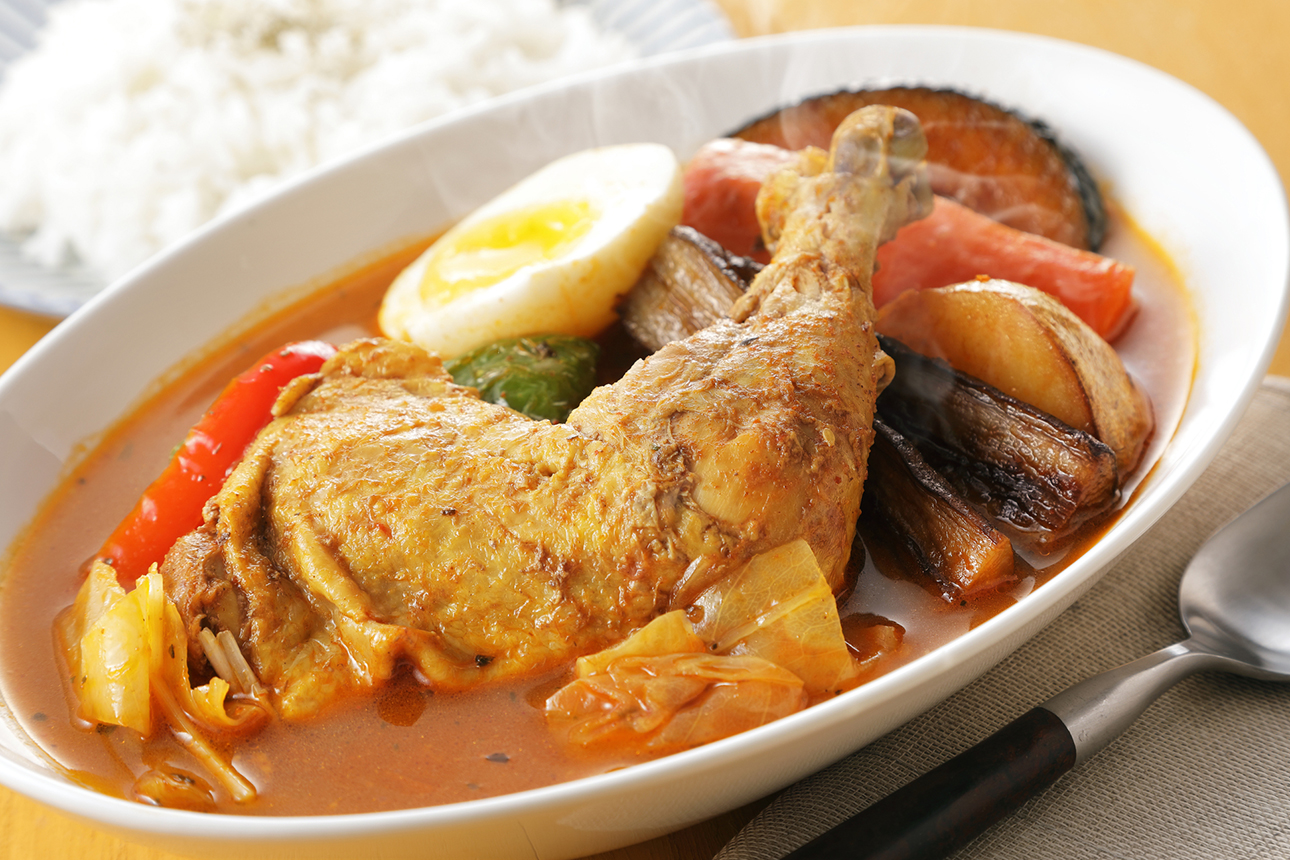
While Kentarou is a ramen devotee, no Hokkaido travel itinerary is complete without Soup Curry. Unlike the thick curry roux found in the rest of Japan, Sapporo’s signature dish is a fragrant, spicy broth loaded with flash-fried vegetables and succulent meat.
Think of it as designing your own “buffet in a bowl.” The customization is incredible:
① The Base: Choose your broth profile—rich tomato, savory shrimp, or a creamy coconut base.
② The Heat: Select your spice level, ranging from a mild “zero” to a fire-breathing “100.”
③ The Main: Will it be the classic chicken leg so tender it falls off the bone, or perhaps crispy-skinned roasted pork belly?
④ The Veggies: You can stick to the basics or go all-in with a rainbow of over 20 seasonal varieties.
⑤ The Rice: Even the rice portion is up to you, often served with a slice of lemon for zest.
I used to think choosing between the four main ramen flavors (miso, salt, soy, pork) was a tough decision, but Soup Curry takes customization to a whole new level! It is definitely an experience, not just a meal, and as a Sapporo local now for over 15 years, it is one of my absolute personal favorites that I highly recommend adding to your Sapporo itinerary.
3. The Seafood Frontier: Why the Forest Feeds the Scallops
Hokkaido is often called a “Treasure Chest of Food” (Shoku no Hoko). But why is the seafood here better than anywhere else?
“It’s the terrain,” Kentarou answers immediately. “The sea surrounds us, but we also have vast forests.”
He cites Toyoura, a town famous for its scallops (Hotate) in Funka Bay.
“Toyoura has a bay, but forests surround it. The nutrients from the forest flow into the sea, and those nutrients feed the scallops.”
This is a biological miracle. The minerals from the falling leaves and rich soil wash into the ocean, creating plankton that makes the scallops sweet, thick, and creamy.
“When we take guests on a trip to Toyoura, we don’t just eat scallops. We explain this cycle. We might even visit the fishing port to see the fishermen bringing the scallops in.”

A Sample Seafood Itinerary Idea
Imagine a custom Hokkaido tour focused entirely on the ocean:
<Day 1: The Herring History of Otaru>
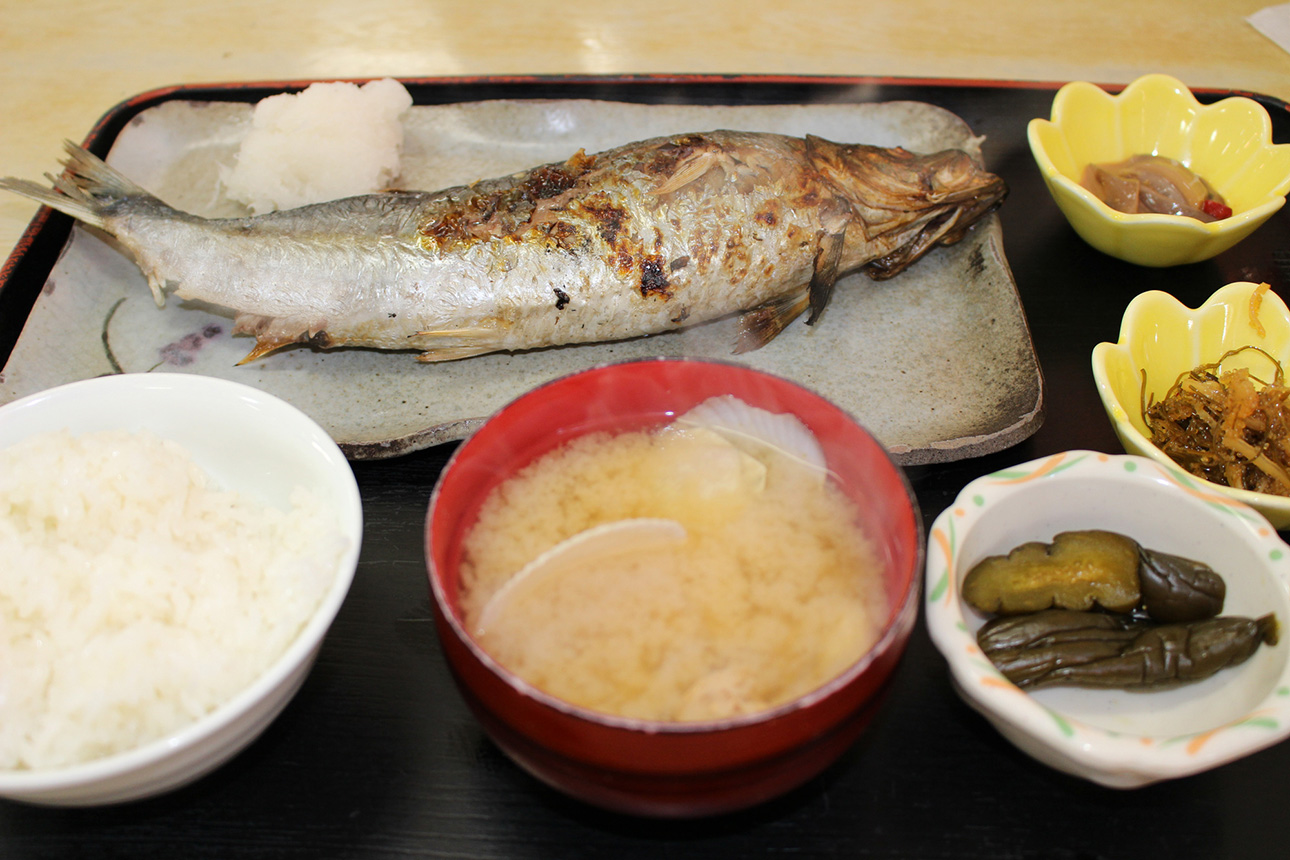
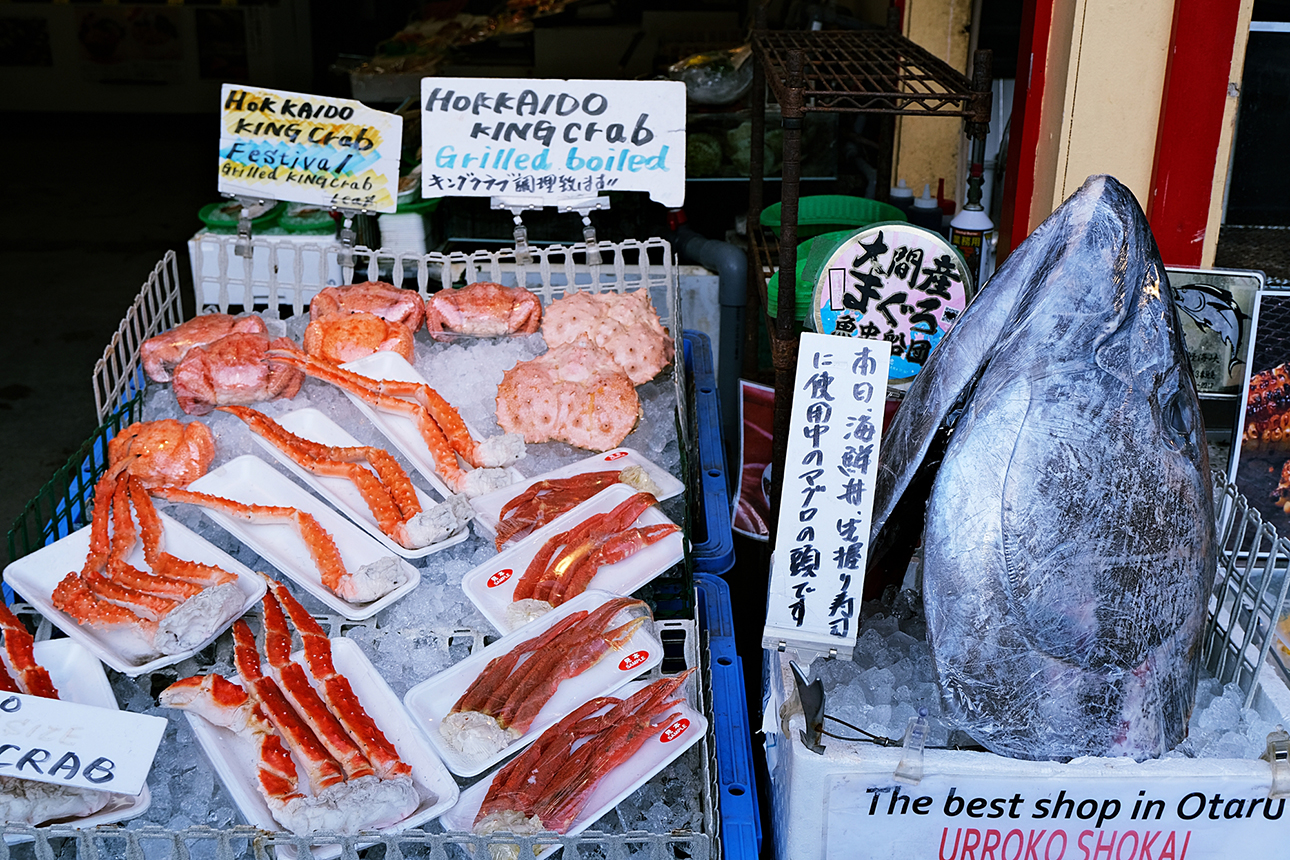
Depart Sapporo with your private driver for a day trip to the port city of Otaru. Start by feasting on massive, fresh herring (Nishin) at a local Teishoku (set meal) restaurant—a taste you can’t get anywhere else. Visit the Otaru Museum of History and Nature to learn how a single fish once made Otaru the richest city in northern Japan, creating its own “Wall Street of the North.” Today, this historic area is the famous Sakai-Machi shopping street. It is now lined with hundreds of local shops, perfect for grabbing something sweet (like the famous LeTAO cheesecake) or savory (grilled butter scallops or Wagyu-Uni sushi). You can shop for unique souvenirs, from handmade “dripless” glass soy sauce bottles to personalized engraved chopsticks. Finally, step back in time to experience the glory days by visiting a preserved “Herring Mansion” (Nishin Goten), the opulent former home of a fishing tycoon.


<Day 2: The Scallop Fishermen of Toyoura>
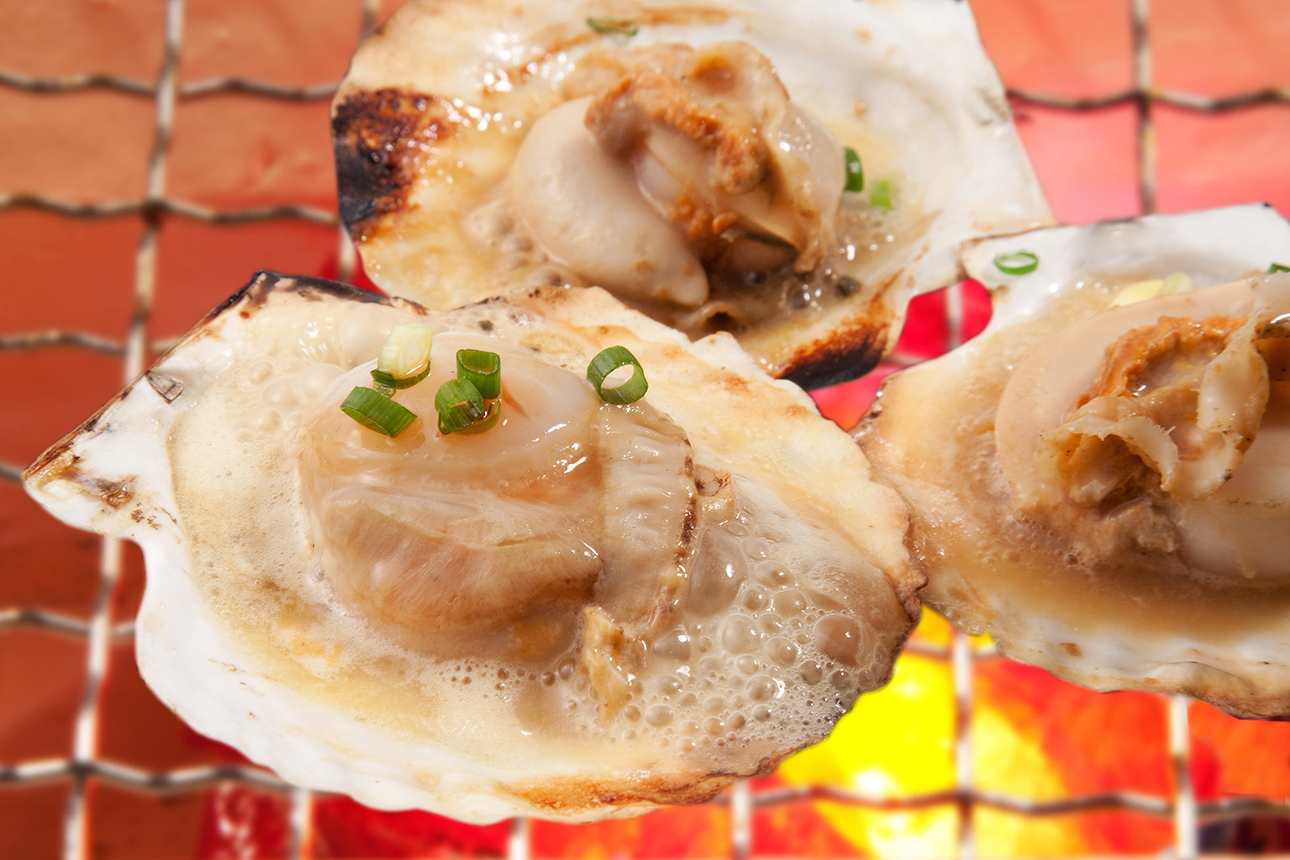
Travel south to the town of Toyoura on Funka Bay. Here, you won’t just watch; you will meet a local scallop fisherman. Depending on the season (check with Kentarou for the best timing!), you might experience a “rope-cutting” harvest or help with the work. Afterward, enjoy the ultimate luxury: a BBQ of fresh scallops right by the ocean, or a home-cooked meal prepared by the fishermen’s wives and mothers using local ingredients.
The Hokkaido Treasure Island Travel Advantage: Our private drivers ensure you can enjoy pairings of local sake with your seafood feast without worrying about navigation or driving.
4. Beyond Sushi: The “Sea Pudding” Challenge
One of the joys of a Hokkaido tour is challenging your palate.
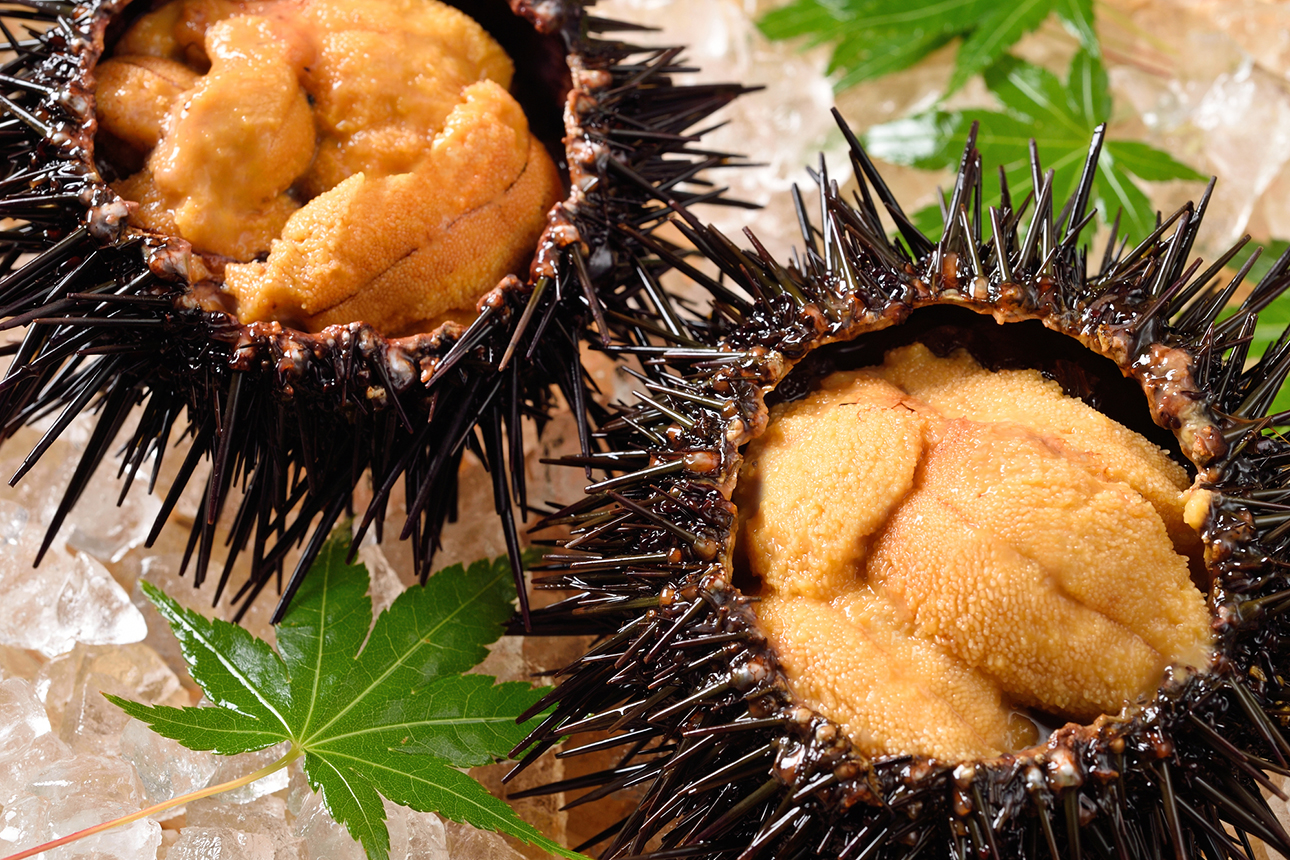
“There are many foods that look scary to foreigners,” Kentarou laughs. “Like Uni (Sea Urchin). It’s black and spiky!”
He tells a fun story about guiding guests from Singapore. They had never seen fresh Uni and asked, “Is that food?”
“I told them, ‘This is Sea Pudding!’” Kentarou says. “It’s sweet, creamy, and melts in your mouth.”
The guests tried it. They cracked the black spikey shell with a local guide, took out the orange meat, dipped it in soy sauce… and fell in love. “They realized it really is sweet!” Who would have thought; Uni as the ocean’s dessert.
The “Shishamo Shock”: A Personal Note
I completely understand that hesitation. I personally come from Toronto, Ontario, Canada. We have the Great Lakes, but we are far from the ocean. Before moving to Hokkaido, my seafood palate was basically deep-fried shrimp, period. Maybe a King Salmon California roll if I was feeling adventurous as a teenager.
After graduating university, I moved to Shiranuka Town, a fishing village in eastern Hokkaido, to work as an Assistant Language Teacher (ALT). At the elementary schools, lunch was provided daily, and it was a crash course in marine biology. It was rare to have a meal without seafood.
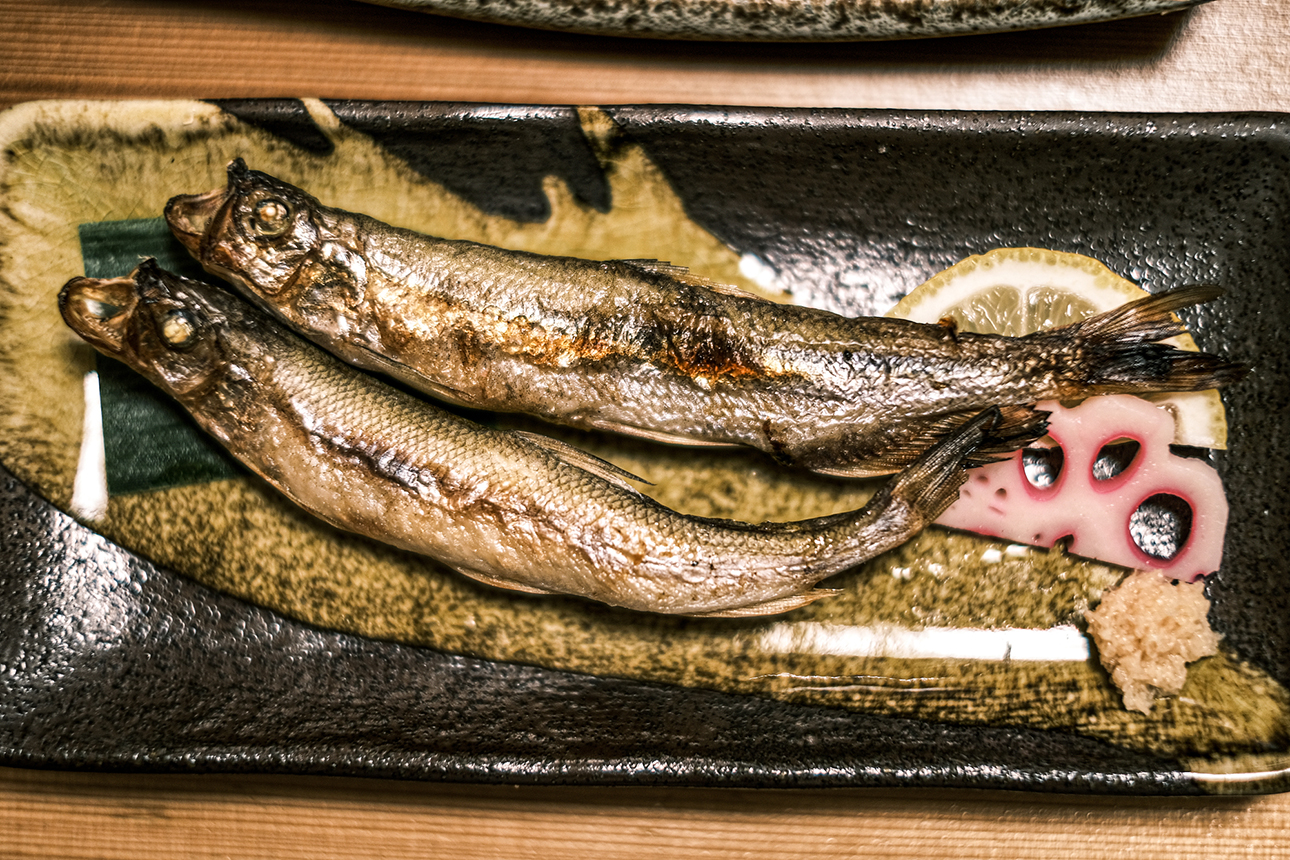
I stared down mini fried fish (Shishamo) that were served whole—eyes, bones, and all! There was squid and octopus in the spaghetti, baby scallops in the miso soup, and crab in the ramen. On some days, even my bowl of white rice had tiny white fish sprinkled on top.
I still remember the young children exclaiming, “Sensei! Isis-sensei isn’t eating all of her lunch!” I was so unaccustomed to Hokkaido’s variety back then that I couldn’t fully appreciate the rich umami flavors. I was honestly scared to try it! But just like Kentarou’s guests with the “Sea Pudding,” once I took that leap of faith, I discovered a world of flavor I had been missing in my life, and now I can’t live without it.
5. The Meat Connection: Debunking Myths About Lamb & Venison
If you love BBQ, you must try Jingisukan (Genghis Khan), Hokkaido’s famous grilled lamb dish. But many travelers are hesitant at first.
“They think lamb smells bad or gamey,” Kentarou admits. “But the way the local Hokkaido restaurants marinate the meat in sauce is completely different. It’s a whole new flavor I wish everyone could try at least once.”
Sapporo vs. Takikawa Style
Did you know there are different styles of Jingisukan?
<Sapporo Style>: You grill fresh, unseasoned lamb and dip it in sauce after grilling.
<Takikawa Style>: The meat is marinated in a fruit-based sauce (often apple or pear) before grilling.

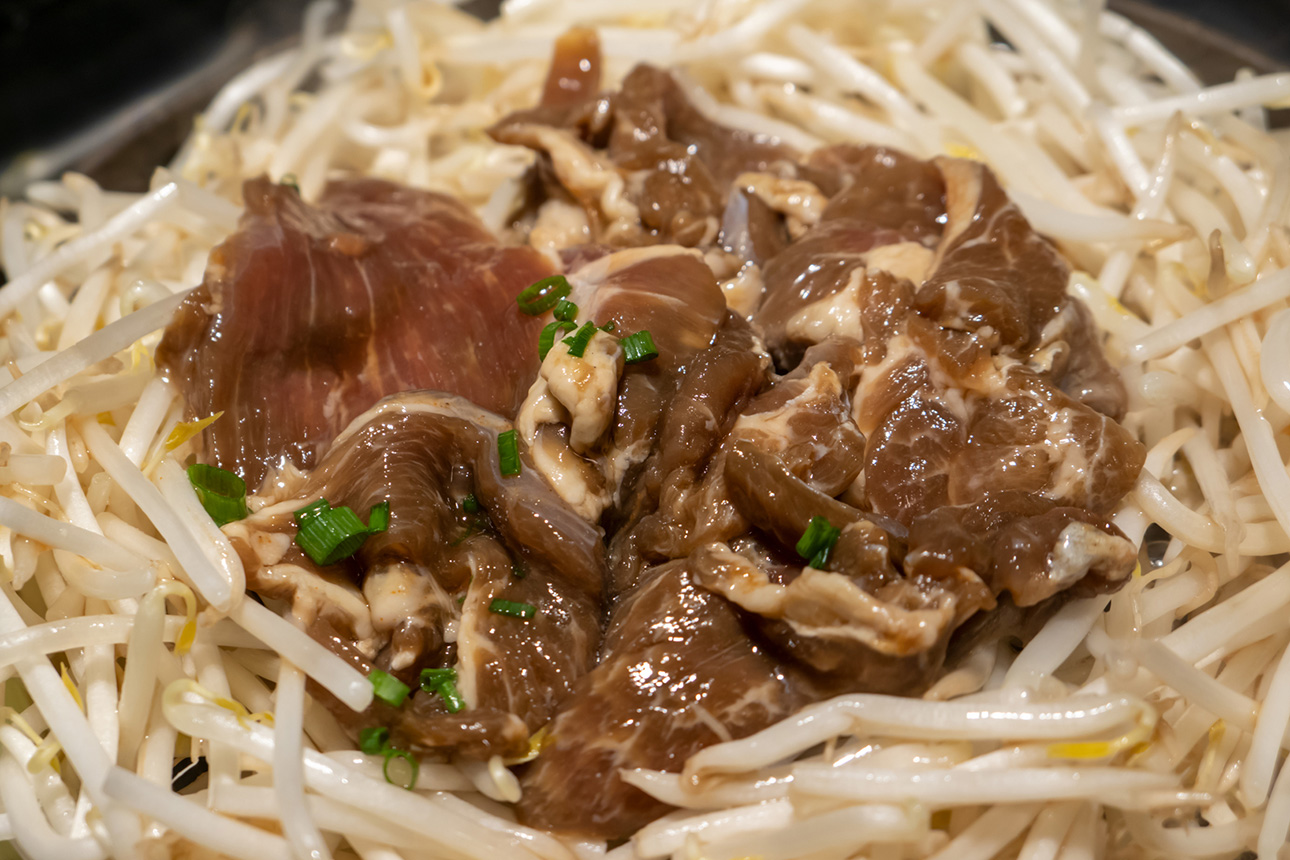
“If you are worried about the smell, try the Takikawa style (like Matsuo Jingisukan),” Kentarou advises. “The sauce is sweet and removes any gamey flavor. It’s great with rice—you too, can probably eat 2 cups of rice just with this!”
“And the lamb in Hokkaido, especially from Shiranuka Town, is different.” I proudly share as a former ALT, having lived in Shiranuka for two years.
The Shiranuka Lamb Experience of a Lifetime
“The lamb from Shiranuka is the best I’ve ever had,” I share passionately. “It’s so good it has even been featured on premium airline menus in Japan. There is absolutely no gamey smell.”
On a custom Hokkaido tour, why not go beyond the restaurant?
As a tour guide and local Hokkaido TV reporter, I’ve experienced this first hand. “I once did a tour where we visited a sheep farm in Hokkaido.” I explained. “We actually tried sheep shearing! The farmer held the sheep, and the guests sheared the wool. It was warm and fluffy.” After that, we went to a restaurant to eat the lamb, and it was truly one of the best lamb chops I’ve ever had in my life. You can feel the love that the farmers pour into the sheep; raising them, caring for them, and appreciating their life with “Itadakimasu.”
It sounds intense, but it connects you to the reality of the food. The guests loved it. The dogs on the farm were clever, the sheep were cute, and the meat was delicious. It changed my perspective on lamb meat forever.
6. Snow Magic: The Secret to Sweet Winter Vegetables
Hokkaido is a winter wonderland, but did you know the snow is actually a farming tool?
“We have something called ‘Yukishita’ (Under-Snow) vegetables,” Kentarou explains.
Farmers in towns like Furano leave cabbages and carrots in the ground under the snow, or bury them in the snow after harvest.
“It acts like a natural freezer,” Kentarou says. “But the amazing thing is the taste. The vegetables fight the cold by producing more sugar so they don’t freeze. They become incredibly sweet.”
The Ureshipa Furano Experience
Kentarou recommends a specific activity in Furano called Ureshipa Furano.
“You dig up the cabbage from under the snow yourself. Then, you make a pot-au-feu (stew) right there in the snowfield.”
It is the ultimate gastronomy experience. You aren’t just eating a vegetable; you are tasting the winter itself.
7. Why You Must Visit Hokkaido “Now:” A Story of Sustainability
Toward the end of our interview, the conversation turned serious—and raw (no sushi pun intended).
“If you want to experience authentic Hokkaido food, you should come now,” Kentarou encourages.
Climate change is altering the landscape in ways we can no longer ignore. In fact, I recently narrated a documentary for a major Japanese broadcaster on this very subject, so his words rang especially true to me. The program highlighted a stark reality: “The fish in the oceans surrounding Japan are changing. Fishermen are struggling because they have to buy new equipment for different species of fish.”
It’s not just the climate; it’s the people. Both fishermen and farmers are facing a critical shortage of successors. The beautiful scenery we admire and the delicious food we discover are maintained by these people, trained for generations in the trade. These are often family-run operations, and finding someone to take over the family business is not easy.
When you hear these struggles firsthand, the food tastes different. You realize that by visiting now and eating these local flavors, you aren’t just a tourist; you are a supporter helping to keep these traditions alive.
Eating the Problem (Deer & Bear)
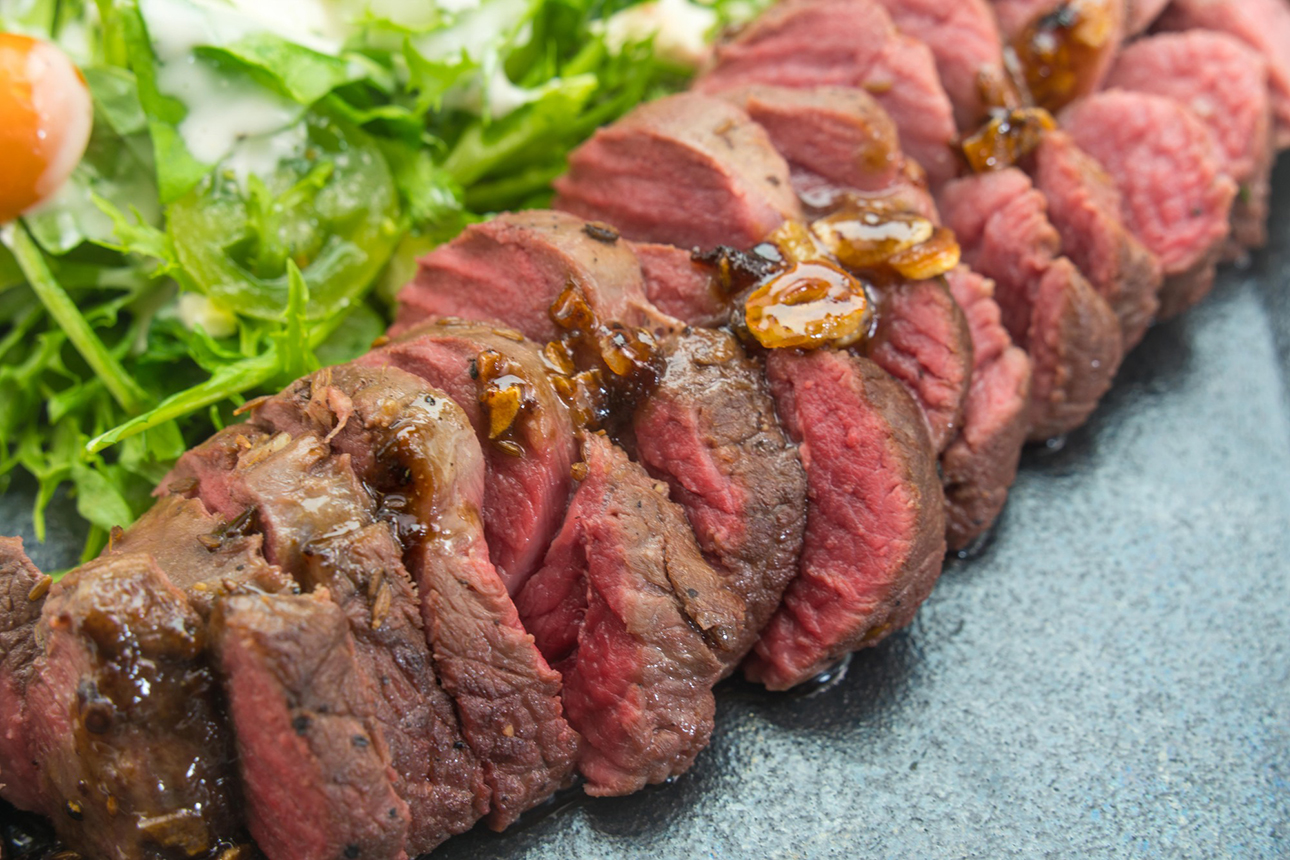
There is also the pressing issue of wildlife management. The populations of Ezo Deer and Brown Bears are increasing, causing ecological imbalances and issues for residents. “We have too many deer,” Kentarou says. “But deer meat (Venison) is delicious! We need to eat more of it to help balance the ecosystem.”
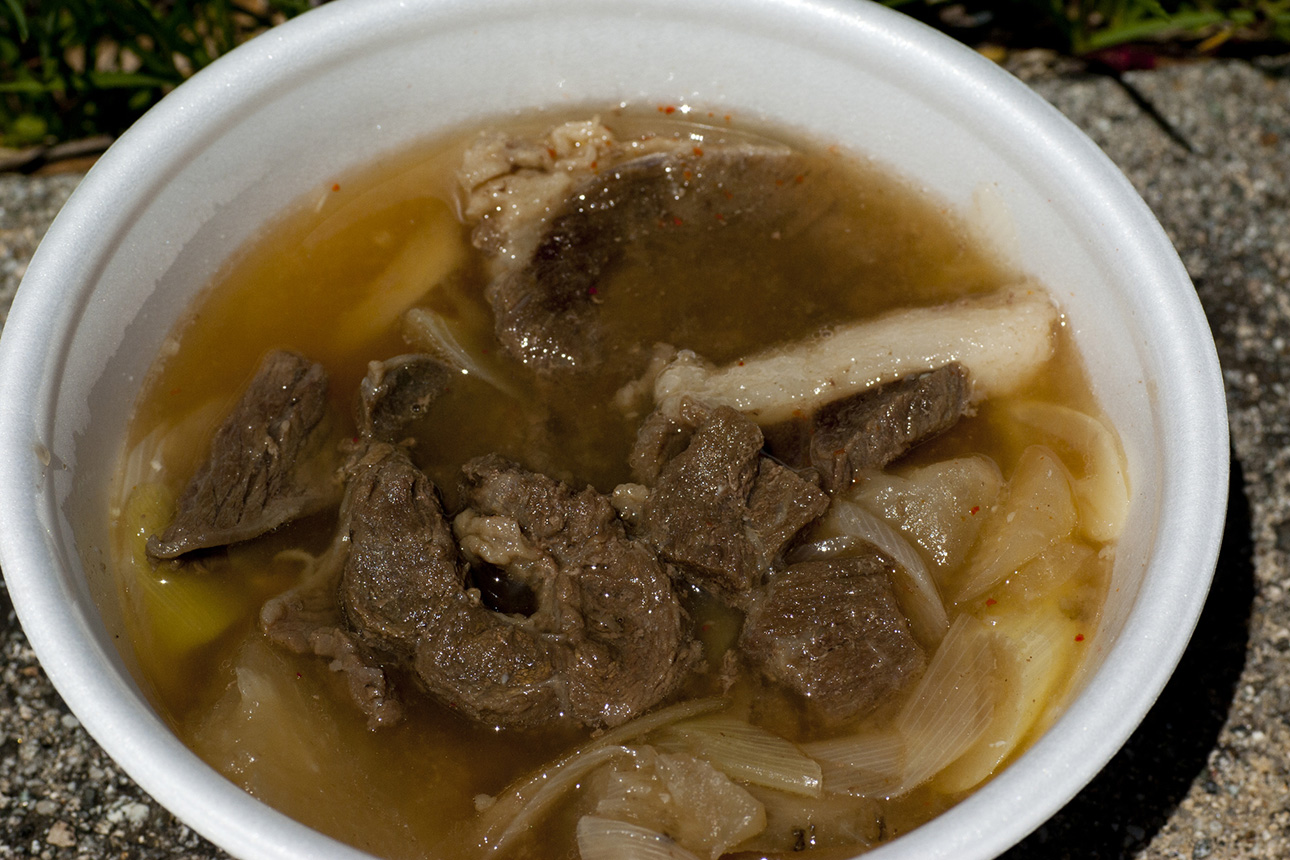
We even discussed the unique “Bear Burgers” and “Bear Curry” found in the wild Shiretoko region. “It sounds like a joke,” Kentarou admits, “but buying these products—many available in cans that are easy to pack in your suitcase—supports the local economy and helps control the bear population.”
By visiting Hokkaido and choosing to eat local game meat or fresh seafood, you are directly supporting the communities working to protect the balance of wildlife and preserve these age-old traditions.
A Return to Roots: The Ainu Philosophy
This concept of eating local game to maintain nature’s balance isn’t new; it is a return to the roots of Hokkaido. The Ainu, the indigenous people of this northern land, have lived in harmony with nature for centuries. In the Ainu worldview, Kamuy (spiritual beings) are present in all things—from animals and plants to fire, water, and even the tools of daily life—visiting the human world from the realm of the gods. Hunting and eating game wasn’t just for survival; it was a sacred act of maintaining the balance between the world of gods and humans, taking only what was needed and offering deep gratitude. It is a powerful lesson in sustainability that modern Hokkaido—and the rest of the world—is beginning to relearn. In a way, Hokkaido has an overflow of food right now. Let us embrace it by enjoying the bounty!
8. Quick Bite: A Foodie’s Map of Hokkaido
Hokkaido is vast—it’s roughly the size of Austria! To help you plan with Kentarou to satisfy your unique palate, here is a quick “Flavor Map” of the regions:
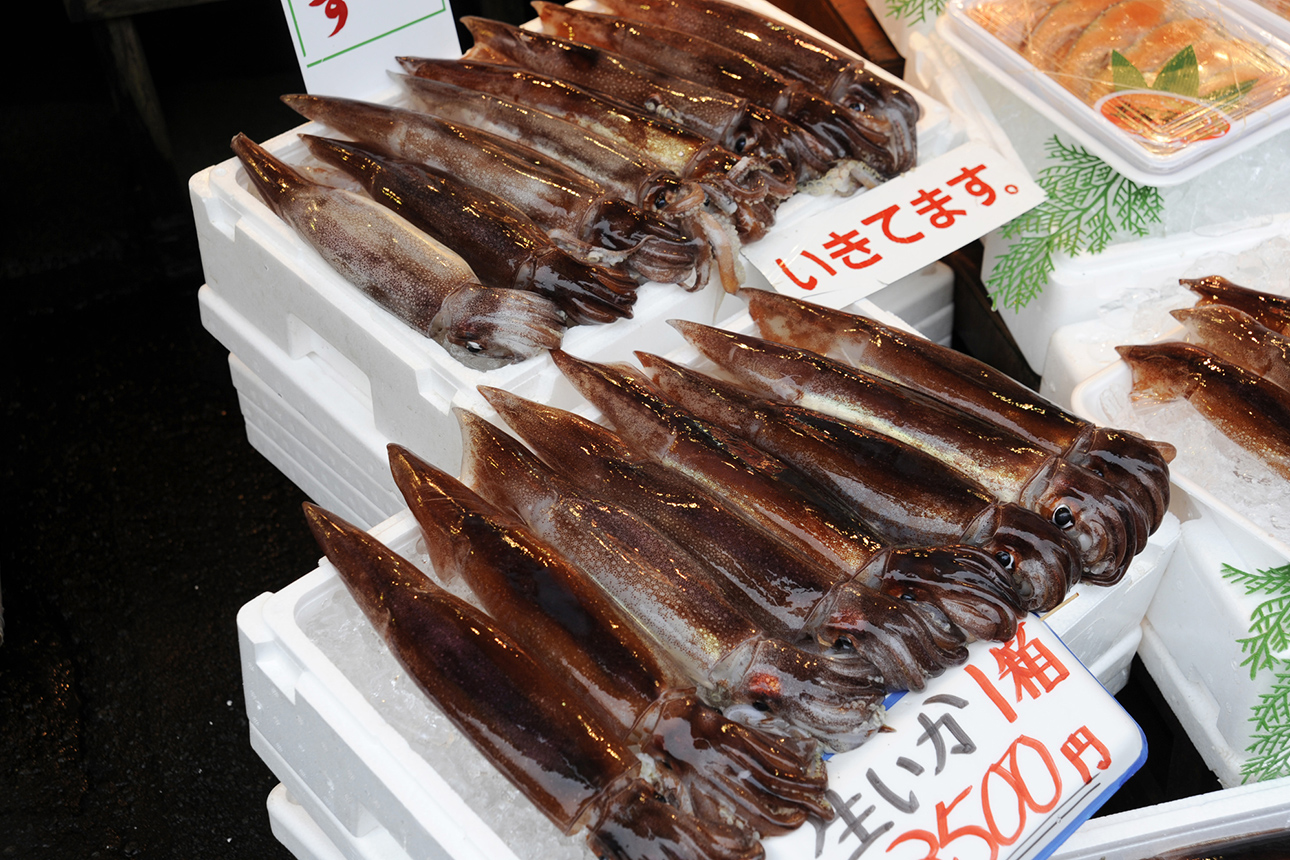
<Hakodate (South)>: Famous for Squid (Ika). The Morning Market offers ultra-fresh squid sashimi and seafood.
<Tokachi (Central)>: The Dairy Kingdom. This is the source of Japan’s best milk, cheese, and yogurt. The sweets and pastries here are legendary.
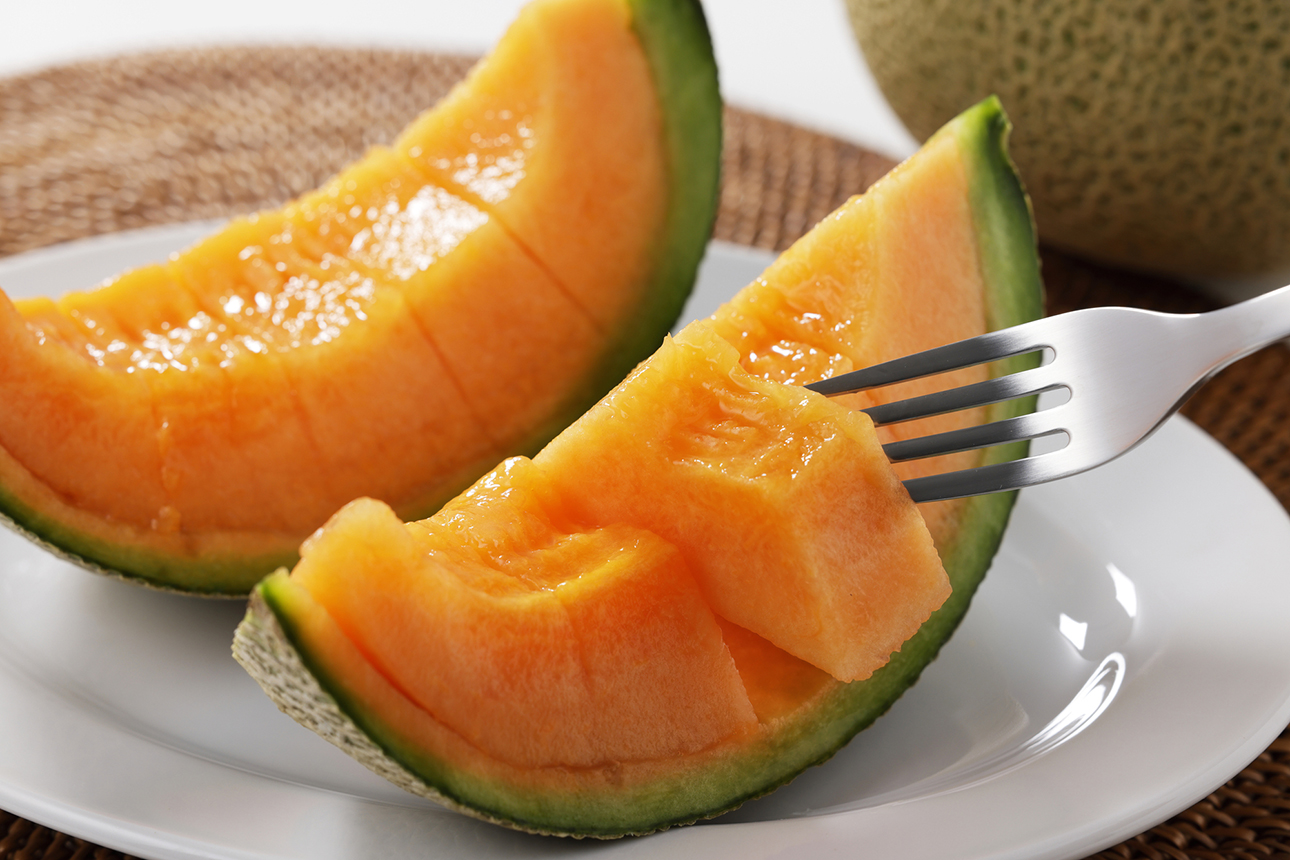
<Furano (Central)>: Melon Country. Summer means feasting on the ultra-sweet, orange-fleshed King Ruby Melon.
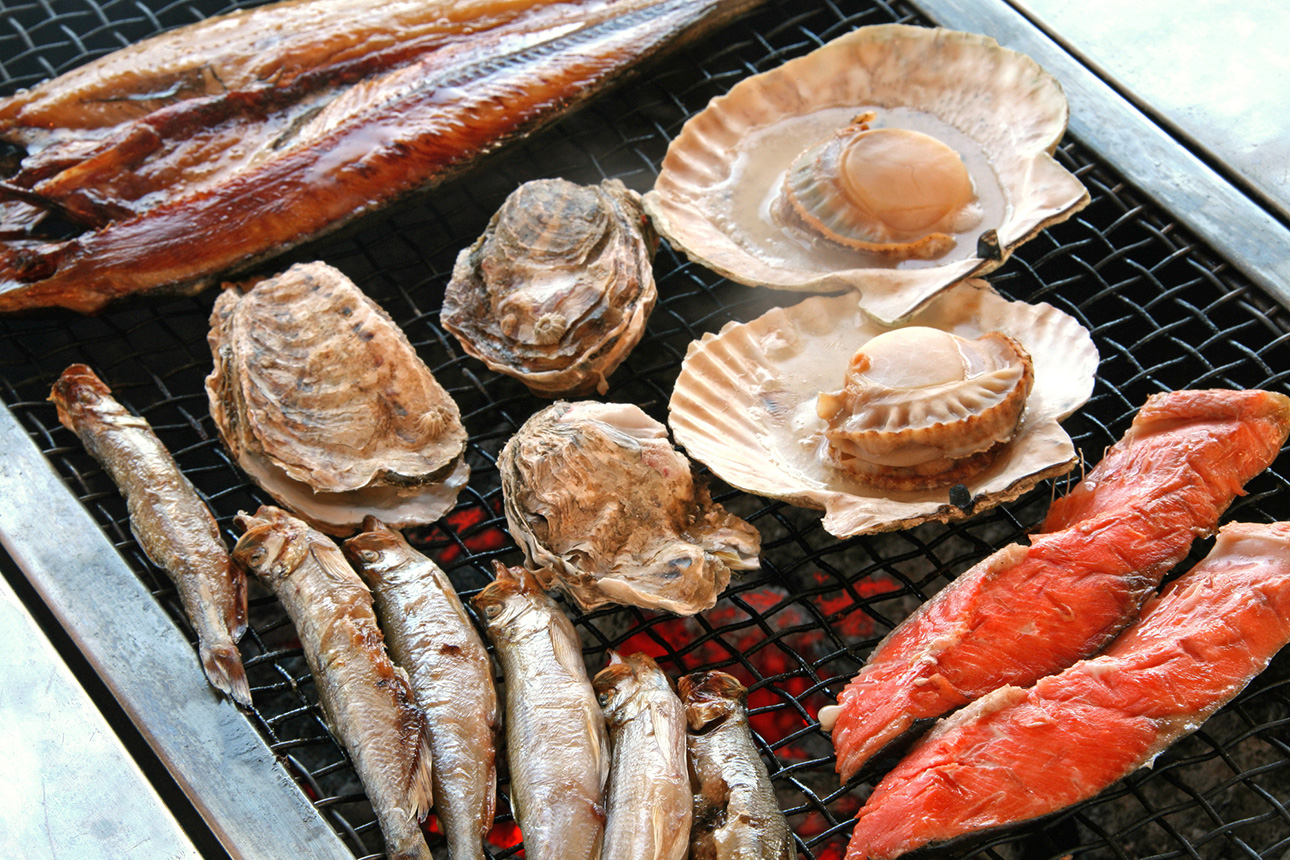
<Eastern Hokkaido (Kushiro/Shiretoko)>: The Wild Frontier. Head here for Robatayaki (fireside grilling), fresh oysters, and game meat like Ezo Deer and bear meat.
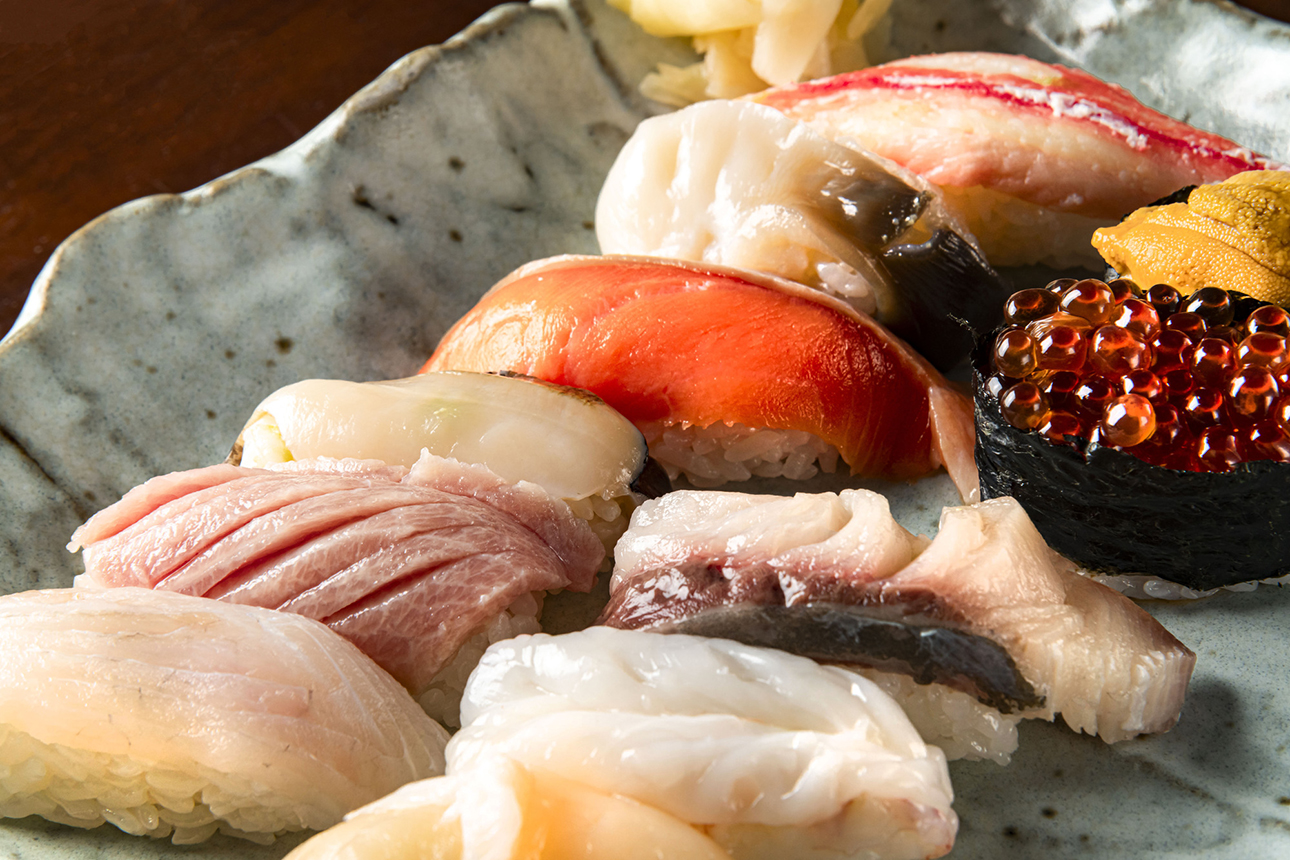
<Otaru (West)>: Sushi Central. A historic port town known for the freshest seasonal toppings.
9. Seasonal Calendar: What to Eat When
Hokkaido’s menu changes with the weather. Here is your cheat sheet for timing your visit:
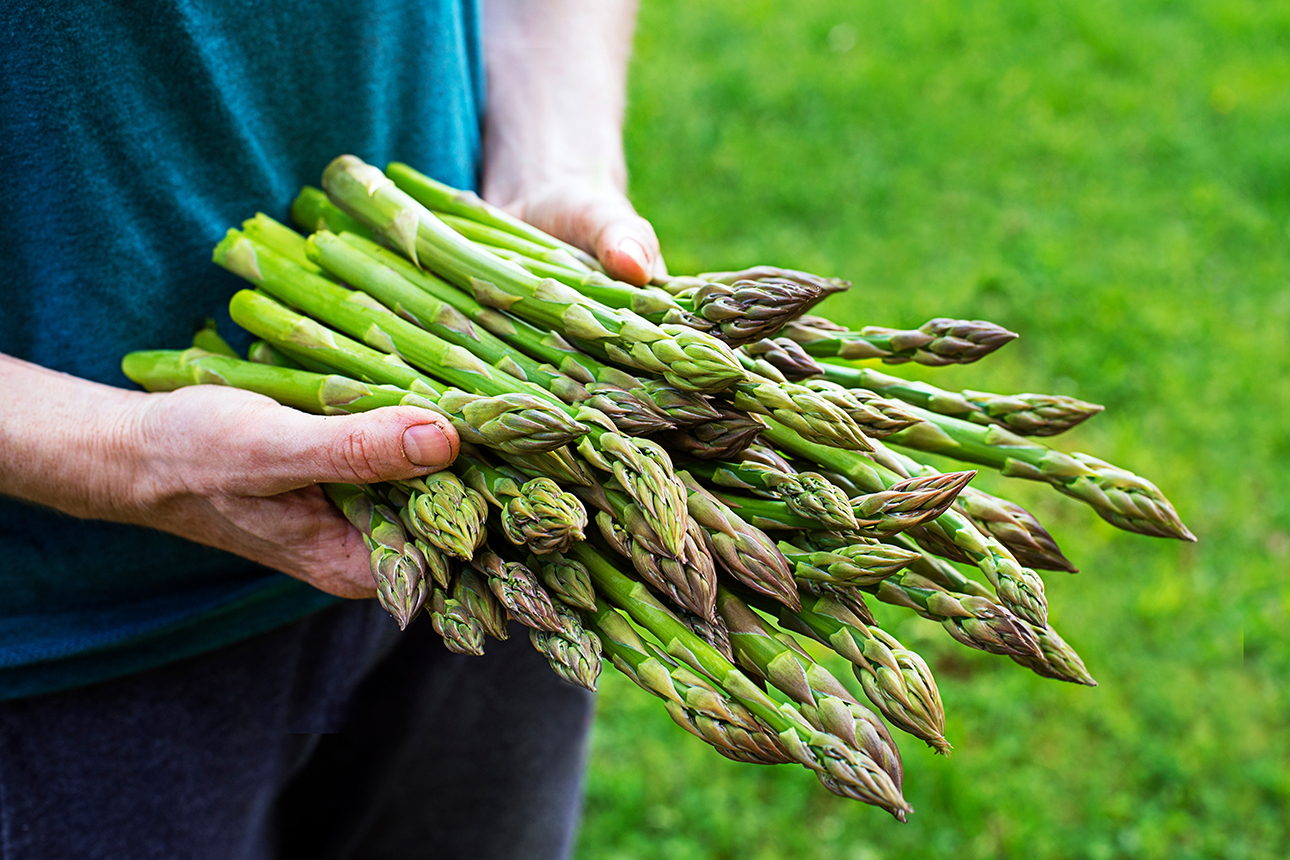
<Spring>: Green Asparagus, Hair Crab (Kegani).
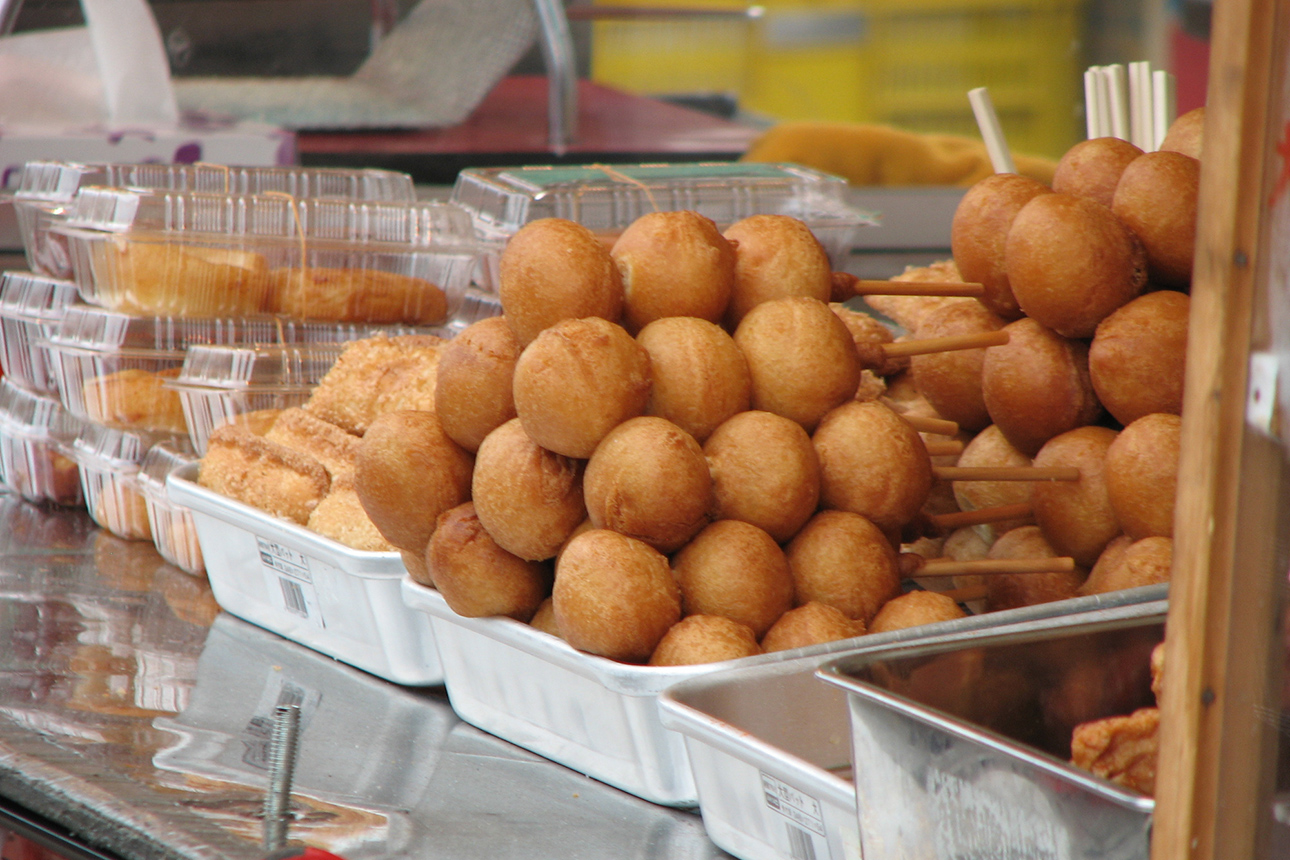
<Summer>: Uni (Sea Urchin), Melon, Sweet Corn.
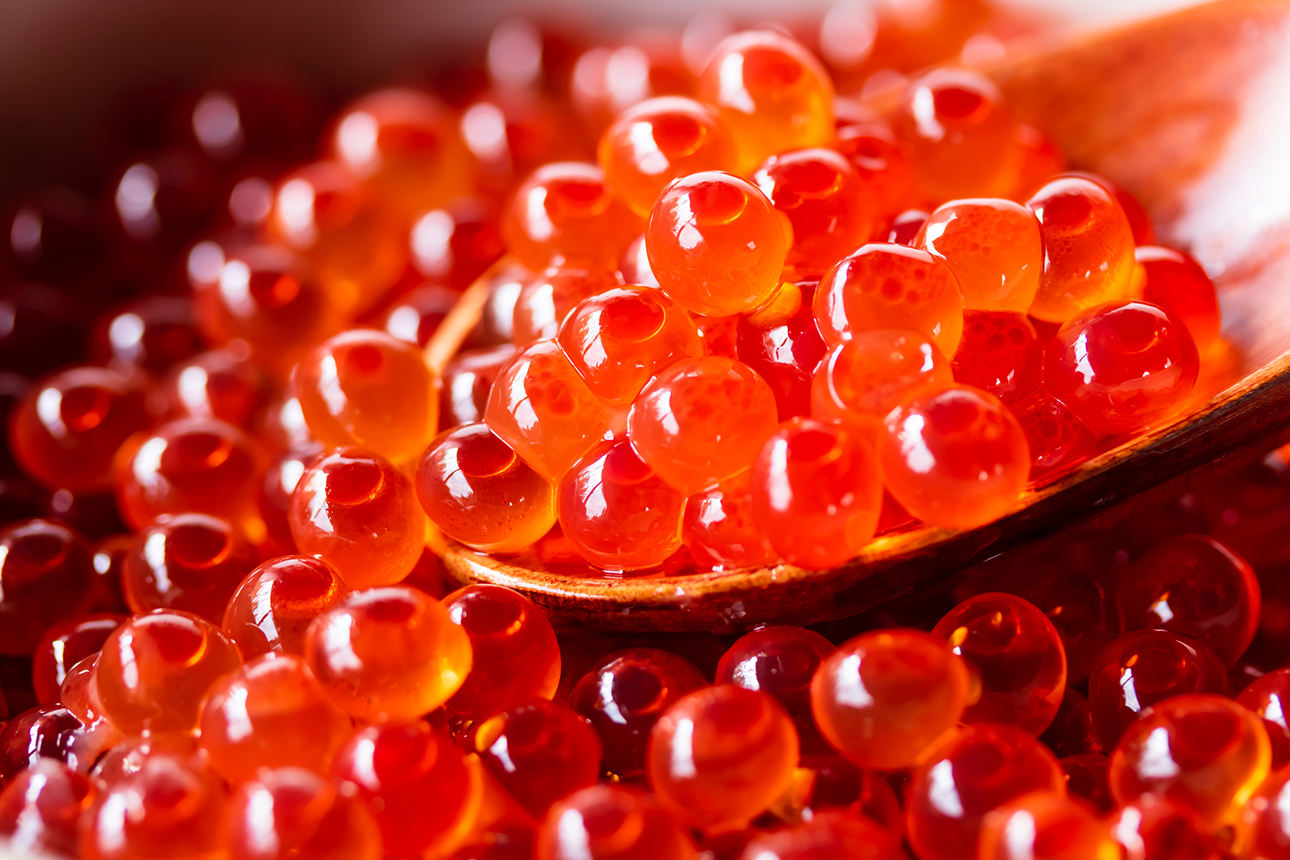
<Autumn>: Salmon, Potatoes (Age-imo), Ikura (Salmon Roe).
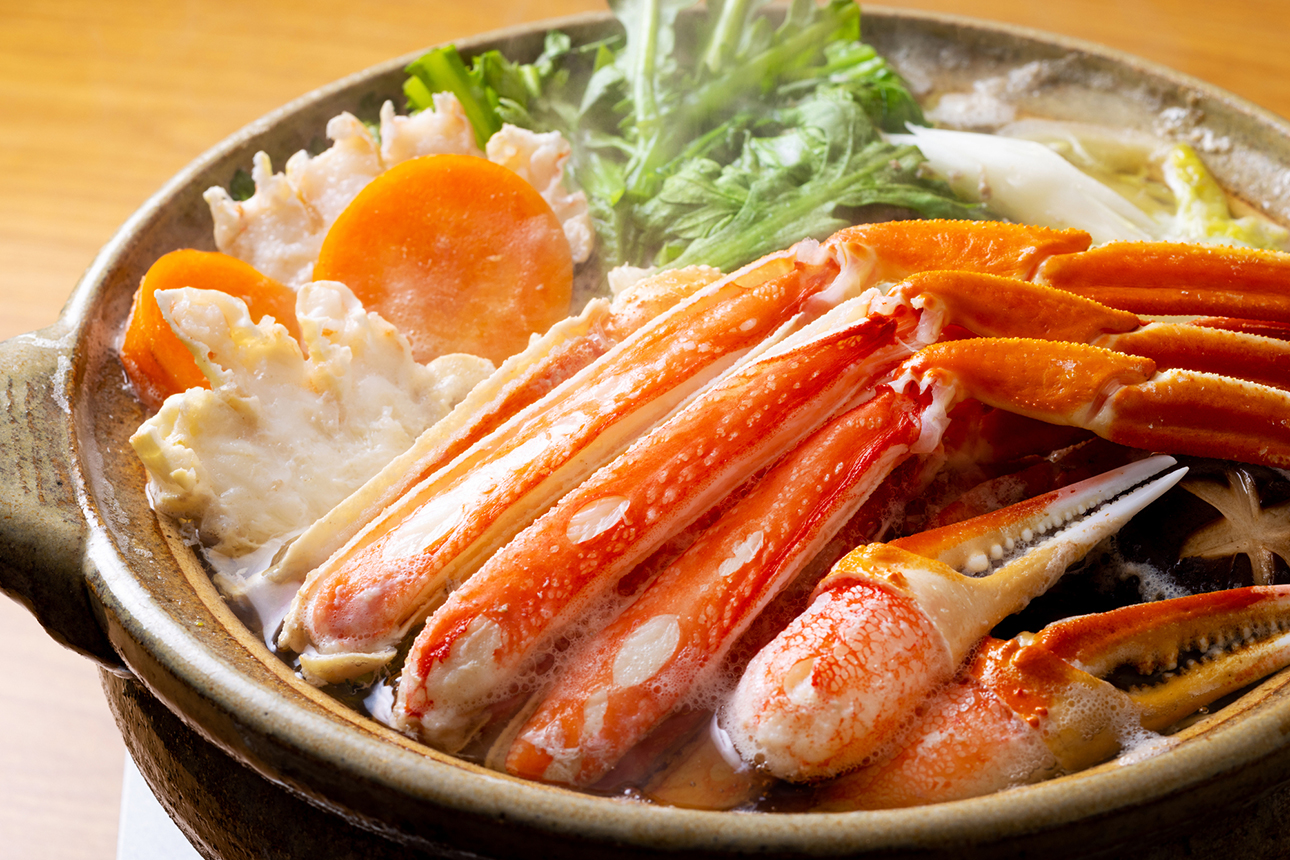
<Winter>: Scallops, Oysters, Hot Pot (Nabe).
10. How to Build Your Custom Gourmet Itinerary
How do you turn all these Hokkaido foodie travel ideas into reality? That is where Hokkaido Treasure Island Travel comes in. It’s Kentarou’s job to creates fully custamizable tours, for small groups or even solo travelers who want something you can’t find or book online by yourself.
The “Full Support” Advantage
“Traveling in rural Hokkaido is hard without a car,” Kentarou notes. But driving yourself comes with its own set of challenges. You might be wary of navigating on the left side of the road, fighting off jet lag, or missing out on the region’s incredible sake and wine because you have to stay sober behind the wheel.


And trust me, after a huge, soul-satisfying meal at these local restaurants, a quick nap in the backseat on the way to your next destination is a worthy luxury.
<Private Driver>: Our tours include professional drivers. You can indulge in the local spirits, nap between stops, and relax knowing the navigation is handled.
<Interpreter/Guide>: Want to talk to the scallop fisherman or the sheep farmer? Our guides translate not just the words, but the passion.
Solo Travelers Welcome
“I create itineraries for solo travelers, too,” Kentarou says. “Traveling alone can be lonely—I know, I experienced it myself living in Portland and while food blogging here in Hokkaido. But if we arrange a dinner with a local chef or a guide, you make a connection. The best souvenir is the memory of the people you met.”
Meeting the locals and building real connections with these chefs and family-run locations is a hidden gem in itself on your journey that you’ll never forget.
Your Next Step as a Foodie
Are you ready to “Eat the Story” of Hokkaido? Whether you want to dig for snow cabbages in Furano, slurp Miso Ramen in Sapporo, or shear a sheep in eastern Hokkaido, Kentarou is ready to plan your trip.
Hokkaido is waiting. And trust me—you’re going to want to come hungry.
Start your custom gourmet journey with Kentarou today!